

Overview
The first morning we spent at Sonnwies, our youngest was collected from the breakfast table at nine o’clock by a carer who already knew her name and her preferred craft activity. We did not see her again until six in the evening. She came back mud-spattered, clutching a dough lantern she had made herself, and unreservedly furious about having to leave. That daily rhythm (children who cannot be persuaded to return to their parents, parents who have finally stopped checking the time) is the whole point of this place. Tucked into a south-facing hillside above the village of Lüsen, at the quiet edge of South Tyrol’s UNESCO Dolomites, Sonnwies is what a farming family builds when it spends roughly forty years turning a bed-and-breakfast into something close to a self-sufficient kingdom for the under-tens: goats and alpacas grazing near the spa door, a 70-metre tube slide corkscrewing down beside three baby pools warmed to a womb-like 35°C, and a 1,500-square-metre indoor world where our daughter made that lantern while we lay on a heated waterbed somewhere the children were contractually forbidden to find us.
The headline is worth stating plainly, because it is the whole reason to come: for babies, toddlers and young children, Sonnwies is as good as family hotels get in the Alps. The crèche takes infants from roughly two weeks old (not a typo, two weeks), and the morning we checked in we watched a couple arrive with a newborn and be handed, unprompted, a cot, a baby bath, a steriliser, a radiation-free baby monitor and a pram, all included, all simply there. The supervised programme runs from around nine in the morning until nine at night. There is a petting zoo, pony rides, a slide-stippled water park, a vast natural playground, and a kitchen that prepares organic purees with no salt for weaning babies and stone-baked pizza for everyone else. It is, in the truest sense of an overused word, finest: not the most expensive room you can buy in the mountains, but the most thoroughly, obsessively thought-through environment for raising small humans on holiday.
It is not, however, flawless, and we would be doing you a disservice to pretend otherwise. The 9-to-9 childcare that sells the place is, in practice, an age-three-and-up arrangement: we brought a two-year-old and were still, charmingly, on duty. The teen offering is thin. And there is one hairline crack we noticed by our second night: the rooms, for all their stone-pine prettiness, are built to a standard several rungs below what the price implies, with floors thin enough that we got to know the bedtime routine of the family above us. Sonnwies is officially a four-star hotel that behaves like a five-star one in every department except the one you sleep in. Keep that in your mind’s eye, and you will love it. Arrive expecting a soundproofed palace, and you will be the one lying awake counting footsteps.
Location & Accessibility
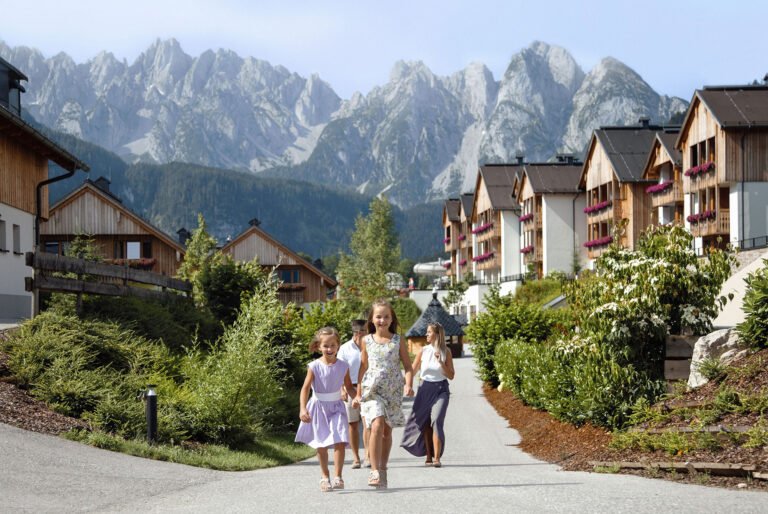
Sonnwies sits at roughly 1,130 to 1,150 metres above sea level on the sunny flank of the Lüsen valley (Lüsen in German, Luson in Italian; we saw both, sometimes on the same signpost), a softly pastoral side-valley a short drive above the old episcopal town of Brixen/Bressanone. This is the gentler, greener edge of the Dolomites, not the cathedral-of-rock drama of Tre Cime or the Sella massif, but rolling alpine meadow, dark spruce forest, and the serrated UNESCO peaks of the Villnöss-Lüsen group rising politely in the background. It is the kind of landscape that made the adults among us exhale and the children want to roll down a hill. The resort is about a kilometre from the village centre, which matters: this is not a place you stroll out of for a wander to a café. There is essentially nowhere to walk to. We were glad of our car here, both for day trips into the wider Dolomites and for the simple freedom of leaving when we wanted to.
Getting there is the one piece of pre-trip homework worth doing properly, and we did it the easy way. The nearest railway station is Brixen/Bressanone, about a twenty-minute drive away, and the hotel runs a taxi transfer of roughly €60–65 for that final leg. By air, the closest option is little Bolzano/Bozen airport (BZO), around an hour out, with a hotel taxi in the region of €190–200; Innsbruck, just over the Austrian border, is an hour to ninety minutes and a pricier transfer again. Verona, Venice and Munich are all feasible if longer hauls (Munich is the classic three-hours-by-autobahn approach for German families), but at those distances the case for your own car (and the freedom it buys with car seats, naps and the inevitable mid-journey snack mutiny) only strengthens. We drove in on the A22 Brenner motorway to the Brixen/Bressanone exit, then up the valley following signs to Lüsen, with free parking waiting at the other end.
The trade-off of this tucked-away position is the whole point, and we felt it the moment we cut the engine. You are not stationed beside a buzzing resort village with après-ski and pizzerias on the doorstep; you are cocooned on a hillside where the loudest sound, for most of our stay, was a cowbell or a delighted shriek from the playground. For a family with very young children (the constituency this place is built for), that self-contained calm is a feature, not a bug. For a family with restless teenagers who want a town to roam, it is something to weigh carefully before you book.
Accommodation (Rooms & Suites)
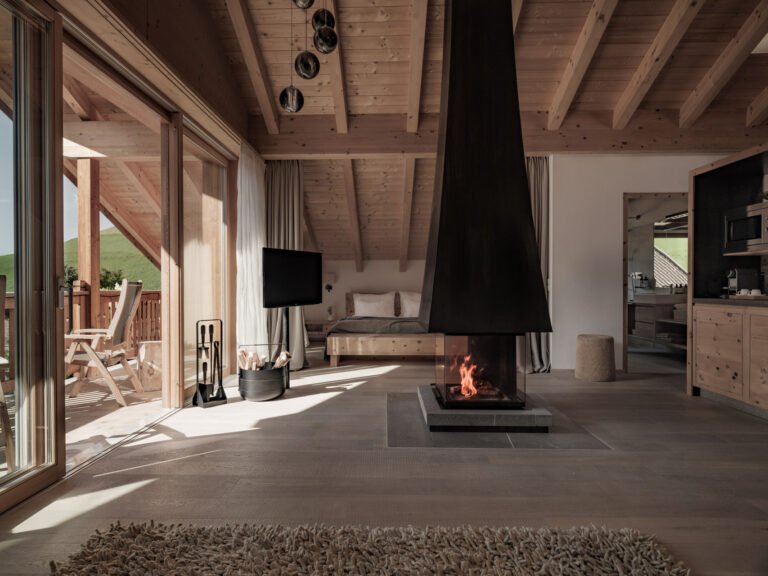
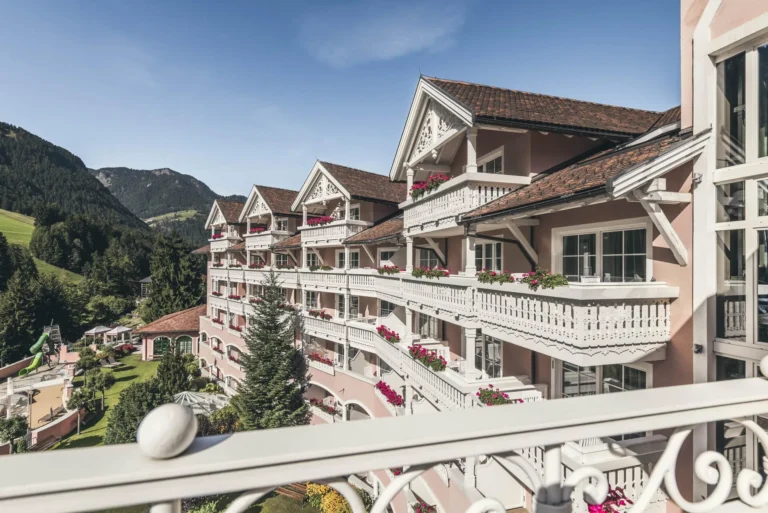
Our room was, on first walking in, lovely. The rooms here are built from local mountain timber (spruce, stone pine, oak), with the warm, resinous, faintly Scandinavian feel that South Tyrol does so well, paired with spa-like bathrooms and, in most cases, a balcony or terrace framing the meadows and peaks. They are also, crucially, designed for families rather than retrofitted for them: even the entry-level Family Studio (around 40 m²) gives you a pull-out sofa bed and a separate sleeping nook, and the larger suites build outward from there into well-designed layouts.
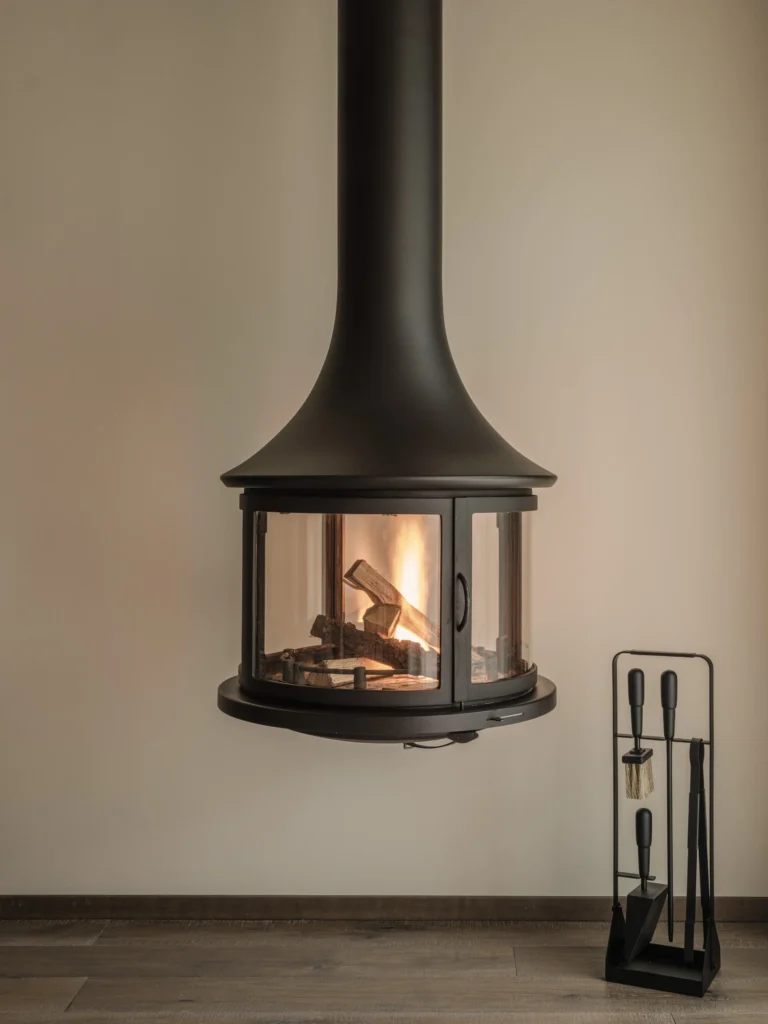
The ladder runs roughly like this, and we poked our heads into several over the week. Above the studios sit two-room natural-wood suites of around 50 to 58 m², most with a south- or east-facing balcony. The Luxury Loft Suite (around 75 m²) introduces the layout that makes this place sing for families: a master bedroom and living area plus an adjoining children’s room with two single beds and a loft bed: a small, thrilling cabin-in-the-sky that our children would have fought over. The three-room Luxury Suite (around 82 m², with a roof terrace) expands that idea, and some of these come with a fireplace and a soaking tub. At the top of the tree, a four-room suite and a Roof-Top Villa of around 130 m² offer freestanding bathtubs, rain showers and a separate children’s bedroom: the configuration multi-generational groups and larger families quietly dream about. Maximum occupancy across the range generally lands at three to five guests per unit.
For parents of the very young, though, the room is almost secondary to its contents, and Sonnwies sets the benchmark here. Every cot, baby bath, potty, changing table, nappy bin and bath stool is provided free. So is a buggy or pram, and even a carrier backpack for the trails. We borrowed one and used it daily. A bottle warmer, kettle and steriliser are accessible around the clock. There are children’s bowls, bibs and high chairs. And here is the detail that made us audibly sigh with relief: the baby monitors (the “baby phones”) are radiation-free and, again, free. In the corridor one morning a mother who had arrived with a newborn told us about the cosy crib waiting in her room and the warm, quiet spaces that turned out to be perfect for nursing; another, weaning a baby, said she had been blown away by the range of food on offer. This is a hotel plainly run by people who have themselves walked the floor at 3am with a teething infant.
The most important caveat, and the one that shaped our nights more than anything else. The build quality of the rooms does not match the price tag or the marketing. The floors are incredibly thin; lying in bed, we could hear absolutely everything happening above us, and the buildout of the rooms is closer to a three-star property than the price suggests. That is the load-bearing complaint we left with, and it is why we scored accommodation 8.3 while everything else soared higher. The aesthetics are five-star; the acoustic engineering is not. A couple of further practical notes worth knowing: some suites are not air-conditioned and warmed up in the midday sun, and, a small but real frustration, most rooms have showers only, with bathtubs reserved for the higher categories. If a soaking tub for bathing a baby matters to you, ask specifically when you book, and if a light-sleeping toddler is in the party, ask for a top-floor or end room to put the footsteps somewhere harmless. We wish we had.
Family Amenities & Kids’ Activities
This is the heart of the matter, the reason we scored Sonnwies 9.5 for amenities and activities, and the part where the hotel stops being merely pretty and becomes, for the right family, close to unbeatable. Start with the childcare, because it is the spine of everything. The crèche accepts babies from roughly two weeks old: a threshold so low we double-checked it at the desk. The hotel frames its offer as around 70 hours of childcare a week, of which about 60 hours are dedicated baby care, all folded into the rate. Supervised hours run from roughly 9am to 9pm.
The age bands break down sensibly: a Baby & Toddler club for 0–3s, a Kids club for the 3–7s, a Children’s club for 7-and-up, and a separate Teenie-Lounge for the older set. The flagship is “Ferdi’s World,” a roughly 1,500-square-metre indoor kids’ club (named for the resort’s horse mascot, Ferdi) nominally serving ages 0 to 14, with colour-coded wristbands setting independence and pick-up levels for the older children. We saw the same arc play out in family after family at dinner: children who didn’t want to leave, a girl two tables over who had to be all but begged to come and eat with her parents because the club was more fun, a small boy who cried when his morning ended. What struck us most was the calm, Montessori- and Waldorf-adjacent texture of the play (lanterns, dough, crafts, gentle structure), a welcome contrast to the louder, screen-led kids’ clubs we have sat in at glossier resorts. That calm, craft-led texture (dough, lanterns, unhurried structure) sets Ferdi’s World apart from the louder, screen-first kids’ clubs at bigger mountain resorts.
Here, though, is the caveat that every parent of a two-year-old needs to hear before they wire the deposit, because we learned it the hard way: the full 9-to-9 supervised programme is effectively for ages three and up. Below that, the baby club runs fewer hours and, in practice, two-year-olds are expected to be accompanied by a parent for activities. It materially changed our trip: with our toddler we got glorious facilities and warm baby care, but not the drop-and-vanish freedom those headline hours imply. Two further honesty notes from our week. The baby and kids’ clubs are partly staffed by young interns and trainees; we found most of the carers loving and professional, but engagement was variable, and on a couple of mornings the baby-park team felt less present than we’d have liked. And there are weekend gaps: coverage thinned on Saturday morning and through much of Sunday. None of this dents the headline; it just sharpens it. This is a baby-and-young-child powerhouse with human, occasionally uneven, staffing, not a flawless machine.
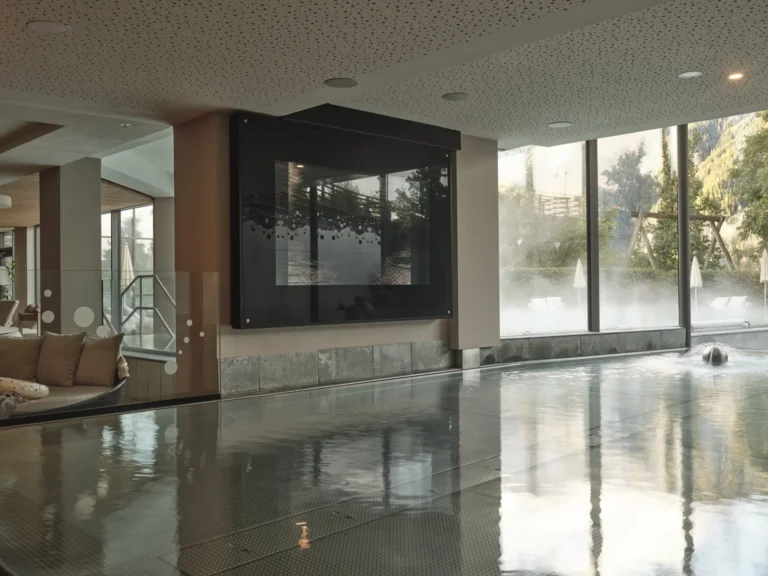
The water park is the next great draw, and it is properly good. Within a spa-and-water complex of over 1,000 square metres sit roughly four family pools (three indoor, one outdoor), threaded with slides that include a 70-metre tube slide, a 20-metre-wide wave slide, a tipping-bucket waterfall and assorted splash attractions our children rode until their fingers pruned. For the smallest guests there are three dedicated baby and toddler pools heated to about 35°C, with depths from roughly 25 to 45 centimetres: the warm, shallow, safe water that turns a holiday with an infant from an ordeal into a joy. The heated outdoor family pool (around 140 m²) runs year-round, which means snow-framed swimming in winter. There is even a children’s “bio” sauna with an integrated cinema for ages two and up, where a parent in swimwear can sit alongside. One small note: the water and pool-area temperature struck us as occasionally on the cool side, worth knowing, not worth worrying about.
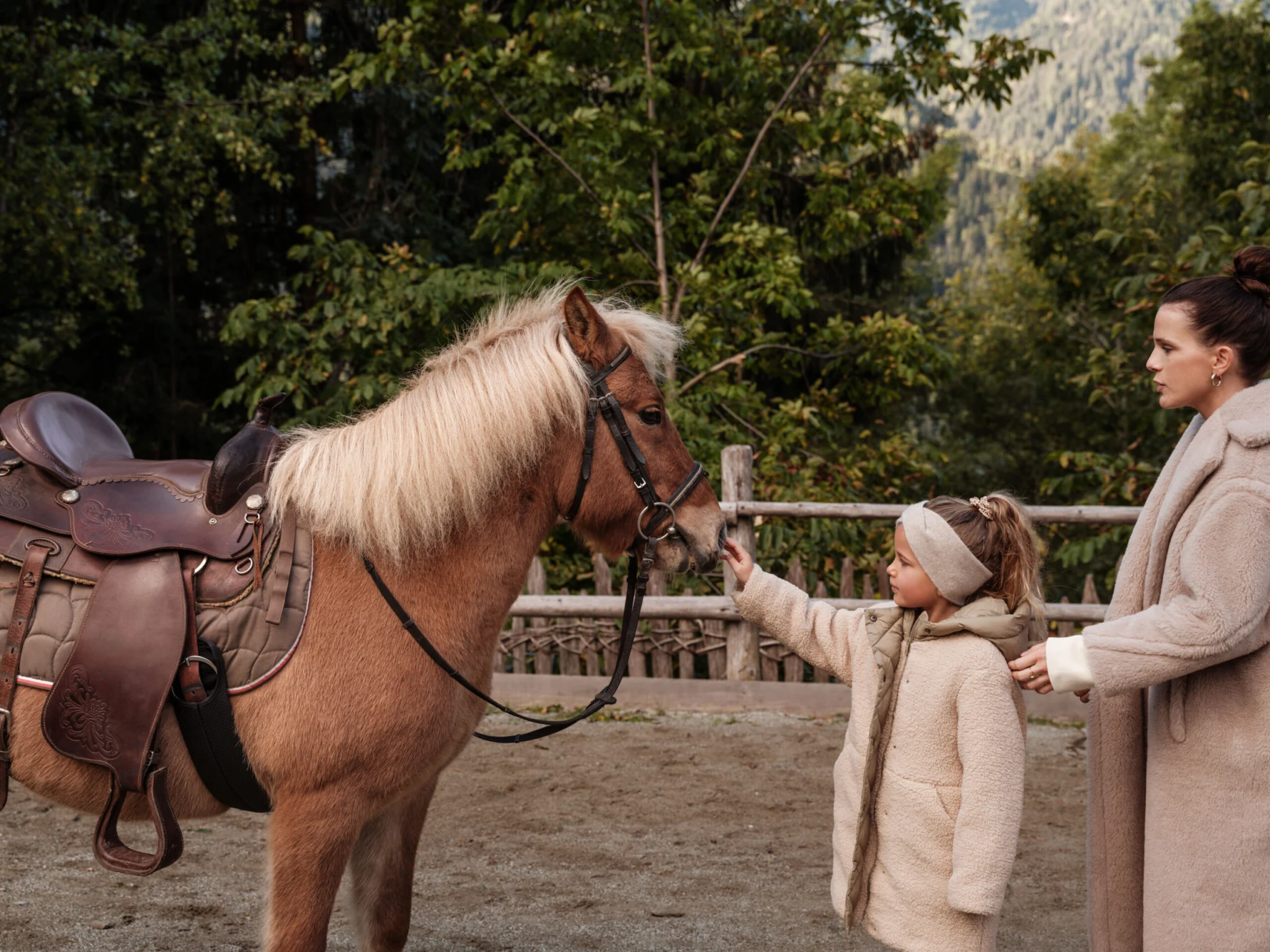
Then there is the farm, which is the soul of the place and, for our children, the part they talked about for weeks afterwards. Sonnwies keeps its own organic farm of around thirty animals: ponies, cows, goats and sheep, pigs, chickens, rabbits and, the perennial favourites, alpacas (guided alpaca walks run as a paid extra). Children groom and feed them, collect eggs from the hens (which then, gloriously, turn up at breakfast the next morning), and ride the ponies; new for 2026 is an equestrian centre (Haflinger horses, an indoor riding arena and a riders’ lounge), part of the wider expansion that also added Forest Villas at the woodland edge and a Forest Spa of nature-inspired treatments. Watching our daughter run happily among the animals, petting rabbits and feeding goats, told us more about this place than any tour did. One honesty flag from our own eyes: we noticed a couple of the cows kept in fairly small pens, which gave us pause amid an otherwise idyllic farmyard. A small note, recorded in fairness.
Beyond the animals lies a roughly 20,000-square-metre natural playground: zip-wires, climbing frames, swings, a trampoline, a go-kart track, a climbing wall, tennis courts, plus e-bike rental (some of it paid) and guided family and herb walks into the surrounding meadows, one of which we joined on a bright afternoon. In winter, the offer pivots gracefully: the hotel sits directly at the slope, with an on-site beginner run and a magic-carpet lift, a ski school taking children from around two-and-a-half (private lessons only for the under-threes), tobogganing on the house slope, an ice rink, snowshoe hikes and cross-country trails. We met a family whose three-year-old had learned to ski, skated for the first time, rode a pony and, in her mother’s words, had the best time of her small life: the kind of multi-first day that defines a family winter holiday. Two framings worth keeping: the on-site slopes are easy enough that confident skiers in the party found them a touch tame, and bigger terrain like Plose or the Gitschberg-Jochtal/Dolomiti Superski areas is reached by the free ski bus rather than ski-in/ski-out in the literal big-resort sense. Ski lessons are priced separately, which is worth factoring in when budgeting a ski week with young beginners.
And the teens? The picture is thinner, and it remains the weakest link and the reason we rated the teen bracket 6.8 against the infants’ 9.6. There is a Teenie-Lounge, and the wider menu (e-bikes, climbing wall, go-kart track, skiing, hiking, guided excursions) gives an active teenager plenty to do. The handful of older teenagers we crossed paths with seemed content: one family travelling with three teenagers and three toddlers told us everyone had got their money’s worth, and another’s fourteen- and fifteen-year-olds were plainly having a good time. But there is no dedicated teen programming to speak of, and no teen-club energy emerged anywhere we looked. For teenagers, Sonnwies offers a beautiful, active environment rather than a tailored club, and the appeal will rest almost entirely on whether your teen loves mountains, animals and the outdoors or expects a social scene of their own.
Dining
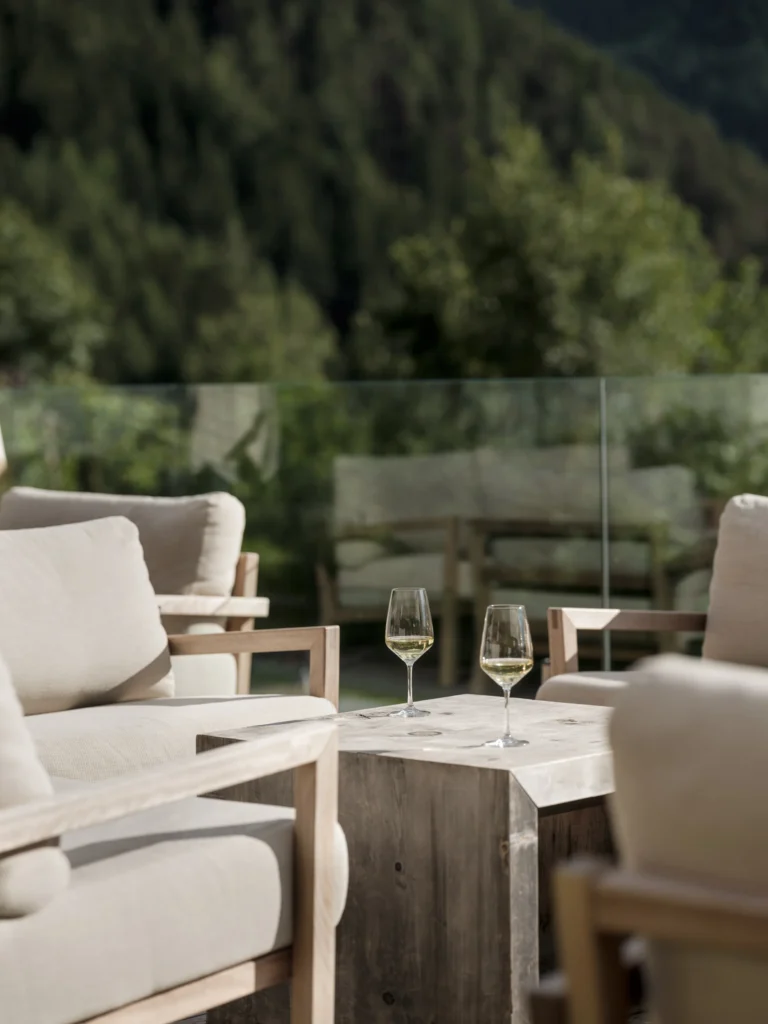
Dining at Sonnwies is all-inclusive in the real, full-board sense: three meals plus snacks, anchored in a single main restaurant where families are given an assigned table for the duration of their stay. That fixed table is a small thing that turned out to be a large one: our children learned the room, the staff learned our children, and the nightly negotiation of “where do we sit” simply evaporated. The food impressed us across the board, with breakfast and the afternoon spread the standouts.
The day has a pleasing rhythm. Breakfast is a buffet built on South Tyrolean produce: filled croissants, fresh orange juice, a hot-food and omelette station, muesli. Lunch brings two rotating light dishes served to the table, a salad buffet, soup and (a detail our children adored) a fresh pasta bar. Around three in the afternoon comes the spread we found ourselves planning the day around: a cheese and cured-meat buffet, homemade desserts and coffee, and a self-serve soft-serve ice-cream cart that was, predictably, the most popular fixture in the building among the under-tens. Dinner is the showpiece: a five-course evening menu across three mix-and-match strands (Alpine, Mediterranean and Vegan), with stone-baked pizza on several nights and Tyrolean specialities like schnitzel, hay soup and kaiserschmarrn making regular appearances.
For families with babies and toddlers, the kitchen is a quiet triumph. Hipp organic baby-food jars are provided, alongside freshly prepared porridges and organic purees for weaning: we were handed meals for babies without salt or pepper, plus organic compotes and purees, without having to ask twice, and formula milk is available on the buffet. From age three, children can take lunch and dinner at a supervised children’s table six days a week, which meant we got an actual adult dinner while the kids ate (and played) under supervision nearby. The kitchen caters explicitly for vegetarians, vegans and allergy sufferers, and every special request we made for our children was met cheerfully. Non-alcoholic drinks and Grander® water are included with meals; alcoholic drinks are charged extra, which is worth factoring into the “all-inclusive” sum.
The caveat, where service is concerned: On two of our evenings dinner service stumbled (slow courses, a sense of friction among the floor staff that was visible from our table) even as everything else ran beautifully. It is enough to temper our family-dining score to a still-excellent 9.0, not enough to undercut what is, by the standards of all-inclusive family resorts, an uncommonly good and wholesome kitchen.
Staff & Service Quality
The dominant note of our stay was warmth. Over and over, the staff seemed to have thought of everything; the carers were loving and professional; and the service (German, Italian and English are all spoken) made the holiday feel personal rather than processed. This is a family-run, independent hotel, owned by the Hinteregger family across roughly four decades, and that ownership shows in the texture of the care: it reads as a household that has scaled up rather than a brand that has been rolled out. Confidence in the childcare was the quiet enabler for us: it was trusting the carers that finally let us use the adults-only spa and have a genuine break, which is, after all, the entire promise of a family resort.
We landed our service score at 8.8 rather than higher for reasons worth gathering in one place so you can judge them for yourself. First, the intern-and-trainee staffing in the kids’ and baby clubs: we mostly found it charming and competent, occasionally under-engaged, and a fair-minded reading is that it is warm but variable. Second, those weekend gaps in childcare coverage. Third, the handful of dinner-service stumbles, plus an off-day at reception where the welcome ran cooler than the rest of the week. And fourth, one striking lapse we heard about from a couple who had stayed over New Year (music running until 4am while young children were in the building), which, while a one-off, is exactly the sort of thing a hotel built around small children should never let happen. None of these is fatal; together they mark the gap between “very good” and “impeccable.” For us, and for most of the families we spoke to, the experience landed much closer to the former-plus, and the human warmth was real.
Safety & Cleanliness
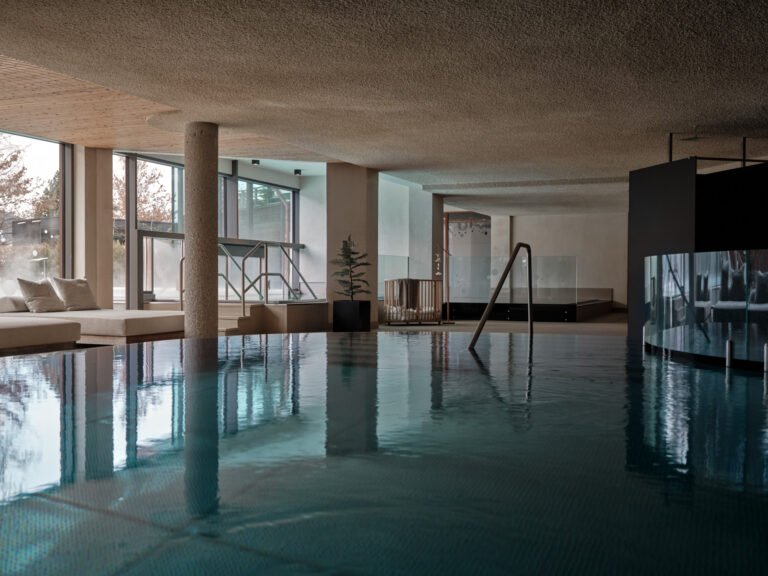
Cleanliness was one of the things that struck us most immediately and kept striking us: spotless rooms, a property that felt new and well-maintained, not a hygiene wobble anywhere across the week. That earns a 9.3, and it is well deserved. The same fastidiousness extends to the baby and toddler infrastructure, which is, by its nature, a safety story: the two-week crèche threshold, the dedicated baby room, the childproofed rooms, the shallow warm pools at carefully graded depths, the lifeguarded water park. This is an environment engineered around the smallest, most vulnerable guests, and you feel it the moment you walk a toddler through the door.
Two deductions keep it from a higher mark. The first is the thin-floor soundproofing we have already laboured: a comfort-and-rest issue more than a safety one, but a real intrusion on the sleep of small children and their parents. The second is the New Year’s Eve late-music episode, again a lapse of judgement rather than a systemic failing. On the practical side: the resort runs year-round and we found it humming in our season, so there is no confirmed seasonal closure, though a short maintenance break is the kind of thing worth confirming directly for specific 2026 dates. Parking is free, in a roofed garage and open lot, and EV drivers will find five charging stations in the garage, including Tesla Destination Chargers. Dogs are welcome. The whole operation carries a “Sustainable Accommodation” certification from the regional tourism board, in keeping with the organic-farm ethos, and it holds a Tripadvisor Travelers’ Choice award for 2026.
Value & Pricing
Sonnwies is not cheap, and the price was the one thing that gave us pause amid an otherwise glowing week. But “value” here is not the same as “cheap,” and the all-inclusive structure does a great deal of quiet work. Rates are quoted on a full-board, largely all-inclusive basis: as a rough guide, an entry-level family studio starts somewhere around €620 a night in low season and climbs to roughly €950 and well beyond in high season, with suites and the top categories priced considerably higher again: we saw studio rates around €1,000 a night for a family of three at busier times. Published 2026 packages give a clearer feel: a seven-night winter all-inclusive stay for three to five people from around €5,300, a seven-night “Family Slow Down Summer” from around €4,550. We have positioned it at the upper-mid “$$$” band, on the understanding that real-world rates can push considerably higher depending on room, season and group size; treat these as estimates against a date-based booking engine, and confirm the exact per-room rate card directly.
What the rate actually buys is the key to judging it, and we tallied it carefully. Folded into that nightly figure: full board with snacks and the soft-serve cart, non-alcoholic drinks at meals, around 70 hours of weekly childcare and 60 hours of baby care, every pool and the whole water park, the family sauna, the fitness room, the petting zoo and pony rides, the vast playground and climbing wall, guided walks, and the teen lounge. In winter, the all-inclusive case strengthens markedly: a free family ski pass and free ski bus are included, an unusually generous inclusion that, for a ski-week family, can offset a large slice of the room rate, since lift passes for a family of four otherwise run to serious money. What is not included is worth noting: alcoholic drinks, spa treatments, ski lessons, and some e-bike rental.
Our fair verdict: for a family with babies and young children (especially one that will lean hard on the childcare and, in winter, the free ski pass), the value is genuinely strong, because the resort replaces a dozen separate paid bookings (childcare, lift passes, water park, activities) with one number. For a family that won’t use the childcare heavily, or one disproportionately bothered by the thin-walled rooms, the same number can feel steep. We felt both pulls at different moments of the week, and both are legitimate; which one is yours depends almost entirely on the ages of your children.
Why We Picked It
We picked Sonnwies because, when it comes to babies, toddlers and young children, almost nowhere in the Alps does it better, and we left convinced of it. The two-week crèche, the warm shallow pools, the free fleet of baby kit, the organic weaning purees, the petting zoo and the ponies, the 9-to-9 care and the calm, Montessori-tinged play: this is a resort engineered, from the ground up and across forty patient years, around the youngest guests and the exhausted parents who love them. The word we kept coming back to is finest: not the most expensive mountain bolt-hole, but the most thoroughly considered place we know to take a child who still naps. The setting (sunny, pastoral, UNESCO-framed, blessedly uncrowded) is the real prize underneath all the slides and goats.
Best fits, plainly: families with infants and children up to about ten, parents who want to actually relax knowing the childcare is real and loving, and ski families who will cash in the free pass and bus. Be clear-eyed about three things before you book, because we wish someone had spelled them out to us: the headline 9-to-9 childcare is effectively age three and up, so a two-year-old still needs you on the activity floor; there is no real teen programming, so older teenagers will need to love the outdoors rather than a club; and the rooms, however pretty, are built and soundproofed to a level well below the “luxury” the name suggests: this is an officially four-star hotel, and the honest way to plan it is as a superb four-star family resort rather than the five-star palace it occasionally claims to be. Get those expectations right, bring a child under ten, and Sonnwies is very close to the platonic ideal of an Alpine family holiday.
Sonnwies Dolomites: Family Questions Answered
Is Sonnwies Dolomites good for families, and what ages is it best for?
Yes. It’s outstanding for babies, toddlers and young children (roughly under 10). The whole resort is engineered around little ones: a crèche accepting infants from around two weeks old, extensive free baby equipment, a craft-led kids’ club, and multiple warm, shallow baby pools. It’s less compelling for teens, where the offering is more “active outdoors” than structured teen programming.
What are the kids’ club age ranges and supervised hours at Sonnwies?
Supervised childcare runs roughly 9am–9pm, with clubs split by age. The hotel describes a Baby & Toddler club (0–3), Kids club (3–7), a Children’s club (7+), plus a Teenie-Lounge. “Ferdi’s World” is the large indoor kids’ area (reported as serving ages 0–14) with colour-coded wristbands used to manage independence/pick-up for older children.
Does Sonnwies have a crèche for babies, and what’s the minimum age?
Yes. The crèche accepts infants from roughly two weeks old. The hotel frames its childcare as around 70 hours a week in total, with about 60 hours dedicated baby care, folded into the rate. While that minimum age is exceptionally low, the practical experience can still depend on your child’s age and the day’s programme, so it’s worth clarifying expectations when booking.
Is the headline 9am–9pm childcare really available for a two-year-old?
Not fully. In practice, the full 9-to-9 drop-off style programme is effectively for ages three and up. The baby club runs fewer hours and the review notes that two-year-olds were often expected to be accompanied by a parent for activities. You still get warm baby care and excellent facilities, but not necessarily the “drop-and-vanish” freedom implied by the headline hours.
Is childcare available every day, including weekends?
Childcare runs daily, but weekend coverage can thin out. The review reports noticeable gaps: coverage thinned on Saturday morning and through much of Sunday. It’s not presented as a deal-breaker, but it does matter if you’re planning your relaxation time around club hours: confirm the exact schedule for your dates before you travel.
Can you book babysitting or private childcare at Sonnwies?
The article doesn’t confirm how babysitting/private care works or what it costs. What is clearly described is extensive supervised childcare included in the rate (with the 9am–9pm structure most applicable from age three+). If you need in-room babysitting, evening cover for a toddler, or one-to-one care, you should confirm availability and terms directly with the hotel.
Is Sonnwies Dolomites good for teenagers?
It’s workable for active teens, but there’s no real dedicated teen programming. There is a Teenie-Lounge and plenty of activities (e-bikes, climbing wall, go-karts, skiing, hiking and guided excursions), but the review found “no teen-club energy” and describes the teen offer as the weakest link. It suits teens who love mountains and the outdoors more than those seeking a social scene.
What room and suite set-ups work best for families of 4 or 5 at Sonnwies?
Suites with a separate children’s room are the best fit, and maximum occupancy generally runs 3–5 guests depending on category. The entry-level Family Studio is around 40 m² with a pull-out sofa bed and separate sleeping nook, while larger suites step up to two- and three-room layouts. The Luxury Loft Suite (around 75 m²) adds an adjoining children’s room with two singles plus a loft bed.
Does Sonnwies guarantee connecting rooms?
The article doesn’t confirm whether connecting rooms are guaranteed. It describes a range of family-focused room and suite layouts, but doesn’t state a guaranteed connecting-room policy. If you need interconnecting rooms rather than a suite, it’s best to request it explicitly and get written confirmation before you book.
What baby equipment is provided free at Sonnwies?
A very extensive list is provided free, including big-ticket items. The review describes cots, baby bath, steriliser, radiation-free baby monitor, and a pram/buggy being provided, plus practical essentials like potty, changing table, nappy bin and bath stool. Bottle warmer, kettle and steriliser are accessible around the clock, and the hotel also offers children’s bowls, bibs and high chairs.
Are the pools and water park suitable (and safe) for babies and toddlers?
Yes. It’s unusually well set up for little ones, including three dedicated baby/toddler pools at about 35°C. Those baby pools are described as shallow (roughly 25–45cm), designed for safe, warm paddling. The wider family complex includes multiple pools and slides, and the review notes a lifeguarded water park. It also flags that pool-area temperature felt occasionally cool.
Is Sonnwies all-inclusive, and what’s included vs extra cost?
It’s full-board all-inclusive (three meals plus snacks), with non-alcoholic drinks included at meals. The review describes breakfast buffet, lunch, an afternoon cake/dessert spread (including a soft-serve cart), and a multi-course dinner. Non-alcoholic drinks and water are included; alcoholic drinks are charged extra. Spa treatments, ski lessons and some e-bike rental are also noted as not included.
Can Sonnwies cater for babies (weaning) and food allergies?
Yes. Baby feeding is a standout, and the kitchen explicitly caters for allergies as well as vegetarian and vegan diets. The review notes Hipp organic baby-food jars, freshly prepared porridges, and organic purées with no salt for weaning babies, plus formula milk available on the buffet. It also states that special requests were handled cheerfully and that allergy sufferers are catered for.
How do you get to Sonnwies, and what do transfers cost?
The nearest train station is Brixen/Bressanone (about 20 minutes away), with a hotel taxi transfer around €60–65. The closest airport mentioned is Bolzano/Bozen (about an hour), with a hotel taxi in the region of €190–200. Innsbruck is around 60–90 minutes away and pricier again. The review suggests having your own car is especially useful given the resort’s tucked-away location.
What are the main drawbacks at Sonnwies Dolomites?
The big three are: thin soundproofing in rooms, the reality that full 9-to-9 childcare mainly works from age three+, and a thin teen programme. The review describes floors thin enough to hear the family above, plus notes that some suites aren’t air-conditioned and many rooms are shower-only (bathtubs mainly in higher categories). It also reports weekend gaps in childcare coverage and occasional dinner-service stumbles.
What are good alternatives to Sonnwies if you want a different style or price tier?
If you want a similar mountain-and-water style but in a different category mix or price tier, compare a few FFH-reviewed options. Dachsteinkönig Familux Resort overlaps strongly on the family resort + ski + waterpark brief and is also price band 3, but it’s explicitly in the All-Inclusive Resorts category. For a higher-end (price band 4) nature/ski/water option, Hoshino Resorts RISONARE Yatsugatake is positioned as an alpine wine and activity resort.