Apple AirTag (2nd Generation) 4-Pack, Apple (AirTag 2nd Generation)
Apple AirTag (2nd Generation) 4-Pack, by Apple
For the all-iPhone family that would rather watch their checked bags board the plane than pray they did: four tiny insurance policies against the carousel that never delivers.
Overview
There is a very specific kind of dread that only frequent-flying families know. You have landed. The plane taxied for what felt like a geological age. Now you are standing at carousel four, watching the same battered golf bag go round for the ninth time, and the crowd is thinning, and the thing you packed the children’s entire wardrobe into has not appeared. That dread is what the AirTag was built to abolish. Not a stroller, not a gadget for the sake of it: a €35 disc of stainless steel and white plastic whose entire job is to tell you, calmly, from your phone, exactly where your suitcase is. Spoiler: it’s still in Frankfurt.
The second-generation AirTag, which Apple released in January 2026, is not a reinvention so much as a quiet, welcome sharpening of the original. It rides on Apple’s second-generation Ultra Wideband chip, so Precision Finding (the arrow-and-distance mode that walks you to the exact spot) now reaches from much farther away. Apple describes it, in its careful marketing way, as working from up to 50 percent farther; in our own hands, the practical difference is that the tag holds its signal well past the point where the old one gave up, and starts pinpointing from across a large baggage hall rather than only once you’re standing on top of it. The speaker is louder too, and now bonded into the housing so it’s harder to silence: a detail that matters more for the anti-stalking story than the finding one, but we’ll come to both. We bought the four-pack, dropped one into every case before a summer of airports, and this is what a season of real use taught us.
Why It’s Great for Family Travel
The four-pack is not an upsell; it is the natural unit of a travelling family. One tag per checked bag, one clipped into each child’s backpack, and the maths does itself: four is exactly what a family of four with real luggage needs. At around €30 a tag in the four-pack (€119 for four, current Apple DE pricing) it is, frankly, cheap peace of mind on a trip that already cost five figures.
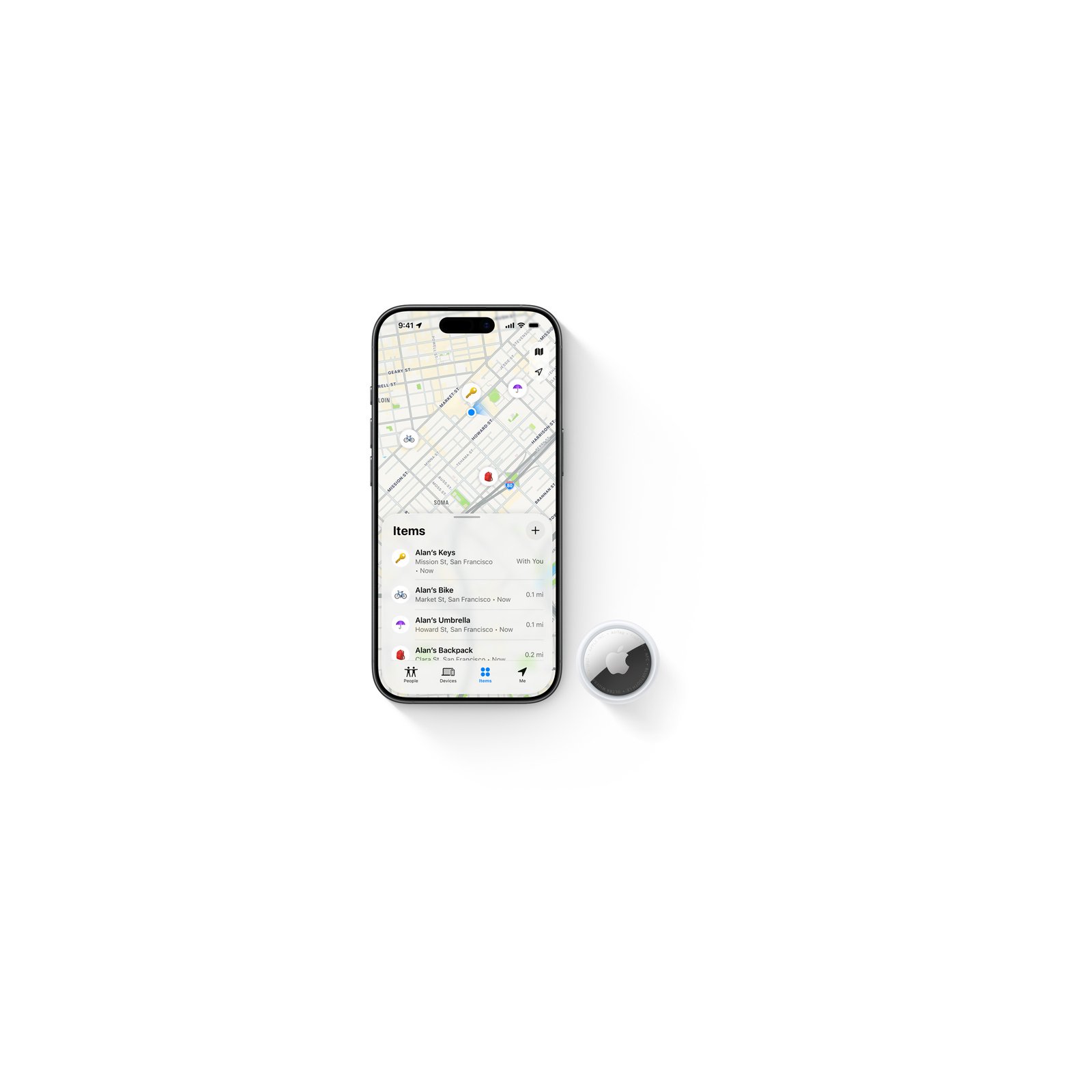
What makes it so useful, rather than merely reassuring, is the Find My network (the largest crowd-sourced finding network on earth, quietly built from the hundreds of millions of iPhones already in the world’s pockets). Your AirTag has no GPS and no SIM. It simply whispers its encrypted position to any passing Apple device, which relays it to you. In a busy European or North American airport, that means near-continuous updates: we watched a bag cross Munich’s apron and settle by the aircraft before we’d finished our coffee. The reassuring answer to the question every parent actually asks (will I know my bag made the connection?) is, most of the time, yes, before you’ve even fastened your seatbelt.
The other quiet upgrade families will feel is Share Item Location. You can share a bag’s position with up to five people, so both parents see the same map at once: no more shouting a live commentary across the terminal. Better still, more than fifty airlines now let you hand that shared location straight into their lost-baggage system, which has measurably cut both delays and genuinely-lost bags for the carriers who’ve adopted it. Precision Finding has also arrived on the Apple Watch (Series 9 and up, Ultra 2 and up), which is oddly perfect at a carousel: you follow the arrow on your wrist while both hands wrangle a passport, a toddler, and a runaway trolley.

Real-World Use (Airport / Car / Hotel)
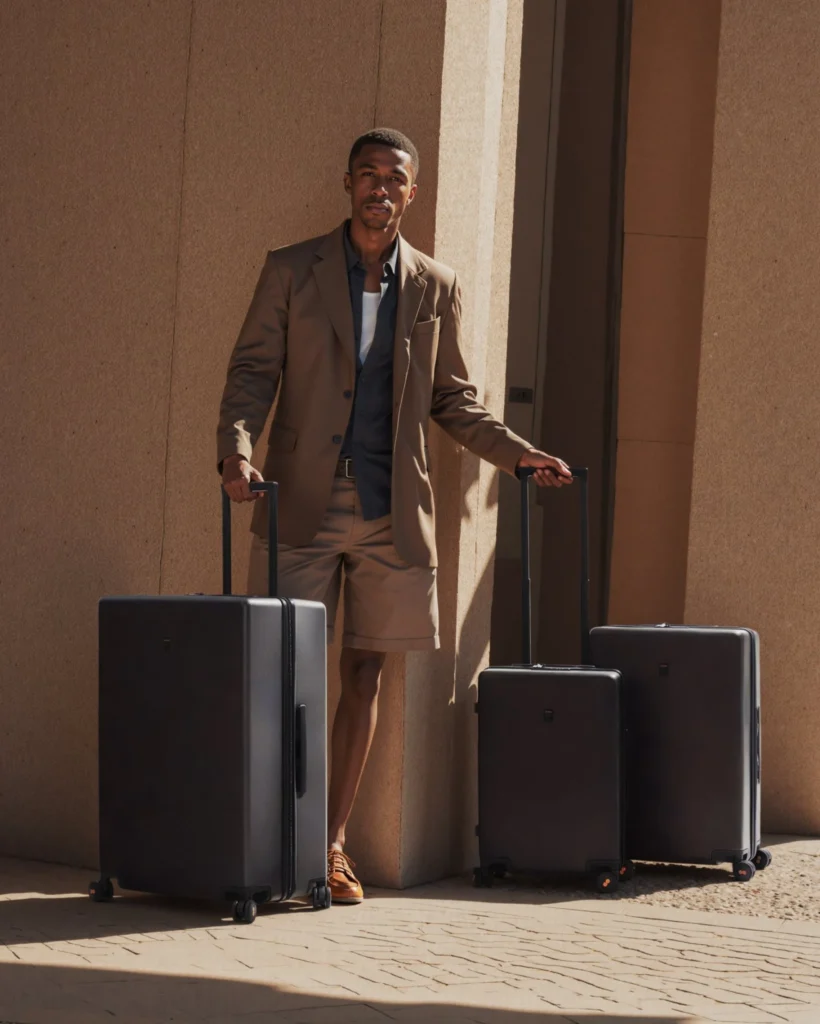
Airport: this is its stage, and it does not fluff its lines. We clipped one into each checked bag before the Faro flight, and from the moment they left our hands at drop-off we could follow them: through the maze behind the counter, onto the aircraft, and, on arrival, to the exact carousel before the belt had even shuddered into life. The louder gen-2 speaker earns its keep here: in the din of a baggage hall you can actually hear it chirp, and pinpoint the oversized ski bag that’s been dumped at the outsize-luggage desk two aisles from everyone else’s. There is a real, physiological relief to seeing the little dot moving with your plane. The waiting stops being helpless.
Car: a caveat is worth flagging. On a long family drive (especially an unusual route, and especially if one parent’s phone is the one paired to the tags while the other parent is doing the driving), the anti-stalking system can decide that a tag is “travelling with you” and fire a found-moving-with-you alert on the second phone. It is doing exactly what it should; it just doesn’t know you’re married. After the third false alarm on a motorway you start to understand the “cry wolf” complaint. It’s a nuisance, not a dealbreaker, and it is the same nuisance that keeps genuine stalking victims safe, but you should expect it.
Hotel: off-duty, the tags mostly sleep in the luggage, which is the point. But they pull a nice trick on the way home: the day-trip beach bag, the hire-car keys, the camera case that lives in a different pocket every day: a tag in each means the pre-checkout panic sweep of the room takes seconds, not the usual frantic, on-hands-and-knees reconstruction of where the four-year-old last hid the keys. One clear limit surfaced in a rural stretch of the Algarve interior: with few iPhones passing, updates slowed to a crawl for an hour or two. In cargo holds and underground sorting halls the same thing happens: the dot freezes, then jumps back to life. It is not broken; it is simply waiting for a passing phone. In the world’s emptier corners, that wait is longer.

Specs That Actually Matter
- Weight: 11.8 g per AirTag. You forget it’s in the bag.
- Dimensions: 31.9 mm diameter × 8.0 mm high: a fat coin.
- Materials: stainless-steel back, polished white plastic face; the enclosure uses 85% recycled plastic.
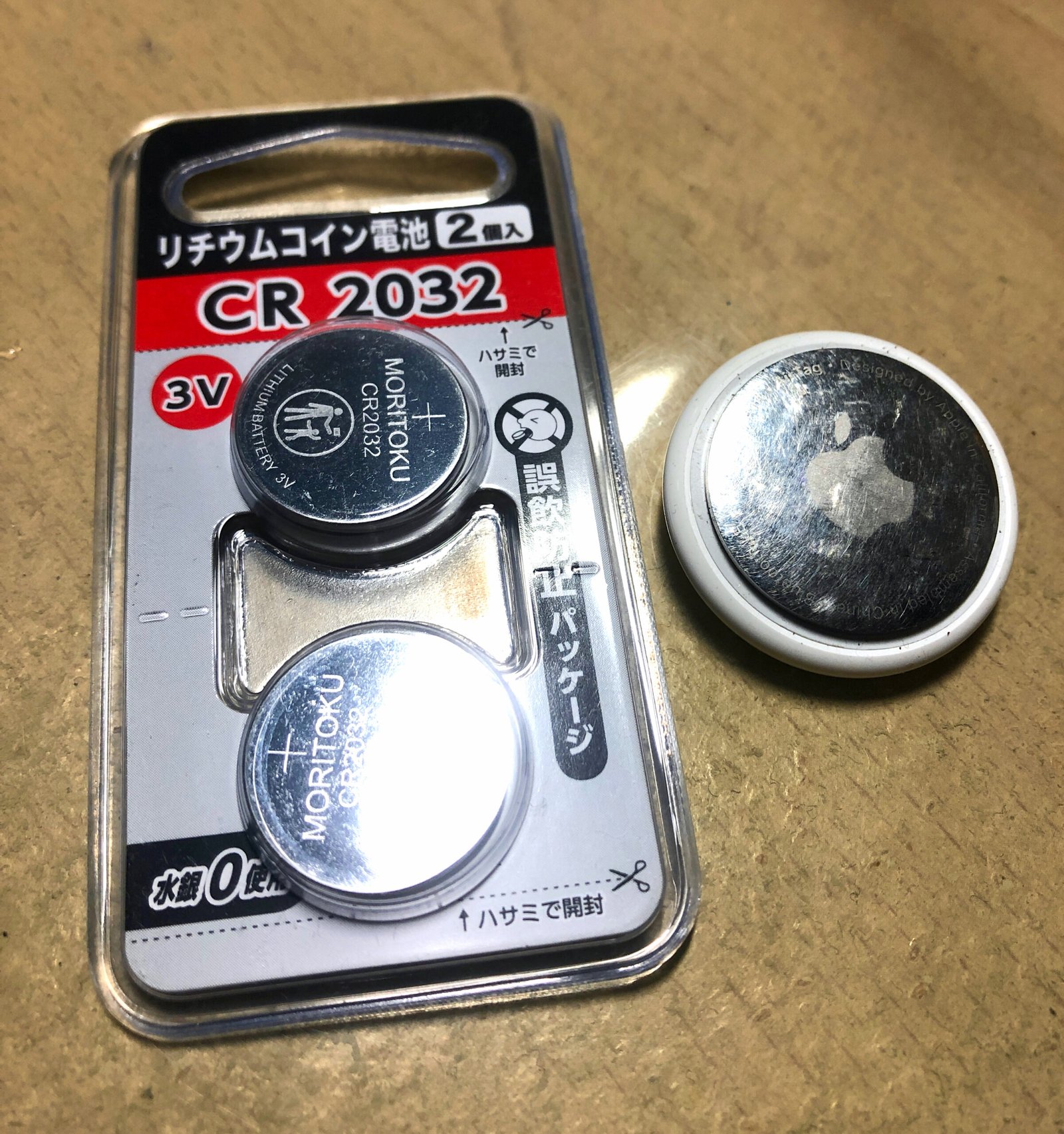
- Battery: a user-replaceable CR2032 coin cell, rated by Apple at more than a year, behind a twist-lock cover with a child-resistant mechanism. Not rechargeable: the one design choice reviewers and we both quietly resent.
- Water resistance: IP67: survives a metre of water for half an hour; fine for a rained-on rucksack or a spilled beach bag, not for the pool bottom.
- Finding: second-gen Ultra Wideband chip; Precision Finding from up to 50% farther than gen-1 (Apple’s figure), now also on Apple Watch (Series 9+/Ultra 2+). Speaker ~50% louder and bonded to the housing.
- Network: the Find My network (hundreds of millions of Apple devices). No GPS, no cellular.
- Requires: an iPhone or iPad on a current iOS/iPadOS. There is no Android setup. None.
- Warranty: Apple 1-year limited warranty, plus the EU’s 2-year statutory legal guarantee.
- Travel: allowed in both cabin and checked baggage; the coin cell is far below the airline lithium limits. Keep spare CR2032s in your carry-on.
Pros & Cons
Pros
- The Find My network is unmatched. Nothing else finds a lost bag this reliably.
- Gen-2 range and louder speaker turn “it’s somewhere over there” into “it’s 40 metres that way.”
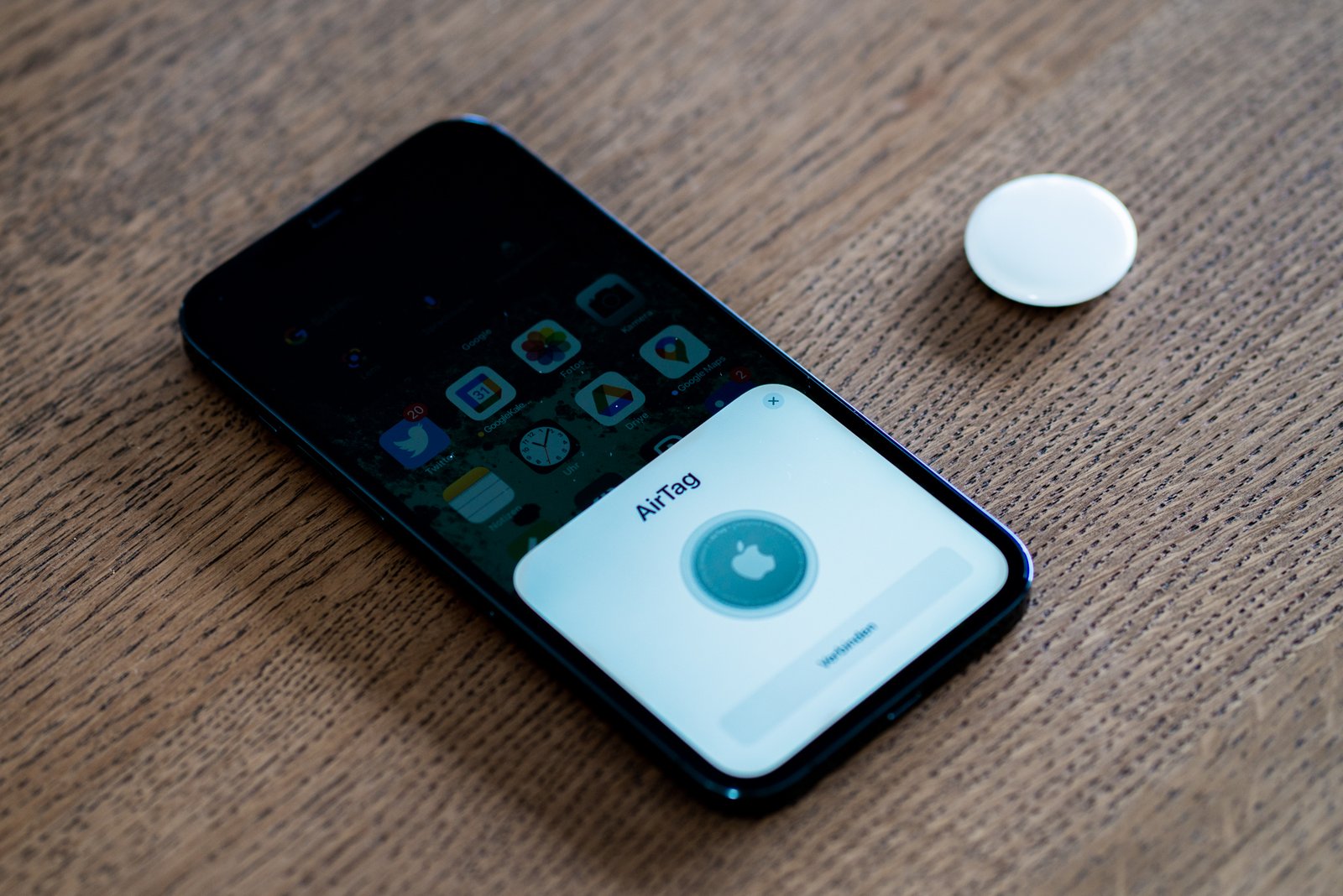
- One-tap pairing; Family Sharing lets both parents watch the same bag.
- Airline integration (50+ carriers) hands your bag’s location straight to lost-luggage teams.
- Four tags for around €85: excellent value, no subscription, ever.
- IP67, replaceable battery, and now Precision Finding on the Apple Watch.
Cons
- iPhone/iOS only: completely useless to an Android-only household. Buy accordingly.
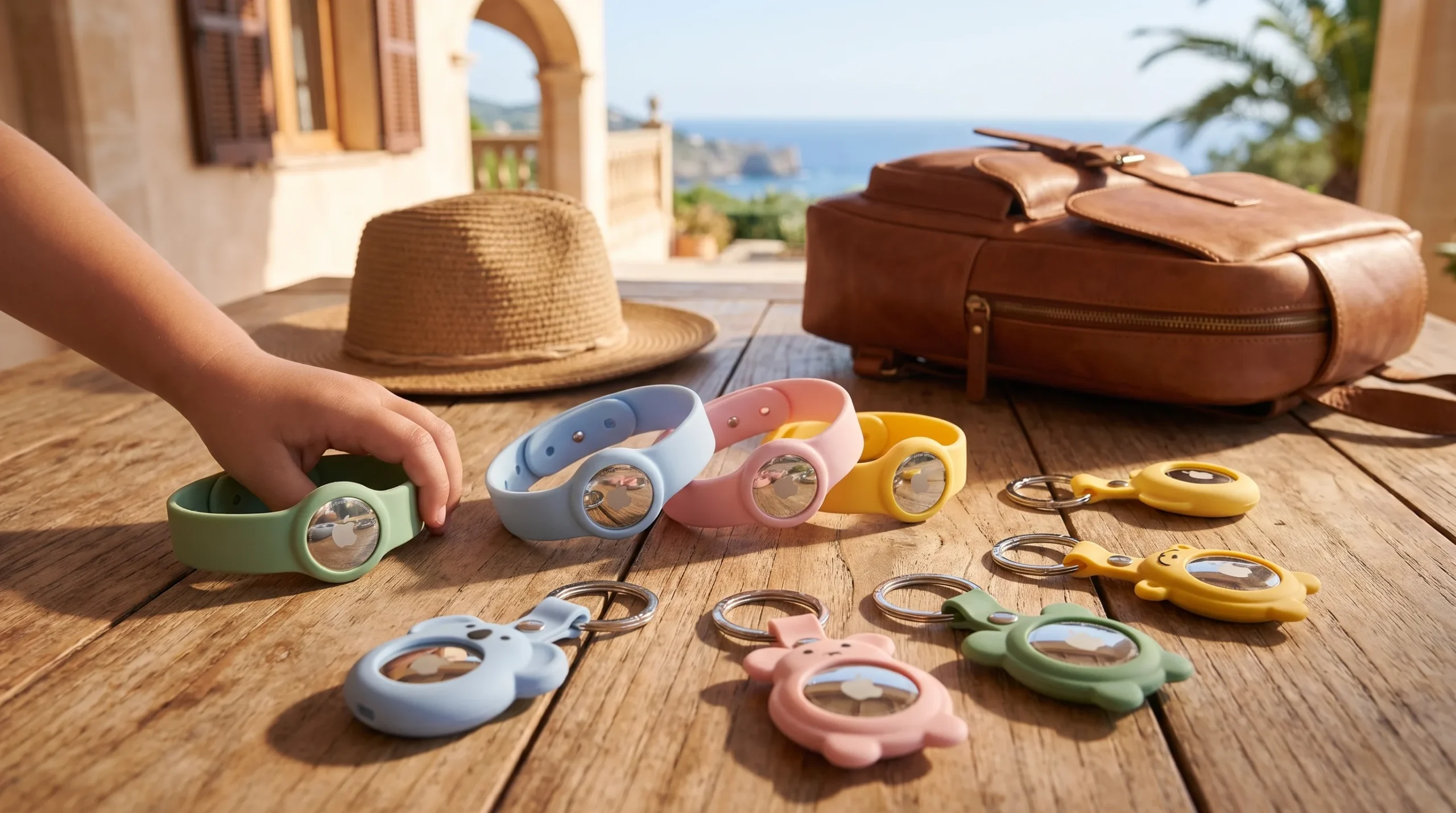
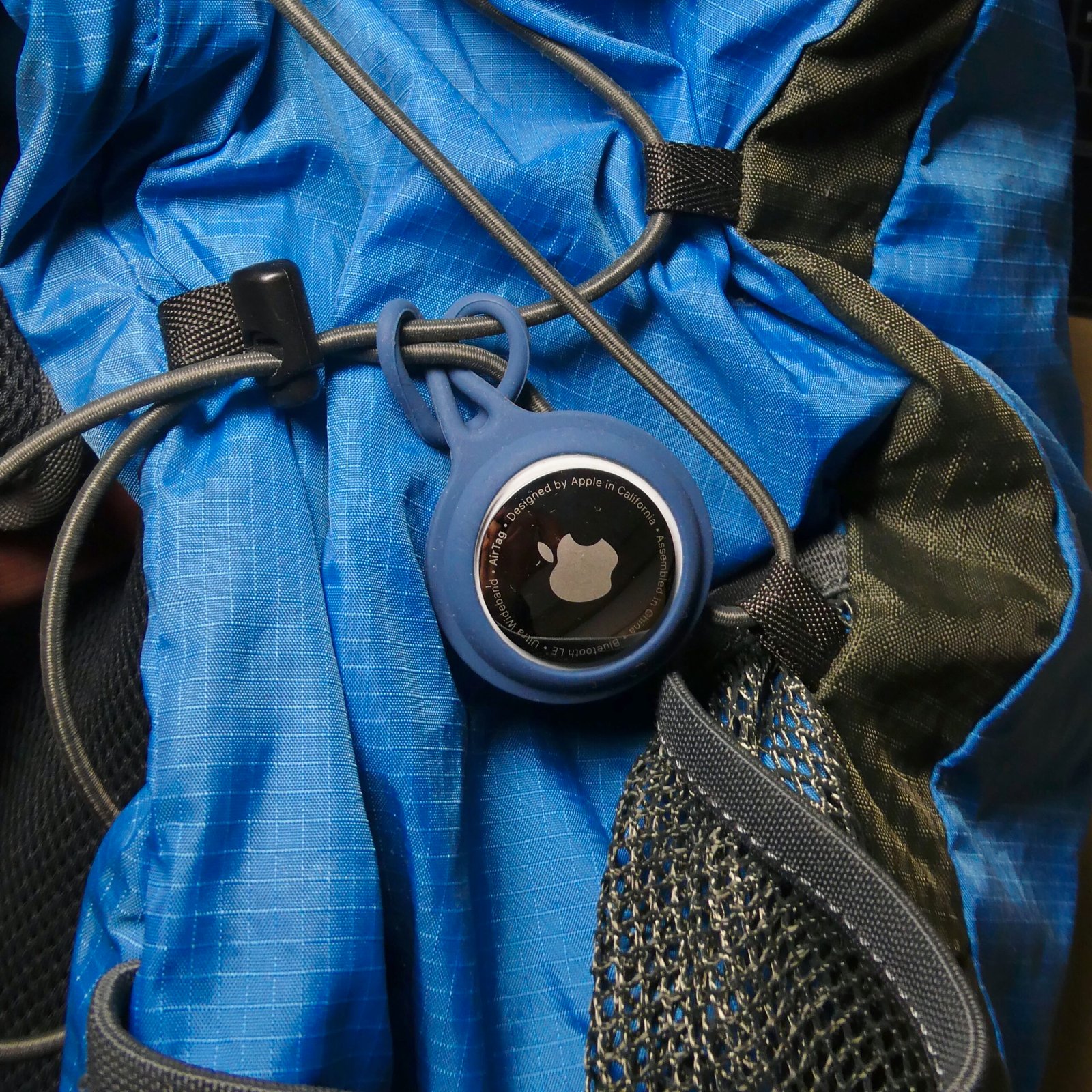
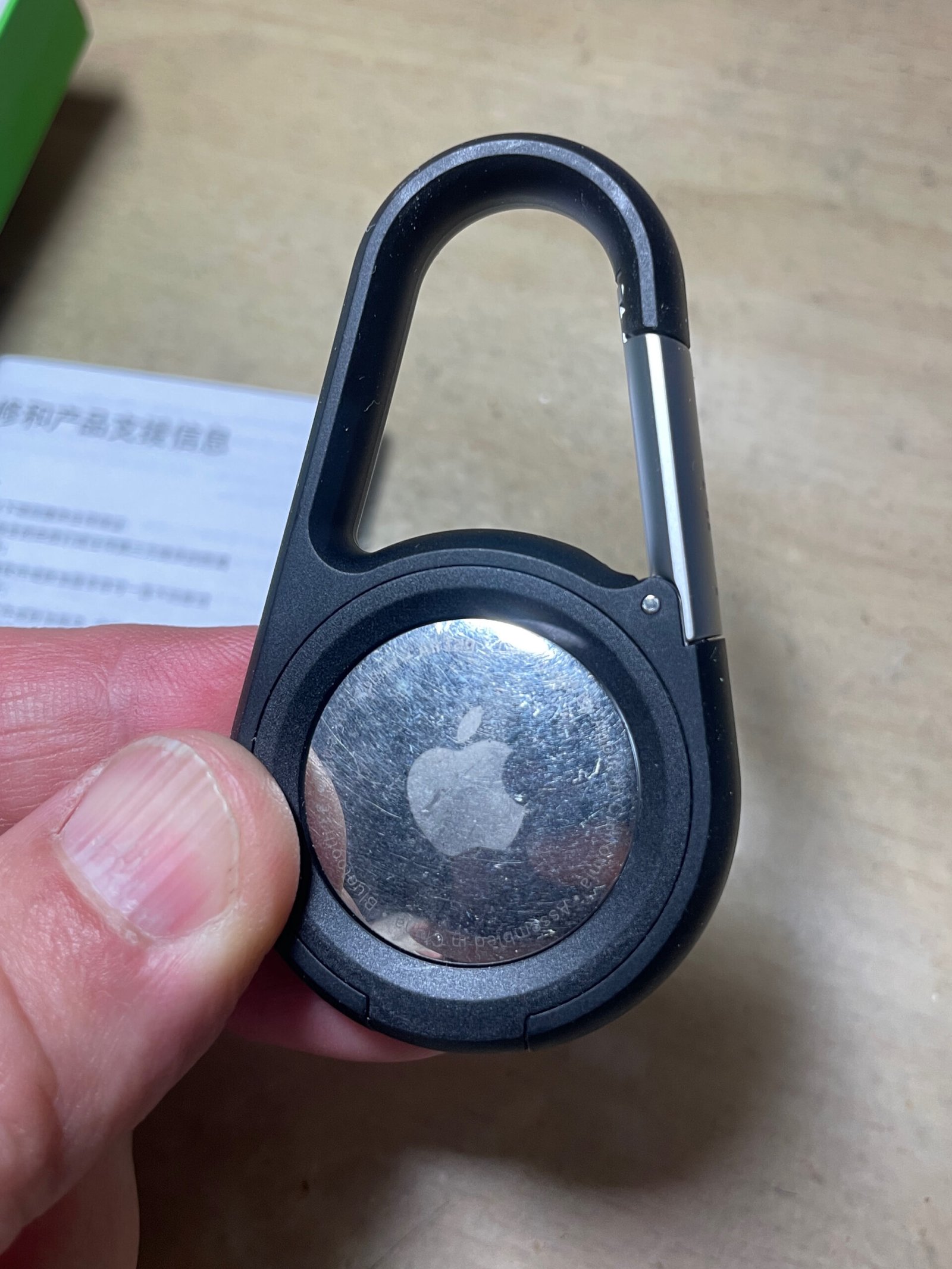
- No built-in keyring hole after five years: you must buy a holder or case for each tag.
- False “moving with you” alerts can nag a second parent on long family drives.
- The dot freezes in cargo holds and low-iPhone areas: inherent to the network, unfixable.
- Still a non-rechargeable CR2032; a swallow hazard around toddlers (see the verdict).
- It tracks things, not people: it is not a child-safety device, and shouldn’t be sold to yourself as one.
FFH Gear Score
A word before the numbers, because responsible families deserve it. The AirTag’s CR2032 coin cell is a genuine ingestion hazard: swallowed, it can cause severe internal burns within a couple of hours. Apple ships a twist-lock cover with a child-resistant mechanism and prints the required warnings on the tag, the box and inside the Find My app, and to be clear, there is no recall; the real safety story is simply the coin cell itself. Keep tags away from under-threes, store spare batteries out of reach, and consider the new child-safe CR2032 variants (with the bitter coating) that arrived in 2026. The same tag’s louder, harder-to-silence speaker and cross-platform unknown-tracker alerts (which now warn Android phones too, with no app) are the other half of using one of these thoughtfully.
- Functionality: 9.2 / 10
- Build Quality & Durability: 8.8 / 10
- Ease of Use: 9.1 / 10
- Family Practicality: 8.6 / 10
- Pricing: $$$ of $$$$$
- FFH Gear Score: 8.9 / 10

Final Verdict
If your family runs on iPhones and your holidays start at an airport, the AirTag four-pack is about as close to a no-brainer as travel gear gets: not because it is clever, but because it retires a specific, recurring dread for the price of a nice lunch. Drop one in every case and one in each child’s backpack, share the locations with your partner, buy the holders you’ll grumble about, and enjoy the small daily miracle of knowing where your things are. Be clear-eyed about the ceiling: an Android parent is locked out, the dot will freeze in the world’s emptier corners, and this is a tracker for luggage and not a leash for children: never mistake it for one. Keep it away from toddlers who can twist a battery loose. Do all that, and four tiny stainless discs will do more for your travelling sanity than almost anything else you can pack.
Gallery
Apple AirTag (2nd Generation) 4-Pack: Family Questions Answered
What is the Apple AirTag (2nd Generation) 4-Pack best for on family trips?
It’s best for tracking luggage and everyday travel essentials, not children. In real airport use, it can show where checked bags are as they move through the system and help you find them at the carousel. It’s also handy for things like a day-trip beach bag, hire-car keys or a camera case when you’re packing up a hotel room.
Do AirTag 2nd Gen trackers work with Android, or do you need an iPhone?
You need an iPhone or iPad on a current iOS/iPadOS to set up and use them. The AirTag has no Android setup at all, so an Android-only household should skip it. (Apple’s unknown-tracker alerts can warn Android phones too, but that’s a safety feature, not a way to use an AirTag as your own tracker.)
What’s actually improved on AirTag (2nd Gen) for finding things?
Precision Finding reaches farther, and the speaker is louder. Apple says Precision Finding works from up to 50% farther than the first generation, and the gen‑2 speaker is roughly 50% louder and bonded into the housing. Precision Finding also works on Apple Watch Series 9 and up, and Ultra 2 and up.
Does AirTag have GPS or a SIM card for tracking?
No, AirTag uses Apple’s Find My network rather than GPS or cellular. The tag “whispers” its encrypted location to nearby Apple devices, which relay it back to you. In busy places (like major airports), that can mean frequent updates; in low‑traffic areas, updates can slow down.
What battery does AirTag 2 use, and is it safe around toddlers?
It uses a user-replaceable CR2032 coin cell (not rechargeable), and it’s a real ingestion hazard. Apple rates battery life at more than a year, with a twist-lock cover that has a child-resistant mechanism. Still, CR2032 batteries can cause severe internal burns if swallowed. Keep tags and spare batteries out of reach, and note it’s not suitable for children under 3.
Can an AirTag survive rain, spills, or the beach?
It’s IP67 water resistant, fine for rain and spills, not for being left underwater. The rating means it can survive a metre of water for half an hour, so it’s suitable for a rained-on rucksack or a spilled beach bag. It’s not designed for the pool bottom or prolonged submersion.
Can you fly with AirTags in checked luggage and carry-on?
Yes, the article states they’re allowed in both cabin and checked baggage. The coin-cell battery is far below airline lithium limits. The guidance here is to keep spare CR2032 batteries in your carry-on, rather than packed away in checked bags.
What are the main downsides families should expect in real use?
The big ones are iPhone-only use, needing a separate holder, and occasional “moving with you” alerts. On long drives, a second parent’s phone can receive anti-stalking alerts if it thinks a tag is travelling with them. Also, because tracking relies on passing Apple devices, the location “dot” can freeze in cargo holds, underground sorting halls, or rural areas and then jump back later.
What are good FFH alternatives if you’re rethinking your family travel setup?
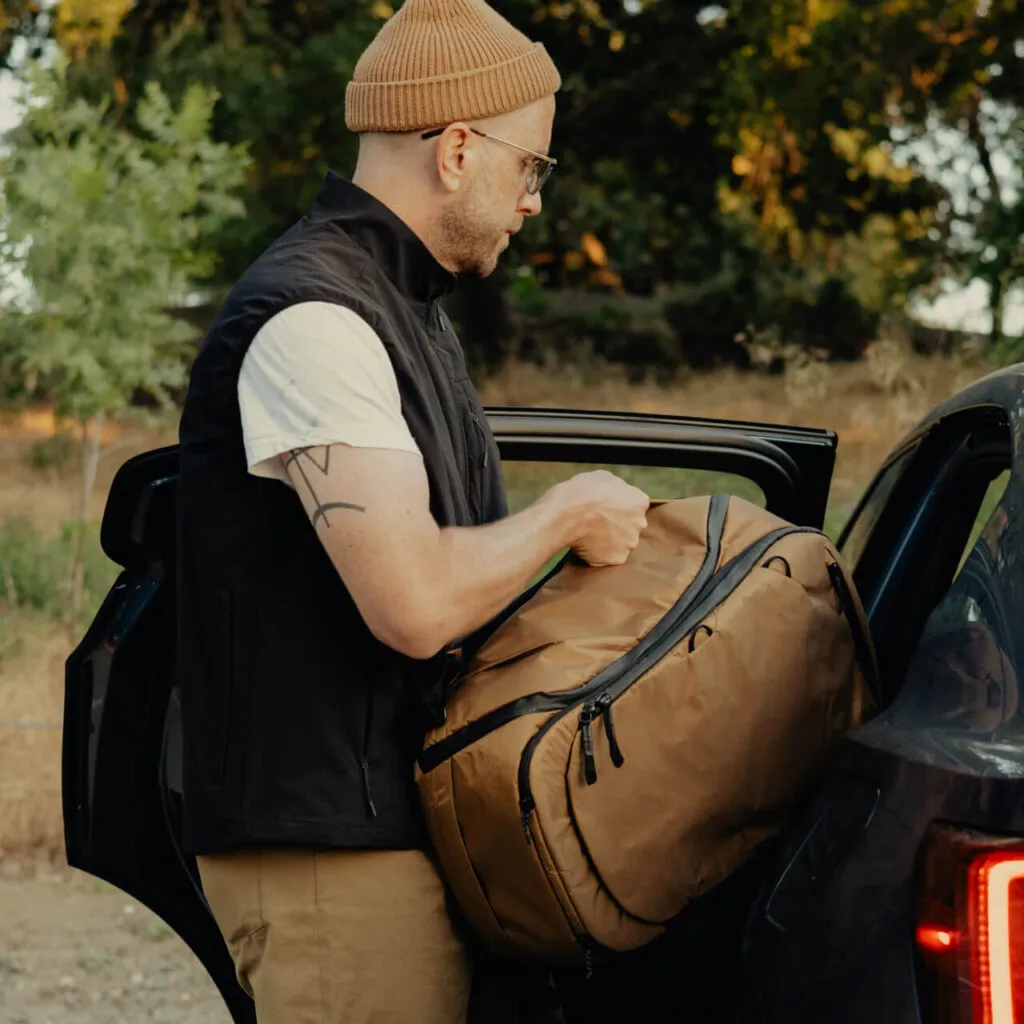
If you’re trying to solve different travel problems, consider different gear categories rather than another tracker. For smarter carry-on organisation, the Peak Design Travel Backpack 45L (pricing tier 4) is a higher-tier packing upgrade. For a kid-specific day bag, the Affenzahn Großer Freund Kids Backpack (pricing tier 2) targets children’s carry comfort, then you can choose whether to drop an AirTag inside.