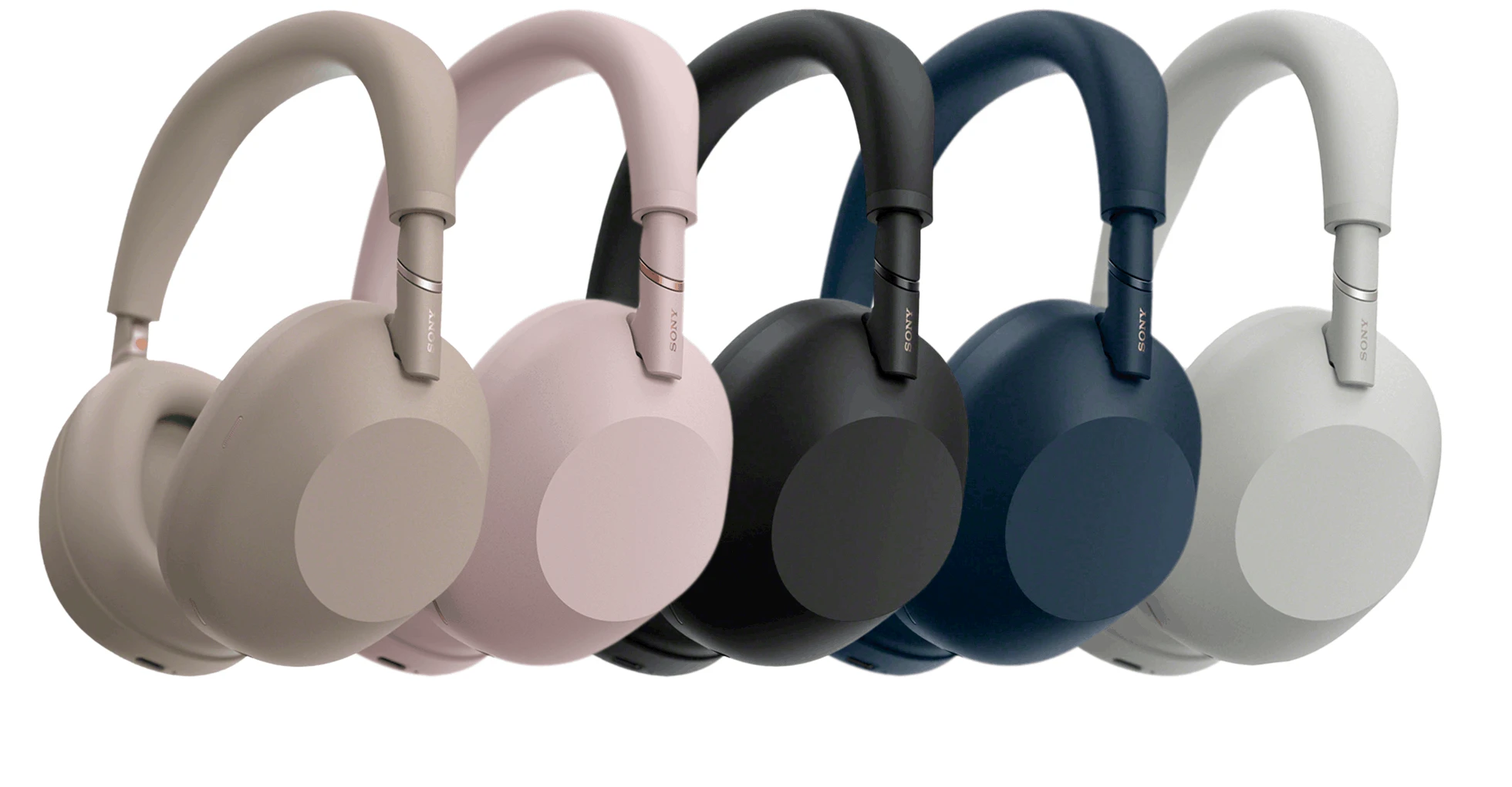
WH-1000XM6
Sony WH-1000XM6, Sony (WH-1000XM6)
254 grams, 30 hours of noise cancelling and a frame that folds again: enough to carry a teenager from Frankfurt to Singapore with charge left for the taxi queue.
Hour nine, and row 34 finally goes quiet
A long-haul twin-jet settles into a low, wide drone somewhere after the meal service, and no seatback headset has ever touched it. On our overnight flight to Singapore, twelve and a half hours gate to gate, our fourteen-year-old put the WH-1000XM6 on over the Black Sea and lifted an ear cup exactly twice: once for the breakfast trolley, once to dispute ownership of the window blind.
That scene is the whole product. Sony’s sixth generation of the 1000X line is a closed, over-ear headphone built to delete that drone, and it does so more completely than anything else we have packed for a family flight. It is also an adult product priced like one. On amazon.de it was listed at €347 when we checked on 31 October 2026, against a list price of €379, and the argument for spending that sits with teenagers and parents. For anyone under twelve, read the section on volume before reading anything else.
Silence is a logistics tool, not a luxury
Most people buy noise cancelling for music. We buy it for the arrival. A teenager who has spent twelve hours inside the roar of two engines lands grey, wired and spoiling for a fight; one who has slept in something close to quiet walks through immigration in a mood we can still negotiate with. That difference is worth more to our first day than the lounge, and it costs less.
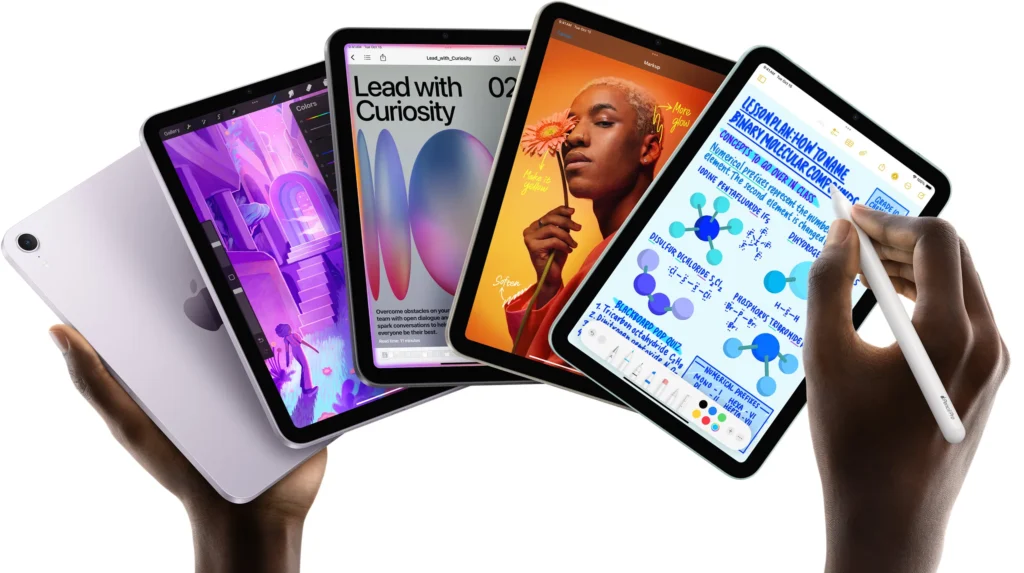
The second reason is the Bluetooth menu. The XM6 holds two devices at once, so our teen watches a downloaded series on the iPad mini while the phone stays paired for the message from the parent three rows back. No re-pairing ritual at 2 am, no tablet passed across the aisle with a sigh. Small thing. Over a twelve-hour night it quietly removes a dozen small negotiations that would otherwise have woken the whole row.
For the parent, the same pair turns a hotel room shared with a sleeping eight-year-old into a workable office. We took a 7 am call from a bathroom in Mauritius with the extractor fan running, and the other side heard us, not the fan.
Seat 34K, the autobahn and the hotel bed
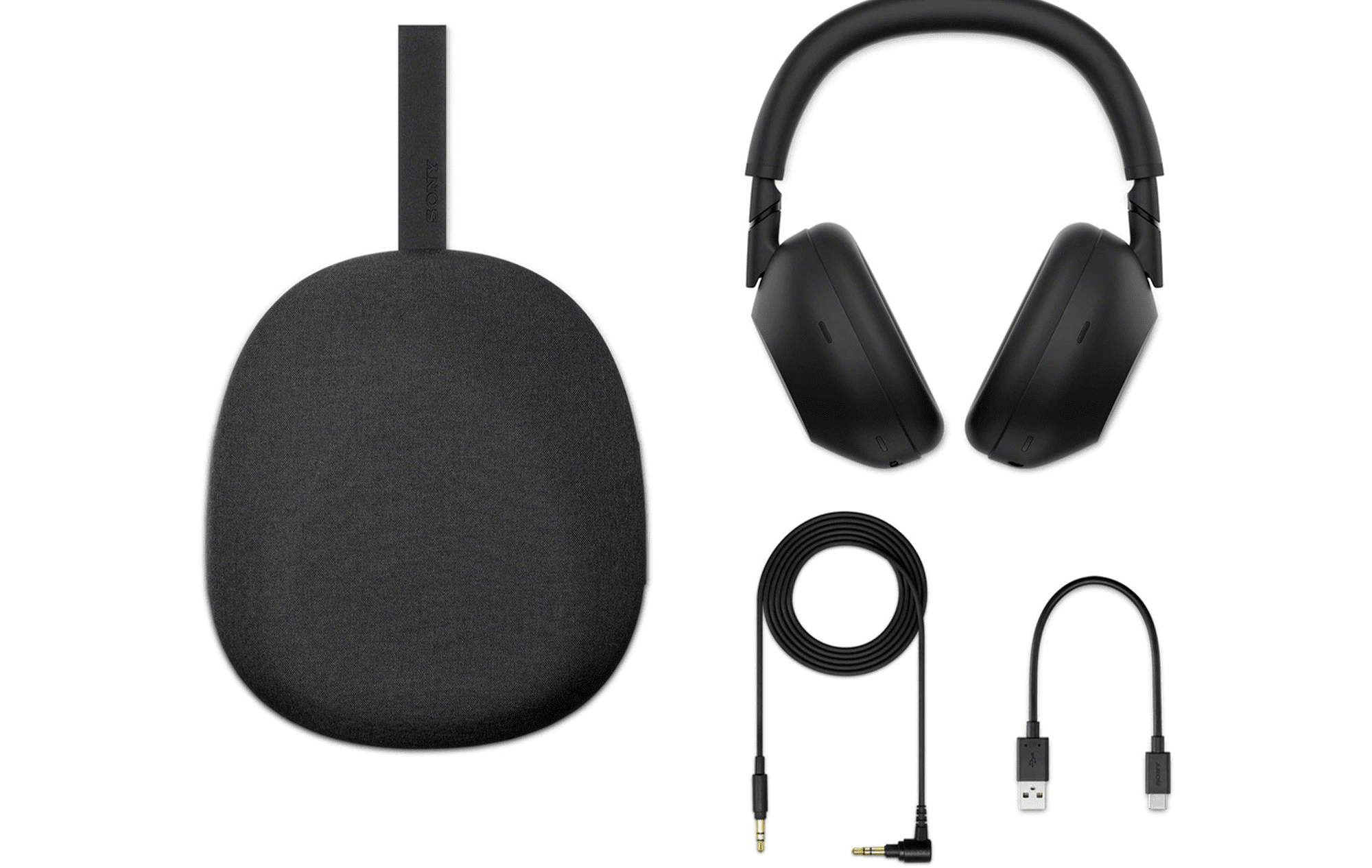
On the plane the XM6 does its best work. Bluetooth covers the tablet; for the seatback screen, a 3.5 mm cable plugs straight into the armrest socket. Older cabins still use the two-prong jack, so a two-prong adapter, under €10, now lives permanently in our tech pouch. On descent our teen once felt that faint, stuffy pressure that strong cancelling produces in some ears. Switching to ambient mode for the last forty minutes fixed it, and the same mode lets a cabin announcement through without the cups coming off.
In the car the case is weaker. Road noise on a two-hour autobahn transfer drops away convincingly, yet that is exactly the stretch where we want a teenager to hear the conversation, the junction we just missed, the plan for lunch. We let them use it for the last hour. The first hour of any transfer is family time, and on that point we have stopped pretending otherwise.
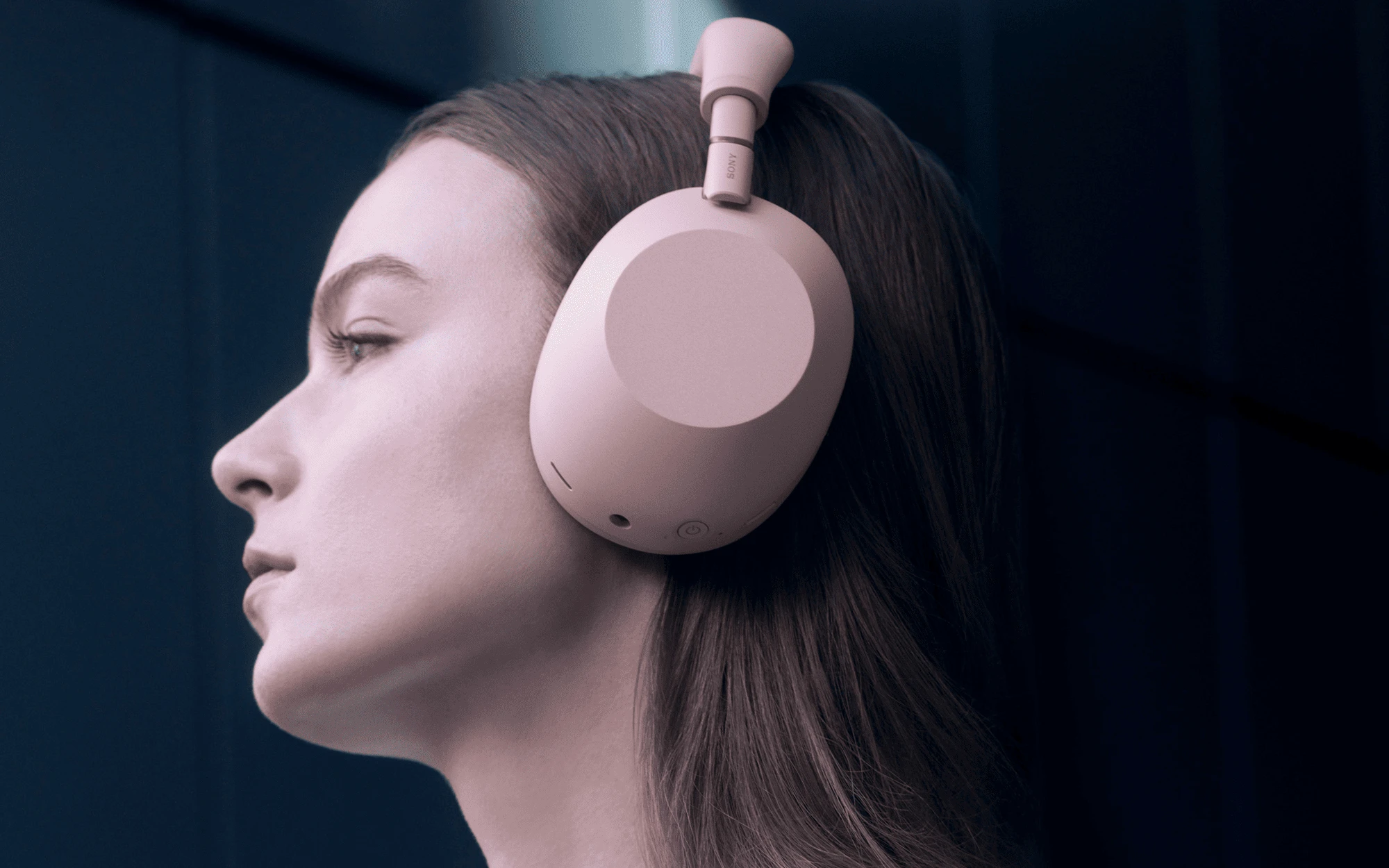
In the hotel it splits the room. Through a thin connecting door it turns a toddler’s bedtime protest into something we can ignore for long enough to finish a book. Nobody sleeps on their side in these, though: the cups are too deep for a pillow. And there is no water-resistance rating, so the pool deck, the beach bag and the ski lift are out of scope, and between flights the pair stays in the room, zipped into its case on the desk.
The numbers that decide it
- Weight: 254 g.
- Battery: up to 30 hours with noise cancelling on, up to 40 hours with it off.
- Charging: USB-C.
- Connection: Bluetooth 5.3, with LDAC, AAC and SBC codecs.
- Multipoint: two devices paired at the same time.
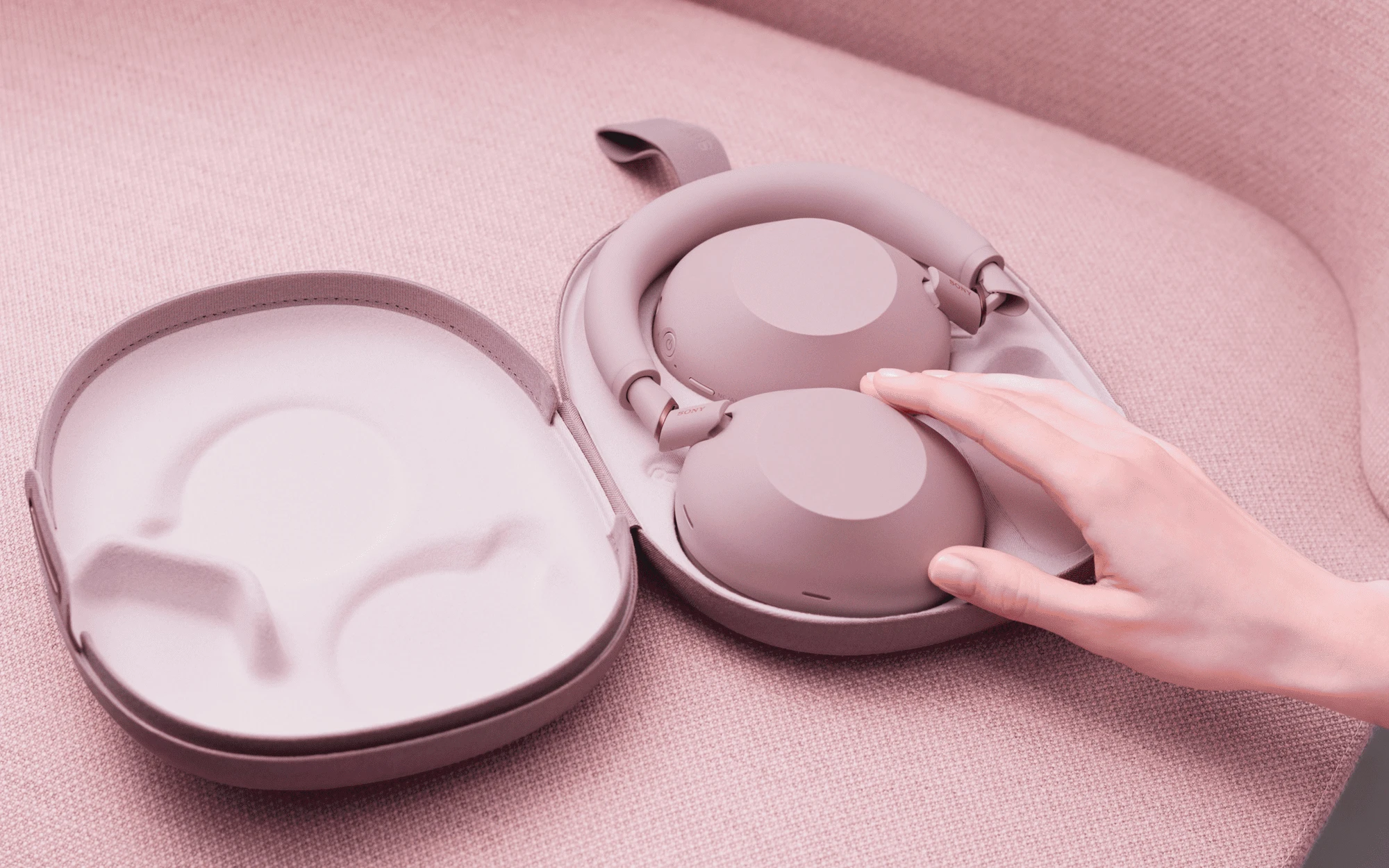
- Packing: folding frame with a magnetic-closure carry case.
- Materials: vegan leather ear pads and headband, plastic housing and arms.
- Volume limit: set in Sony’s companion app; no EN 50332 hardware cap for children.
- Warranty: 2 years in the EU.
The battery figure is the one that matters for families. Frankfurt to Sydney via Singapore is roughly 21 hours in the air, plus a layover spent half asleep on a bench, and 30 hours of cancelling covers all of it without a top-up. The return of the fold matters almost as much. The previous generation lay flat but did not collapse, and its case ate a noticeable slice of a teenager’s backpack; the XM6 case is smaller and closes with a magnet, which means it closes at all when packed by a fourteen-year-old.
What €347 does not buy
The first cost is the one we take most seriously. There is no hardware volume limit. Headphones built for children are usually capped at 85 dB; the XM6 caps volume only through a setting in the app, and anyone who holds the phone can switch it off again. On a twelve-hour flight that is a lot of exposure. Before every trip we set the cap in the app, switch on the phone’s own loud-audio limit and lock it behind parental controls. Ten minutes at the kitchen table, and it is the only part of owning these we would call non-negotiable.
The second is arithmetic. One pair for a teen is €347. A pair each for parent and teen is €694, and a family of four in matching Sony is €1,388, which buys a lot of hotel. We fly with one XM6 for the teenager and let the adults share a second pair by the leg of the journey; younger children get a cheaper, hardware-capped kids’ headset.
Then the build. The arms and housing are plastic, light and well finished, but a drop onto a tiled arrivals hall floor is the kind of thing a two-year warranty will not cover, and a replacement pair is €347 again. The rule in our house is simple: off the head, into the case, every time. Finally the pads. Vegan leather is soft on a cold cabin flight and warm in a tropical transfer van, where our teen wore them round the neck after ten minutes.
Parents always ask about the Bose QuietComfort Ultra next. We have flown with both. The Bose clamps more gently, which some teenagers notice by hour six; the Sony is the quieter of the two against low engine drone in our ears, and Android families get LDAC. If comfort over a very long day decides it for your teen, choose Bose; if the drone of a night flight is the enemy, the XM6 is the pair we pack.
FFH Gear Score
- Functionality: 9.2 / 10.
- Quality & Durability: 8.2 / 10.
- Ease of Use: 8.7 / 10.
- Family Practicality: 8.0 / 10.
- Preisklasse: $$$$ von $$$$$.
- FFH Gear Score: 8.5 / 10.
If we were booking the long-haul tomorrow
For a family with a teenager and a flight longer than eight hours, we would buy one XM6 for the teen this week, set the app cap and the phone limit the same evening, and pack a two-prong adapter in the case. Parents who work on the road should add a second pair before they add a lounge pass. Under twelve, buy a capped kids’ headset instead: the XM6 is too big for small heads and the volume protection is too easy to remove.
Skip it if the longest flight of your year is Palma, if your trips are mostly car journeys, or if your teenager has already left two pairs of earbuds in seat pockets this year. In those cases €347 buys more family travel spent somewhere else, and a pair of mid-range noise cancelling headphones does the short-haul job well enough.
Galerie
Sony WH-1000XM6: family travel questions
Who is the Sony WH-1000XM6 best for on family trips?
Teenagers from about 13 and parents on long-haul flights. The XM6 removes low engine drone better than any headphone we have packed, the 30-hour battery covers a full Europe to Asia or Australia journey, and two-device multipoint keeps a phone and a tablet paired at once. Families whose longest trip is short-haul or a car journey get far less from the €347 price.
Are the WH-1000XM6 suitable for children?
We recommend them from 13. Sony sets no minimum age, but the headband and cups are sized for adult heads, and the headphones carry no EN 50332 hardware volume cap of the kind children's headphones use. For younger children we pack a hardware-capped kids' headset instead and keep the XM6 for the teenager and the parents.
Do the WH-1000XM6 have a volume limit for teenagers?
Only in software. A volume cap can be set in Sony's companion app, but anyone holding the phone can switch it off. Before each trip we set that cap, turn on the phone's own loud-audio limit and lock it behind parental controls, which takes about ten minutes. Children's headphones are capped at 85 dB in hardware; the XM6 is not.
How heavy are the WH-1000XM6 and do they fold for hand luggage?
They weigh 254 g and, unlike the previous generation, the frame folds. They travel in a carry case with a magnetic closure that fits a teenager's backpack alongside a tablet. Measure the backpack's laptop sleeve before you buy a new bag around them; the case is compact for an over-ear model but still bulkier than an earbud case.
Can the WH-1000XM6 be used with in-flight entertainment screens?
Yes, with a 3.5 mm cable plugged into the armrest socket. Older aircraft still use the two-prong airline jack, so we keep a two-prong adapter, under €10, inside the headphone case. Over Bluetooth they pair with a tablet for downloaded films, and multipoint keeps the phone connected at the same time.
How long does the WH-1000XM6 battery last on a long-haul flight?
Up to 30 hours with noise cancelling on and up to 40 hours with it off, charged over USB-C. That covers Frankfurt to Sydney via Singapore, roughly 21 hours in the air, plus the layover, without recharging. We still top them up in the hotel on arrival so the return flight starts full.
How durable are the WH-1000XM6 for teenagers?
Well finished but not tough. The arms and housing are plastic and the pads are vegan leather, so a drop onto a hard floor is the real risk, and accidental damage sits outside the two-year EU warranty. Our rule is off the head and into the case every time. There is no water-resistance rating, so keep them away from the pool and the beach bag.
What are the main drawbacks of the WH-1000XM6 for families?
Three. The volume limit is app-based and removable, which matters for younger teens. The price adds up fast: €347 per pair on our check date means €694 for a parent and a teen. And the vegan leather pads get warm in tropical heat, while the deep cups make side sleeping uncomfortable. For short-haul families, cheaper noise cancelling headphones do enough.
Should a younger sibling get the WH-1000XM6 or a kids' audio setup like the Yoto Player or a Fire HD 10 Kids tablet?
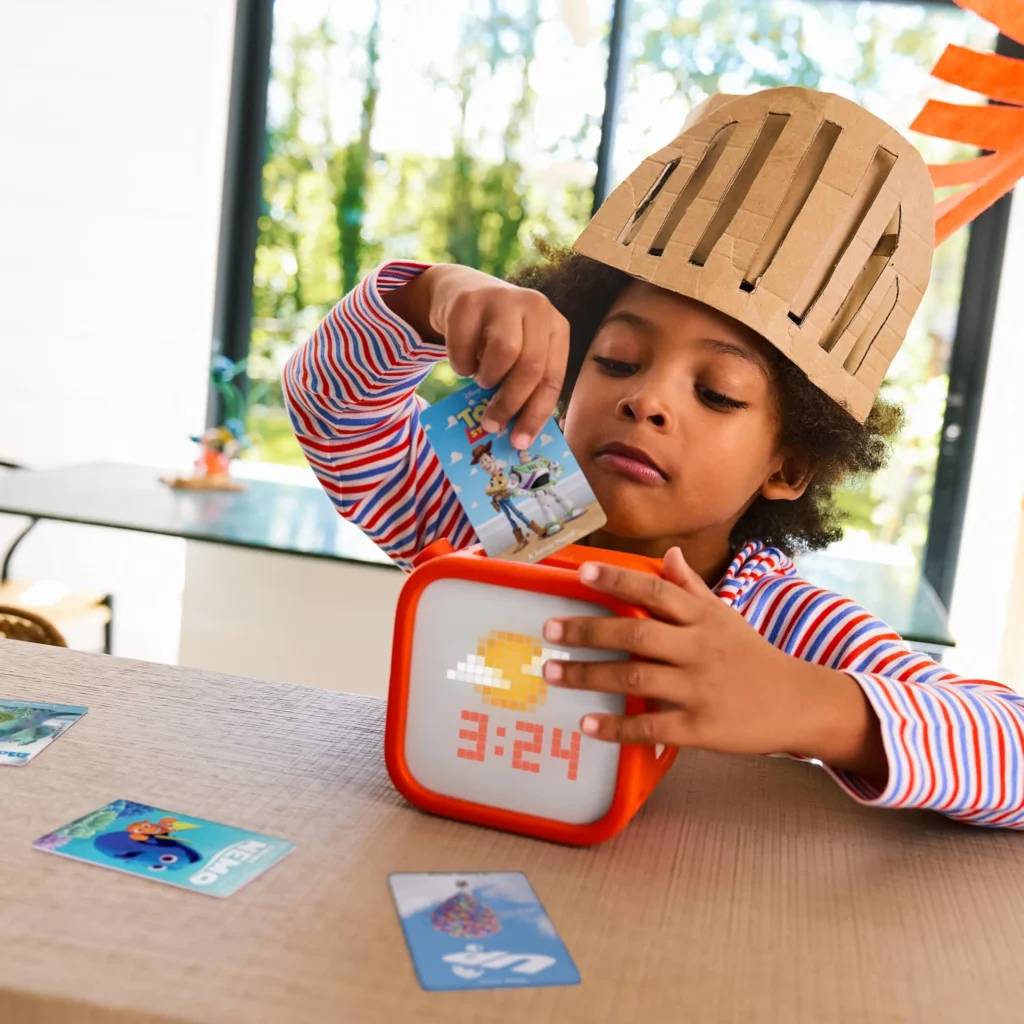
A kids' setup, every time below about 12. The Yoto Player (3. Generation) plays stories through its own speaker with no headphones at all, and the Fire HD 10 Kids tablet pairs with a hardware-capped kids' headset. The XM6 is the teenager and parent choice: deeper silence, a 30-hour battery and multipoint, at €347 per pair.