Overview
Most family safaris force a small negotiation before breakfast: can the youngest child join the drive, will nap time collide with the game vehicle, and how much of the day must bend around other guests? Morukuru Family Madikwe removes that negotiation. Each booking takes an entire bush house, its vehicle and its crew, so the day belongs to one family rather than a lodge timetable. That changes the texture of a safari more than another marble bathroom ever could. A dawn drive can be shortened for a toddler, lunch can move to the shade when everybody has reached their limit, and a child who wants to spend the afternoon identifying tracks can be taken seriously instead of parked in a generic club.
The setting is Madikwe Game Reserve, a 75,000-hectare, malaria-free Big Five reserve on South Africa’s Botswana border. Morukuru operates three separate houses here: two-bedroom Owner’s House, River House with three king rooms and a four-bed bunk room, and five-bedroom Farm House. They do not share pools, dining rooms or vehicles. The model is lavish, private and unapologetically expensive. It is also one of the rare top-tier safari stays where a one-year-old is not treated as an operational complication, and that is a meaningful distinction for families who want the bush before their children are school-aged.
Our verdict is that this is a superb choice for a family or multigenerational group able to use the whole-house format. Service, guiding and food have an unusually deep body of praise in guest feedback, while the flexible, all-ages approach gives it a real advantage over shared camps with fixed drive rules. The caveats are tangible: it is remote, every house has a limited dining universe rather than a restaurant collection, and one recent luxury critic found parts of Farm House’s bedroom design cramped and too exposed. Treat the pool as family water time, not a supervised resort facility, and book with a clear understanding of the rate and cancellation terms.
Location & Accessibility
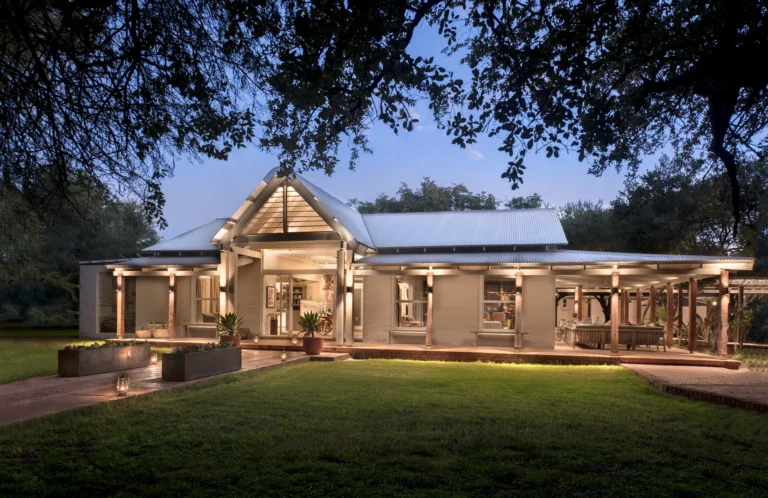
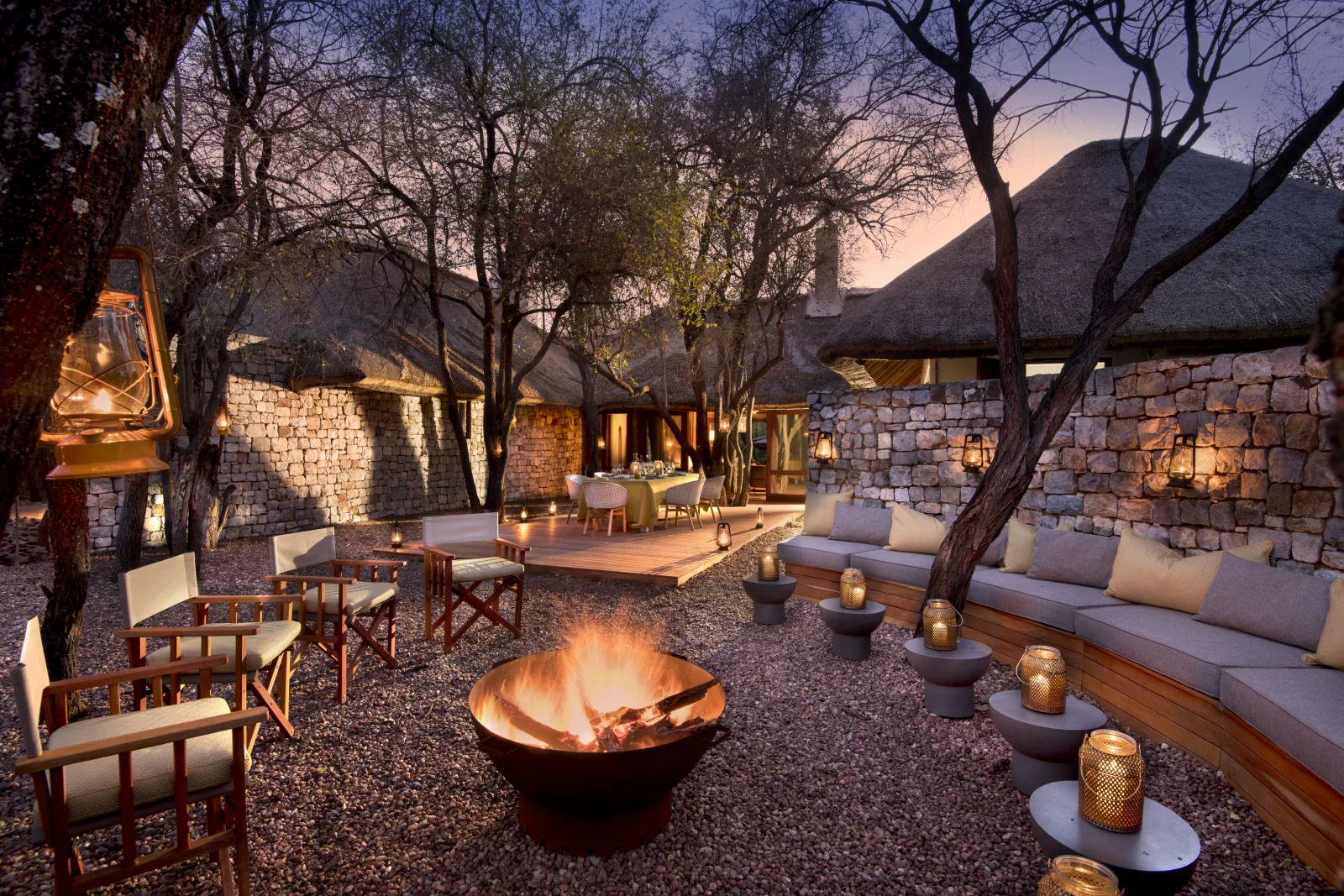
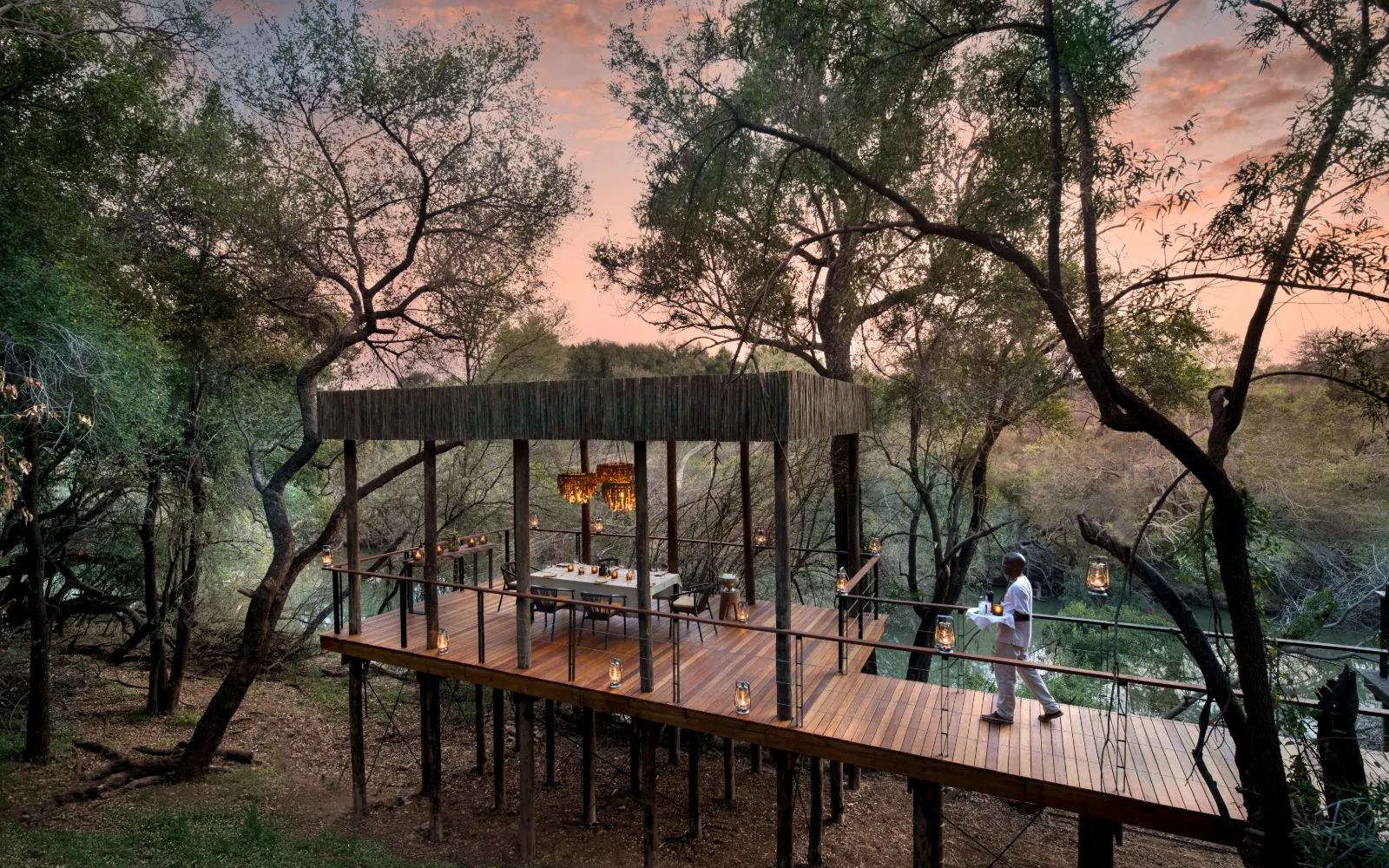
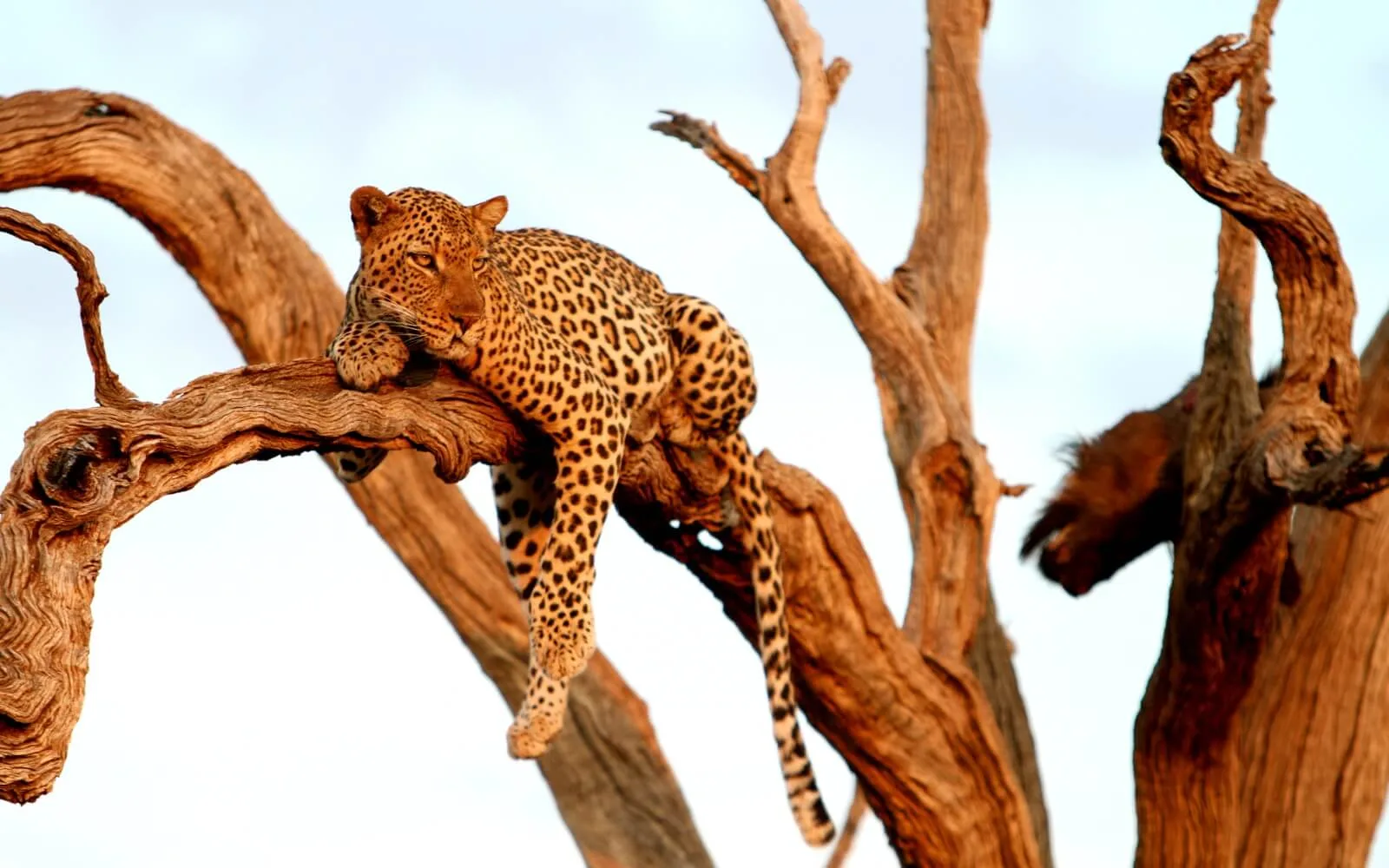
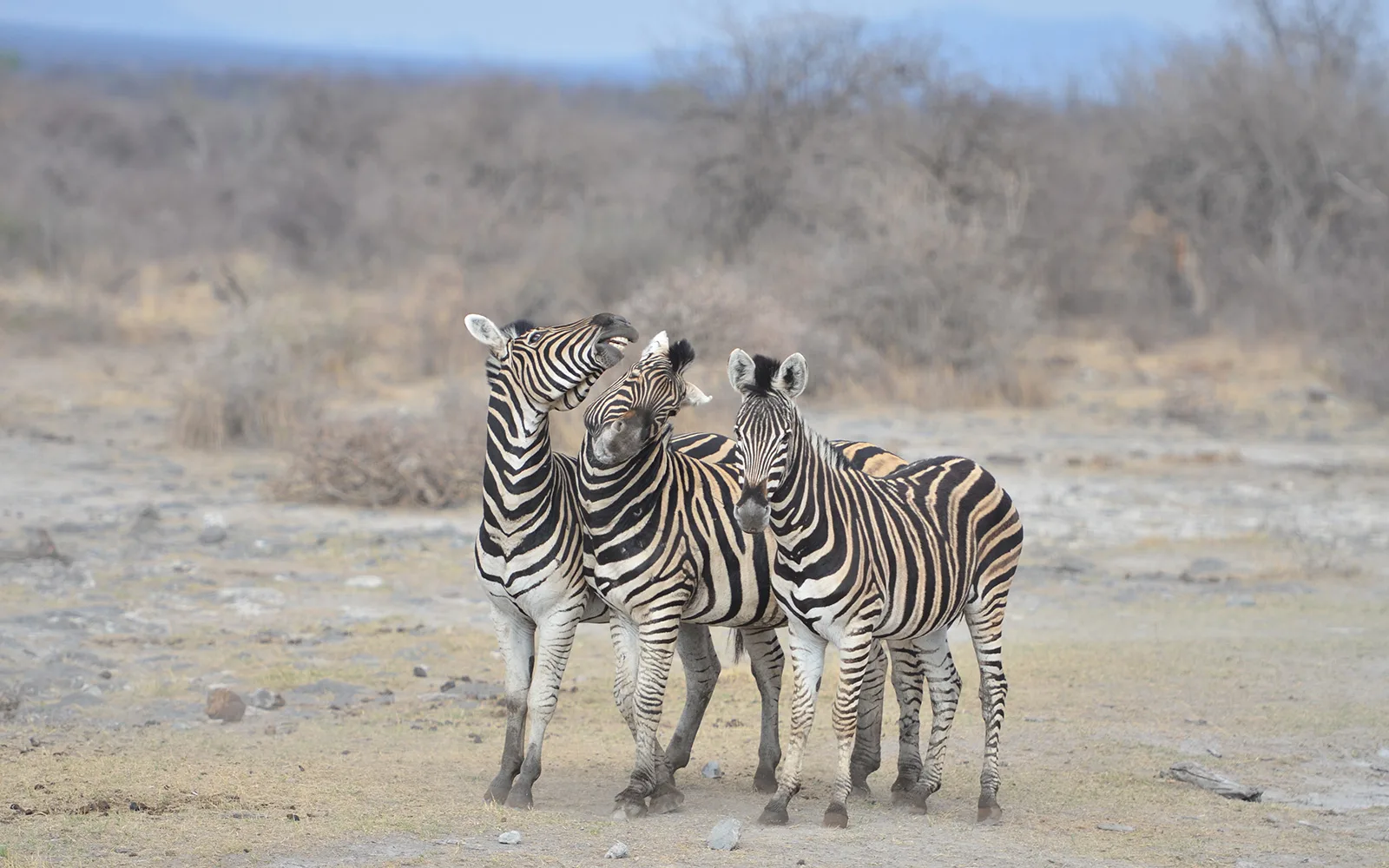
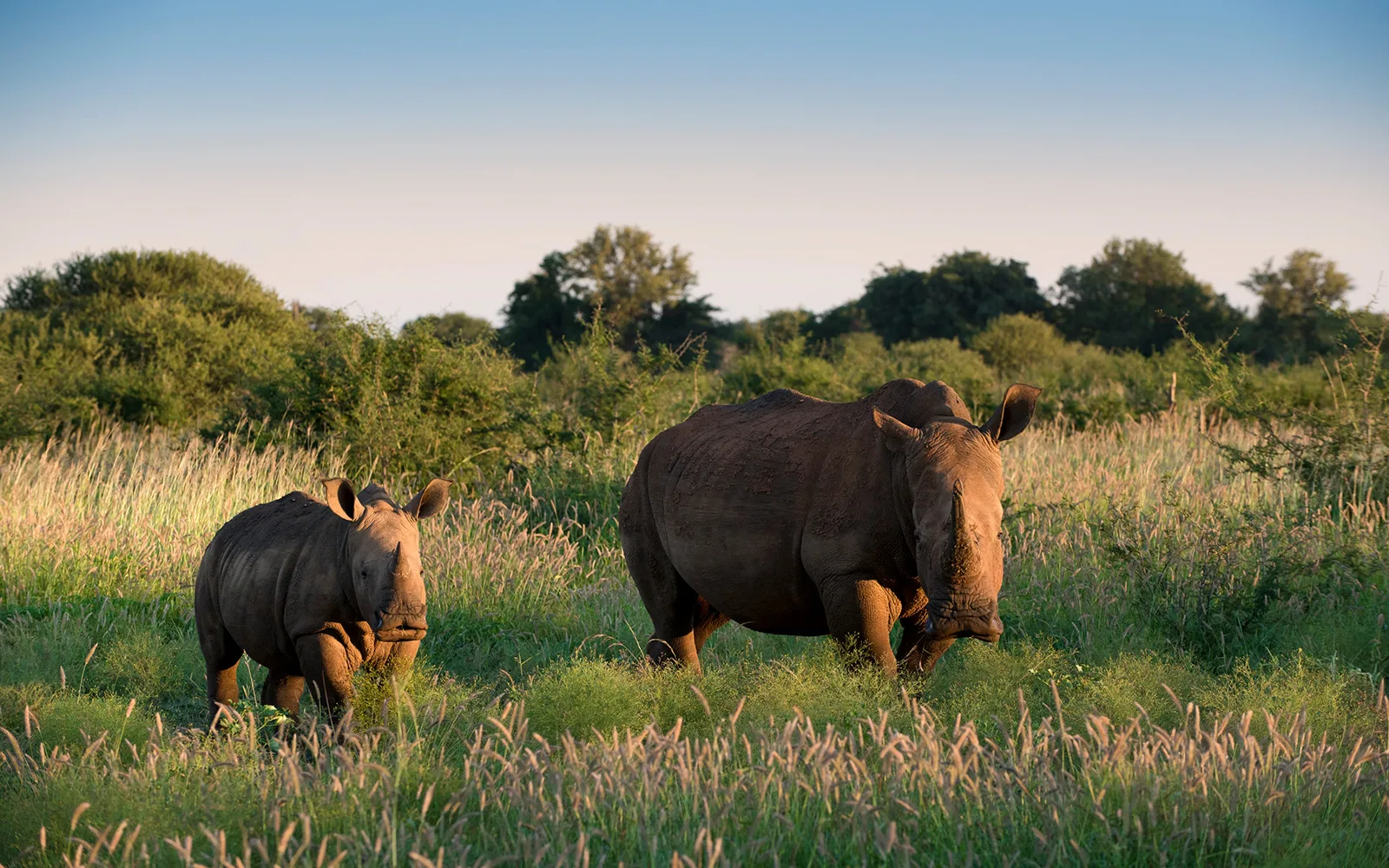
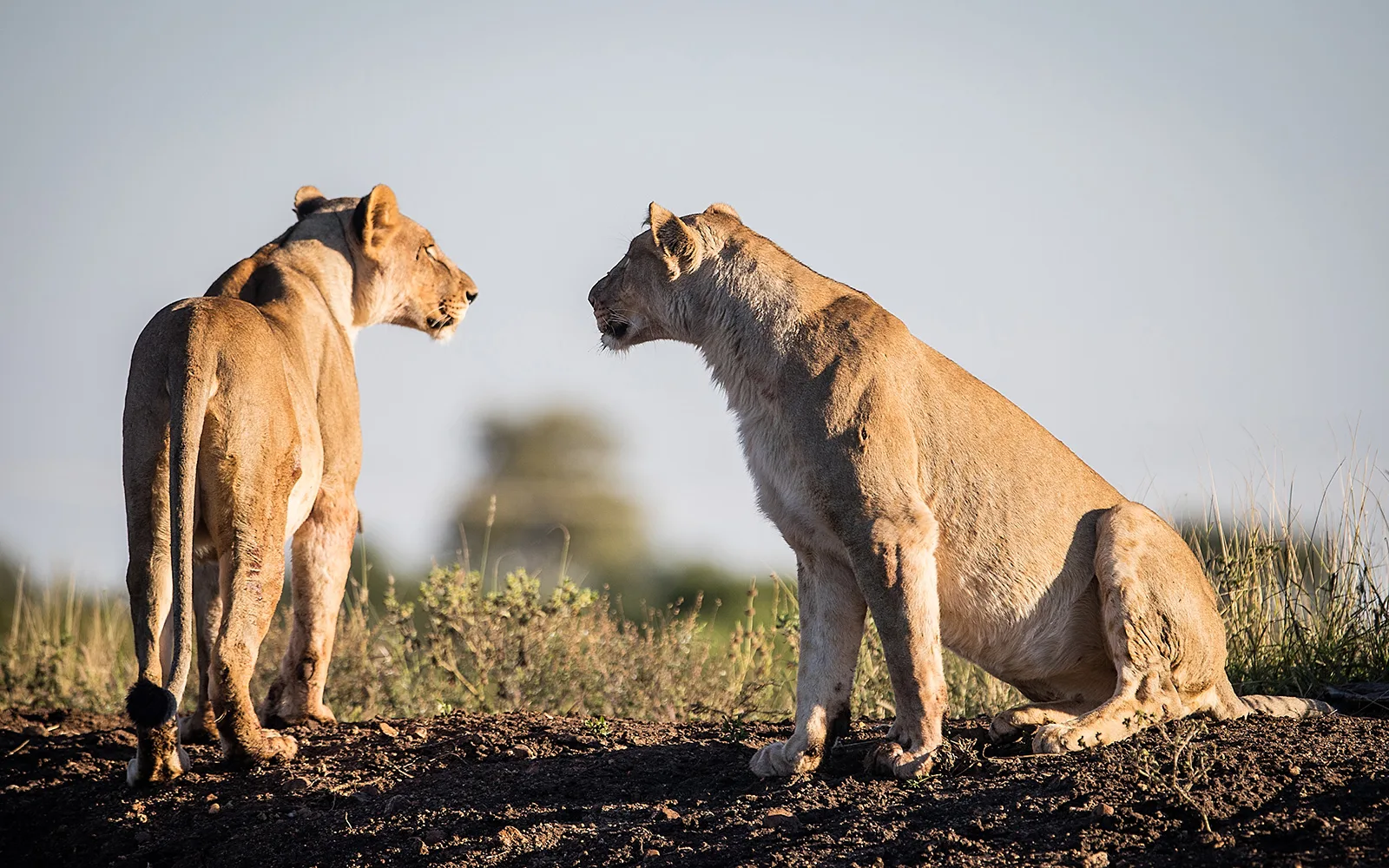
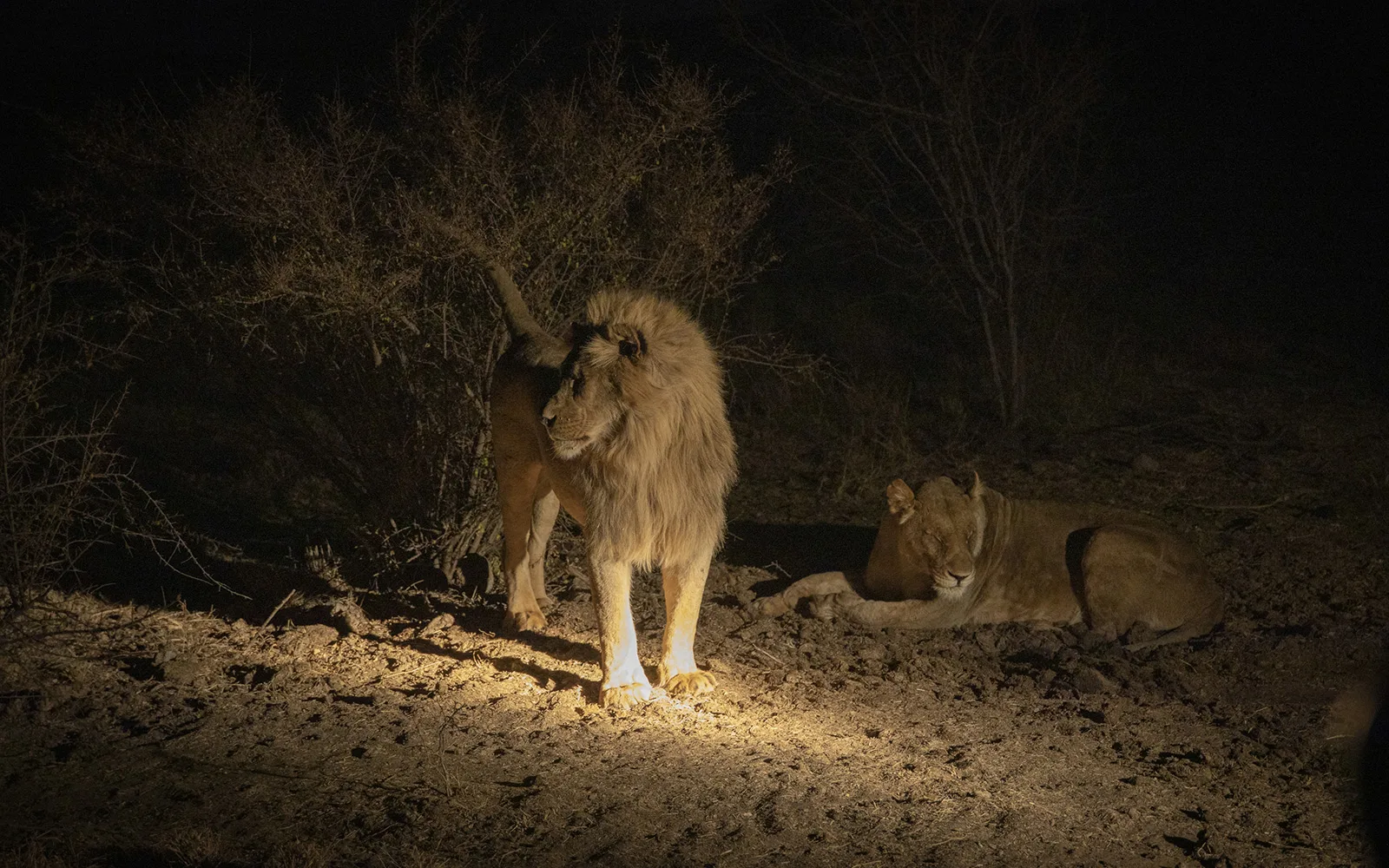
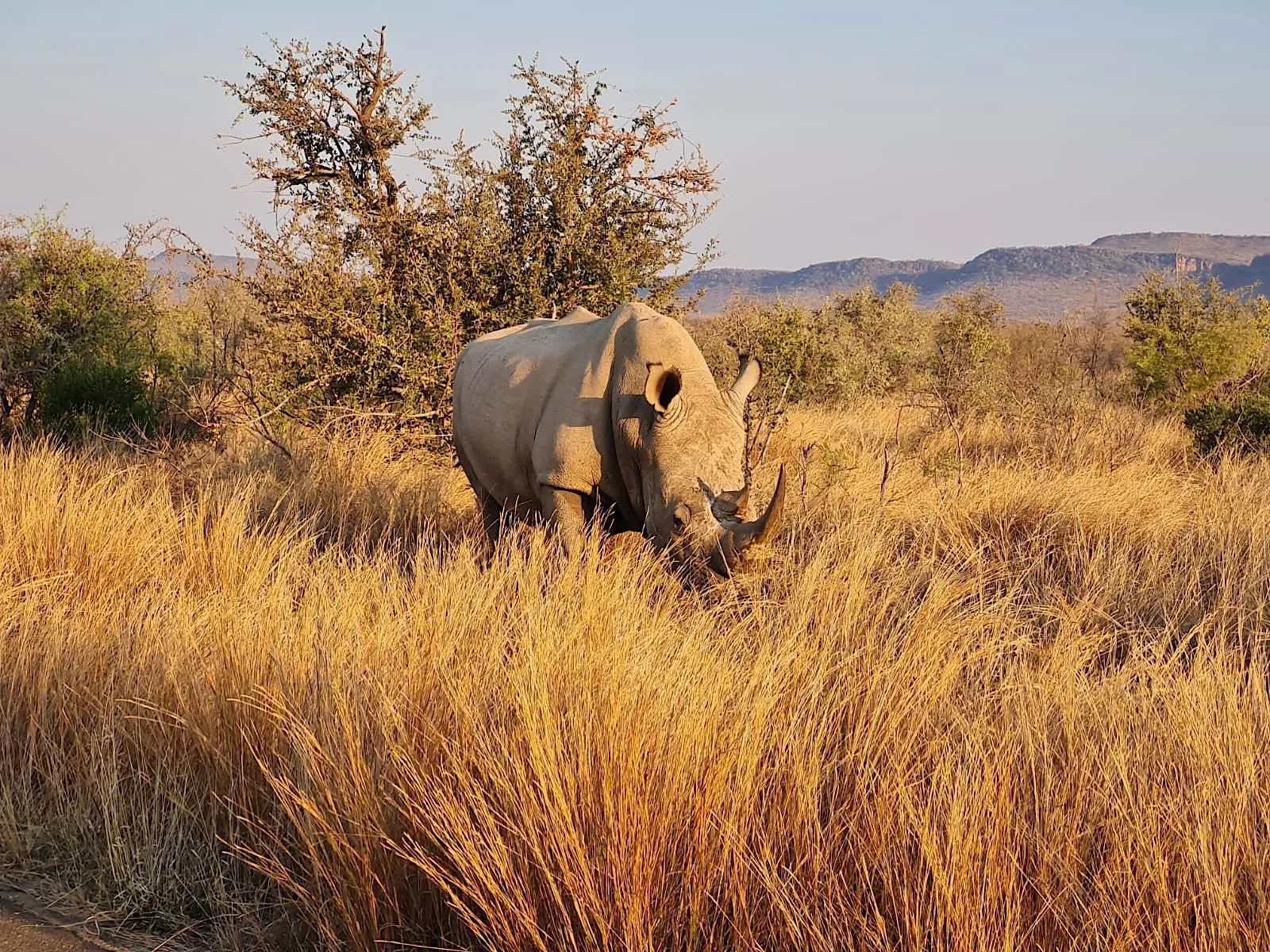
Madikwe is the reason to come. The reserve is one of South Africa’s major malaria-free safari areas, with lion, leopard, elephant, buffalo and rhino among the wildlife, plus wild dogs, hyena and a serious bird list. For parents of babies and young children, avoiding malaria prophylaxis conversations is not a minor convenience; it can decide whether a safari feels feasible at all. The landscape is bushveld rather than manicured parkland, and Morukuru’s houses sit on a private concession by the Groot Marico River, with their own decks, bomas and wide views into the reserve.
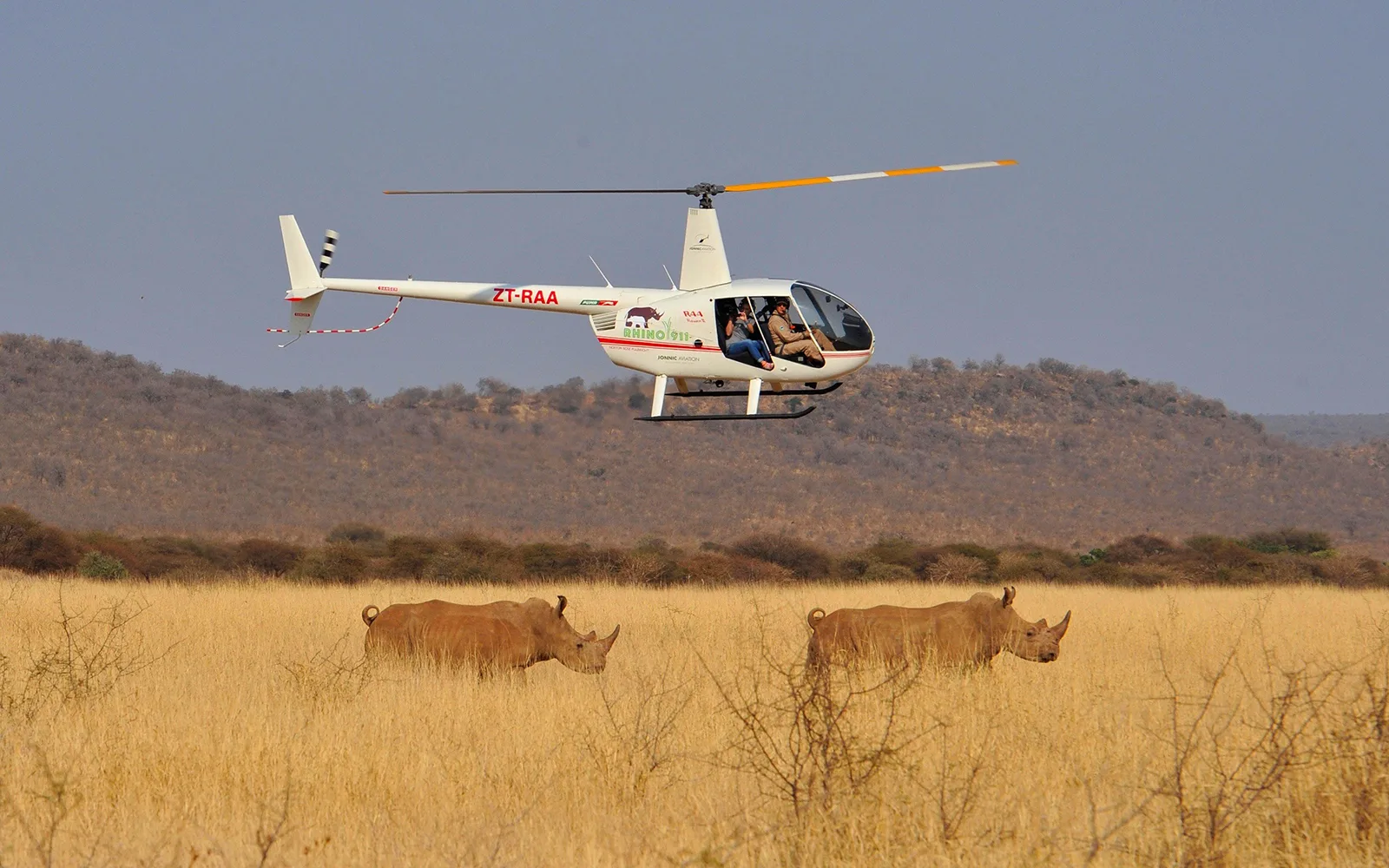
There are two sensible arrival routes. From Johannesburg, the drive is about 360 kilometres and commonly takes three and a half to four hours, with unpaved reserve roads at the end. That route works for families who like controlling their stops, car seats and snack supply. The smoother option is a scheduled Federal Air flight from OR Tambo, cited at about 50 minutes, followed by the reserve transfer; private helicopter transfers are also available. External road and air transfers are not included in the published full-inclusive package, so ask for the complete transfer quotation before treating the lodge rate as the trip total.
Once inside, the isolation is an asset. There is no village to stroll through, no cafe strip, and no quick supermarket run for a forgotten sunhat. The lodge team can tailor the rhythm, but families should arrive prepared for a self-contained safari house. Pack layers for early drives, sun protection, closed shoes and a small supply of any specialist baby food or medication. October through February can be very hot; April through September brings clearer visibility through thinner vegetation and cooler mornings. Game viewing is possible year-round, but the day should be planned around the children rather than a wish to tick every activity.
Accommodation (Rooms & Suites)
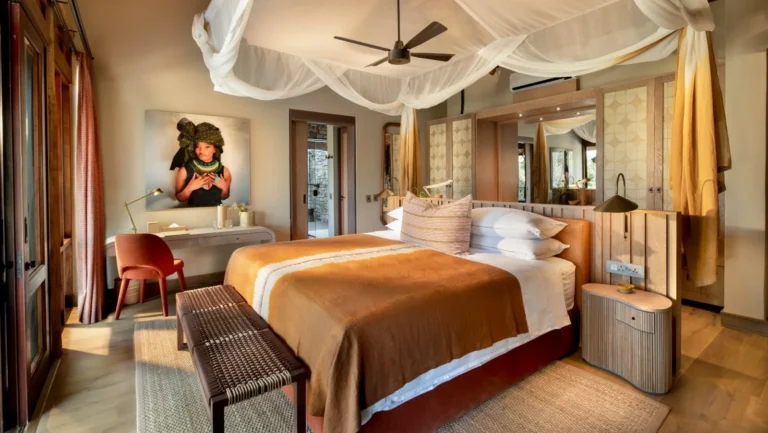
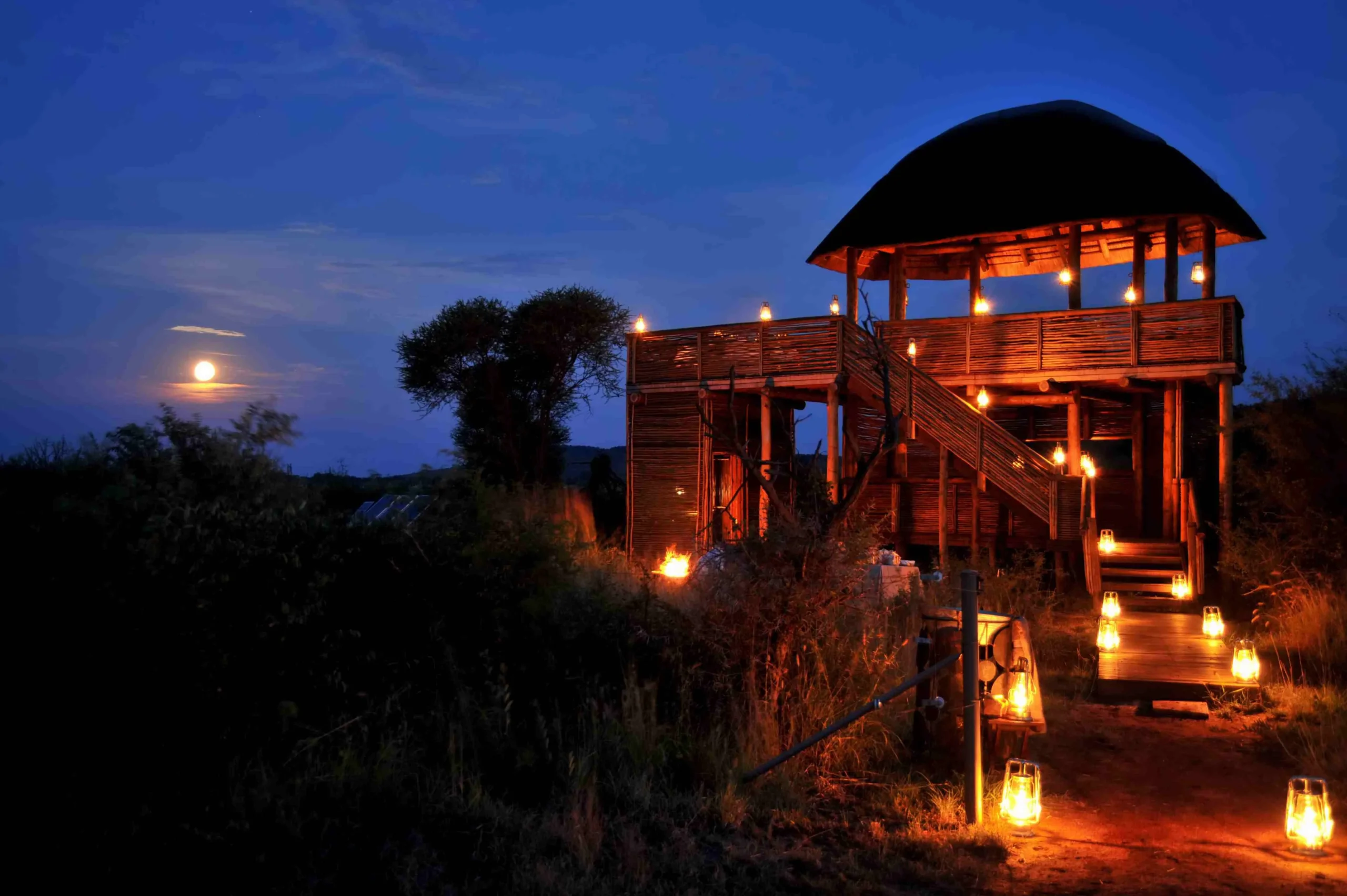
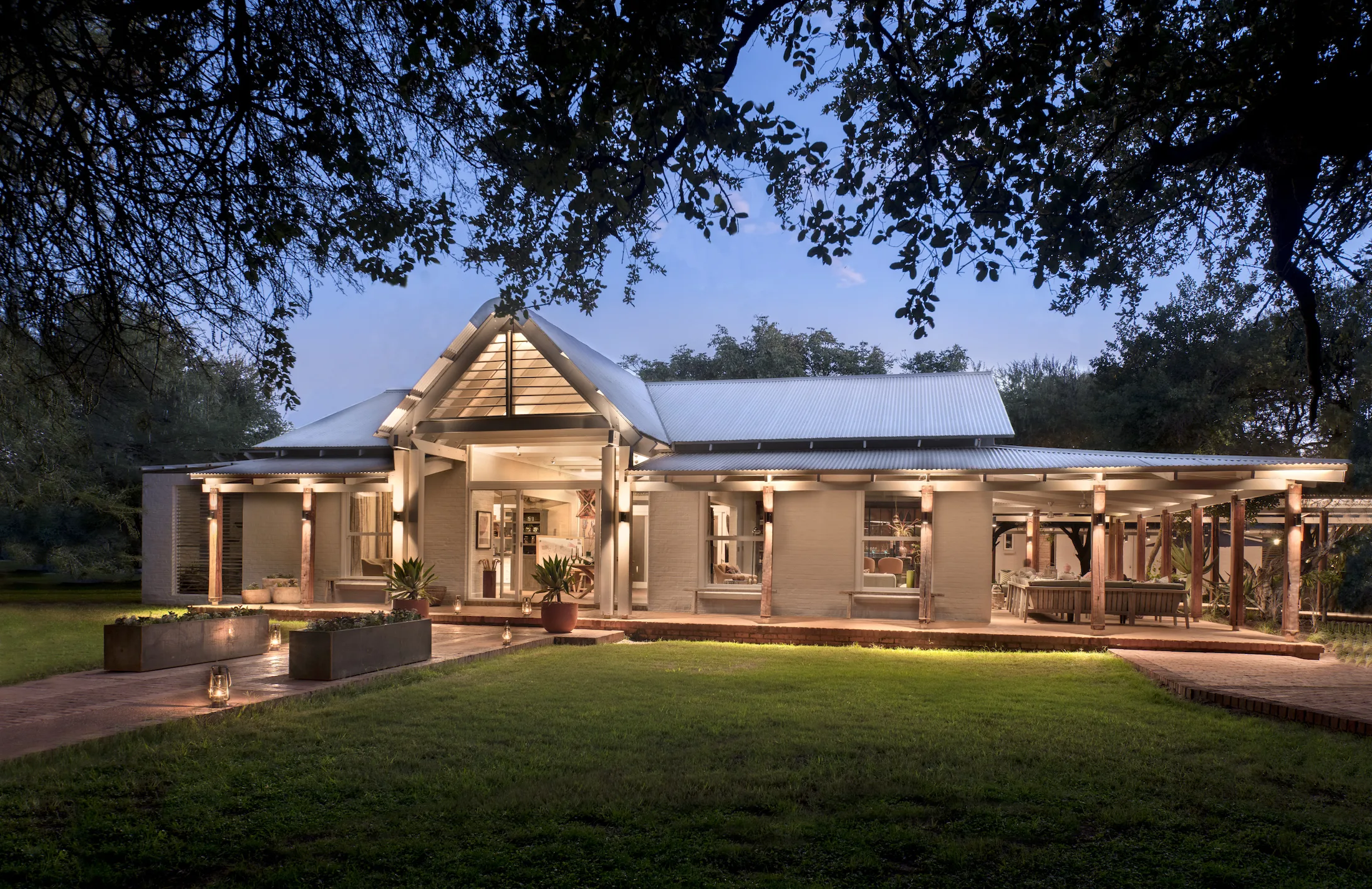
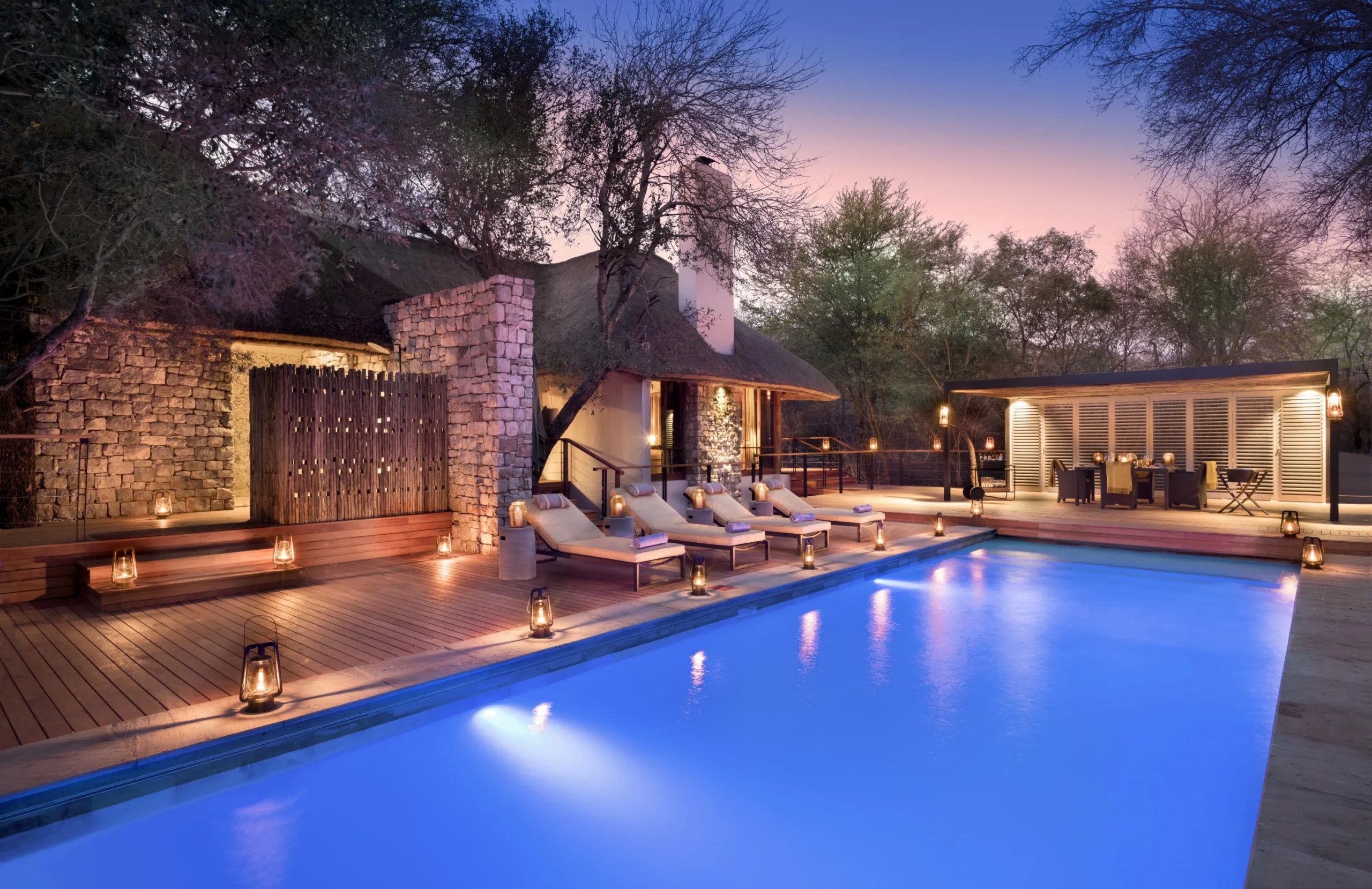
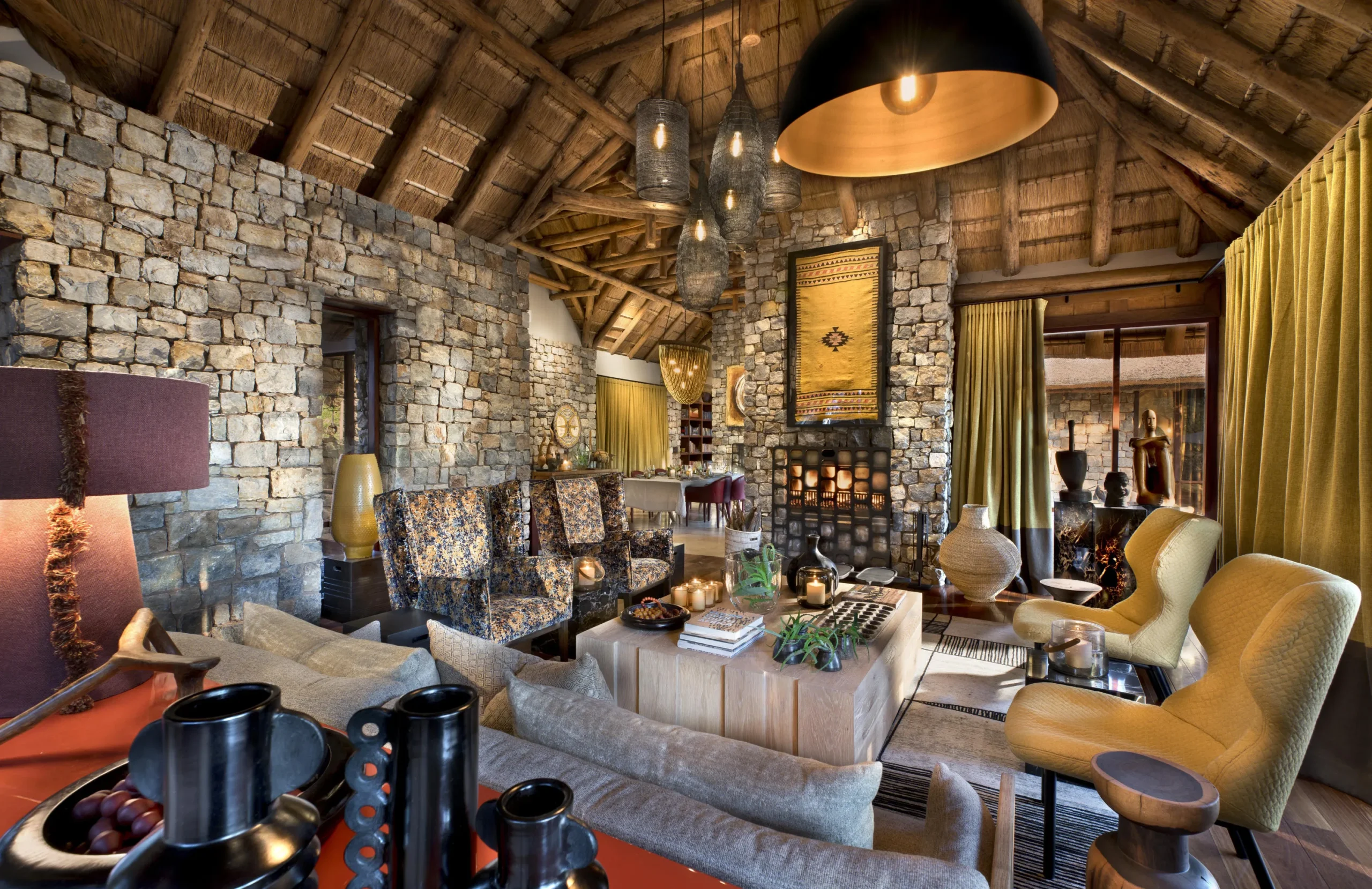
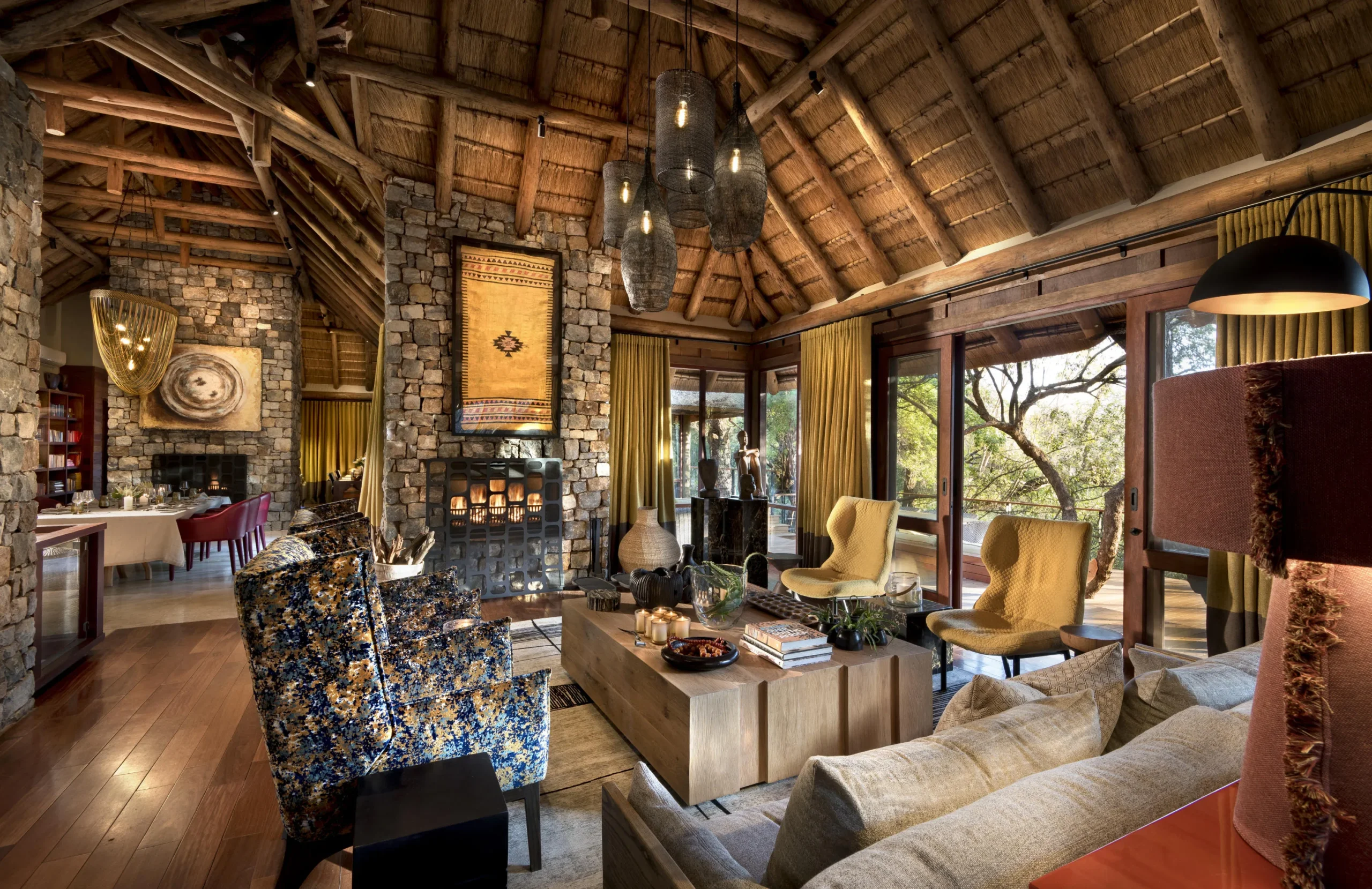
Morukuru is not one lodge with a room category hierarchy. It is three private homes, each with a distinct scale and temperament. Owner’s House is the intimate choice: two en-suite king bedrooms, a published maximum of four guests, a fireplace-led lounge, library, wine cellar, decks and a 14-metre pool. It suits two adults with one or two children who want a real house rather than the strange compromise of a safari suite plus an extra bed. Indoor and outdoor showers, screened sliding doors and a kitchen make the practical parts of family travel easier, while the tree-top sala and river setting provide the visual drama.
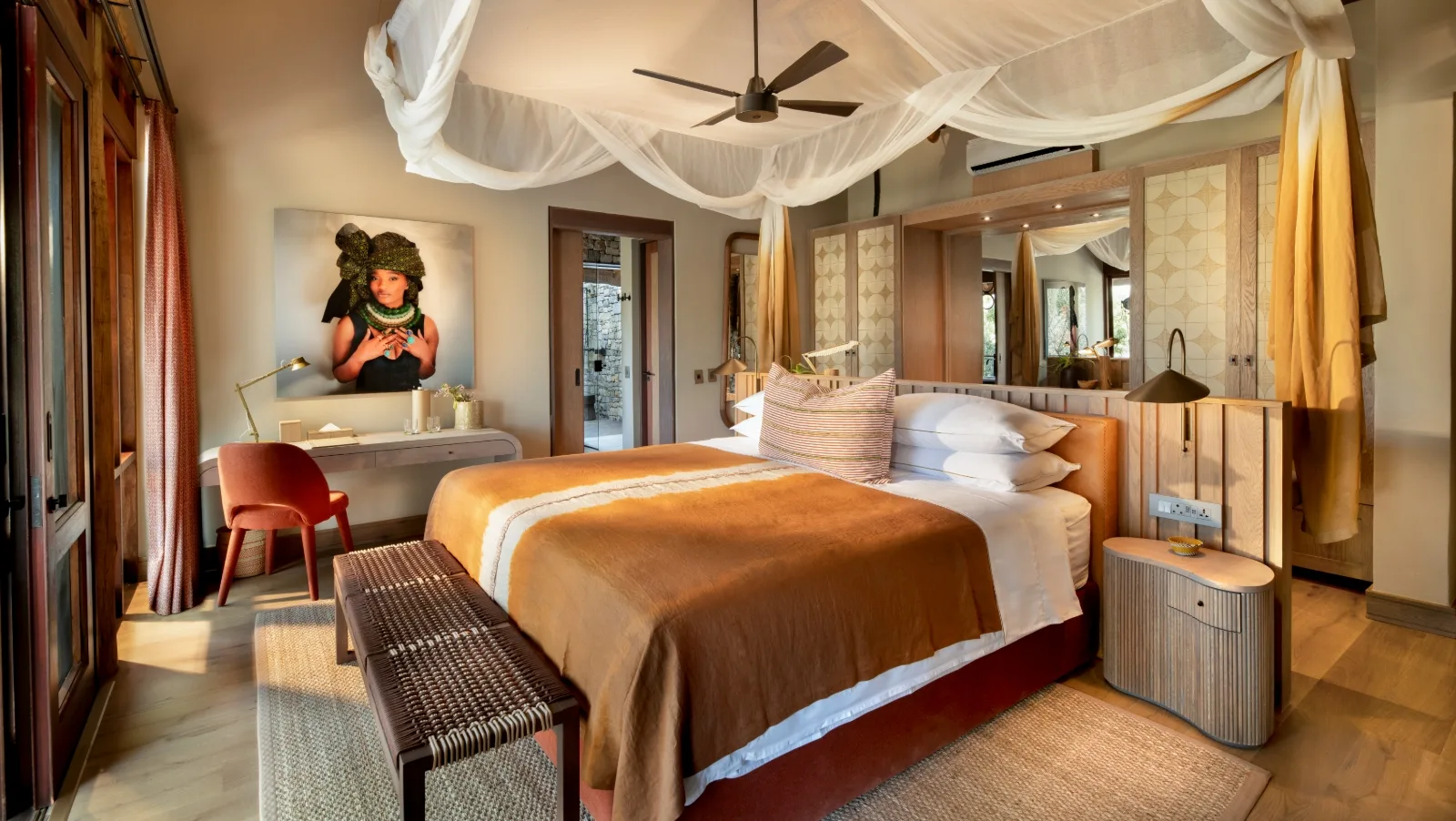
River House gives a larger family a more natural sleeping plan. It has three en-suite king bedrooms plus a separate children’s room with four bunk beds, accommodating six adults and up to four children. A dining room for ten, riverside terraces, a boma and a 12-metre infinity pool make it a strong multigenerational proposition without requiring grandparents to surrender their privacy. The house reopened after a redesign in 2025, and its warm earth-toned interiors have been noted in recent travel coverage. There are tubs with bush views alongside indoor and outdoor showers, so families can divide up bedtime rituals without turning the bathroom into a traffic junction.
Farm House is the group answer. Five en-suite king bedrooms, a large central kitchen and lounge, indoor and outdoor dining, library, bar and a 15-metre pool give it the heft for up to ten guests. Its setting includes a 100-hectare fenced private area, a significant reassurance for parents with energetic children who need space between drives. The lawns and glass-fronted rooms make this the easiest house for several generations travelling together. It also carries the clearest documented accommodation caution: a 2025 critic found some bedrooms short on lounge space, disliked the transparent bathroom treatment and questioned the pool’s usefulness. That is one detailed professional view rather than a widespread guest complaint, but it is enough to make us keep the accommodation score at 8.2 rather than confuse exclusivity with perfection.
All three houses have air-conditioning, ceiling fans, safes, private outdoor space and their own staff. Infants under two are published as free at River House and Farm House. Specific cot and rollaway inventory is not clearly published, so families with babies should get the exact bed, cot, bath and sterilising set-up confirmed in writing before paying a deposit. WiFi is included but described as limited, and one review recorded lengthy outages. Download entertainment before travelling; a bush house is an excellent place to lose the streaming habit, but it is unwise to rely on patchy bandwidth for an evening reset.
Family Amenities & Kids’ Activities
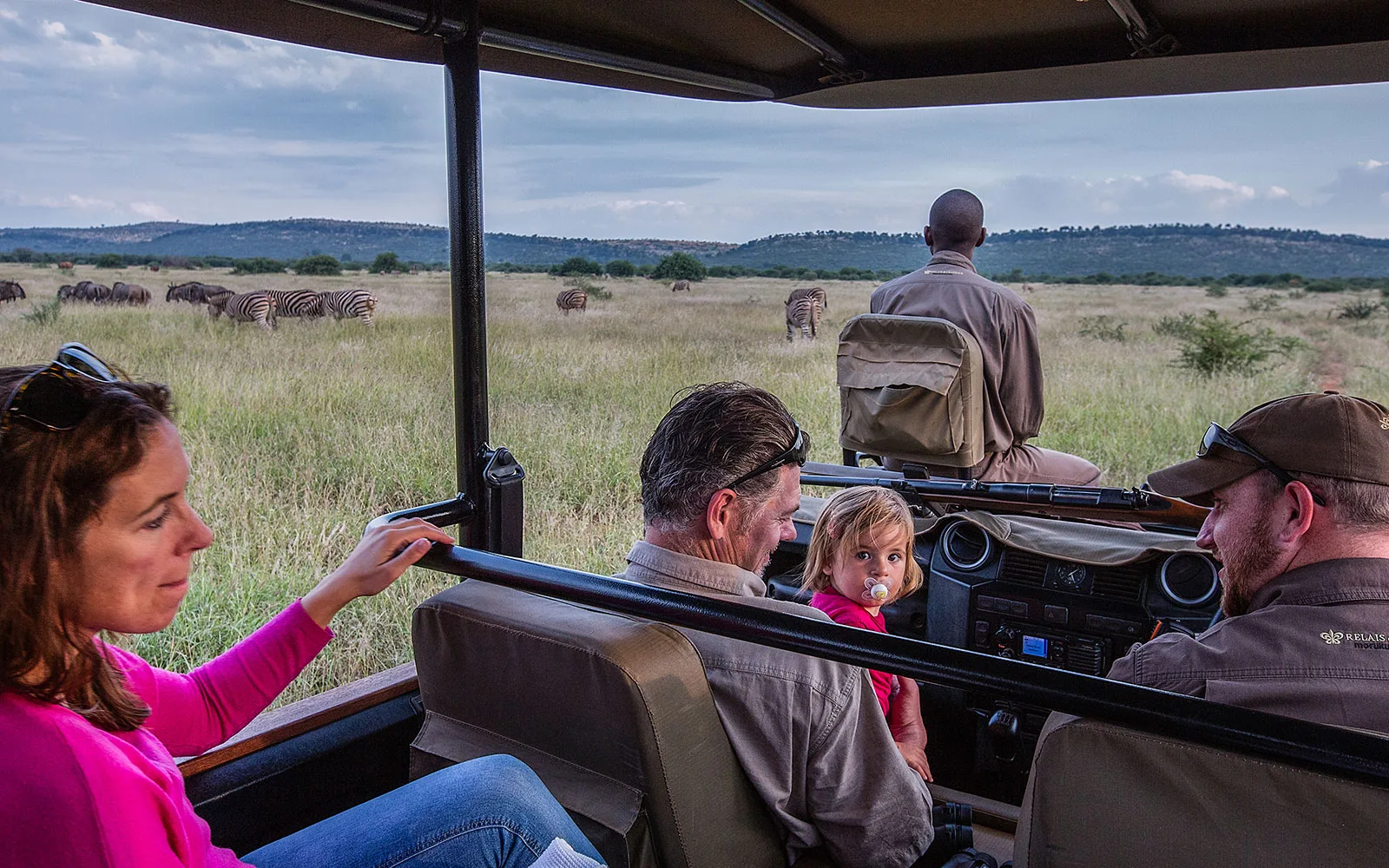
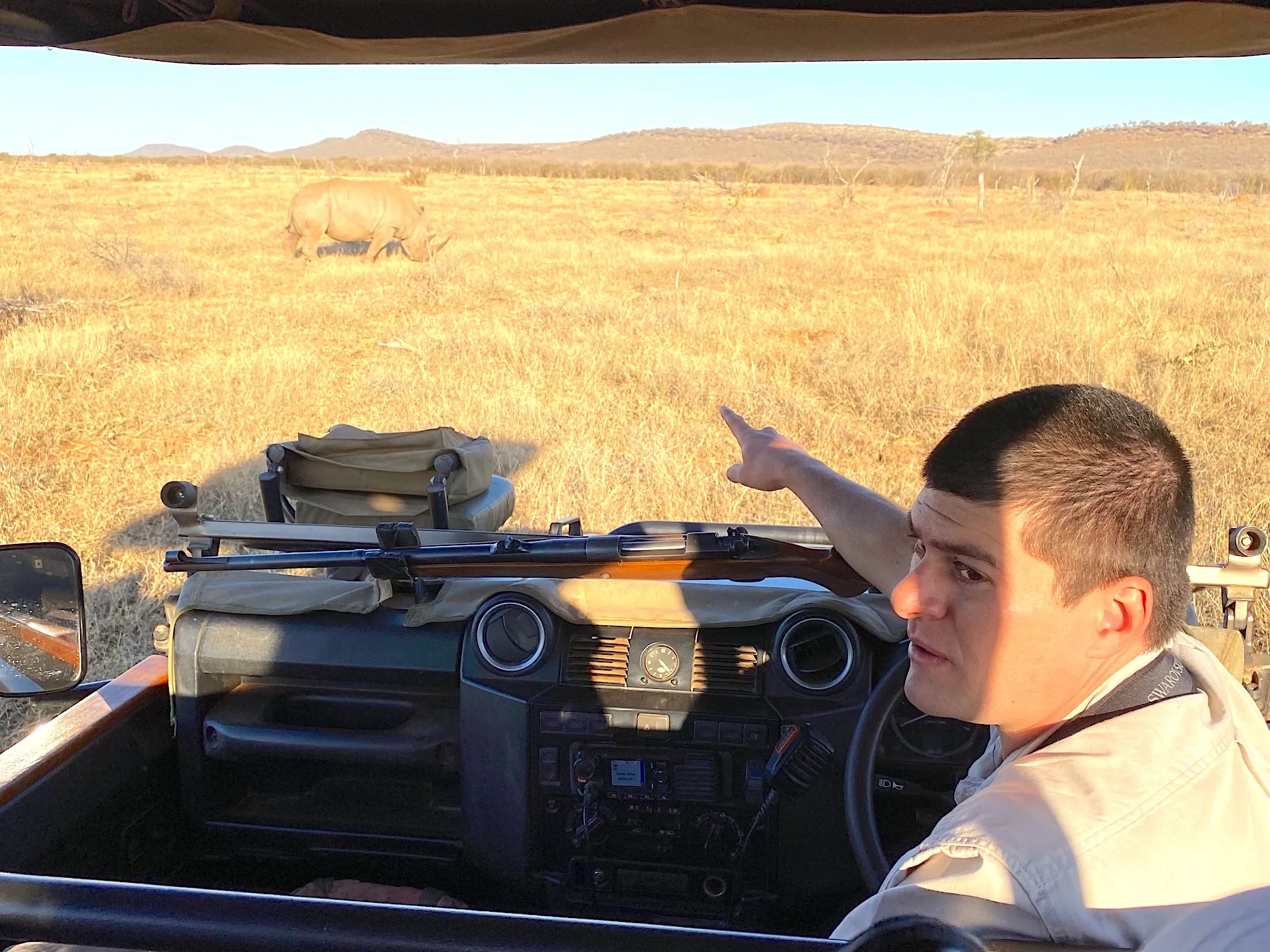
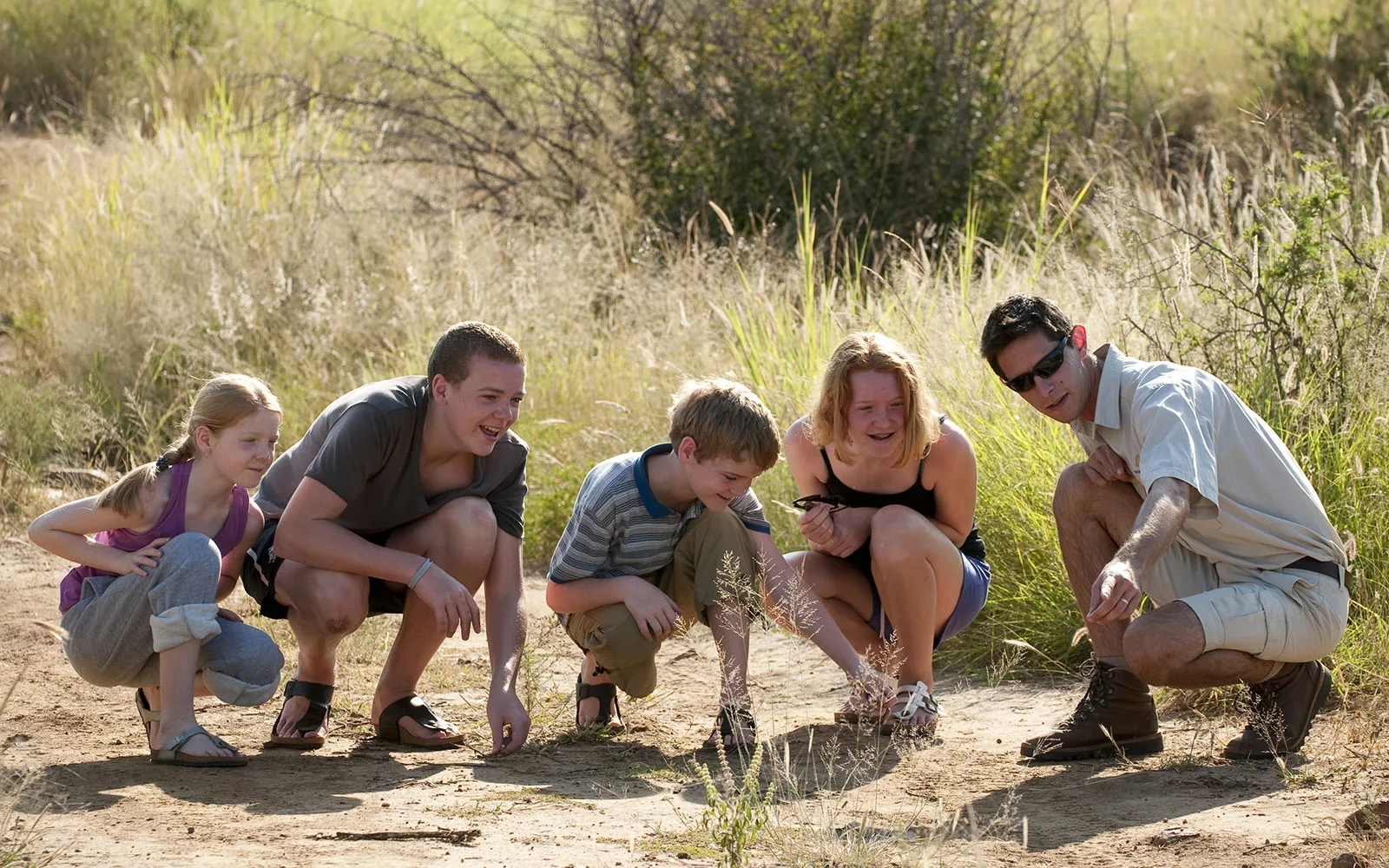
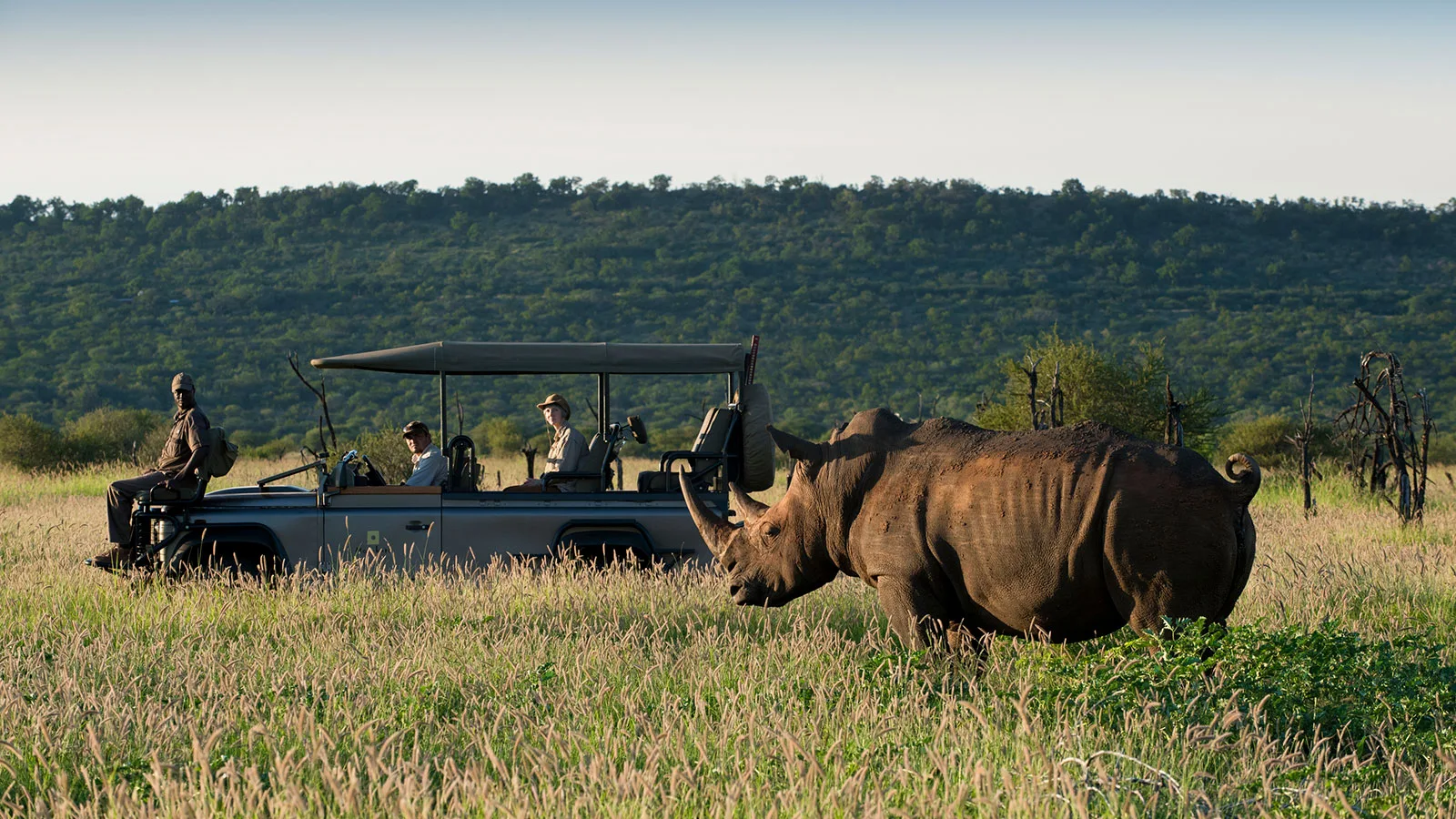
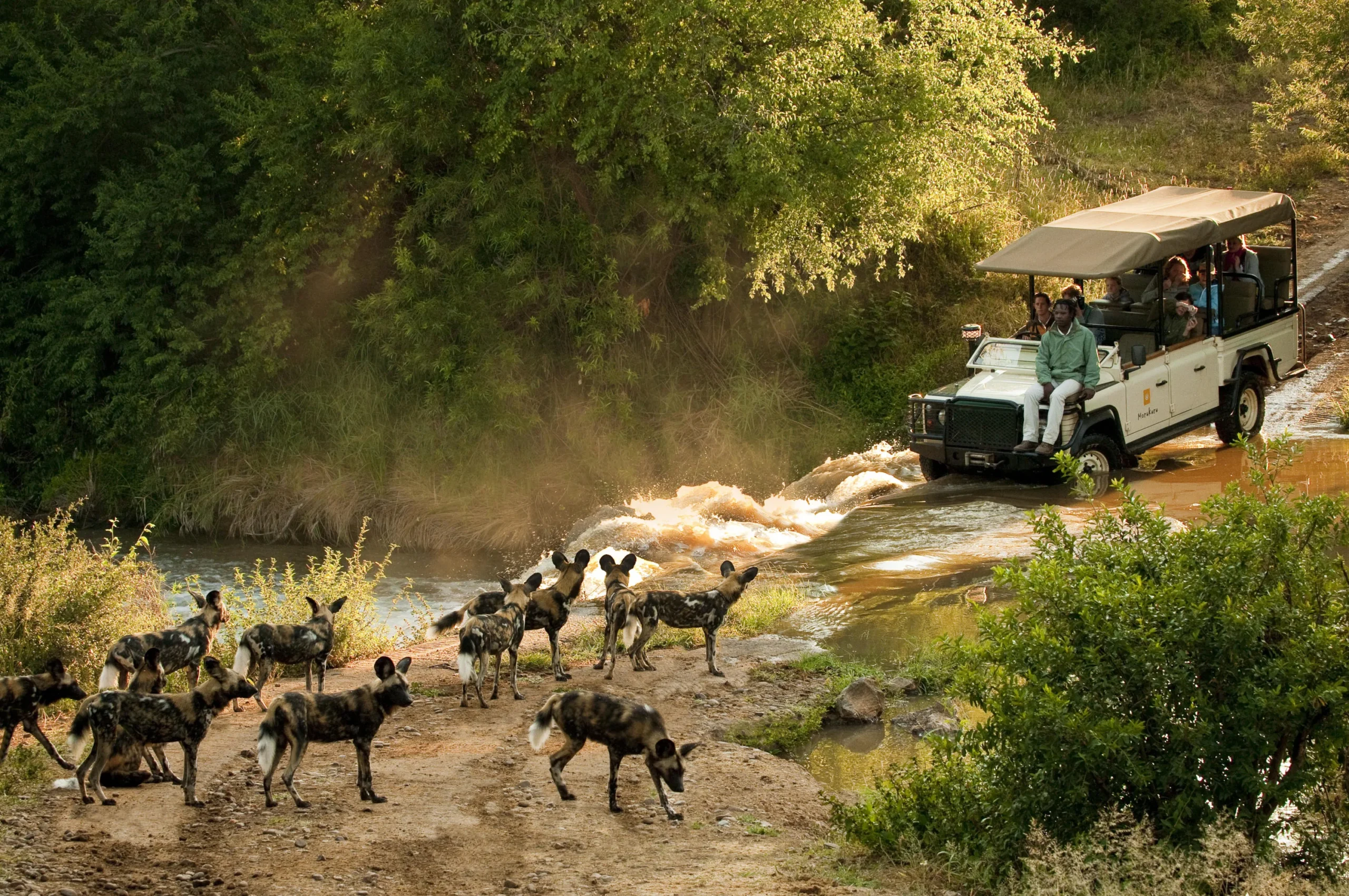
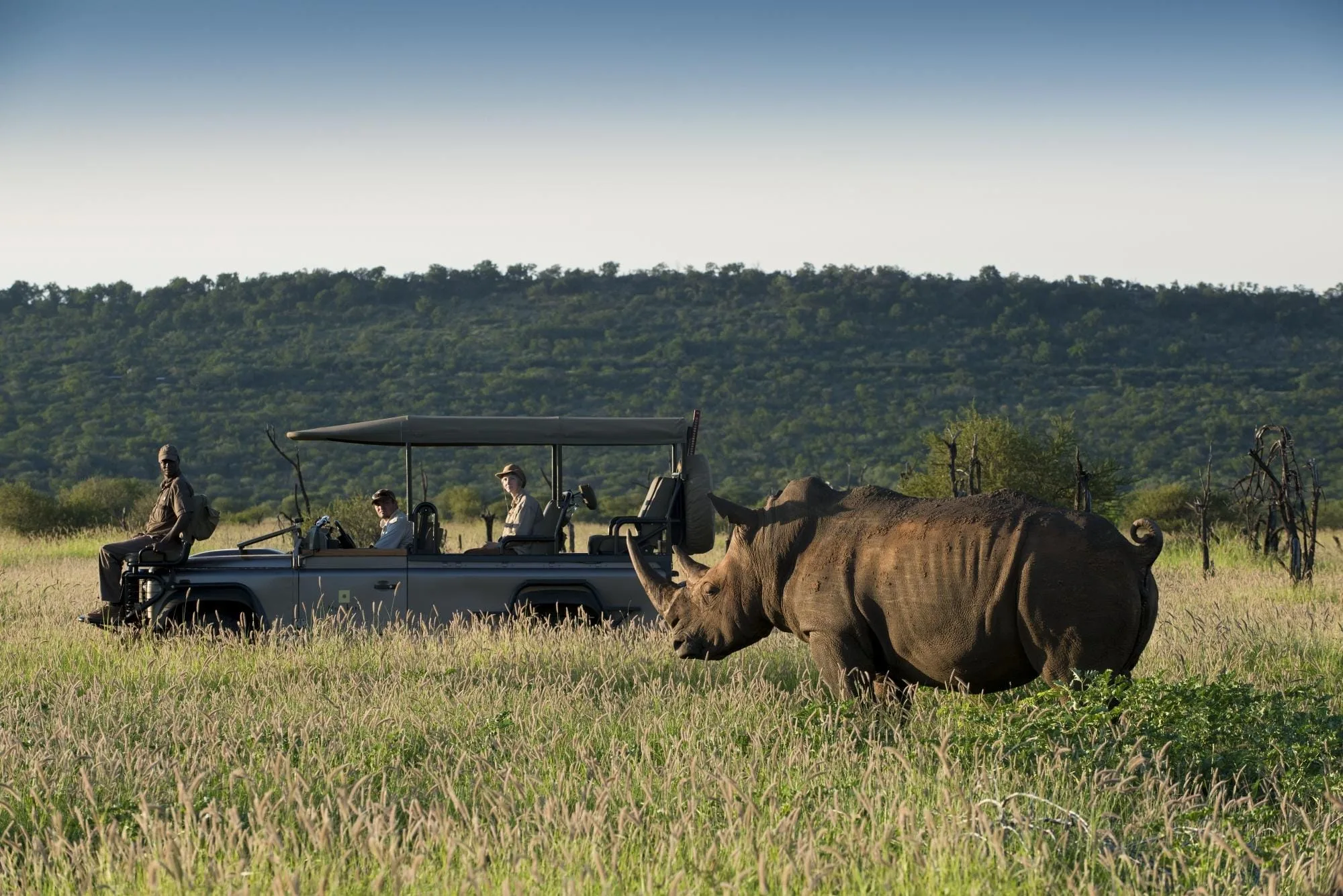
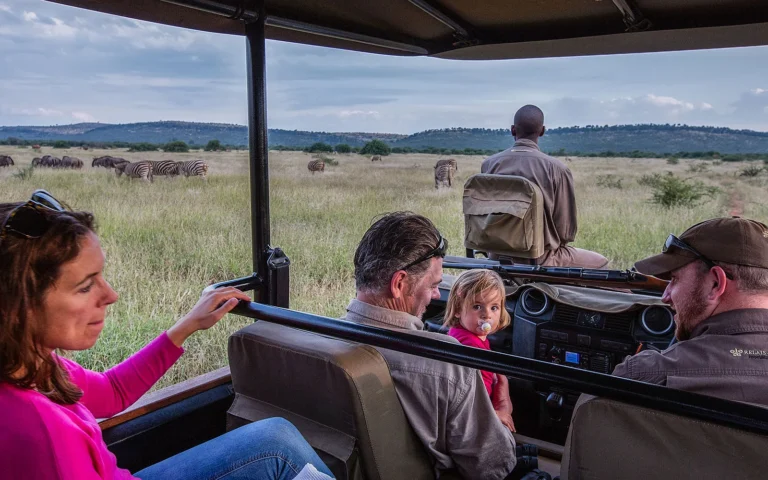
The private vehicle is the centrepiece. Each house has a dedicated open Land Rover, guide and tracker, with two daily drives that can flex around the family. Children of all ages are explicitly welcomed on game drives, booster seats are available, and shorter, gentler outings are possible for younger children. That practical freedom makes the property unusually good for the 0-3 bracket: the family is not asking strangers to accommodate a nap or a sudden refusal to sit still. It also means older children can linger over spoor, insects and birdlife when they are interested instead of returning on a schedule designed for another party.
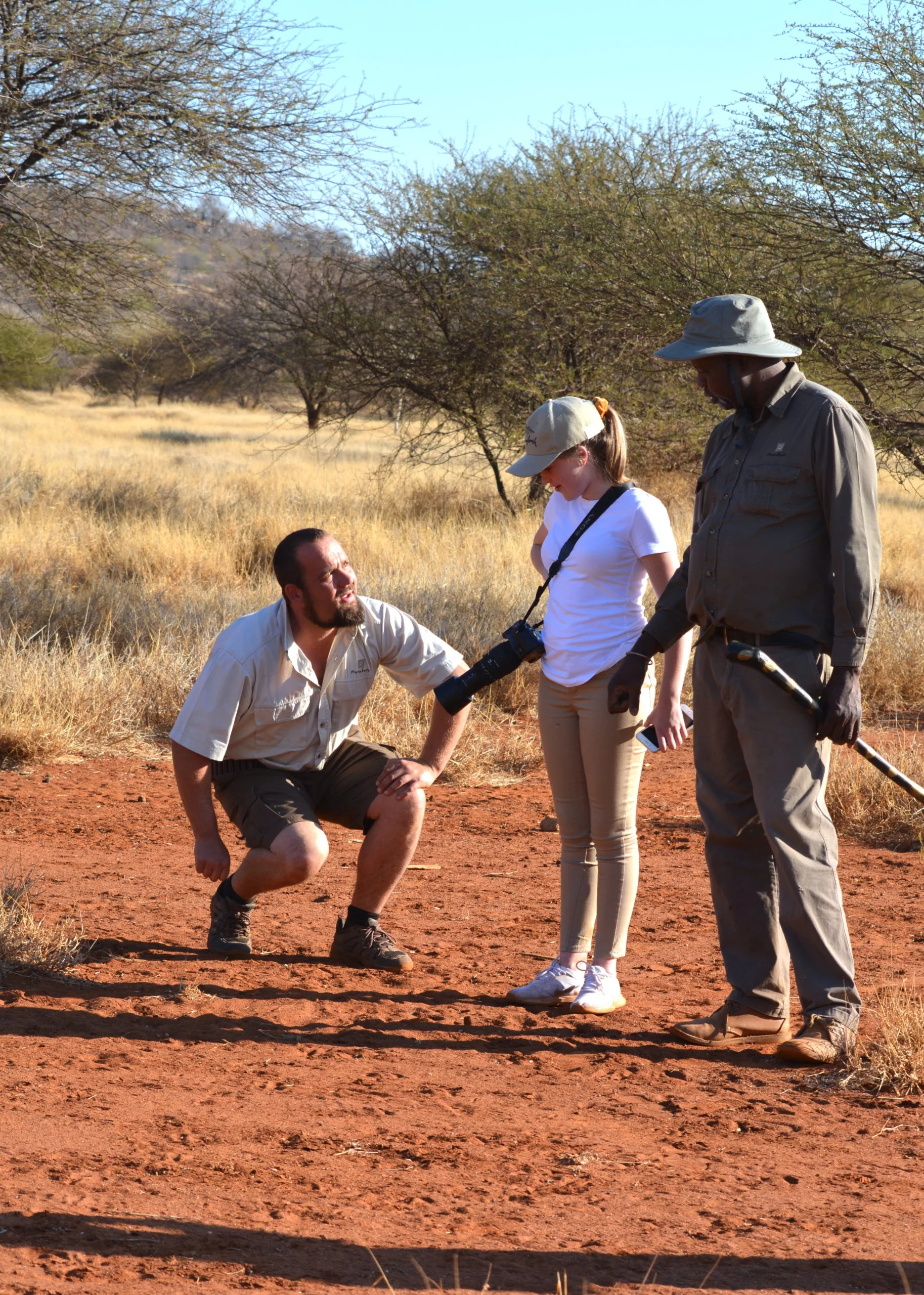
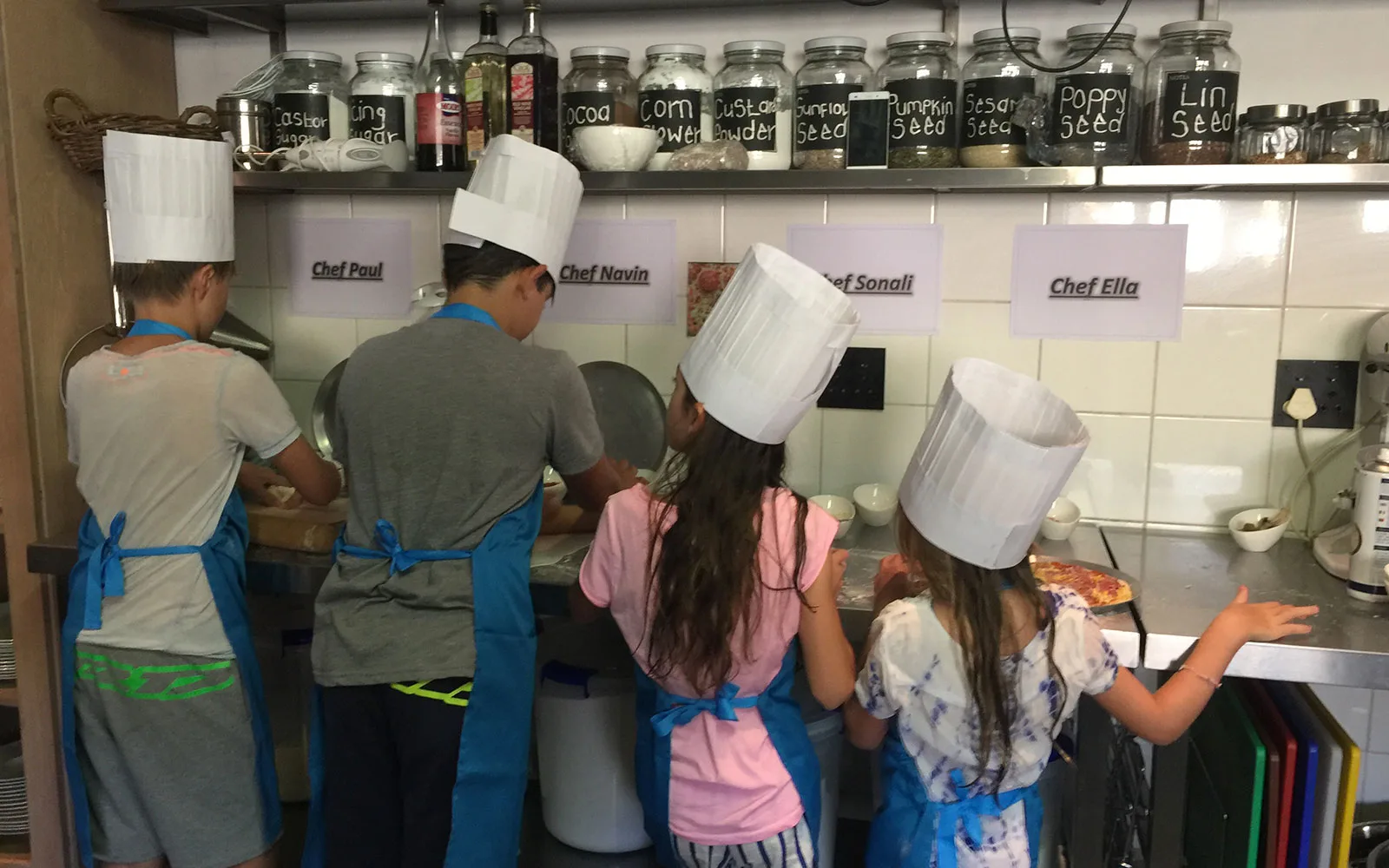
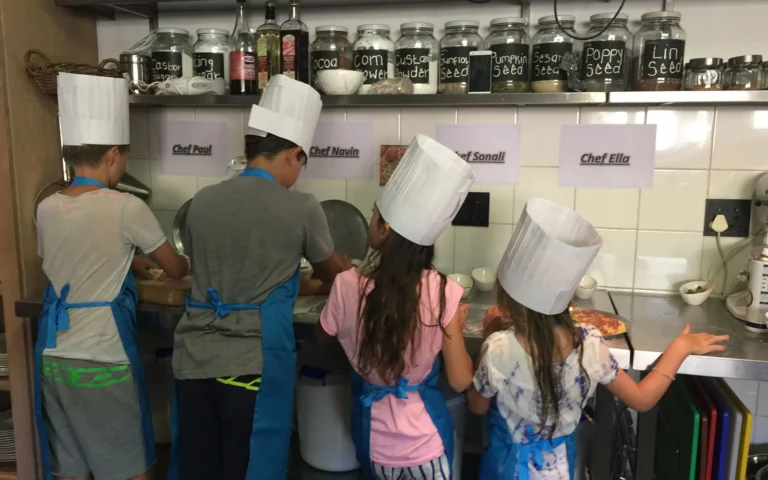
Morukuru Kidz is deliberately not a conventional drop-off club. Each child receives a personalised vehicle backpack, while the programme is shaped around tracking, spoor casting, birdwatching, nature walks, baking with the chef and the guide’s read of the child’s curiosity. That absence of a staffed playroom is a drawback for parents seeking hours of independent childcare, but it is central to the house-party idea. The safari happens together. Children under 16 cannot take bush walks on the main Big Five reserve, where an armed ranger is required, but they can join guided walks on the fenced 100-hectare Farm House land. That distinction matters and should be explained to ambitious older children before arrival.
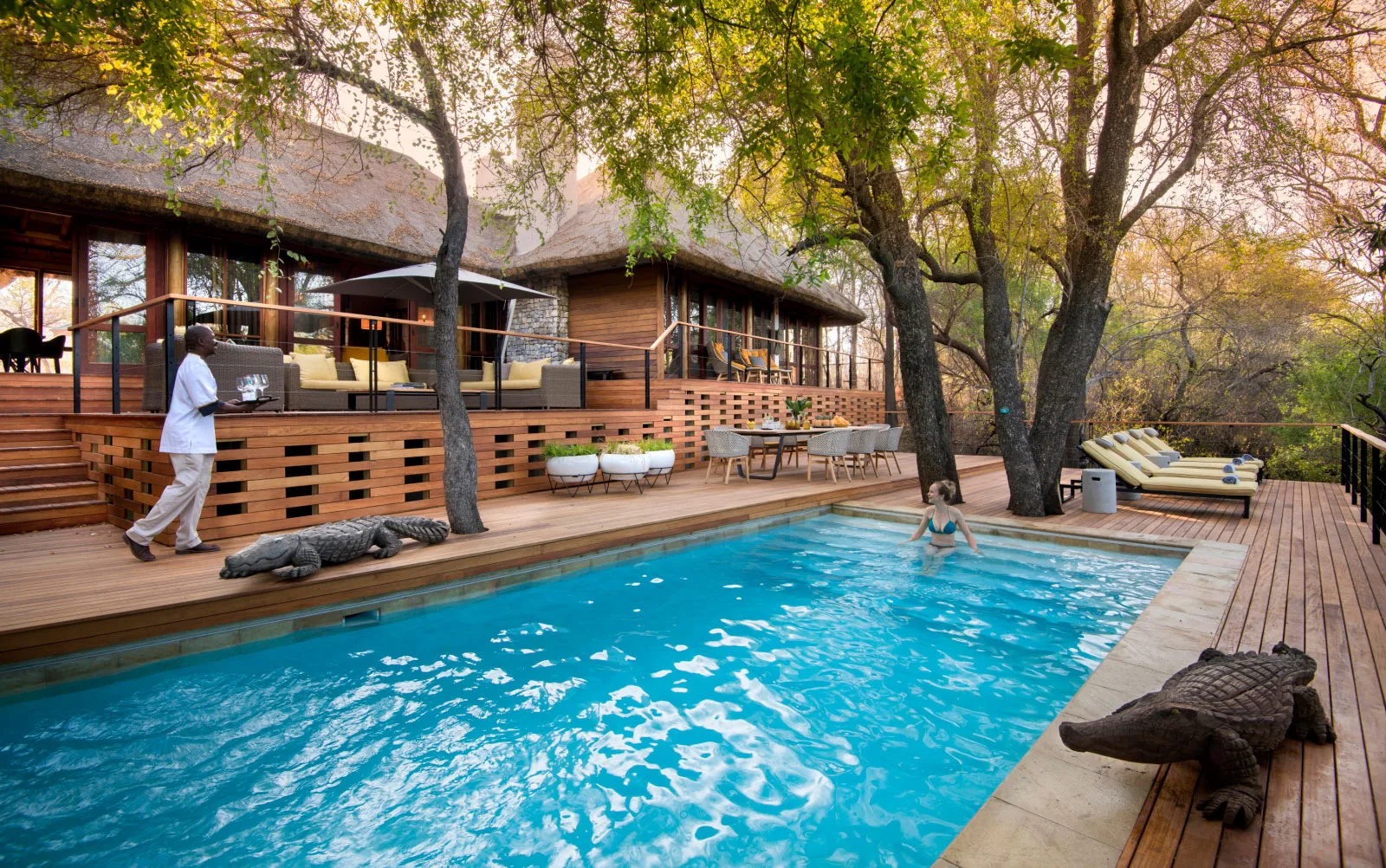
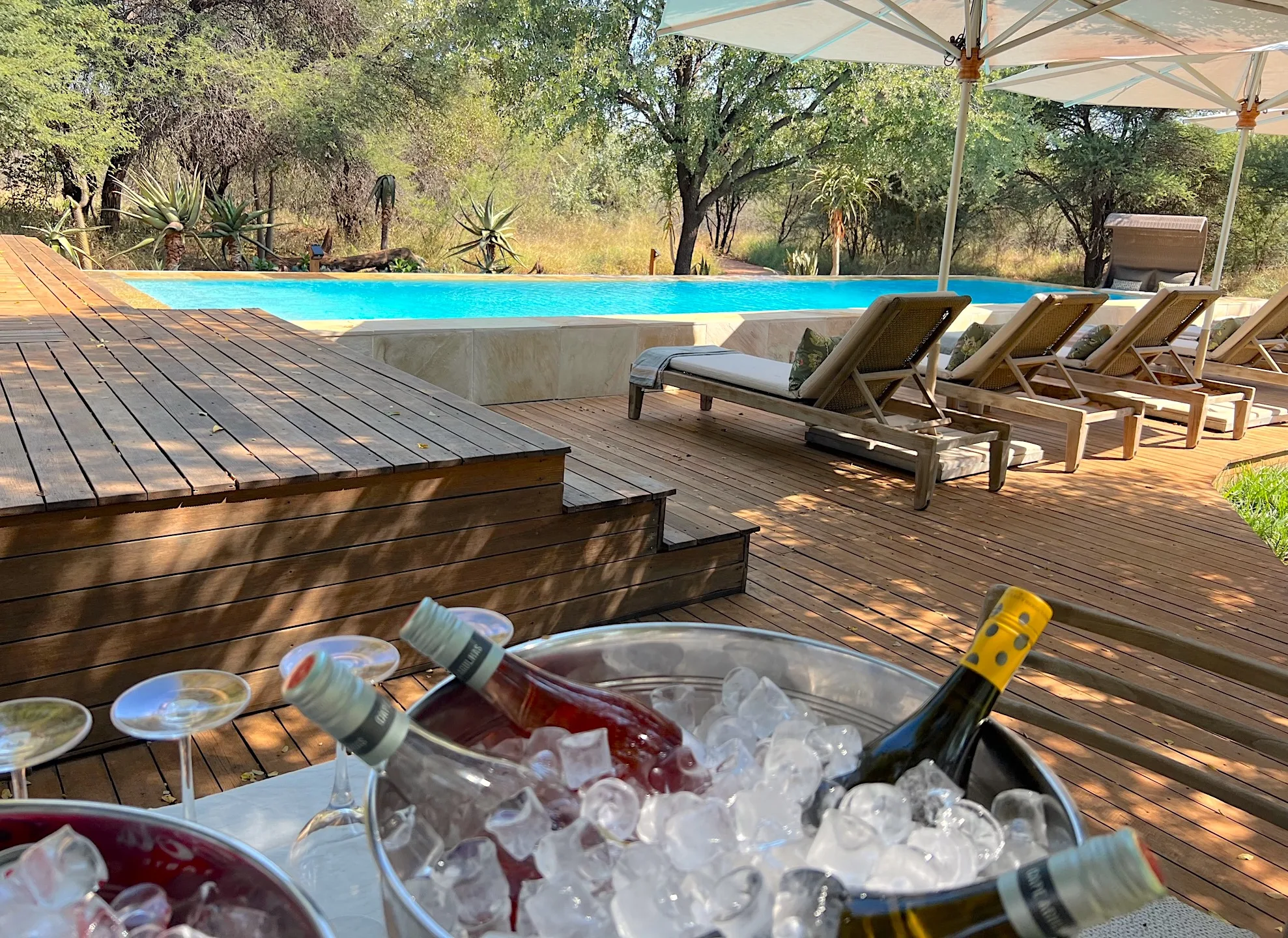
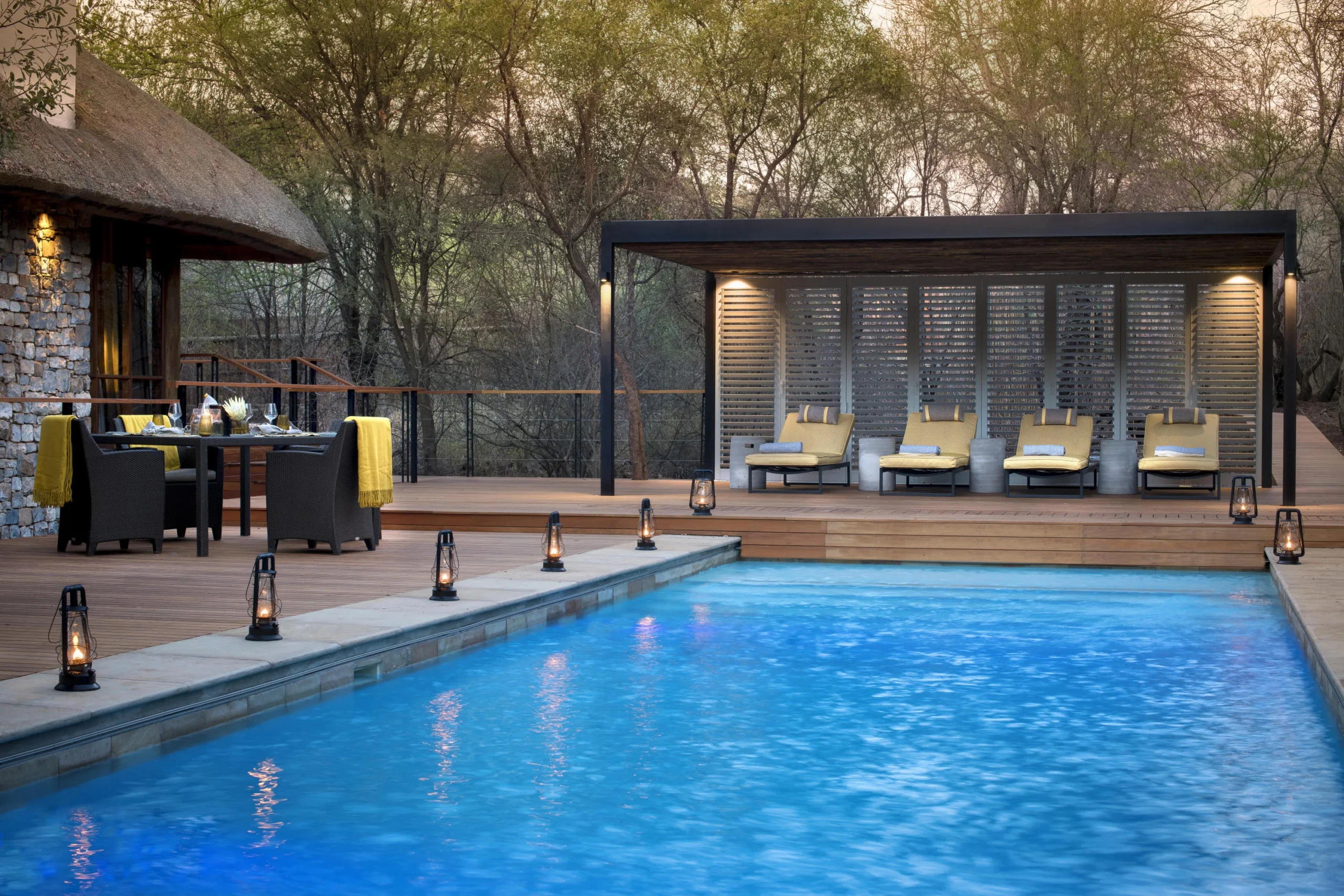
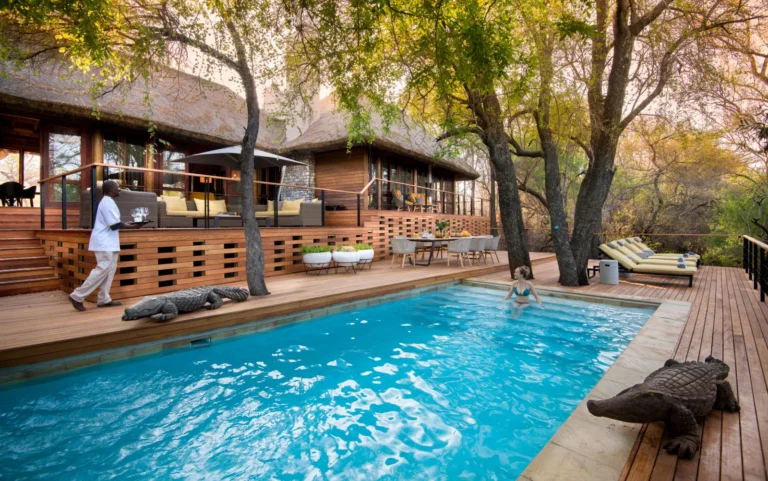
Swimming pools are private at every house: the Owner’s House pool is listed at 14 metres, River House at 12 metres and Farm House at 15 metres. Sources disagree on whether they are heated, and no pool depth or toddler safety specification is published. There are no published lifeguards. Parents should assume active supervision at all times, particularly with a pool immediately outside a private house. The same unfiltered freedom that makes this holiday feel easy requires adults to decide who is on water-watch rather than assuming a resort system is doing it for them.
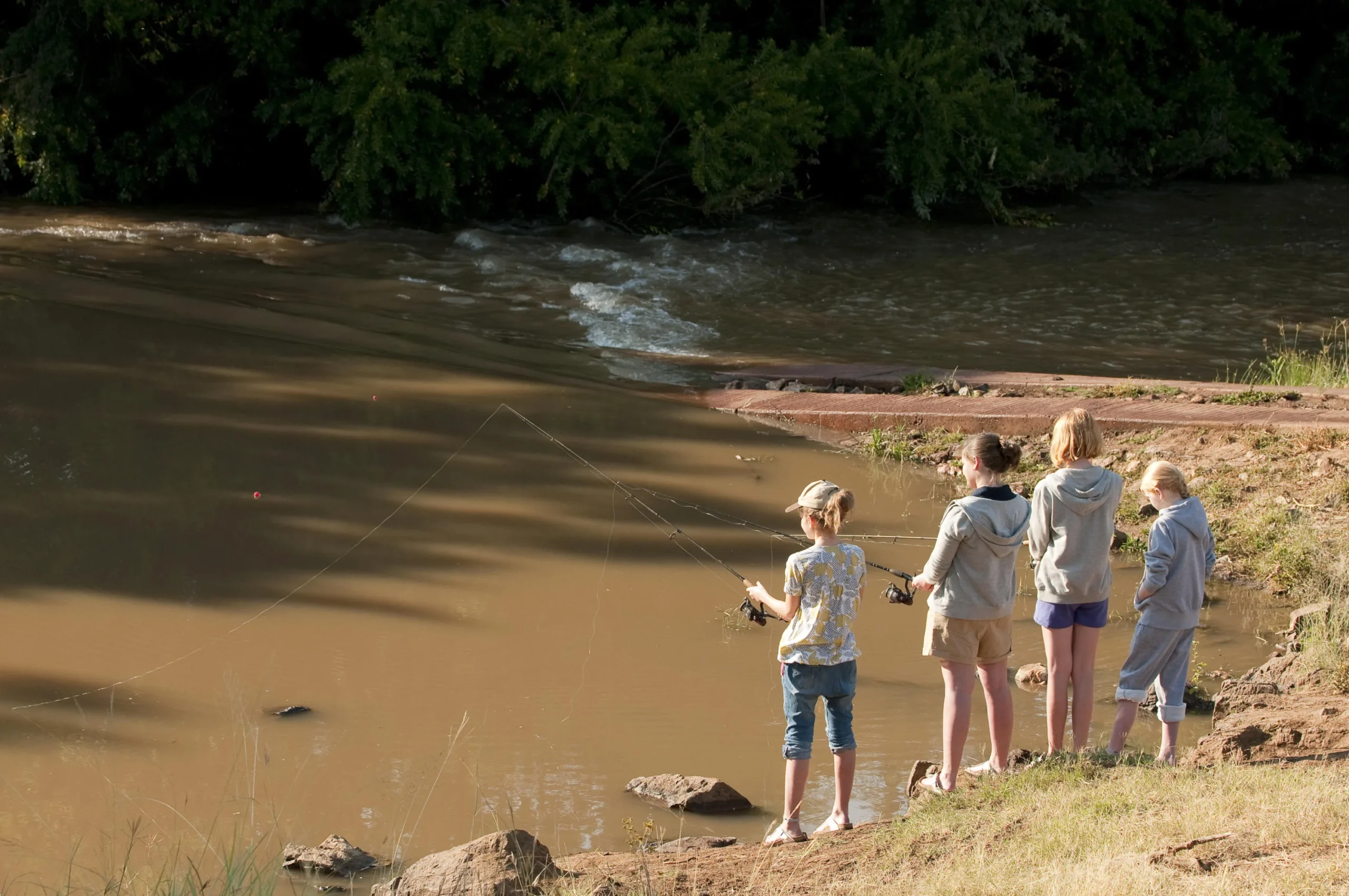
Beyond drives, the menu includes fishing on the Marico River, drumming, bush picnics, boma evenings, wildlife tracking and child-sized spa treatments such as mini manicures and pedicures. Farm House’s fenced grounds make unstructured time more comfortable, while every house has space for the quiet interval that a safari day needs. The score of 8.8 reflects exceptional tailored nature access, private vehicles and the all-ages policy, balanced against the absence of a structured kids’ club and unanswered pool-safety details. For children who want spectacle every hour, a large resort may be the better fit. For a family that wants to learn and roam together, this is more memorable.
Dining
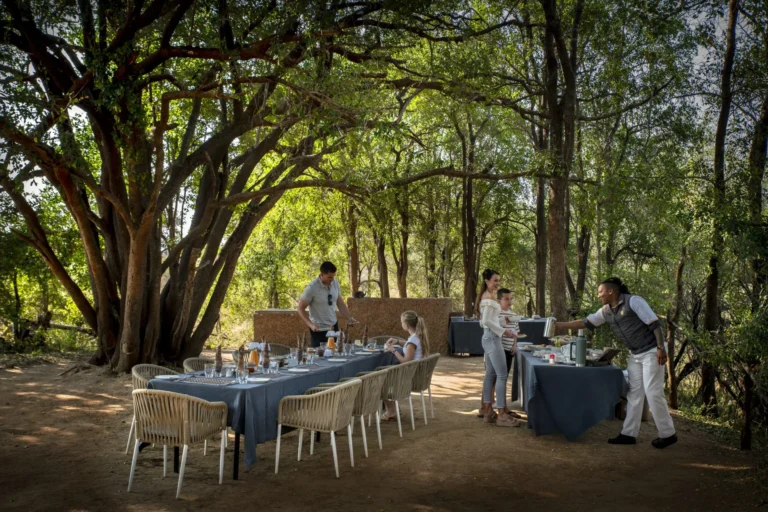
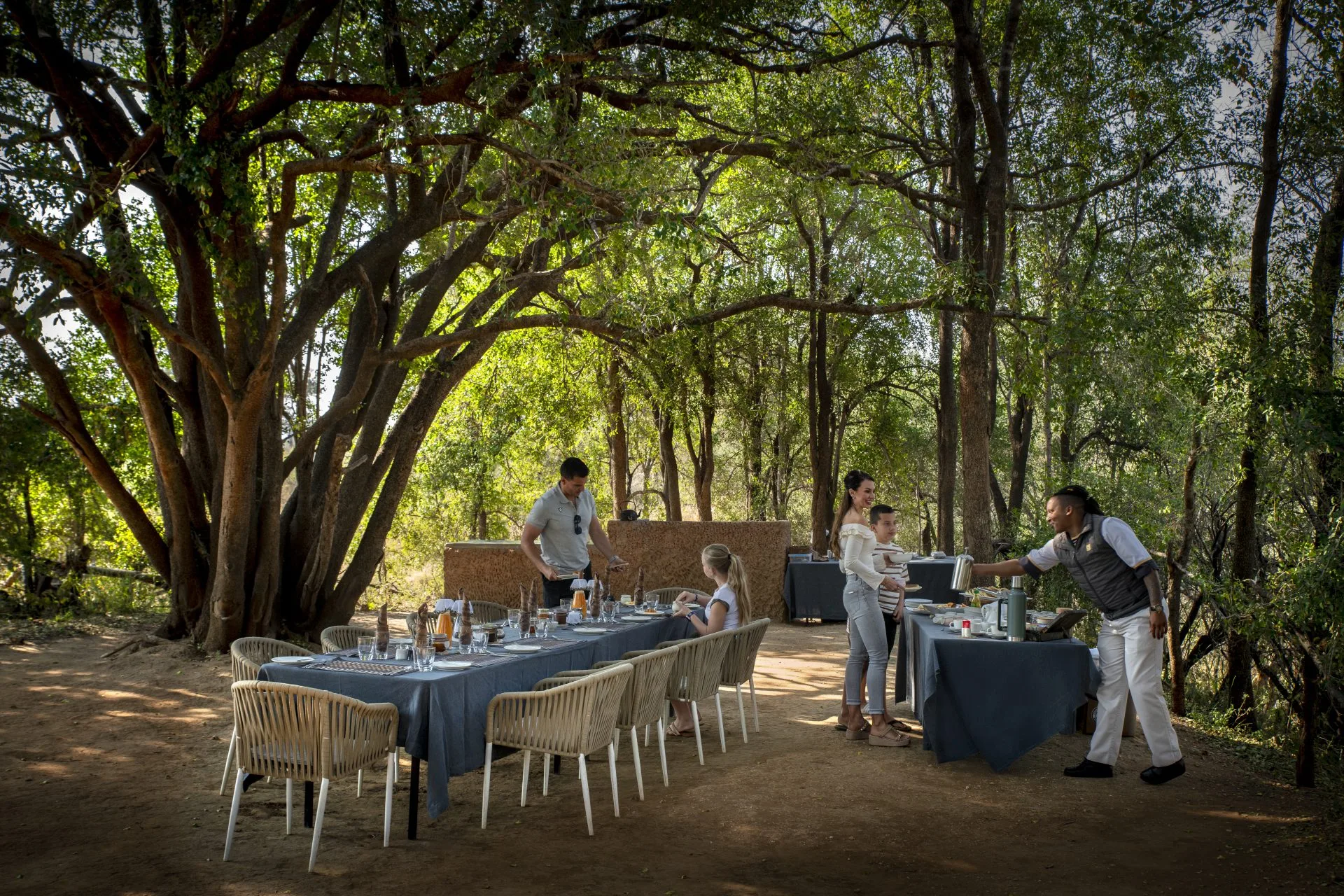
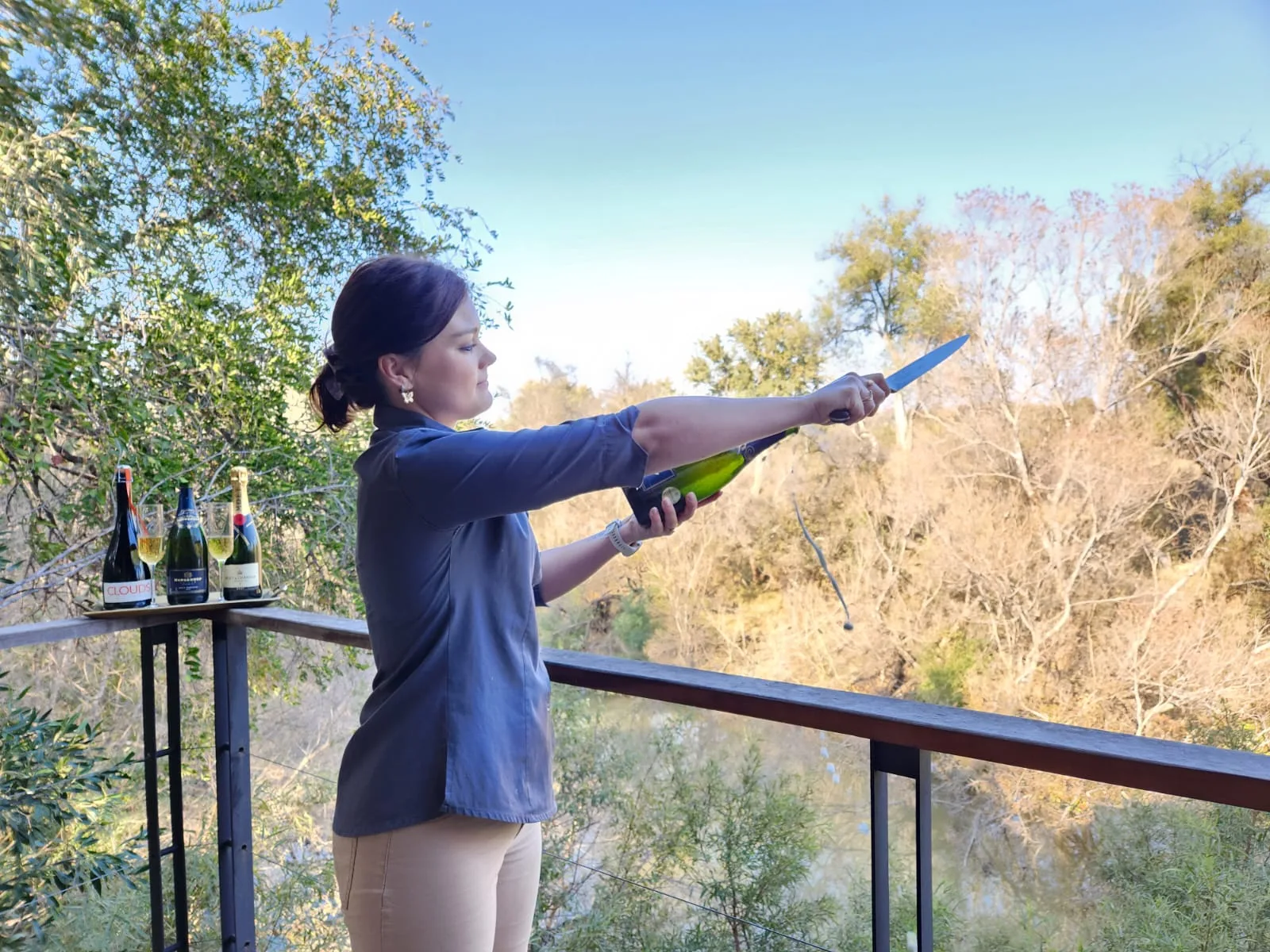
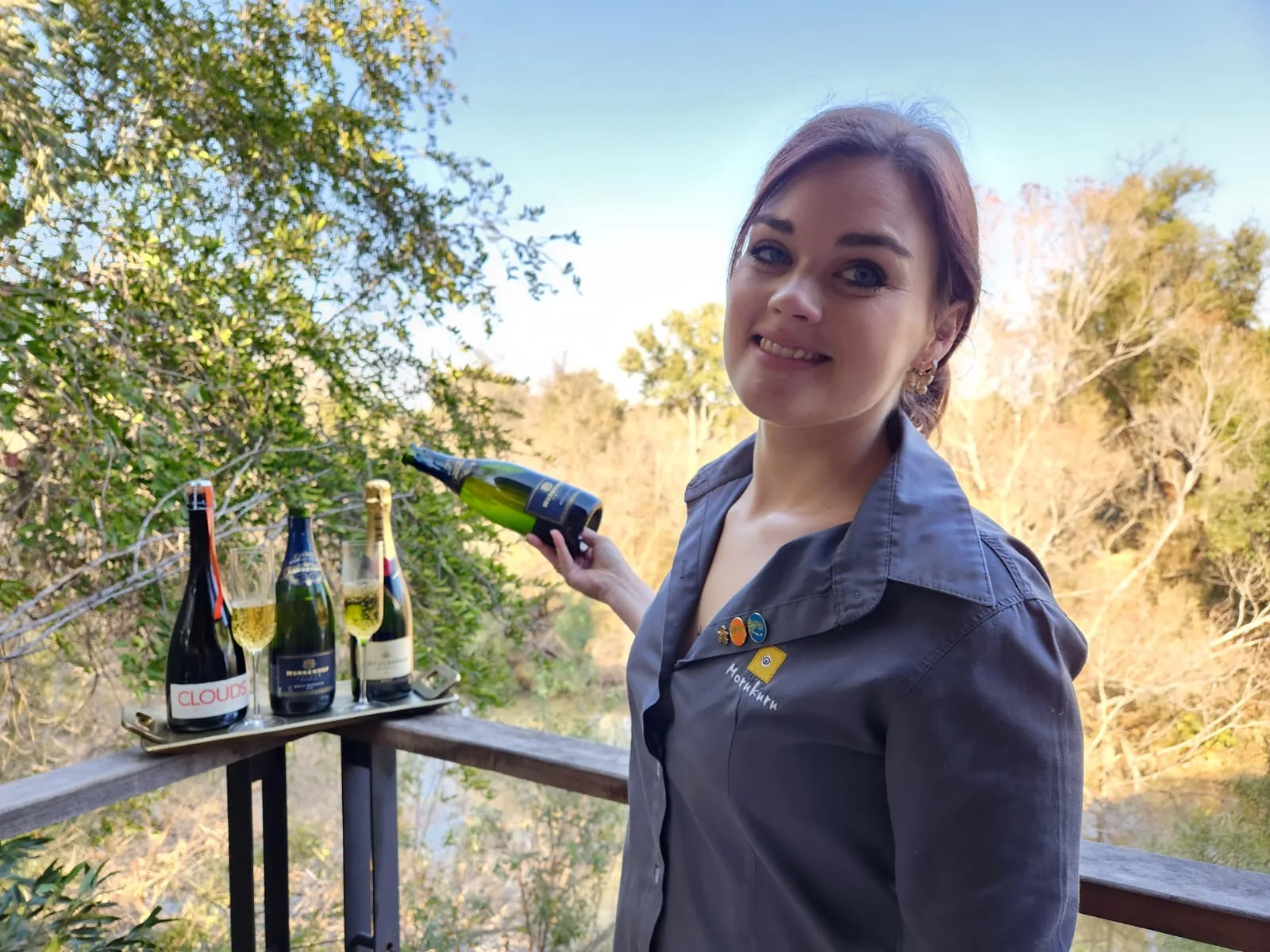
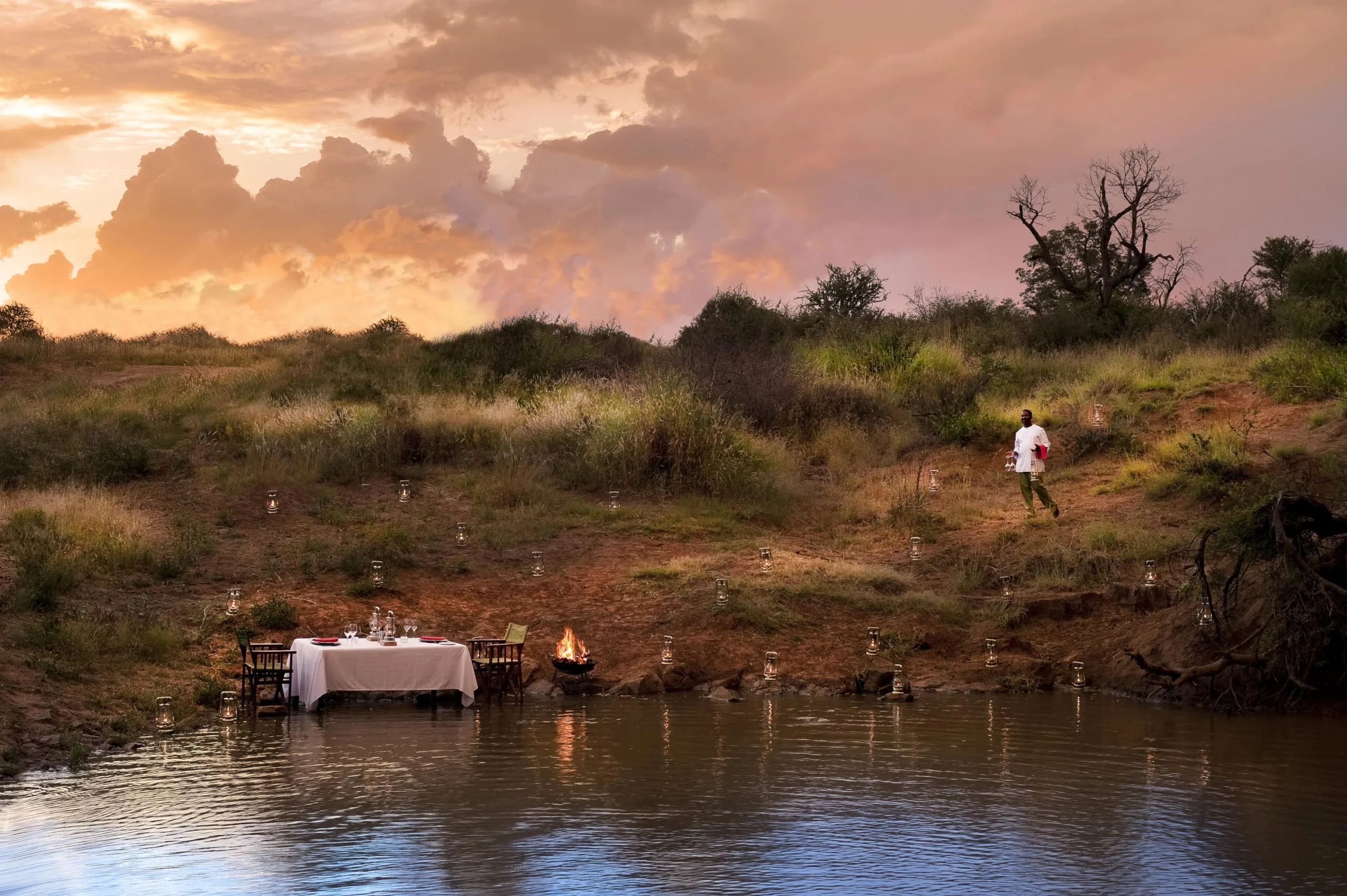
There is no restaurant choice in the resort sense, because every house has its own private chef and the menu belongs to the family. Breakfast, lunch, dinner and snacks are included, as are local beverages, non-alcoholic drinks, tea, coffee, house wines and local spirits. Meals can be served inside, on the veranda, at the boma or out in the bush. That flexibility is useful with small children: an early supper does not need a special request, and a long lunch after a morning drive is not competing with a restaurant’s next seating.
The food is the most consistently praised part of the experience after service. Recent family feedback repeatedly highlights meals adjusted for allergies, dietary needs and children’s preferences, alongside the theatre of different table settings and locations. The lodge’s pre-arrival personalisation process is intended to capture those details. Parents should use it properly: tell the team about allergies, preferred breakfast times, nervous eaters and birthdays before travel, rather than hoping a remote kitchen will improvise every requirement on night one. High chairs and kids’ menus are published, and baking with the chef is part of the children’s offer.
There are real limits to the dream. Premium wines, Champagne and spa treatments are excluded. The culinary variety comes from one skilled kitchen changing the setting, not from five separate restaurants with different cuisines, and a private-house stay can feel repetitive if a family insists on restaurant-style choice at every meal. For most groups, a bush breakfast, deck lunch, boma supper and picnic make the rhythm feel varied enough. The 9.3 dining score is earned by the breadth and consistency of feedback on food and personalisation, but it is a chef-led home format, not an all-day dining complex.
Staff & Service Quality
Morukuru’s Freedom Concept succeeds or fails on the people assigned to a house. The published staffing model is an eight-person private team, with a guide, tracker, chef, butler, host or hostess, housekeepers and nanny support when required. That does not mean eight people crowd the family all day. It means the guide can adjust a drive, the kitchen can act on a food preference and the house can keep moving without parents taking on the invisible work that normally follows a family holiday.
Service has the strongest evidence base in the review research. Across 33 individually attributed reviews, guides, trackers, chefs and hosts are repeatedly singled out for wildlife knowledge, warmth, food and thoughtful pacing. The TripAdvisor aggregate was recorded at 5.0 from roughly 546 reviews, while Google was 4.7 from 35 reviews. That consensus supports the 9.5 service score. It does not justify a perfect 10: a private lodge still depends on the individual team at the particular house and dates, and the best way to protect the experience is to share the family’s needs early, then speak up on the first day if the drive tempo, meal timing or childcare support is not landing.
One policy complaint concerned a non-refundable deposit and medical cancellation rather than the on-site team. That is still relevant when the trip is this expensive. Buy appropriate insurance, read the terms carefully and ask which rate conditions apply to your dates. Warm hospitality cannot repair a contract nobody has read.
Safety & Cleanliness
Madikwe’s malaria-free status is this property’s most important family safety credential. Children of all ages can join the private drives, the vehicle is not shared with strangers, and Farm House has its fenced private grounds for lower-risk walking and play. The wildlife setting remains real. Guides determine what happens around animals, and families should follow their instructions without treating the exclusive-use model as permission to relax the usual bush rules.
Pool safety requires a firmer expectation. There is no published lifeguard service, no published depth information and conflicting information on pool heating. An adult must supervise children around the water. On Big Five land, bush walks have a 16-plus threshold; families with younger children should use the safe, fenced walking alternative instead. This is a thoughtful environment, not a padded one.
Cleanliness feedback is overwhelmingly positive, with post-Covid protocols noted favourably, but the same 2025 critic who raised room-layout concerns also noted isolated housekeeping issues. It is not corroborated widely enough to define the property, yet it prevents us from calling the standard faultless. Limited WiFi also matters in a medical or logistical sense: carry essential documents and emergency contacts offline. The safety and cleanliness score of 8.7 gives serious weight to the malaria-free reserve, private arrangements and fencing, while recognising the practical unanswered questions around water safety and the small number of housekeeping concerns.
Value & Pricing
This is €€€€€ safari pricing, sold per house per night rather than per room. The entry point is Owner’s House, with a published 2026 low-season base rate of R53,000 for two guests, approximately €2,650 at the research-date exchange rate. Its high-season base rate is R64,000, roughly €3,200. The quoted rate includes meals, snacks, local drinks, laundry, reserve entrance fees, private game drives and the dedicated house team. Extra guests are additional, transfers are extra, and conservation charges can be charged separately. Compare the final family total, not the first headline number. River House and Farm House cost materially more because they are larger private homes. As a separate larger-house peak example, Morukuru’s official 2026 rack-rate sheet lists Farm House at R220,000 per night for 18 December to 3 January, about €11,000 at the research-date exchange rate, with a four-night minimum. That figure is not part of the Owner’s House €2,650–€3,200 entry band. Rates and conservation fees can change, so the price data is a planning anchor rather than a promise. Confirm current house, occupancy, inclusions and fees with Morukuru before booking.
Value here is not economy. It is the elimination of many safari add-ons: private drives, a private chef, laundry, local drinks and a house staff are inside the structure. For a family of four or a three-generation group, the arithmetic can look more defensible than several luxury suites plus private vehicles elsewhere. For two adults with one older child, it will feel extravagant because it is. The right question is whether the family will use the privacy and flexibility that make the rate rational.
Why We Picked It
Morukuru Family Madikwe earns its place because it solves the family-safari problem at the level that matters: ownership of the day. There is no shared vehicle to negotiate, no arbitrary minimum age keeping the youngest child at camp, and no pressure to make every meal or drive fit a lodge-wide rhythm. In malaria-free Madikwe, that is a rare combination for parents travelling with babies, young children or grandparents.
We would choose Owner’s House for a compact family wanting the most intimate house, River House for parents who need a genuine bunk room and separate adult bedrooms, and Farm House for a larger family that will use the fenced grounds and five-suite scale. Book the flight or transfer with the house, make the food and sleep brief detailed, and confirm cot inventory, pool conditions, child supervision and the current rate before committing. The resulting holiday is not casual, but it can be unusually free of the small compromises that turn a family safari into an exercise in logistics.
Families should also understand what private means operationally. A dedicated guide does not make every wildlife encounter predictable, and exclusive use does not create a theme-park version of the bush. The team can shorten a drive, stop for a toilet break or change the route when children are tired, but animals remain wild and sightings arrive on nature’s timetable. That is part of the education here. A nine-year-old may remember the patient tracking of a leopard far longer than a guaranteed parade of animals, provided the adults leave room for the slow parts of the day.
The most successful stays use the first afternoon to establish a family rhythm. Let the guide know which children wake early, which ones need a quiet hour after lunch and which are comfortable in an open vehicle. Tell the chef which familiar foods are useful when everyone is tired. Ask the host to clarify the pool routine and where the children may walk without an adult. None of this diminishes the spontaneity. It gives the house team enough information to make the spontaneity feel effortless. Families travelling with grandparents should also decide in advance whether everybody wants every drive; the private vehicle makes it possible for one part of the group to rest while another goes out.
There is a conservation dimension worth noticing. The three Madikwe houses are fully off-grid, using solar power, backup generators and grey-water recycling. That is a better fit for a reserve stay than a high-consumption fantasy, though families should expect the occasional practical limitation that comes with a remote operation. The point is not to sell a lesson in virtue. It is to show children a landscape where power, water and wildlife are visibly connected. A tracker explaining a spoor line in the dust, a quiet pool afternoon and a boma supper can be as formative as the Big Five checklist.
Watch Morukuru Family
Morukuru Family Madikwe: Family Questions Answered
Can babies and toddlers join game drives at Morukuru Family Madikwe?
Yes; Morukuru publishes no minimum age for its private game drives. Children of all ages are welcome, booster seats are available, and the dedicated vehicle lets the guide shorten or retime a drive around a younger child's attention span. Parents should still follow the guide's safety instructions and decide whether a long dawn or dusk outing suits their child.
What babysitting or nanny support is available for babies?
Babysitting is available, but it is not a conventional crèche. Morukuru's current fact sheet lists babysitting at all three Madikwe houses, and each booking has a private staff team. The publication does not specify hours, staff-to-child ratios or whether every arrangement is included, so families should confirm the exact caregiver, timing and charge in writing before travel.
Does Morukuru Family Madikwe have a drop-off kids' club?
No conventional scheduled drop-off club is published. Morukuru Kidz is a tailored family-safari programme built around personalised backpacks, spoor work, nature activities, fishing, baking and the private guide's read of each child. That flexibility is excellent for shared family time, but parents who want several hours of guaranteed independent childcare should choose a resort with a staffed club.
Can children join bush walks in Madikwe Game Reserve?
Main-reserve Big Five bush walks are for guests aged 16 and over and must be pre-booked. Morukuru's current fact sheet provides a separate option for younger guests: guided nature walks in the safe enclosed area on its private concession. Families should not treat an exclusive-use booking as an exemption from the main-reserve age and safety rule.
Which Morukuru house suits four, six or ten guests?
Owner's House is the four-guest choice, River House handles up to six adults plus four children, and Farm House accommodates ten guests. Owner's House has two en-suite bedrooms; River House has three en-suite doubles plus a children's room; Farm House has five en-suite bedrooms. River and Owner's House can also be paired, subject to availability and a direct quote.
What is the exact River House bedroom and bunk-room layout?
The official 2026 documents list three en-suite bedrooms plus a study or children's bedroom, with capacity for six adults and four children. The current River House web copy also describes the children's room but is less clear about the exact bed count. Ask reservations to confirm the current bunk configuration and which children count toward the ten-person maximum before paying a deposit.
Are cots, sterilisers and other baby items guaranteed?
No complete baby-equipment inventory is published. The official 2026 rate sheet confirms that infants under two stay free, but it does not guarantee a cot, monitor, steriliser, baby bath or exact bedding set-up. Send a written list to Morukuru before booking and ask reservations to confirm each essential item for the chosen house rather than assuming it will be present.
Are Morukuru's private pools supervised by lifeguards?
No lifeguard service or pool-depth specification is published. The fact sheet lists a private pool at every house: 14 metres at Owner's House, 12 metres at River House and 15 metres at Farm House. Families should plan continuous adult water-watch, especially because the pools sit within private-house grounds rather than a staffed resort pool complex.
Is Morukuru Family Madikwe in a malaria-free safari area?
Yes; Morukuru describes Madikwe as a malaria-free Big Five destination. That removes one major planning concern for families with babies and young children, but it does not remove ordinary insect precautions or the need for individual medical advice. Discuss any health questions with a qualified clinician and carry essential documents and contacts offline because the published Wi-Fi is limited.
What is included in Morukuru Family Madikwe's house rate?
The official 2026 rate includes exclusive use of the house, all meals and snacks, local soft drinks, house wines and spirits, laundry, reserve entrance fees, a private chef and house team, and a private guide, tracker and game-drive vehicle. Premium cellar wines, massages, outside-reserve day trips, conservation activities and road or air transfers to Madikwe are excluded; confirm the final quote.
How do families reach Morukuru Family Madikwe from Johannesburg?
Allow about four hours by road, or use a scheduled shuttle or private charter flight to Madikwe East Airstrip. Morukuru's FAQ describes roughly a one-hour flight followed by a game-drive transfer; its fact sheet gives the airstrip-to-house drive as about 30 minutes. External road and air transfers cost extra, while the airport meet-and-assist and transfers within Madikwe are included.
What should a family budget for Morukuru in 2026?
The planning entry band is about €2,650–€3,200 per house per night for Owner's House, checked on 28 August 2026 and subject to exchange rates. Morukuru's official sheet quotes R53,000 low season and R64,000 high season including two guests; extra adults and children cost more. Transfers and the conservation/community fee sit outside the house rate, while peak houses are materially dearer.
What are the main drawbacks for families?
The price, remoteness and private-house format are the main trade-offs. There is no restaurant collection, no conventional drop-off kids' club, no published lifeguard service and only limited Wi-Fi. The model works best when one family or multigenerational group can use the whole house and wants to safari together; it is less compelling for parents seeking resort-scale entertainment or predictable independent childcare.
How does Morukuru compare with other FFH family adventure stays?
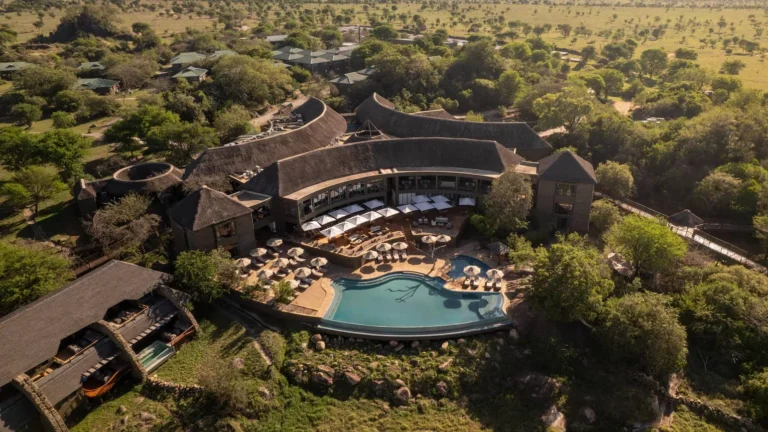
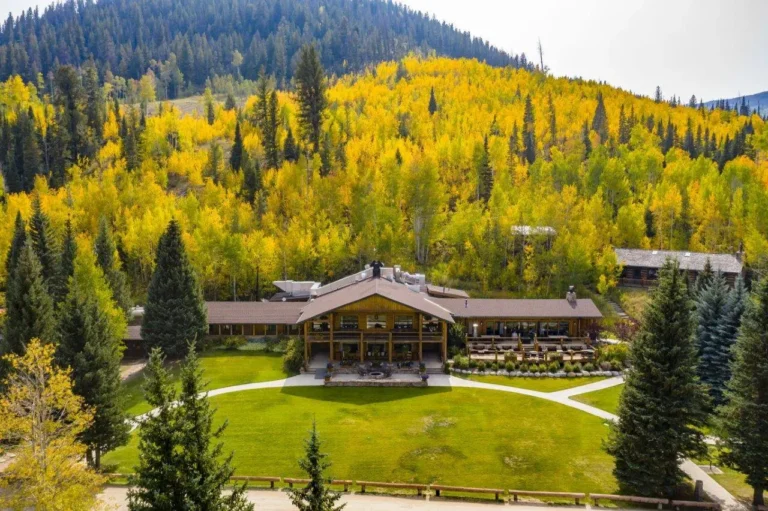
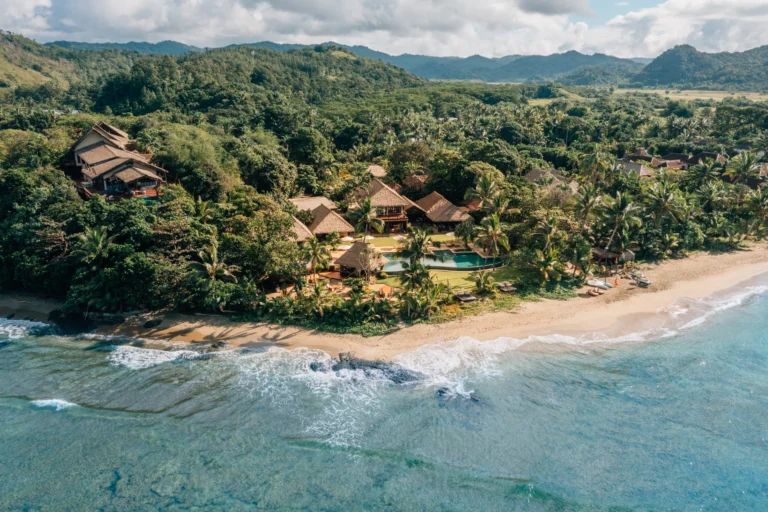
Morukuru is the specialist choice for an entire safari house, private vehicle and flexible all-ages drives. Four Seasons Safari Lodge Serengeti is a larger conventional Tanzanian lodge with broader shared facilities. C Lazy U Ranch substitutes Colorado riding and age-segmented programmes for Big Five safari, while Nanuku Resort Fiji pairs private-villa living with beach and cultural activities.