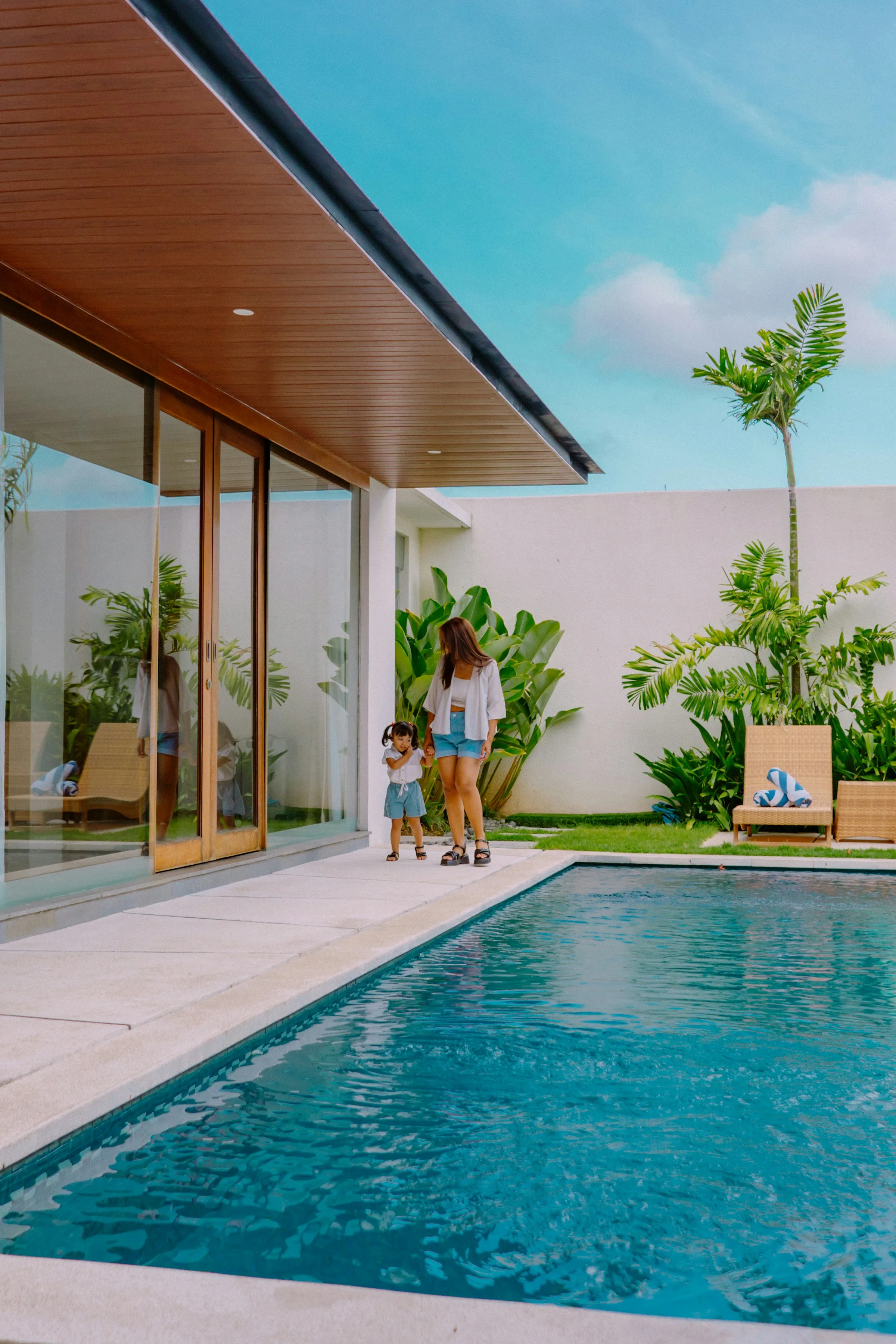
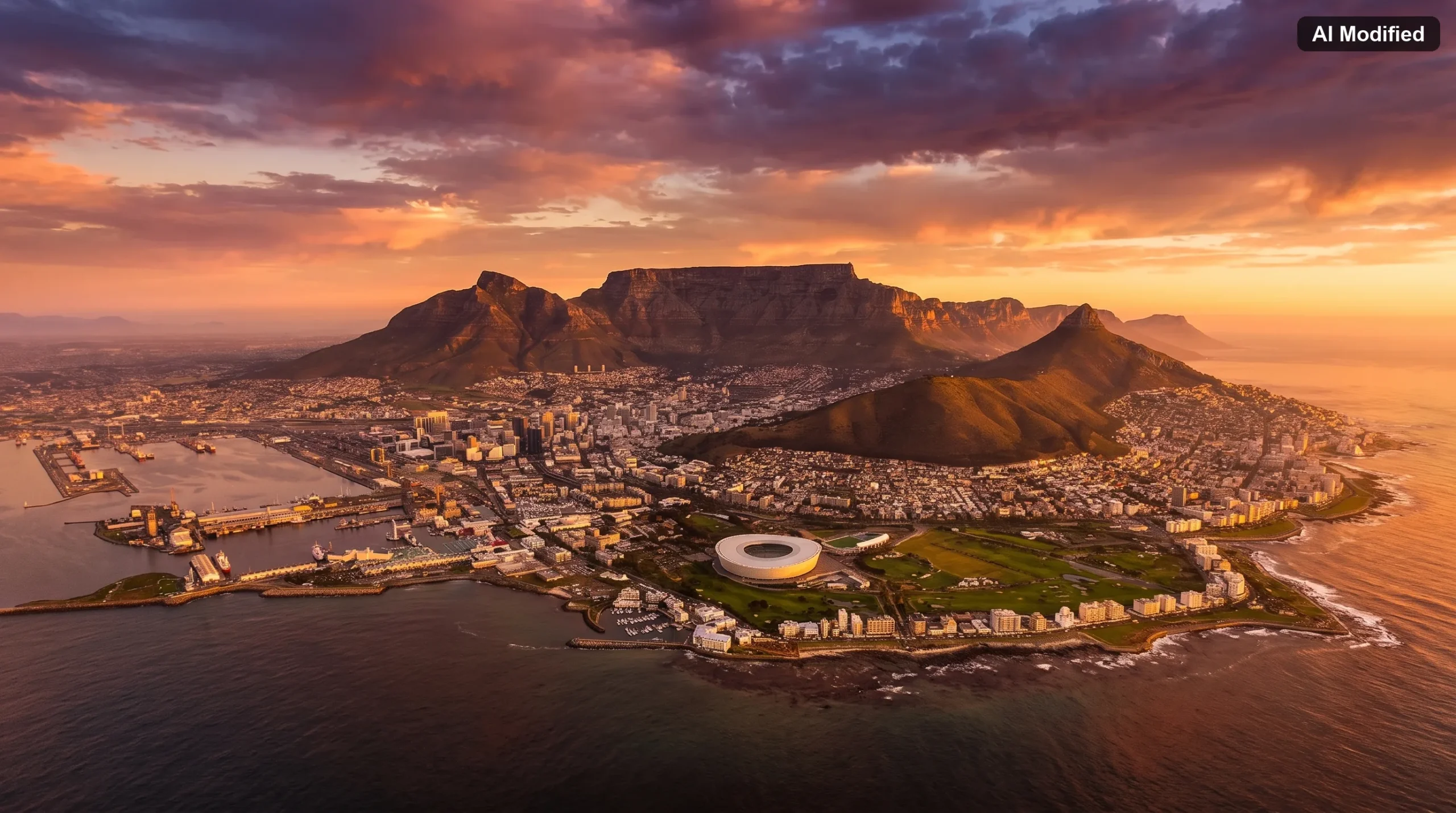
Table Mountain at seven in the morning in January is half wrapped in cloud, the cableway still an hour from running. You are on your second coffee on the hotel terrace, watching a container ship slide past the V&A Waterfront. Your children are already in the pool. You left Heathrow, or Frankfurt, or JFK seventeen hours ago, in the dark and the cold. Outside Cape Town, summer has been running for weeks, indifferent to the season you left behind.
The quick version
- Late January and February are the strongest window. South African public schools return on 13 January, so the domestic peak thins while full summer conditions hold through to the end of February.
- January is peak season. Expect higher prices, fuller flights and busy attractions, with February carrying somewhat less domestic pressure while still sitting firmly in high season.
- The Cape Doctor is real. Cape Town’s summer southeasterly wind can close the Table Mountain Cableway and make open-beach days unpredictable. Build at least one or two indoor buffer days into the schedule.
- The Atlantic is cold. Sea surface temperatures around Cape Town sit at roughly 12–15°C in summer. Swim in tidal pools and sheltered coves rather than the open ocean.
- Malaria-free Eastern Cape safari beats Kruger in this season. January and February fall within the higher-transmission window in malaria-endemic areas of South Africa including Kruger, while the Eastern Cape is malaria-free and delivers genuinely strong game viewing in either month.
- SARS traveller declaration: required since 1 July 2026. Every person entering or leaving South Africa, including children and infants, must submit this online within 24 hours of the final direct leg, and a parent or guardian may complete it for every child in the party.
- Pre-book your airport transfer. The road from Cape Town International has a documented safety risk. Arrive with a confirmed driver from your hotel or a reputable operator.
Why January and February
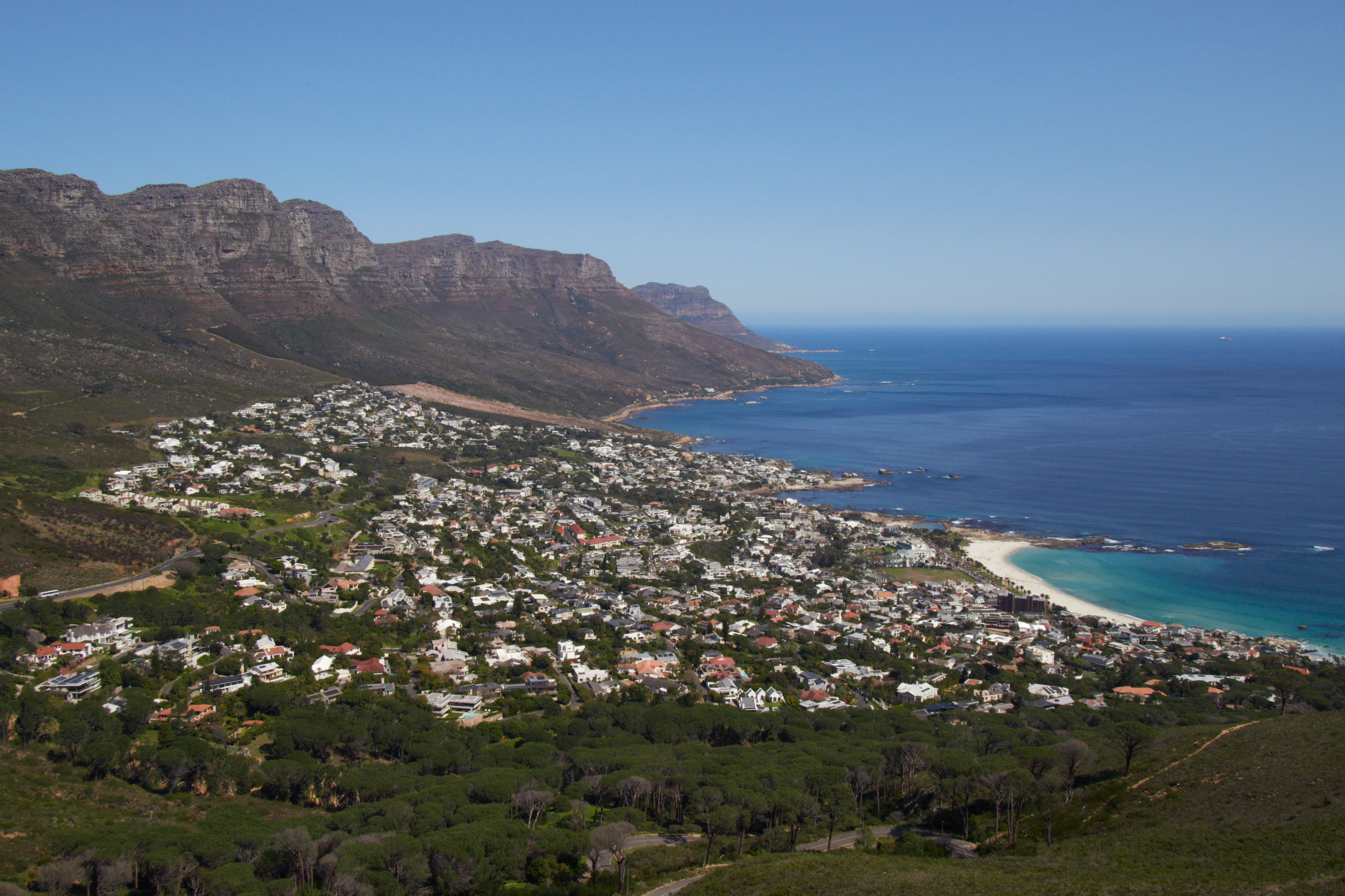
Cape Town’s summer is a Mediterranean one: dry, long and hot. In January the daily range runs from around 17°C at night to 28°C in the afternoon, with enough still days to make the mountain and the beaches work beautifully for a family. Daylight stretches past 20:00, which turns a Cape summer day into roughly twice the usable hours of a January day in London or Berlin.
The strategic argument for late January and February is the school calendar. South African public school pupils return on 13 January, which means the domestic beach-holiday peak is over. The rental-car scarcity and sold-out queues of Christmas week are behind you. The weather, the restaurants, the experiences are all at their summer peak, with the sold-out scrum of Christmas week behind you and the domestic market largely elsewhere.
February is the best month for international families to consider. It runs slightly cooler than January’s height, a touch less crowded, and still entirely summer. Cape Town hotels have run occupancy in the low-to-mid eighties in recent Februaries: busy, but not the sold-out frenzy of New Year. Book accommodation and key experiences ahead. This is not a secret season, and the pricing at every level reflects that with no ambiguity whatsoever.
One real variable is the Cape Doctor. This strong summer southeasterly can arrive without much notice and close the Table Mountain Cableway, churn up the Atlantic and make lunch on the Camps Bay strip feel like a weather challenge. Build one or two indoor buffer days into the plan (the Two Oceans Aquarium, Kirstenbosch, a lazy morning in the hotel pool), and the wind becomes an inconvenience rather than a spoiler.
Where to stay in Cape Town
For families arriving by long-haul flight, the Cape Town V&A Waterfront offers the highest concentration of family infrastructure per square kilometre. One&Only Cape Town is the anchor property here: its Two-Bedroom Family Suite runs to 218 m² and sleeps six, while the Two-Bedroom Island Family Suite reaches 254 m² with the same capacity. The hotel’s KidsOnly programme is properly run, and the hotel separately offers a behind-the-scenes turtle conservation encounter at the Two Oceans Aquarium: book it as its own 90-minute experience rather than expecting it inside the club day. Cape Grace, a Fairmont property on the marina, is the more intimate alternative, with a family offer of 50 per cent off a second room for families with children up to fifteen (minimum three nights, all room categories except suites, up to three children), alongside African storytelling and a complimentary children’s menu for under-fives. Terms current at the time of writing; confirm when booking.
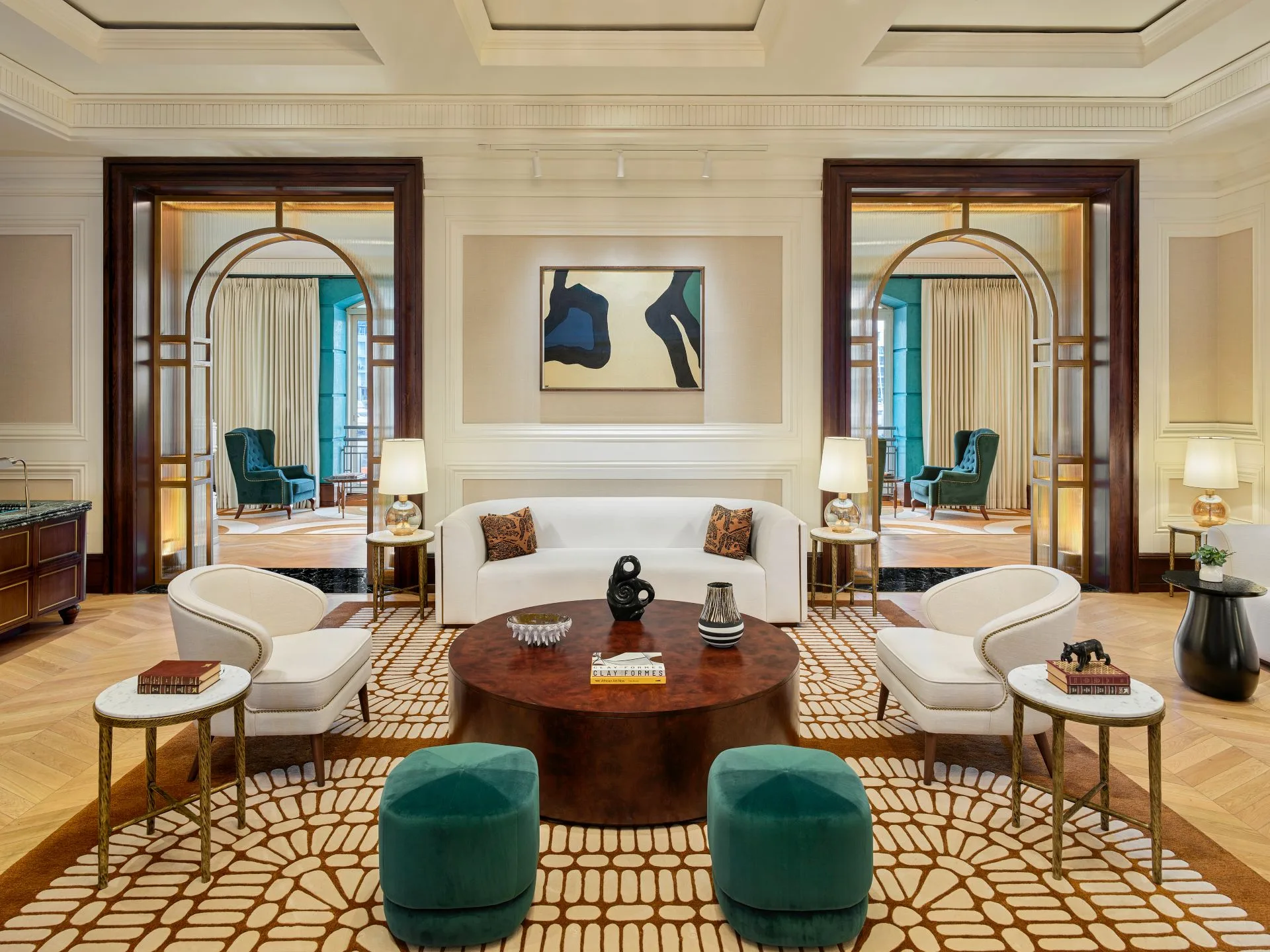
For families of six or more, the villa model in Camps Bay and Clifton is worth serious consideration. A well-staffed rental property (Cape Town has a mature market for these, with optional full-time chefs, childcare, chauffeurs and private security) gives you full-kitchen flexibility, laundry access and living space that two connecting hotel rooms cannot match. The tidal pools on the southern edge of Camps Bay beach and at Maiden’s Cove nearby are considerably better for children than the open Atlantic. The sea is beautiful and persistently cold, running around 12–15°C in summer; the tidal pools offer calm, manageable water for young children.
The V&A Waterfront versus Camps Bay decision comes down to character. The Waterfront is urban, walkable to restaurants and shops, animated in the evenings. Camps Bay is beach-first, quieter, with the mountain behind you at sunset. For a first visit with young children, we’d base at the Waterfront and arrange day trips to the beaches rather than the other way round.
Cape Town with kids: the experiences that earn their place
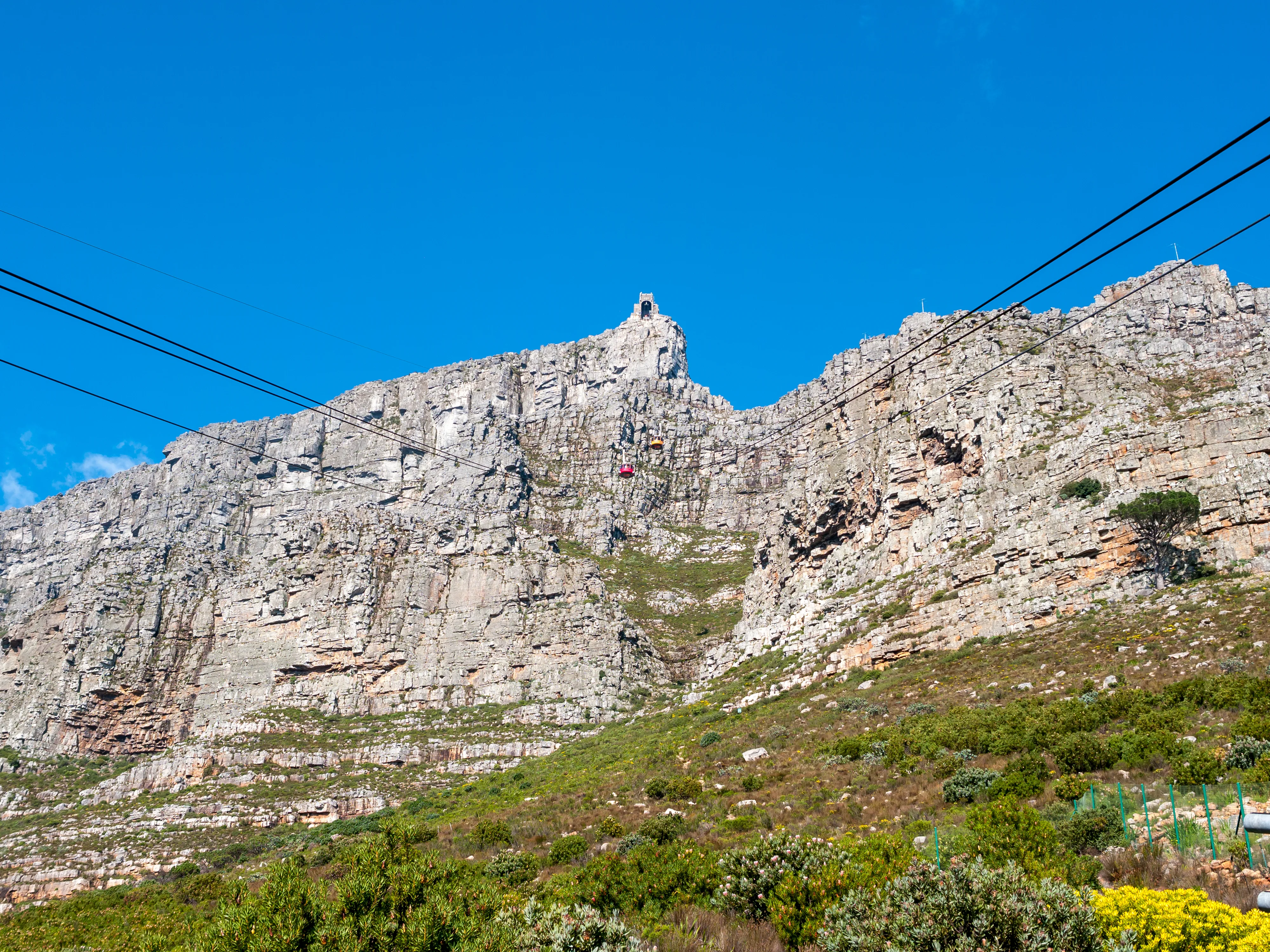
Table Mountain is non-negotiable, with the caveat that it only works when the mountain cooperates. Buy tickets online in advance: adult return R475, child age 4–17 R230, under-fours free, with a Fast Track option at R1,200. Tickets are valid for seven days, giving you room to swap the date if the Cableway closes for wind. The first morning slot on a clear day is the correct answer every time.
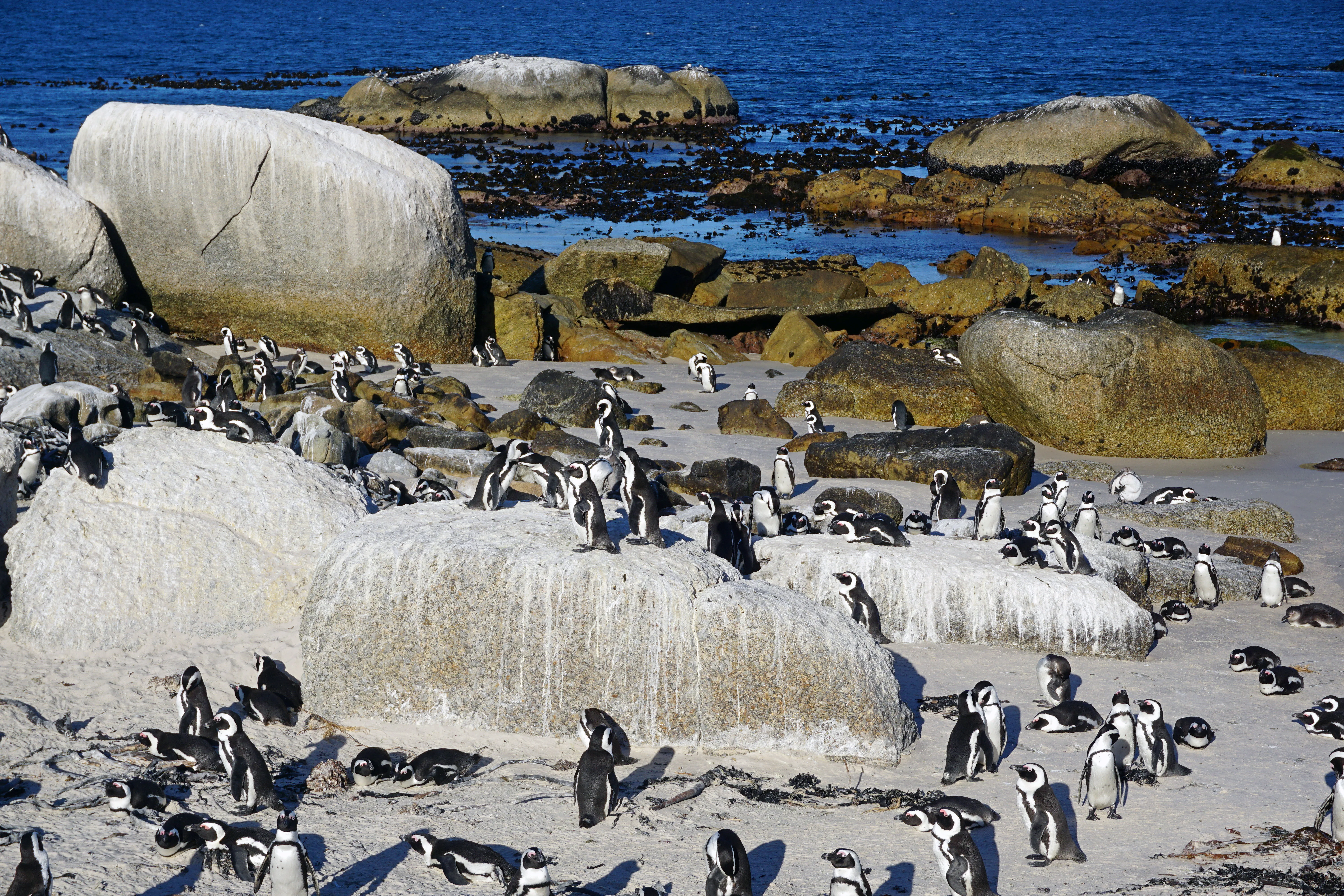
Boulders Beach is one of the more unexpected family experiences in South Africa. African penguins begin returning to nest from around February, which makes a late-January or February visit particularly rewarding for watching them at close range from the Foxy Beach boardwalk. Take the SANParks guidance seriously: do not let children approach the birds. These are wild animals with very sharp beaks and they will use them.
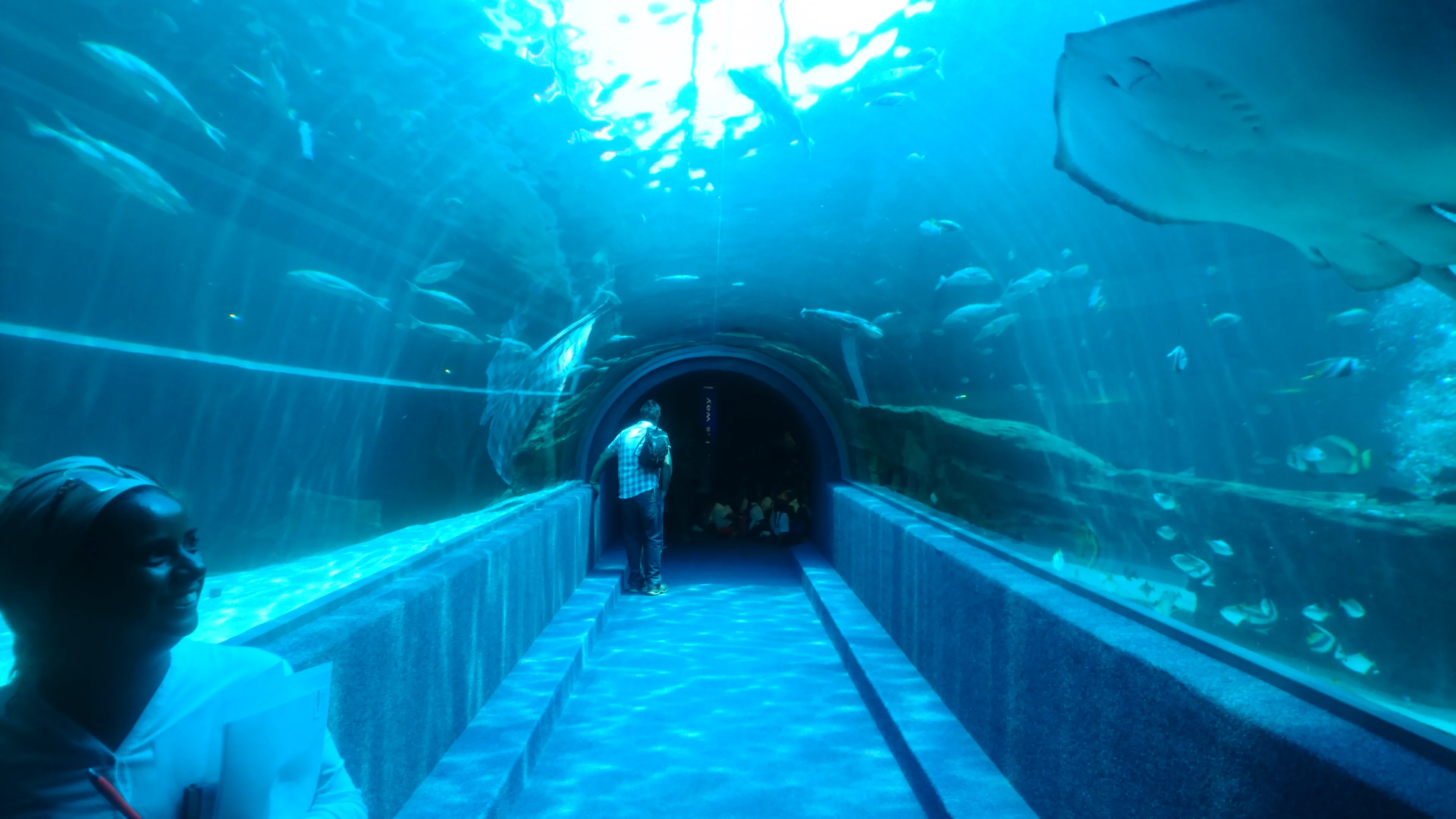
Two Oceans Aquarium at the V&A Waterfront is a solid half-day, especially when the wind turns an afternoon unpredictable. Standard admission runs R280 per adult, R210 for teenagers aged 14–17, R130 for children aged 4–13, and free for under-fours. The penguin and shark exhibits are well executed; the touch pool keeps younger children occupied while adults look at something that interests them. An After 3 discounted admission applies for visits after 15:00 during school term, which covers all of February 2027 (confirm this promotion is still running before visiting, as it operates until further notice).
Tidal pools and sheltered beaches matter more than the open-ocean beaches for any family wanting to actually swim. Maiden’s Cove, between Clifton and Camps Bay, has two tidal pools, a children’s paddling area and picnic facilities. St James, on the False Bay side of the Peninsula, has a popular painted tidal pool with considerably warmer water than the Atlantic side. For any open-beach swimming, use only lifeguarded beaches and swim between the red-and-yellow flags. Never try to swim against a rip current.
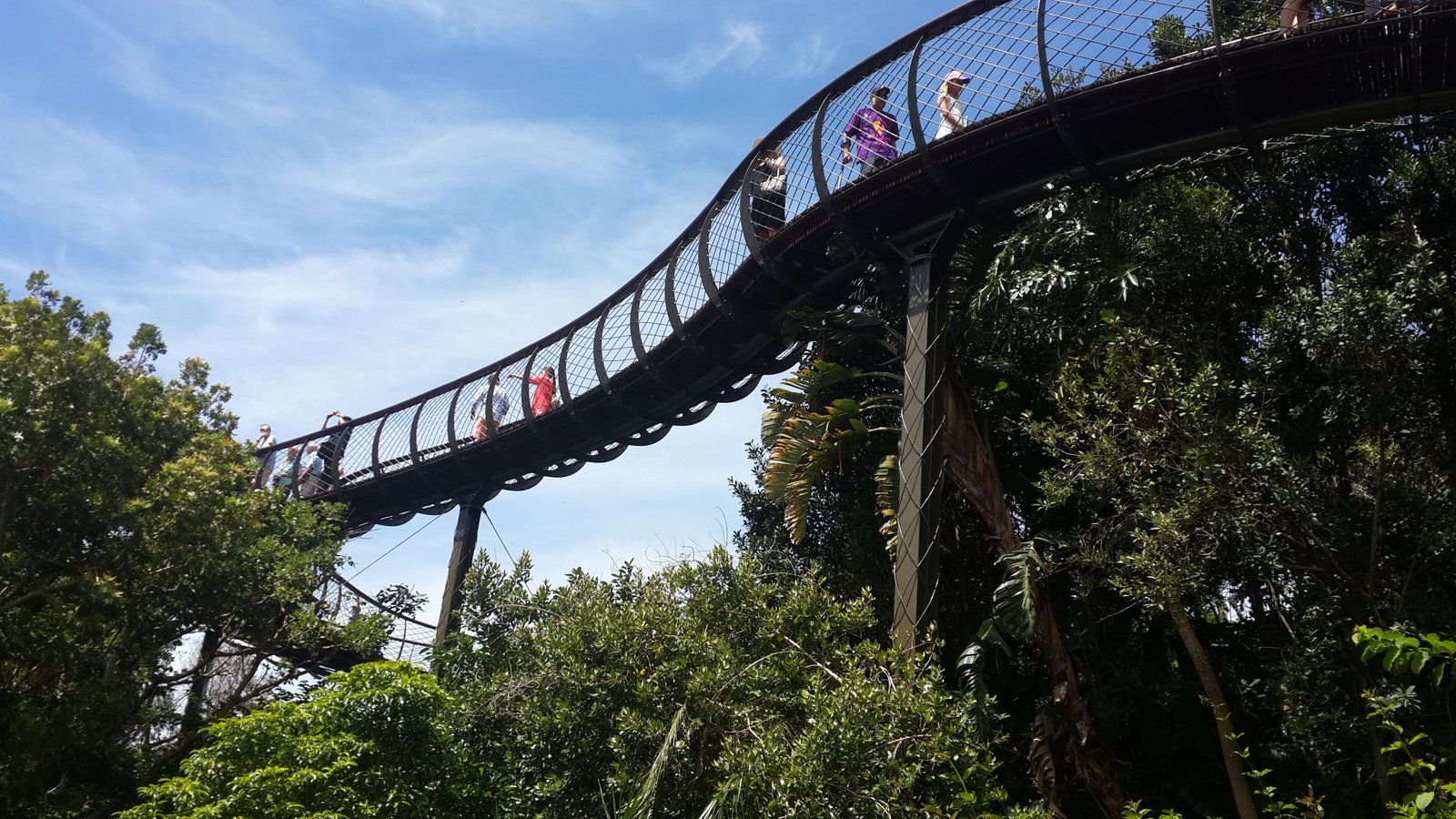
Kirstenbosch National Botanical Garden is for the morning when everyone needs a slower pace. Wide paths, shade, a decent café and two hours of looking at extraordinary plants. It works well as a decompression day between the mountain and the penguins.
Cape Winelands: why farm over wine tour
The classic winelands excursion of moving from tasting room to tasting room across an afternoon is a thoroughly adult exercise that doesn’t translate to children. What does translate is the farm itself: the animals, the scale, the working process. Two properties in the Franschhoek valley make this worth building into the itinerary as a full stay rather than a day trip.
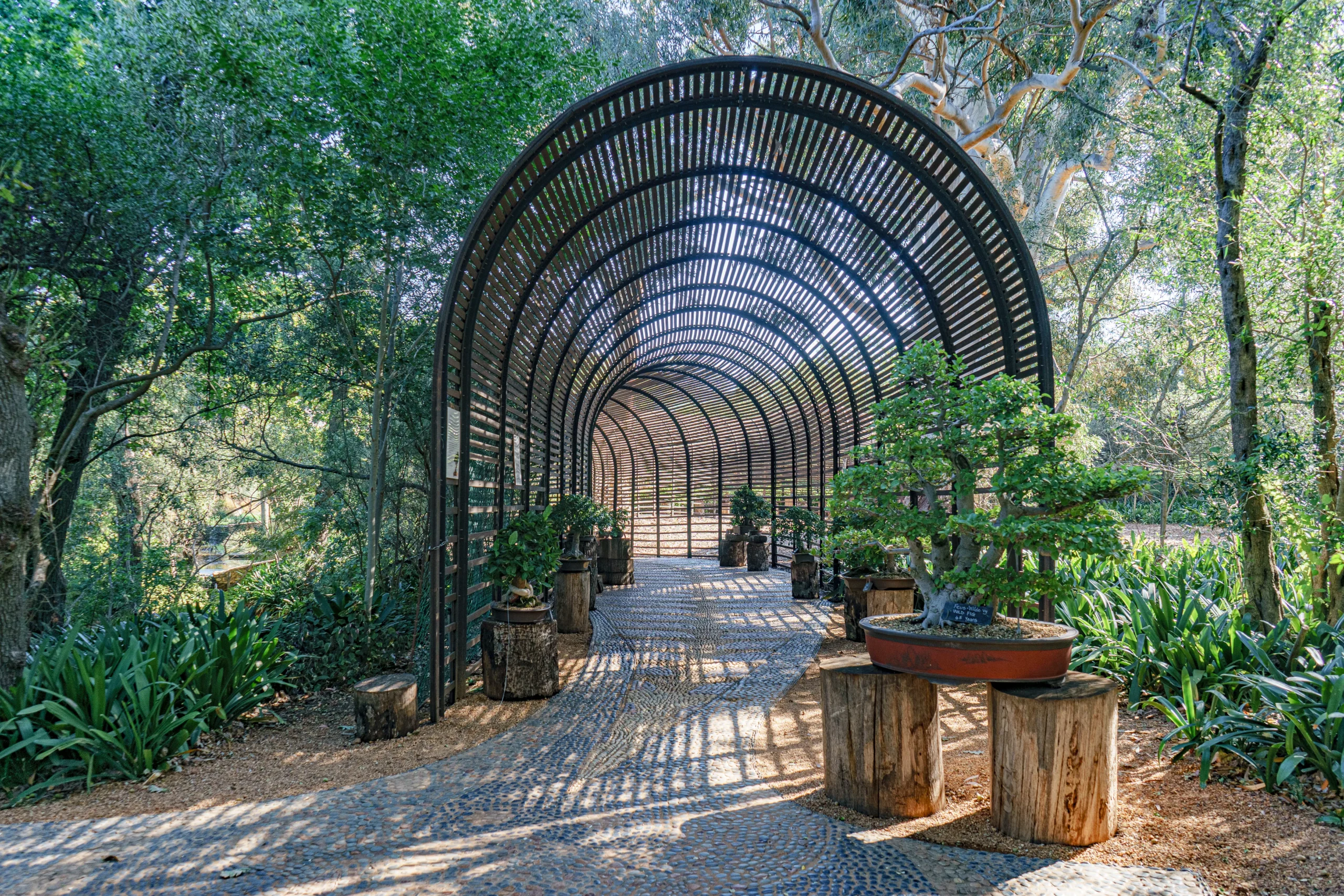
Babylonstoren operates one of the most considered farm stays in South Africa. The two-bedroom cottages (two bedrooms, two bathrooms, kitchen and lounge, sleeping a maximum of four) position you on the estate proper rather than in a hotel block. Soetmelksvlei, the working heritage farm on the property, is the main draw for children: ox-wagon rides, milling, blacksmithing, cream separation and a full indoor playhouse. Allow three to four hours. Two caveats worth knowing before you arrive: the Farmhouse accommodation category explicitly does not take children, so book only the two-bedroom cottage; and Soetmelksvlei’s terrain has open water, working equipment and uneven ground that can be awkward with a pushchair.
Boschendal covers 1,800 hectares and runs a supervised Tree House holiday programme for children aged 4–12 in morning, afternoon and full-day formats. The full summer programme runs through mid-January; families visiting in late January or February should contact the estate directly to confirm what structured programming is available in those weeks. Farm cycling, fruit picking and picnic dining work year-round regardless of the programme schedule, which makes Boschendal a viable Winelands base even without the full school-holiday infrastructure.
Spier has recently refurbished its hotel and offers guests aged 3–8 complimentary access to its Buzz Club nature activities, with childminding for younger children available on request. It is a plausible Winelands base if Babylonstoren is fully booked, with the same farm-estate character and more standard hotel infrastructure.
We’d book the Babylonstoren two-bedroom cottage over any wine-country hotel room for a family. The cooking at the farm table is exceptional, and the children will not notice the wine list at all.
The Garden Route: who needs it and who should skip it
The Garden Route is a classic South African family holiday in its own right (Knysna lagoon, Plettenberg Bay beaches, the Outeniqua mountain scenery), but adding it to a Cape Town plus safari itinerary means a third hotel change and significant additional logistics. On a 10-night trip, most families should skip it and use the time in the city or on the reserve, but on 14 nights it earns its place and gives the Garden Route the space it deserves.
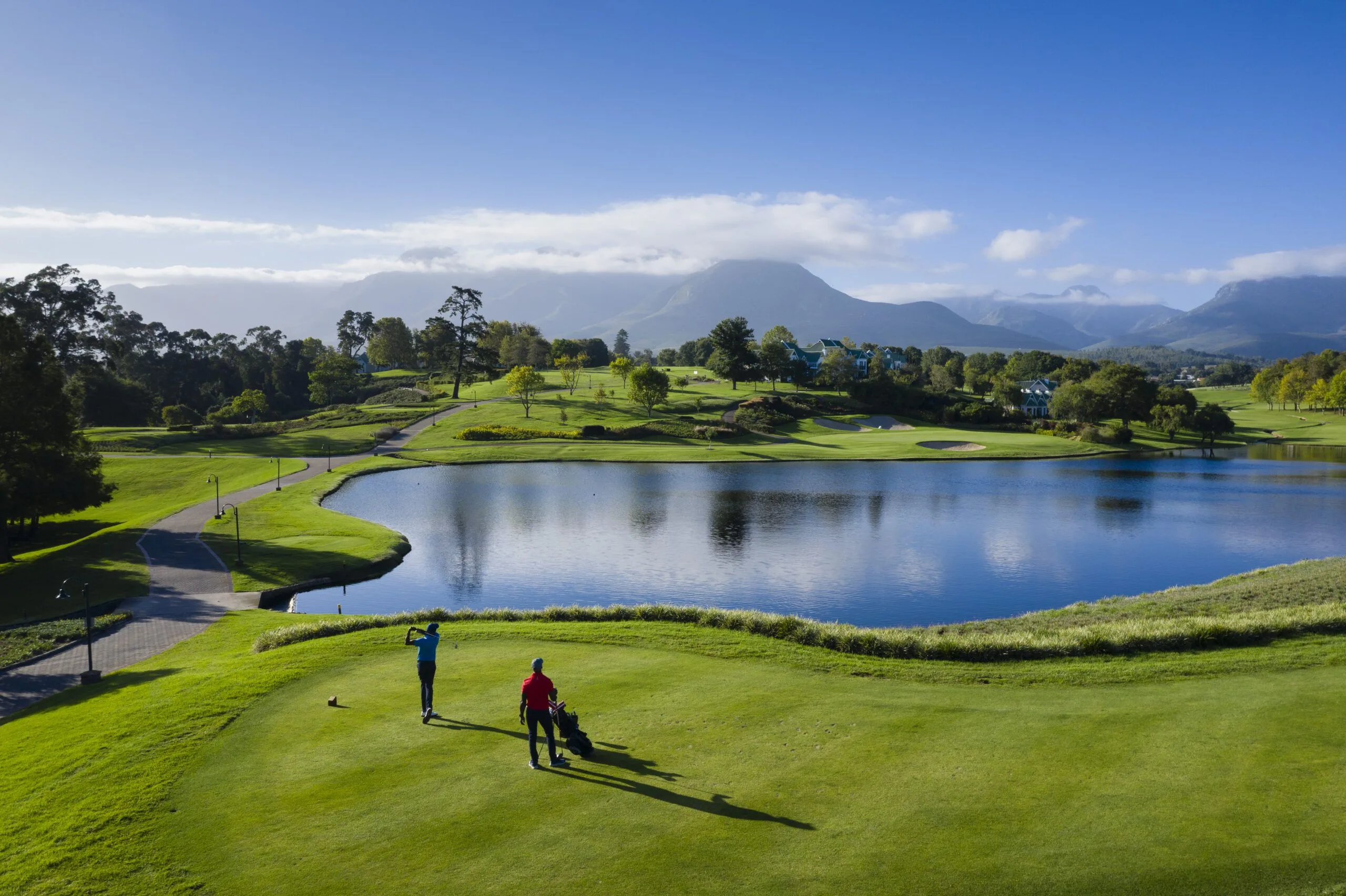
Fancourt is the practical Garden Route choice for families. It sits 7 km from George Airport (GRJ), has 115 rooms and suites across 613 hectares and runs a full Kidz Club with supervised holiday activities, a Teen Lounge, a cinema and multiple pools. Its primary adult draw is golf, emphatically so, but the family-facing infrastructure is legitimate and well-run. Fly CPT to GRJ rather than driving five hours from Cape Town. The Garden Route by road is beautiful, but the mountain passes are narrow and the distances are deceptive on a map.
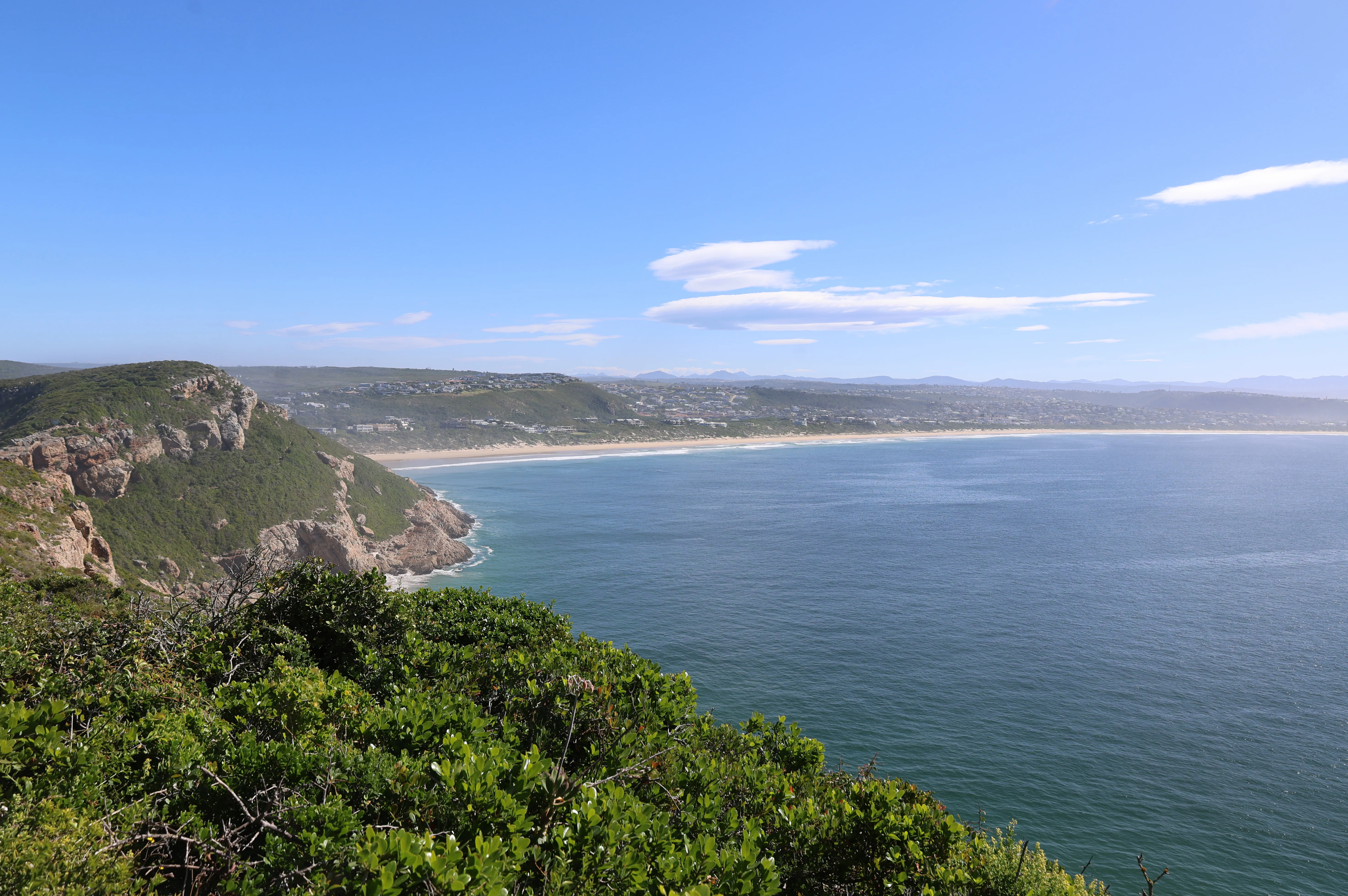
Plettenberg Bay, further east, offers premium villa rentals and Robberg Nature Reserve for a half-day coastal walk. It works as an add-on to Fancourt for families prepared to move again, and the beach access in January is outstanding.
The safari question: Eastern Cape or Kruger?
Kruger is the name most families think of when they picture a South African safari, and it is a spectacular park. It is also malaria-endemic. January and February fall within the period in which medical guidance recommends malaria prophylaxis for anyone visiting risk areas of South Africa, and the wet summer season also reduces savanna visibility compared to the dry months. For a family adding a three-night safari to a Cape Town trip, the Eastern Cape is the smarter answer on both counts.
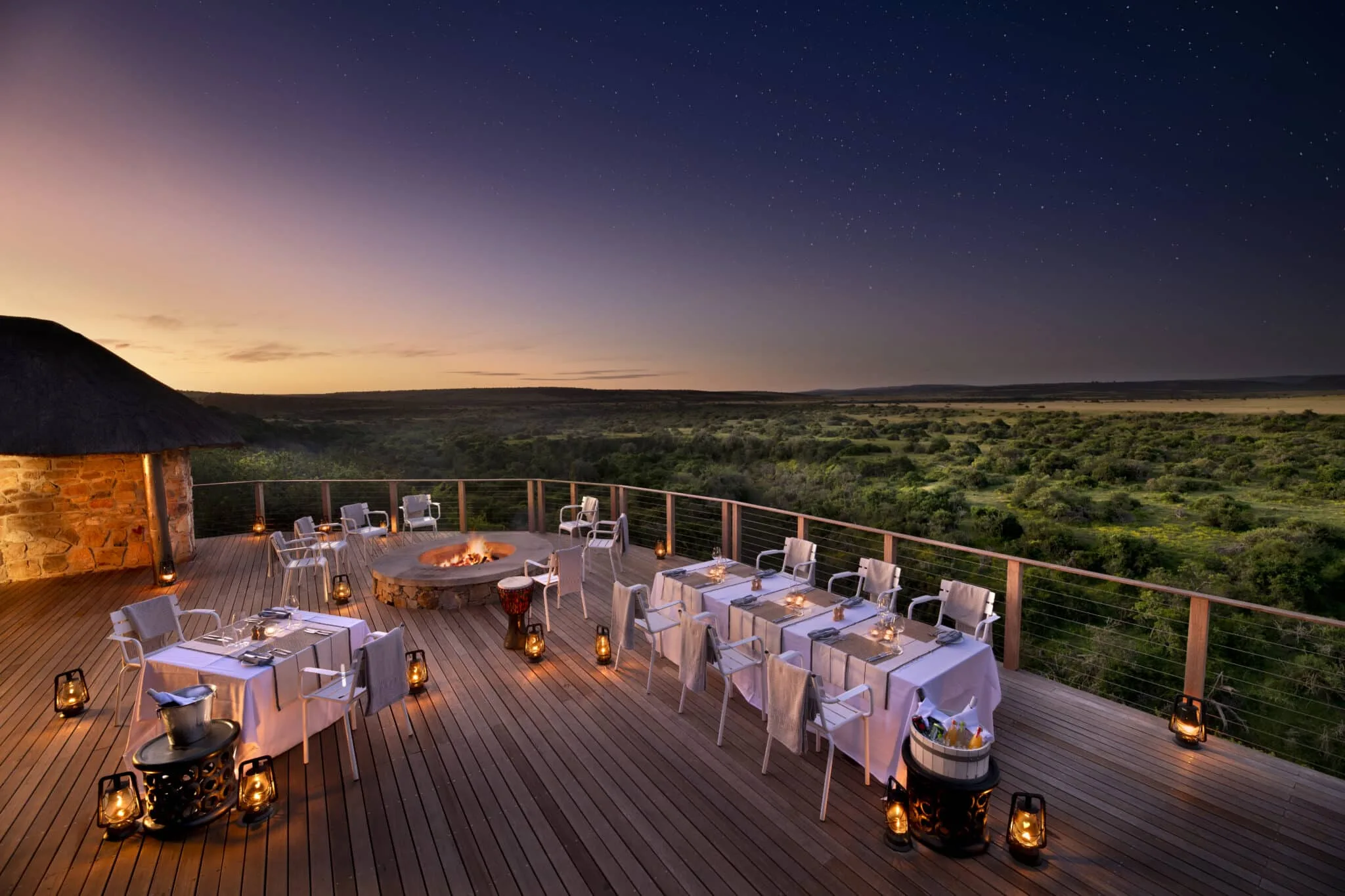
The Eastern Cape is malaria-free. It offers Big Five game viewing on private reserves within a short flight of Cape Town, with Gqeberha (Chief Dawid Stuurman International Airport, PLZ) as the arrival point. The flight from Cape Town takes around 90 minutes, and your safari lodge will arrange the onward transfer.
Kwandwe Ecca Lodge is the more intimate choice: six suites in total, including three Private Vehicle Suites, each providing an exclusive safari vehicle and dedicated guide. The lodge welcomes children of all ages in the Private Vehicle Suite configuration, which lets a family set their own game-drive timings without reference to other guests. Children aged 3–12 receive a safari activity kit at arrival. Published 2027 high-season rates for the Private Vehicle Suites run to R31,500 per person per night sharing, with children aged 6–12 at an additional R7,800 per night; under-fives stay at no charge. A conservation and community levy of R1,500 per adult and R750 per child per night is charged separately (confirm the current EUR equivalent with the lodge at the time of booking).
Shamwari Riverdene is purpose-built around families: four Luxury Family Rooms plus larger configurations accommodating up to nine guests, a Kids Adventure Centre with a zipline, climbing walls and a treehouse network, childminding, and a private safari vehicle per booked family unit. The reserve is malaria-free. Check the current minimum-age policy for game drives directly with the property before booking, as Shamwari’s published materials give slightly different guidance across different pages.
The South African lodge on our review desk right now is Morukuru Family Madikwe in the malaria-free Madikwe Game Reserve; the full FFH review is in progress, and it is already a useful reference point for what the top end of the South Africa family-lodge market delivers. For a broader view of what to look for at each age group across the continent, our safari lodges guide covers the criteria that actually matter.
Where we’d actually eat with kids
Six places that survive contact with real children, plus one for the night you book a babysitter.
- V&A Food Market, Waterfront. The easiest first-night dinner in the city: every child finds something, nobody waits long, and the harbour is right outside.
- Den Anker, Waterfront. Harbour-side Belgian institution: moules frites for the adults, a proper children’s menu, and the working harbour to watch from the terrace.
- Willoughby & Co, Victoria Wharf. The Waterfront’s famous sushi counter. Go early; the queue builds fast after 18:30.
- The Company’s Garden Restaurant, city centre. Lunch under old trees beside a playground, next to the museums. The rare city restaurant where children can safely roam.
- Babel at Babylonstoren, Winelands. Garden-to-table cooking in a glasshouse; the menu follows what the farm picked that morning. Book well ahead.
- The Werf picnic at Boschendal. Blankets on the lawns, baskets from the deli, space to run. The lowest-effort great lunch in the valley.
For the adult evening: La Colombe in Constantia remains the special-occasion table of the Cape. Both One&Only and Cape Grace arrange vetted babysitting; book the sitter when you book the table.
Getting there and getting around
The six bases below are the whole trip at a glance — how far apart they really are, and how long each is worth.
Cape Town International Airport is well connected for a long-haul destination. Direct routes from the UK, Germany, the Netherlands, Switzerland, France and the US East Coast (including New York, Washington D.C. and Atlanta) are all established. Most northern European and East Coast American families will find their preferred carrier operates a direct or single-connection service. Check schedules at the time of booking, since Cape Town has been expanding its international route network considerably over the past several years.
Once in the city, a combination of pre-booked transfers and a rental car works well. The V&A Waterfront is walkable for daily life; a car earns its place for Boulders Beach, the Cape Point drive and the Winelands. Cape Town driving is on the left; road conditions on the main routes are good. Rural and township roads are a different matter and should be approached with local guidance.
For the Garden Route add-on, fly CPT to George (GRJ). For the Eastern Cape safari, fly CPT to Gqeberha (PLZ). Both flights run under 90 minutes and remove unnecessarily long drives from the itinerary.
Since 1 July 2026, every person travelling to or from South Africa must submit an online SARS traveller declaration, including children and infants. A parent or guardian may complete it on their child’s behalf. Submit it within 24 hours of the final direct leg to South Africa. It is an online form, not a paper card at the airport; complete it before you board.
Safety: the things worth knowing without the alarmism
South Africa’s crime statistics are real and should not be dismissed, but risk varies materially by location, time and behaviour. Careful planning reduces exposure rather than eliminating it, and the practical measures involved are straightforward and not especially onerous.
The highest-risk moment for visitors arriving in Cape Town is the road from the airport. UK government guidance specifically warns of targeted attacks on routes to and from Cape Town International, including cases involving hired-car visitors who have been followed from the airport. The recommended routing is the N2 or M3, staying on Airport Approach Road and exit 16, and not following GPS diversions off main roads. The simplest mitigation: book a pre-arranged transfer through your hotel or a reputable operator rather than collecting a hire car and driving through unfamiliar territory on arrival. Avoid rental car drop-offs at night.
Beyond the airport transfer, standard travel caution applies: keep valuables out of sight in the car, be alert at ATMs, stay in your vehicle in townships unless on an organised visit, and do not leave bags visible on café chairs. None of this is uniquely Cape Town; all of it is worth taking seriously.
Which version of this trip fits your children?
The route holds at every age; the emphasis shifts. Here is how we would tune it, band by band.
- 0–3: Fewer moves, longer stays. Four Waterfront nights plus one Winelands farm, skip the Garden Route entirely, and insist on a safari lodge with a private vehicle so game drives end when naps demand it. Tidal pools beat open beaches at this age.
- 4–8: The sweet spot. Penguins, the Cableway, farm animals and sandcastle beaches feel designed for this bracket, and both Eastern Cape reserves welcome it on private drives.
- 9–12: Add ambition. Surf lessons at Muizenberg, farm cycling at Boschendal, the junior programmes at the reserves. This age handles the CPT to PLZ hop and a full-length game drive without complaint.
- 13–17: Autonomy and adrenaline. Lion’s Head at sunrise, kayaking off the Waterfront, and lodges that seat teenagers as adults at dinner. February’s school-term quiet suits them best; no crowds to fight for the good tables.
How many nights?
Cape Town four nights, Cape Winelands three. A proper city and countryside trip; save the safari for the next visit.
Cape Town four, Winelands three, Eastern Cape safari three. The complete circuit without a hotel change that is not worth making.
Add the Garden Route for three nights and a fourth on safari. Room for Plettenberg Bay and room to breathe between legs.
For most first-time visitors, 10 nights is the right call. It is enough time to feel the city without rushing, to settle properly into one farm, and to have three full days on a private game reserve. The Garden Route is beautiful, but it is a bonus, not the backbone of this trip.
What this trip actually costs
Planning bands for a family of four, excluding international flights. City and Winelands beds are the controllable part of the budget: a self-catered farm cottage can come in under R10,000 a night, while two rooms at the Waterfront flagships on the family offers run several times that. February school-term dates cost meaningfully less than Christmas week for the same rooms.
The safari is where the budget jumps. At Kwandwe’s published 2027 rates, three nights in a Private Vehicle Suite for two adults and two children aged 6 to 12 comes to roughly R236,000 before the conservation levy, around €11,500. Shamwari’s family rooms come in materially lower, and both reserves price February well below the December peak. On 14 nights, the Garden Route leg adds four CPT to GRJ fares and three hotel nights: a small increment next to the safari decision.
Packing for Cape summer
Sun protection is the dominant category. Cape Town sits at 33°S latitude with high UV, and the summer sun is punishing even on cool or hazy days. Pack factor 50 sunscreen — the La Roche-Posay Anthelios Dermo-Pediatrics SPF50 is our current FFH Gear pick for children — and UV-rated rash vests or long-sleeved UV shirts for beach and tidal pool days. Reapply every two hours on the water, more frequently on a reflective surface.
A light windproof layer earns its place even in full summer. The Cape Doctor can make exposed viewpoints and open terraces feel sharply colder within an afternoon. For the Eastern Cape safari, an early-morning game drive at 5:30 AM is cold regardless of the season: pack at least one mid-layer per person.
Binoculars for the safari are worth the luggage space. Children who spot a giraffe before the adults will talk about it for years. A compact pair pays off at Boulders too, from the Foxy Beach boardwalk.
For the rest: a reusable water bottle (Cape Town’s tap water is good), comfortable walking shoes for the mountain and the farm, and basic medicines including antihistamines for children. Cape Town and the Eastern Cape reserves sit outside South Africa’s known malaria transmission zones, unlike Kruger and parts of the northeast; follow current travel-health advice for your exact itinerary.
The trip, in sum
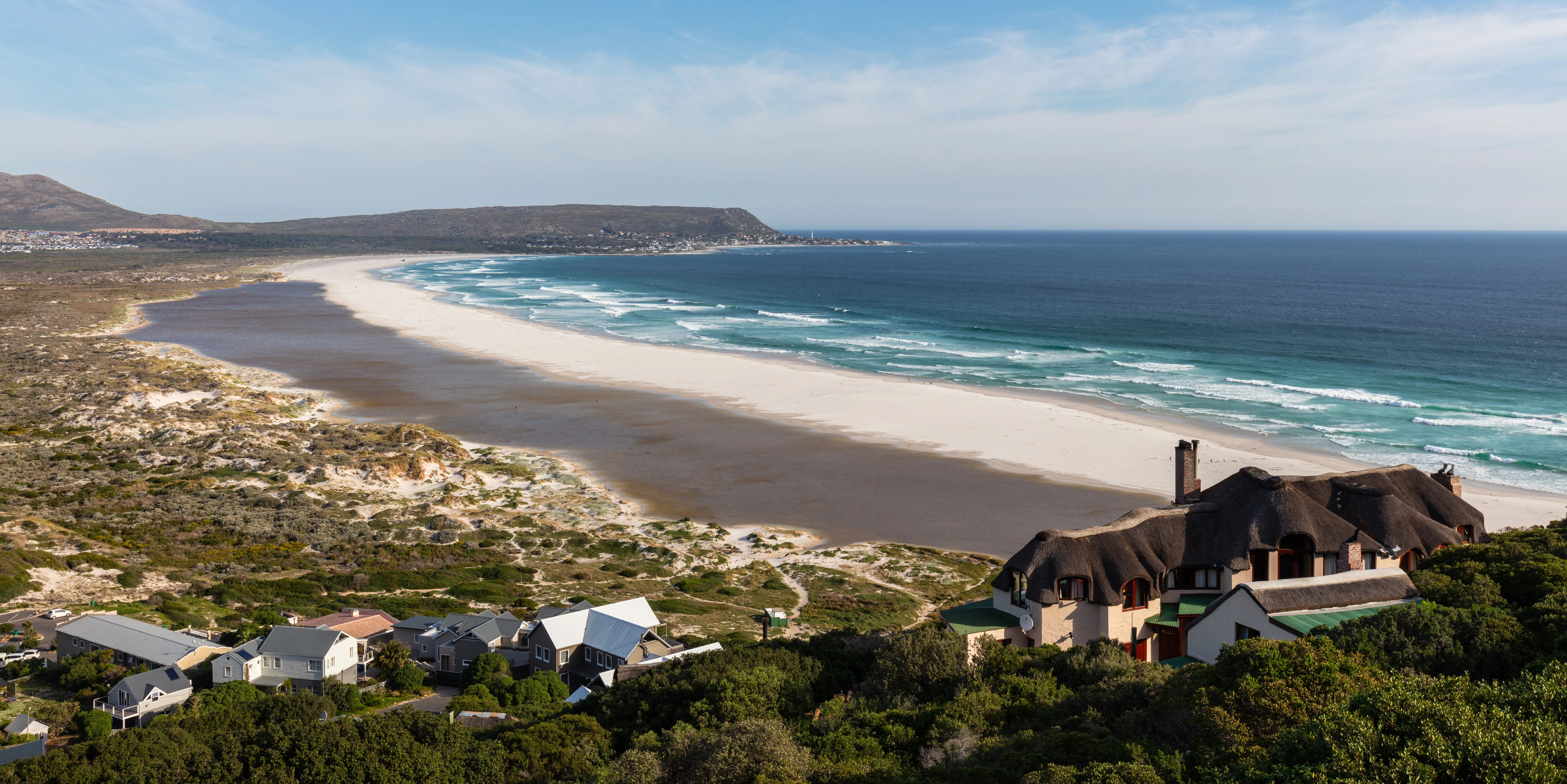
This is a trip for families who want substance alongside the summer. Late January and February in South Africa deliver Cape Town at its most liveable, wine-country farm stays at their most beautiful and a malaria-free safari without the logistical anxiety of a wet-season Kruger. For parents travelling with children from roughly four upwards who want a winter escape with real variety rather than a warmer version of the same beach holiday, these two months offer one of the most compelling family travel circuits available. The only caveat: book early. Cape Town in January fills up fast, and the best lodge configurations at Kwandwe and Shamwari sell before most families have started planning.