Africa is the one destination where your child’s age decides whether the trip works at all, so we have ranked the lodges that take children, bracket by bracket, with the minimum ages, malaria status and private-vehicle rules that actually govern who gets onto a game drive.
The quick version
- The single biggest variable on a family safari is the lodge’s minimum age for shared open game-drive vehicles. Most camps set it at six. Under-sixes get on a drive only via a privately booked vehicle (your own guide and tracker, at a surcharge) or a short kid-paced “bumble drive”.
- For the under-threes, go malaria-free and go fenced: Tswalu Kalahari (Northern Cape), Kwandwe and Shamwari (Eastern Cape), and Tuningi in Madikwe are the lodges that welcome babies and toddlers.
- Eight-to-twelve is the golden age: old enough for longer drives, young enough for the cubs and junior-ranger programmes. This is where Sabi Sabi‘s EleFun Centre, Londolozi‘s Cub’s Den and &Beyond’s WILDchild earn their keep.
- Walking safaris generally need a child to be twelve; balloon flights usually twelve; gorilla trekking is a hard fifteen. Teens are the easiest passengers of all.
- “Allows children” and “built for children” are not the same sentence. We have flagged the lodges that merely tolerate young guests, and the ones with a 10+ bar you should know about before you fall in love with the photos.
- Skip the “Big Five at all costs” framing for the very young. A four-year-old’s safari is dung beetles, a tortoise and elephants at a waterhole, not a leopard kill on day three.
The rule that decides everything: the minimum age for a shared vehicle
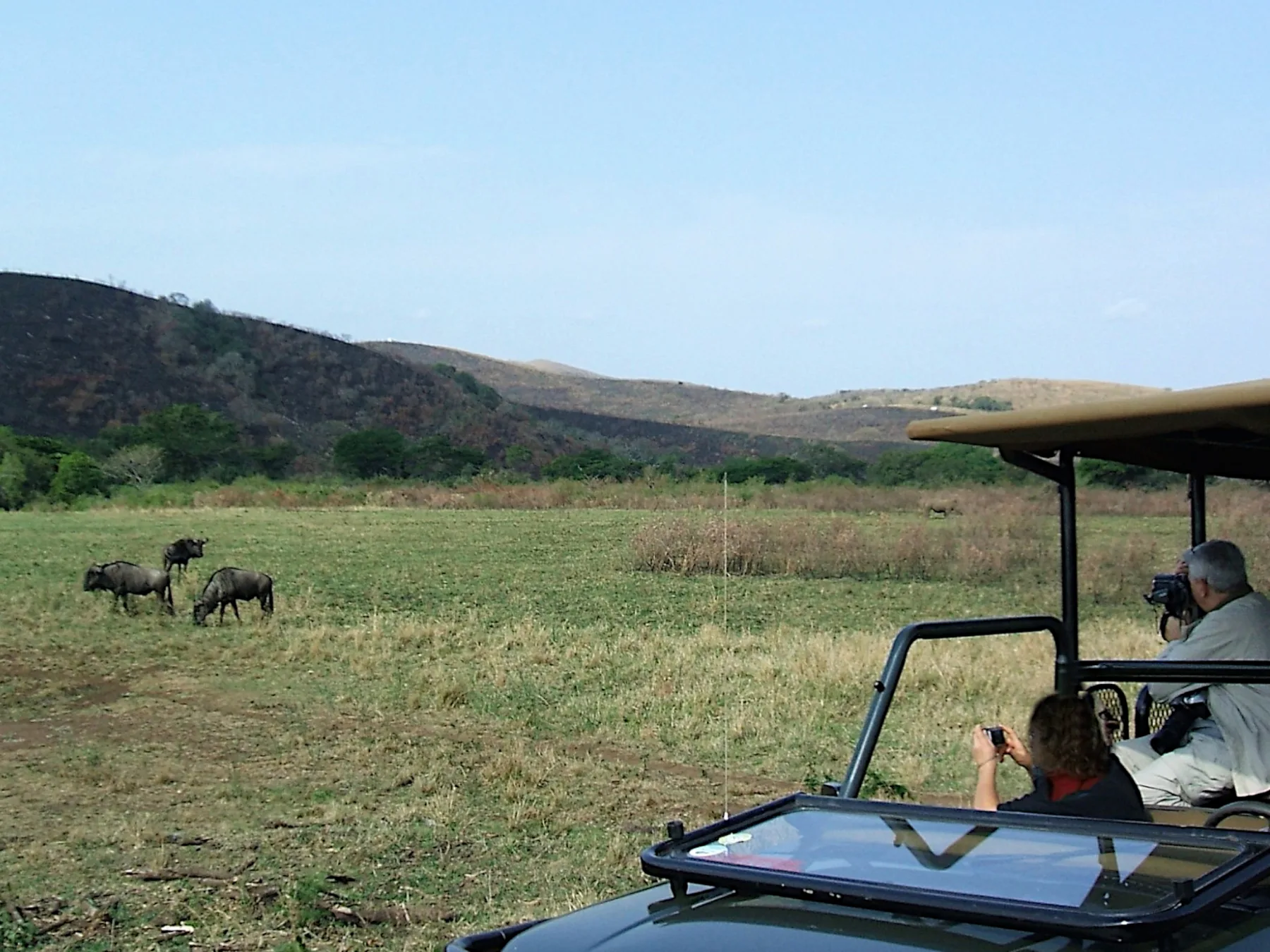
Before any lodge name, learn the one number that governs a family safari: the minimum age for a shared open game-drive vehicle. At most camps it is six. Below that, your child is off the communal Land Cruiser, not because the lodge is unkind, but because a restless toddler on a three-hour drive alongside six strangers hoping for a leopard is a problem for everyone, the toddler included.
There are two practical workarounds, and you should price both before you book. The first is the private vehicle: your own guide, your own tracker, the vehicle booked exclusively for your family, almost always at a daily surcharge. It is the single most useful thing you can buy on a safari with small children, because it lets you put an under-six on a drive, cut the outing to forty minutes when attention collapses, and stop for as long as your three-year-old wants to watch the dung beetles. The second is the bumble drive: a short, private, kid-paced excursion built specifically for the under-sixes, usually after the grown-ups’ morning drive, with a ranger who knows how to hold a small child’s attention. Not every “child-friendly” lodge runs one, which is exactly why we name the ones that do.
Everything that follows is organised around the four FFH age brackets, because the lodge that is perfect for your fifteen-year-old may not let your three-year-old through the gate. We have named real lodges, with real minimum ages and real programme names. We have not yet published a full FFH review of any African lodge (those are being commissioned), so treat the names below as our shortlist, not as live review links.
0–3: babies and toddlers, malaria-free, fenced, and your own vehicle
This is the hardest bracket, and the one where most of the famous reserves quietly fail you. Two non-negotiables: the reserve must be malaria-free, because very young children often cannot take the prophylactics, and the camp must be fully fenced, because unfenced camps let lions, leopards and hyenas walk through at night. After that you want a private vehicle, a family villa under one roof, and ideally a childminder. Very few lodges clear all four bars. Here are the ones that do.
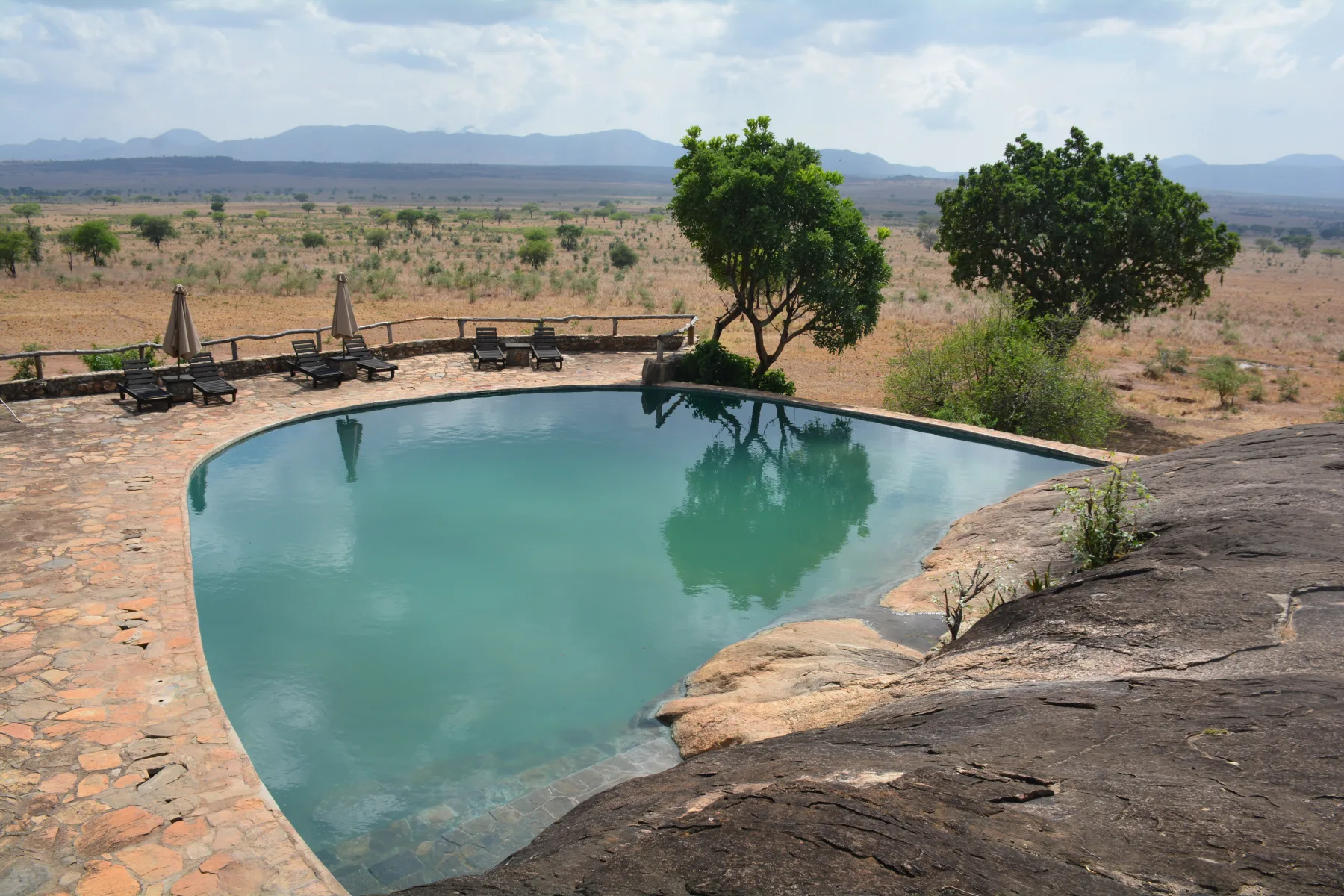
1. Tswalu Kalahari (Northern Cape): the gold standard for the very young
If we were booking a first safari for a tribe of under-fives tomorrow, Tswalu would be the call. It sits in the malaria-free Kalahari and pitches itself, without hedging, as extra safe for a family travelling with a baby or young child. Crucially, every booking comes with its own private open vehicle, guide and tracker as standard: the reserve runs only a handful of small camps, so privacy is the operating model, not an upsell. Children of all ages are welcome on game drives. For a multigenerational group we would book the exclusive-use Tarkuni homestead (five bedrooms, sleeps up to ten, everyone under one roof) over a standalone Motse suite, where children under twelve stay free with up to two parents. The Junior Ranger programme runs archery, spoor casting, tracking, bush walks and pizza-making. The one thing we cannot confirm from the lodge’s own pages is dedicated childminding: ask your specialist before you assume a nanny.
2. Kwandwe Ecca Lodge (Eastern Cape): the first-timer’s malaria-free pick
The Eastern Cape is the quiet hero of the under-three safari: malaria-free, easy to reach, and forgiving of a family finding its feet. At Kwandwe, Ecca Lodge welcomes all ages, with three of its six suites built as family suites for two adults and two children. The detail that matters: the family suites and the exclusive-use villas come with a private vehicle and ranger, and an exclusive-use booking carries no minimum age and lets you set your own timetable. There is a perimeter fence, an entertainment room and childminders on request. For a first big-ticket safari with a toddler, this is about as low-stress as Africa gets.
3. Tuningi Safari Lodge, Madikwe: the under-five specialist
Madikwe is malaria-free, and at every lodge in the reserve children of six and up can join regular drives at the ranger’s discretion, while under-sixes go out on bumble drives. Tuningi takes that further than most: it accepts children of all ages (rare for a five-star game lodge), runs a dedicated under-five programme of shorter game-viewing trips, treasure hunts and interactive dinners, and has two family suites where parents and children get their own rooms off a shared living area and deck. Experienced babysitters are available on request. Under-fives go on their own bumbles; five-and-ups may join bush bumble drives at the lodge’s discretion. If you want one Madikwe address built around the youngest child in the family, this is it. (Madikwe Lelapa is a strong second, with bumble drives for children as young as two and professional babysitting.)
4. Shamwari Riverdene (Eastern Cape): the dedicated family lodge
Also malaria-free Eastern Cape, Riverdene is Shamwari’s purpose-built family lodge. Children from four can join game drives, and the “Kids on Safari” programme comes with an Adventure Centre (climbing walls, ziplines, crafts and supervised play) plus activity booklets and childminding on request. The drive age of four edges it just above the pure-toddler bracket, but for a family spanning a two-year-old and a six-year-old, the dedicated lodge and the Adventure Centre carry the day.
5. Cheetah Plains (Sabi Sand): the exclusive-use option
One caveat first: Sabi Sand is a malaria-risk area, so for a baby this is the bracket’s outlier, not its default. We include Cheetah Plains because its model sidesteps the usual minimum-age problem entirely: it is whole-villa exclusive use, three four-bedroom solar villas, each with its own electric private game vehicle, and children under twelve stay free. With your own villa and your own vehicle you set the pace and the drive length. Third-party sources disagree on the precise child-age stance, so treat it as “all ages on a private, exclusive basis” and confirm with the lodge, and weigh the malaria question hard for anyone under six.
What to avoid in this bracket: malaria-zone reserves full stop, and any lodge with a rigid six-plus shared-drive rule and no bumble drive. The long-haul flight and light-aircraft transfers are also their own trial (the roughest window is roughly ten months to two-and-a-half years), so for camp and the airport legs, a good child carrier like the Deuter Kid Comfort Pro and a fold-flat travel stroller such as the Stokke YOYO3 earn their place in the hold.
4–8: the golden-age entry: cubs, junior trackers and shorter drives
This is where a safari starts to land. Four-to-eights are old enough to be captivated and young enough to need a programme built for them, which means you are shopping for two things: a lodge that will get them onto a drive (via age rules or a private vehicle), and a genuine kids’ programme rather than a colouring book left on the bed.
1. Sabi Sabi: the EleFun Centre (Junior Tracker, 4–8)
Sabi Sabi’s EleFun Centre at Bush Lodge is one of the best-defined children’s programmes in the country, split cleanly by age: Junior Tracker for four-to-eights, Junior Rangers for nine-to-twelves. The programme is free and includes bush walks, talks and scheduled midday kid-friendly game drives hosted by a childcare professional. The fine print to respect: children under six cannot join standard safari activities, and three-to-sixes may only go out with parents on an exclusively booked vehicle. Note that Sabi Sand is malaria-risk: a real consideration for this bracket, and one to take to a travel-medicine doctor.
2. Londolozi: the Cub’s Den (Sabi Sand)
Londolozi runs drives for sixes and up. Four-and-five-year-olds are not allowed on shared drives unless you have pre-booked a private vehicle, or the child joins the Cub’s Den: a dedicated base of fish ponds, Land Rovers and activities overseen by a specialist “Cub Coach,” included in the rate. The Cubs programme runs at the family-friendly camps (Varty and Founders), so confirm the camp takes the programme before you book. As with all of Sabi Sand, factor the malaria question for the under-twelves.
3. &Beyond properties: WILDchild (3–12)
&Beyond’s children’s programme is WILDchild, designed for ages three to twelve and run across its family-friendly lodges: bark rubbing, bug collecting, frog safaris, baking with the chef, and a WILDchild backpack of age-appropriate kit for each child, supervised by guides and lodge staff. We are deliberately precise here: &Beyond’s programme is WILDchild, not any other name you may see attributed to it. Lion Sands, in Sabi Sand, sits under the same &Beyond family umbrella; we would treat it as a WILDchild property rather than quote a precise minimum age, because the reserve-level rule (around six on shared drives, under-sixes via private vehicle) is what we can confirm.
4. Shamwari Riverdene: drives from four, malaria-free
Riverdene reappears here for the obvious reason: its drive age of four lands squarely in this bracket, and it does so in malaria-free Eastern Cape. For a family whose youngest is four or five and who would rather not weigh antimalarials at all, it is the cleanest answer on this list.
5. Royal Malewane: Royal Rangers (in the all-ages suites only)
Royal Malewane’s standard minimum age is ten at Malewane Lodge, Farmstead and Masiya’s Camp, so read this carefully. Children of all ages are welcome only in specific spaces: the Royal Suites at Malewane Lodge, Africa House, The Farmhouse and Waterside. Book one of those and the Royal Rangers programme opens up: a fully equipped bush backpack with a record book, an optional Junior Rangers tracking course for older children, optional child-minding and a “Royal Cubs” spa menu. Book anywhere else and a four-year-old will not get in. It is a superb lodge for this age, but only if you book the right room.
9–12: the sweet spot: full drives, full programmes
This is the easiest, richest bracket. Nine-to-twelves clear almost every shared-drive minimum, sit happily through a full game drive, and are old enough to genuinely understand what they are looking at. The lodges open up, and so do the programmes: the same names as the younger bracket, now at full depth.
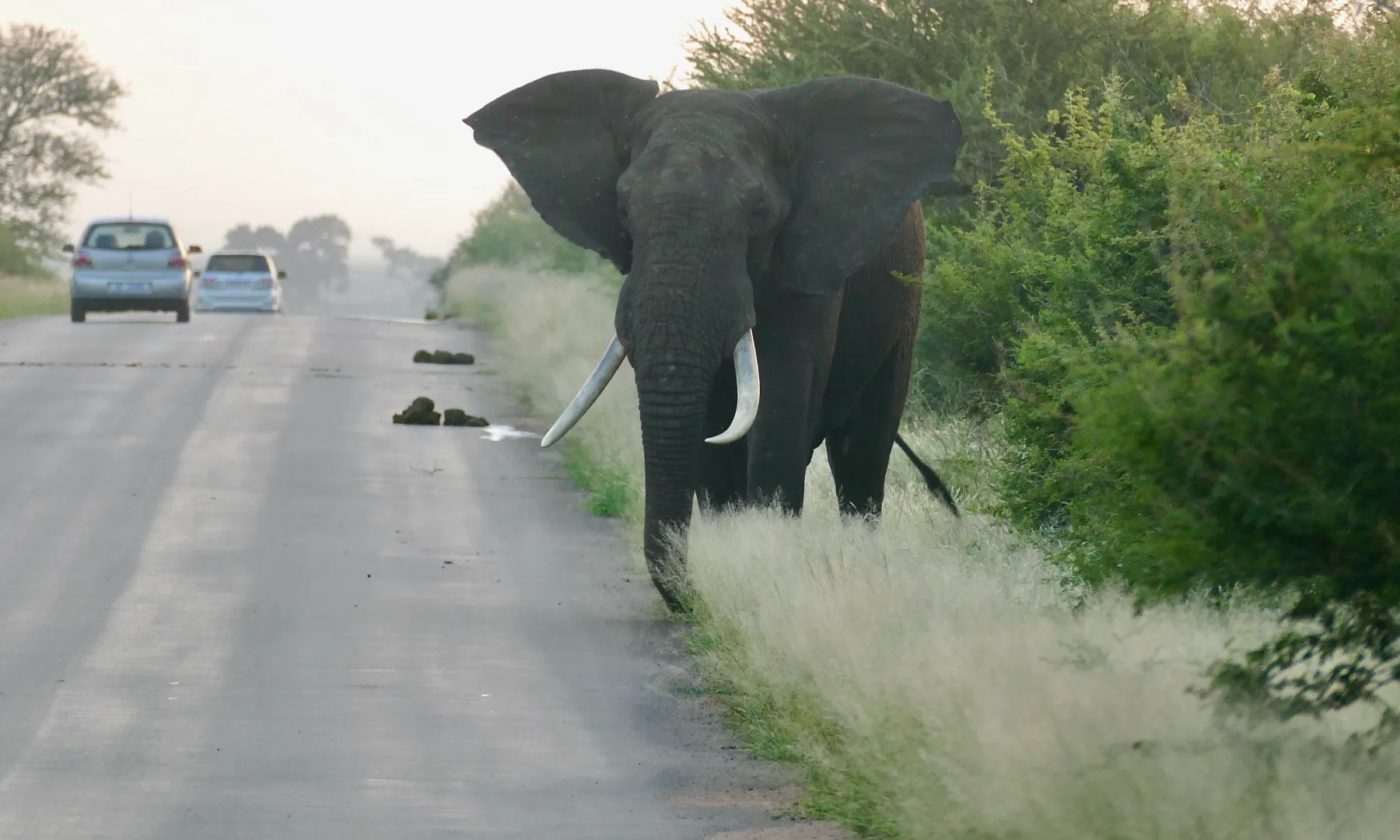
- Sabi Sabi: Junior Rangers (9–12). The senior half of the EleFun programme, with proper tracking and ranger skills rather than treasure hunts.
- Tswalu Kalahari. The Junior Ranger curriculum (archery, spoor identification and casting, tracking) comes into its own at this age, and the all-ages, private-vehicle model means no access headaches at all. Still malaria-free, which keeps it the easy choice for a family with a wide age spread.
- Londolozi and &Beyond properties. Both now run without the under-six caveats; drives, walks where age permits, and the full WILDchild / Cubs experience.
- Singita. But check the lodge. Singita is superb and maddeningly per-lodge on children. Ebony, Sweni, Pamushana and Explore welcome children of all ages; Lebombo takes under-tens only in its two-bedroom suite; Boulders is ten-and-up only. Private-vehicle rules also vary: at Sweni, a family of up to three including a child under ten must pay for a private vehicle; at Ebony, a family of four or more including a child under ten books a Family suite and gets a complimentary private vehicle. Pick the lodge to fit the child, and read its “Children at a Glance” policy before you commit.
- Mahali Mzuri (Kenya). Children must be two to visit and six to join parents on a drive; under-sixes only ride if you hire a private closed vehicle (at an additional cost). For nine-to-twelves on the Maasai Mara’s edge, none of that bites, though the Mara is malaria-risk, so the prophylaxis conversation returns.
13–17: teens: walking safaris, hides and tracking
Teenagers are, paradoxically, the easiest safari passengers and the ones who need the most to do. Every minimum-age gate is behind them, and the experiences that were off-limits to the little ones now open up: walking safaris generally require a child to be at least twelve, hot-air balloon flights typically twelve, and the higher-bar activities (serious tracking courses, photographic hides, conservation work) suit them perfectly. (Gorilla trekking, if it ever enters the plan, is a strict fifteen-and-up.)
- Mahali Mzuri. Two-bedroom family tents (twelve-to-fifteens can have a separate tent; under-twelves share with a parent), big-sky Mara game viewing and the space a teenager wants from their parents.
- Singita Boulders. The ten-plus rule that excludes the little ones is irrelevant here, and the lodge’s quiet sophistication suits older children who want the real thing, not a kids’ club.
- Royal Malewane. The Junior Rangers tracking course is pitched exactly at this age, and the ten-plus standard minimum is a non-issue.
- Any reserve running 12+ walking safaris. A walking safari is the experience that converts a bored fifteen-year-old into someone who pays attention. Make it the centrepiece of a teen trip.
Malaria-free versus malaria-zone: the decision under all of this
For families this is the quiet fork in the road, and it maps almost exactly onto age. Many of the most celebrated reserves (Sabi Sand, the greater Kruger, the Maasai Mara) are malaria-risk. Antimalarials for children must be chosen by a travel-medicine doctor (Malarone has a paediatric, weight-based dose; Malarone or doxycycline are generally preferred over mefloquine for side-effects), and very young children often cannot take them at all.
The clean answer for the under-twelves, and certainly the under-sixes, is to choose a malaria-free reserve and remove the question entirely: Madikwe and Tswalu in the north and Kalahari, and the Eastern Cape lodges (Kwandwe, Shamwari) for a first safari. You give up nothing that a young child will notice (the game viewing is excellent and the access rules are friendlier), and you gain a great deal of parental peace of mind. Save the malaria-zone classics for when your children are old enough to take the tablets and old enough to remember the leopard.
Why the private vehicle is the best money you’ll spend
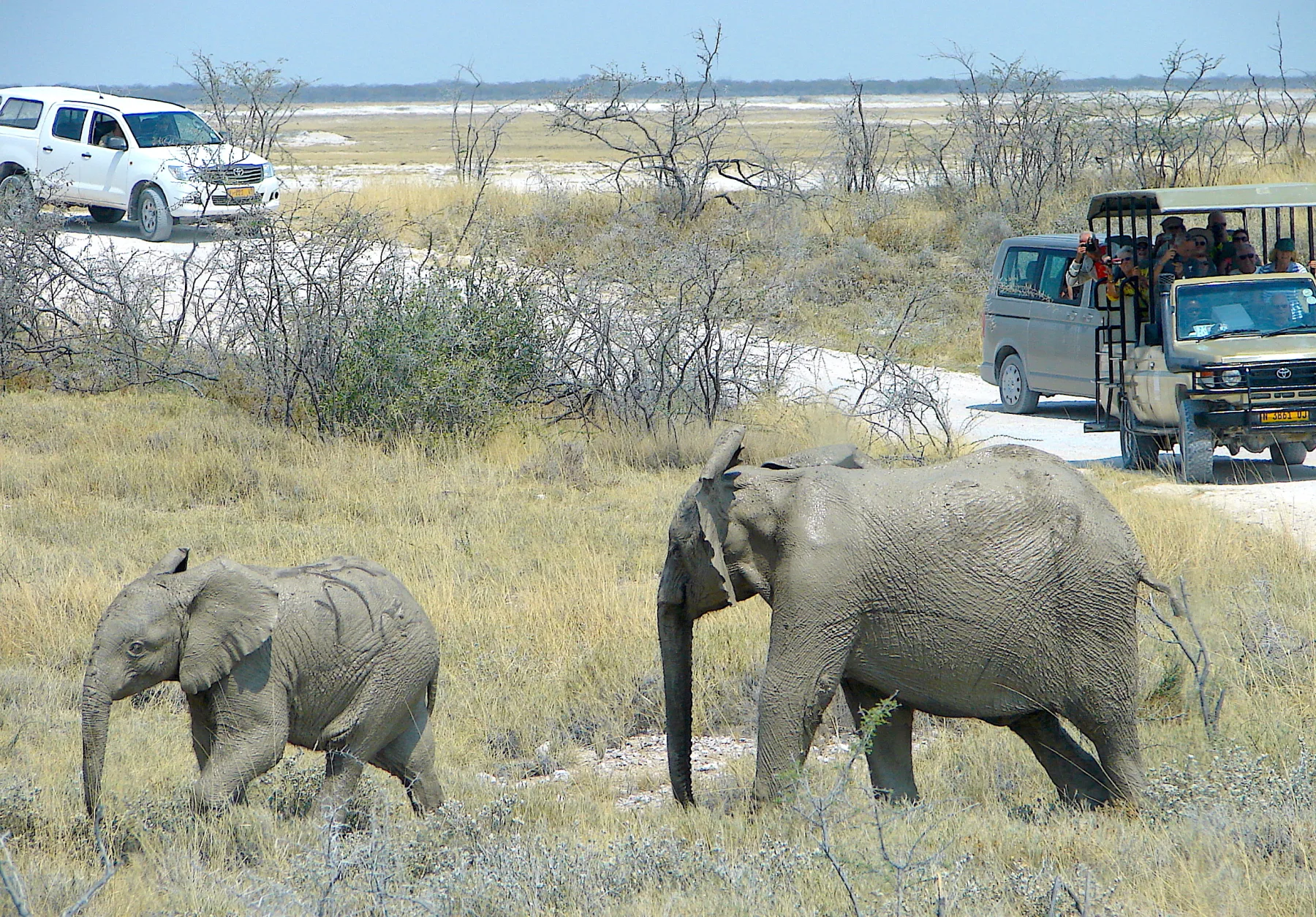
It is worth restating plainly, because it is the lever that fixes most age problems at once. A privately booked game-drive vehicle (your own guide and tracker, the vehicle exclusively yours) does three things no shared drive can. It puts an under-six on a game drive where the rules would otherwise bar them. It lets you cut a drive to the length of a small child’s attention rather than the lodge’s schedule. And it lets you stop, for as long as a four-year-old wants, at the un-glamorous things (the tortoise, the dung beetles, the elephants drinking) that are, in truth, the best part of a young child’s safari.
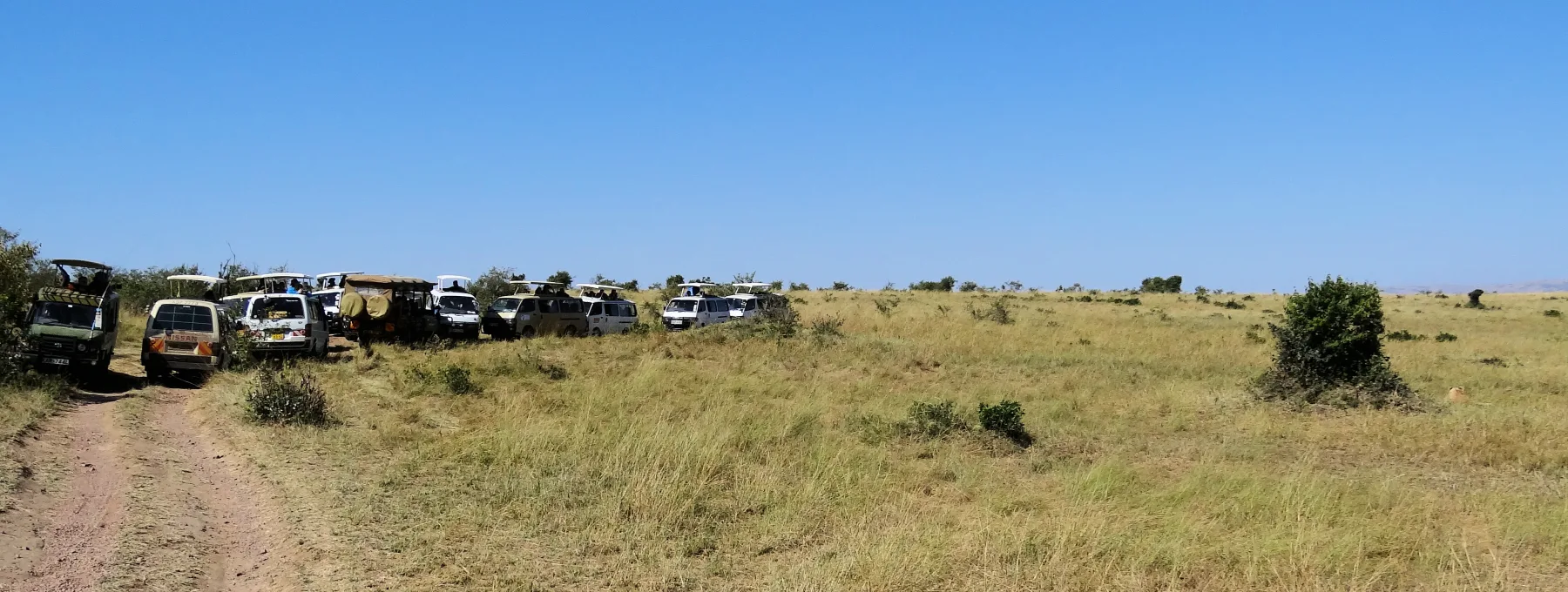
Some lodges fold a private vehicle into the family rate (Tswalu and Cheetah Plains by design; Kwandwe’s family suites and exclusive-use villas; &Beyond and Singita in certain configurations). Others charge for it: Mahali Mzuri, for instance, requires a private closed vehicle for under-sixes at an additional cost. Budget for it from the start, rather than discovering at check-in that your three-year-old’s only route onto a drive costs more than the room.
How to choose, and what we’d actually book
Strip the decision to four questions, in order. First, how old is your youngest passenger? That number, against the lodge’s minimum age, decides whether the trip is even possible. Second, malaria-free or not? For under-twelves, we would default to malaria-free and only deviate with a doctor’s blessing. Third, private vehicle: included or extra? Price it before you fall for the photography. Fourth, is there a real programme (a named cubs or junior-ranger offering with trained staff), or does the lodge merely tolerate children?
If we were booking today: for a tribe of under-fives, Tswalu Kalahari: malaria-free, private vehicle as standard, the Tarkuni homestead for a multigenerational group, with Kwandwe Ecca and Tuningi close behind. For four-to-eights, Sabi Sabi‘s EleFun Centre or Shamwari Riverdene if you want to stay malaria-free. For nine-to-twelves, almost anything opens up; we would pick Singita (the right lodge) or stay at Tswalu for a mixed-age group. For teenagers, build the trip around a 12+ walking safari and a property like Mahali Mzuri or Singita Boulders.
And the clear counsel that underpins all of it: drop the “Big Five at all costs” ambition for the youngest travellers. Sightings can take days even in the best reserves, and a four-year-old’s finest safari moment is rarely a kill: it is the elephants at the waterhole, the camp pool, a tortoise crossing the track. Match the lodge to the child, get the malaria and minimum-age questions right, pack the La Roche-Posay Anthelios Dermo-Pediatrics SPF50 for the open vehicle, and the rest looks after itself. We will be reviewing these lodges in full as we expand our South Africa coverage: this ranking is our shortlist of where we would send a family first.