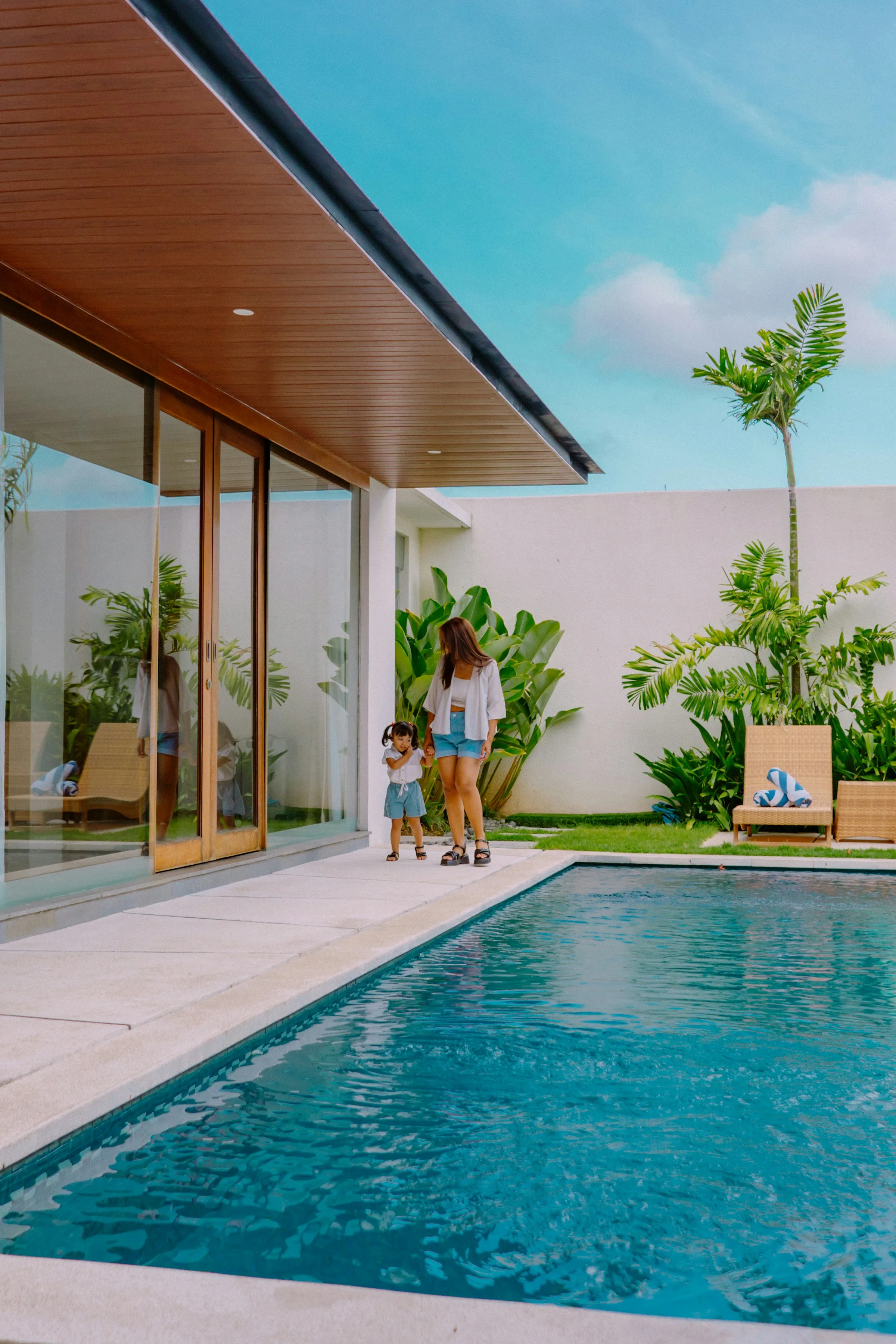
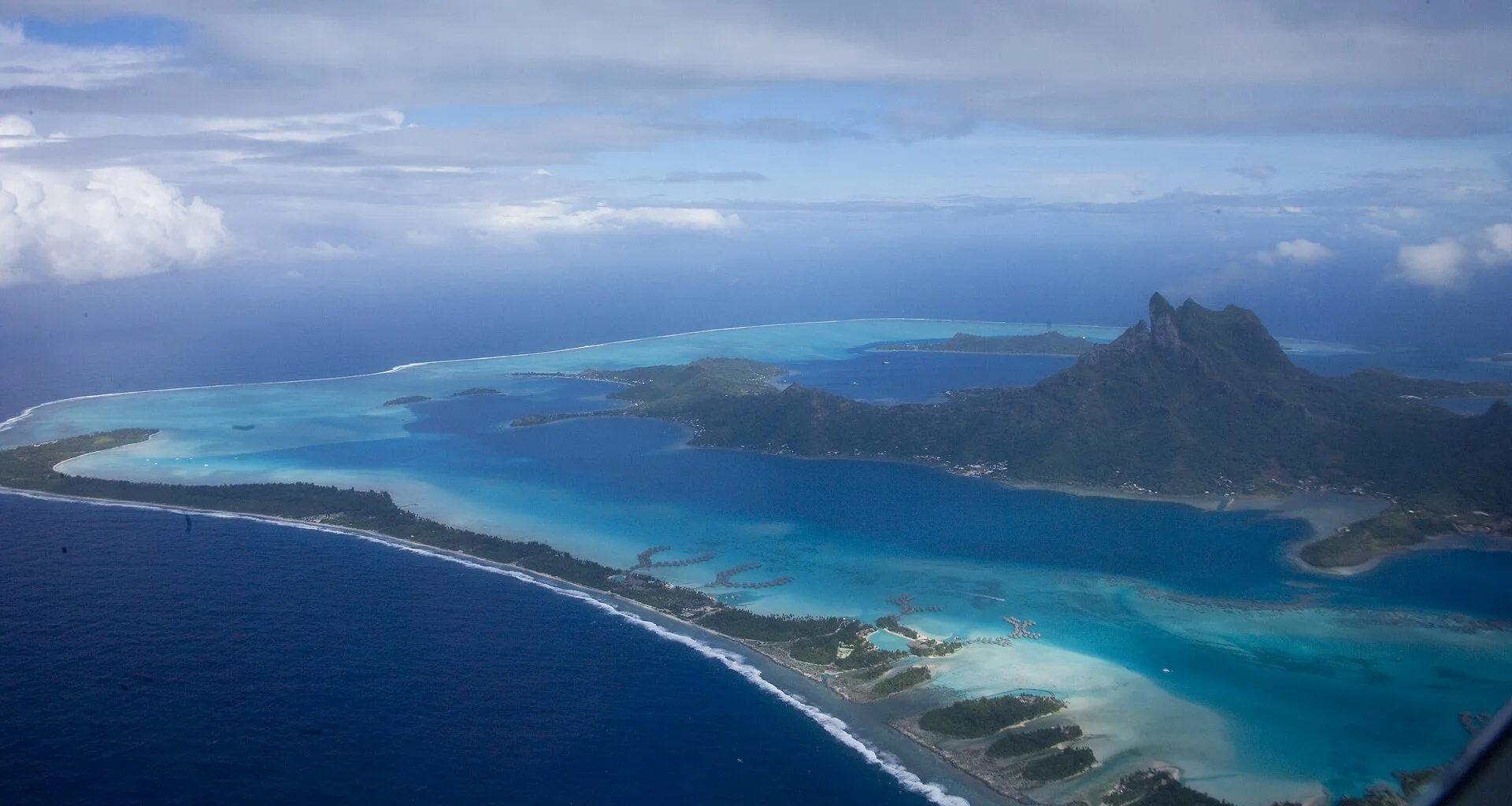
At the Bora Bora airport dock, the resort boat is already waiting. Fifteen to twenty minutes across a lagoon the colour of a swimming pool, then the pontoon, the garlanded welcome, a cold towel pressed into your hand before the children have found the bathroom. The setup is flawless. Whether it is right for your family depends on questions the brochure never asks.
The quick version
- Sequence the circuit as Tahiti (1 night), Moorea (3 to 4 nights), then Bora Bora (4 to 5 nights). This order puts the snorkelling and the dolphin programme before jet lag has fully cleared, and leaves the slow resort days for the end.
- If your children are under 5, treat every overwater deck as open water. Standard overwater villas generally come without child barriers, and a plunge pool is one more hazard, not a fence. Ask each resort, in writing, what the deck, the gate and the pool look like for your exact villa.
- Neither island’s reef is what the photographs suggest. Live coral on Moorea’s outer and back reef fell from about 75 percent to under 17 percent after the 2019 heatwave, and Bora Bora’s shallow reef bleached in 2024. The fish are still there. Frame both islands for children as wildlife encounters first, reef encounters second.
- The Moorea Dolphin Center lists programmes from age 2. The dolphins are captive animals, and some families will rightly skip it.
- Bora Bora has no hospital, only a dispensary at Vaitape that keeps weekday hours. The flight to Papeete takes about 50 minutes. Travel insurance with evacuation cover is not optional.
- The dry season runs May to October. June to September is peak, with July and August the busiest and most expensive. May and October are the better windows for a family that can choose.
Tahiti: One Night, Then Move
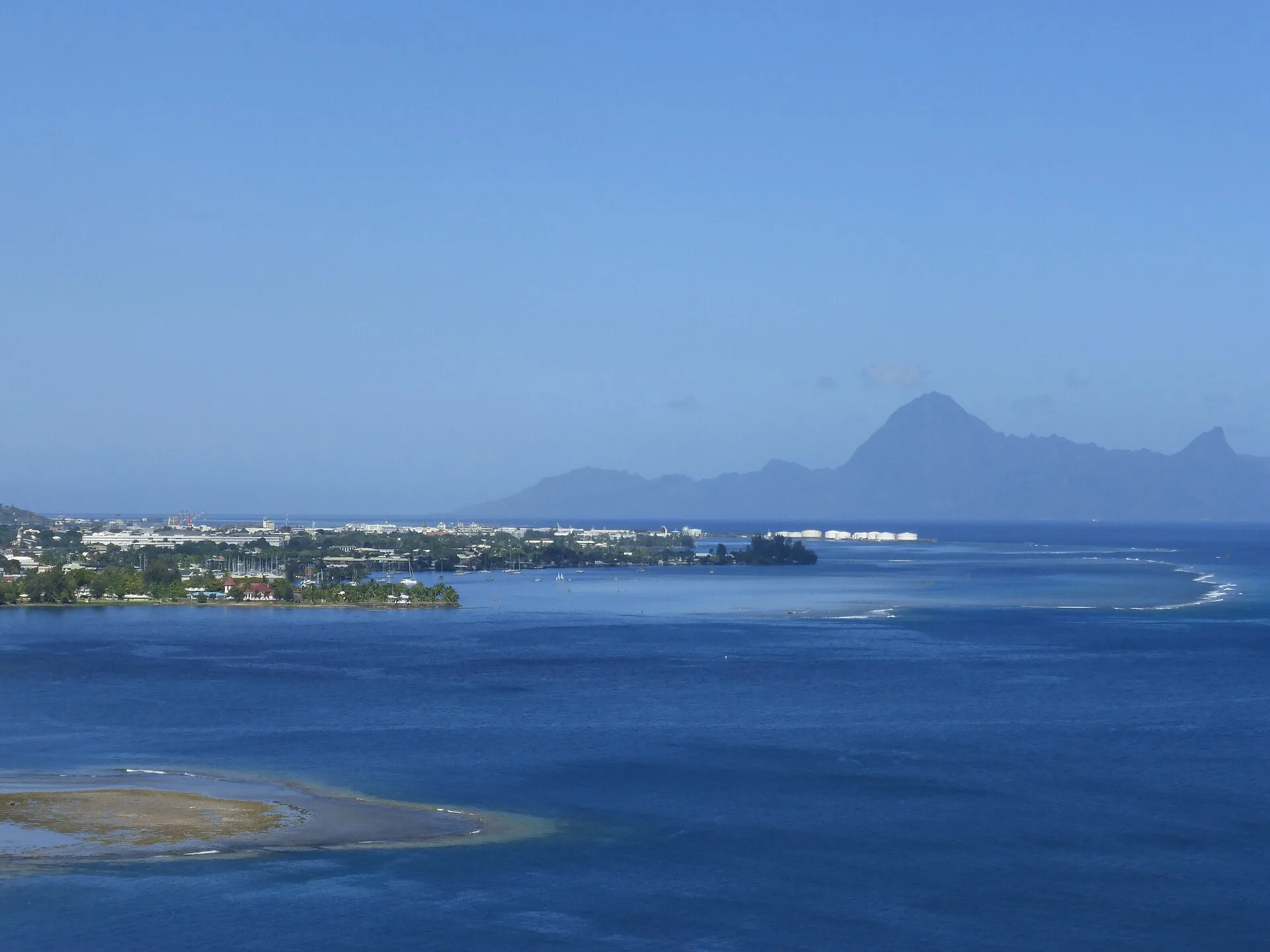
Papeete is where the trip begins and where it should stay for one night, unless your children are very young and you have jet lag to burn. Tahiti is a working city, not a resort island. In our experience, families who spend three nights here before moving on wish they had moved faster. The outer islands are the trip.
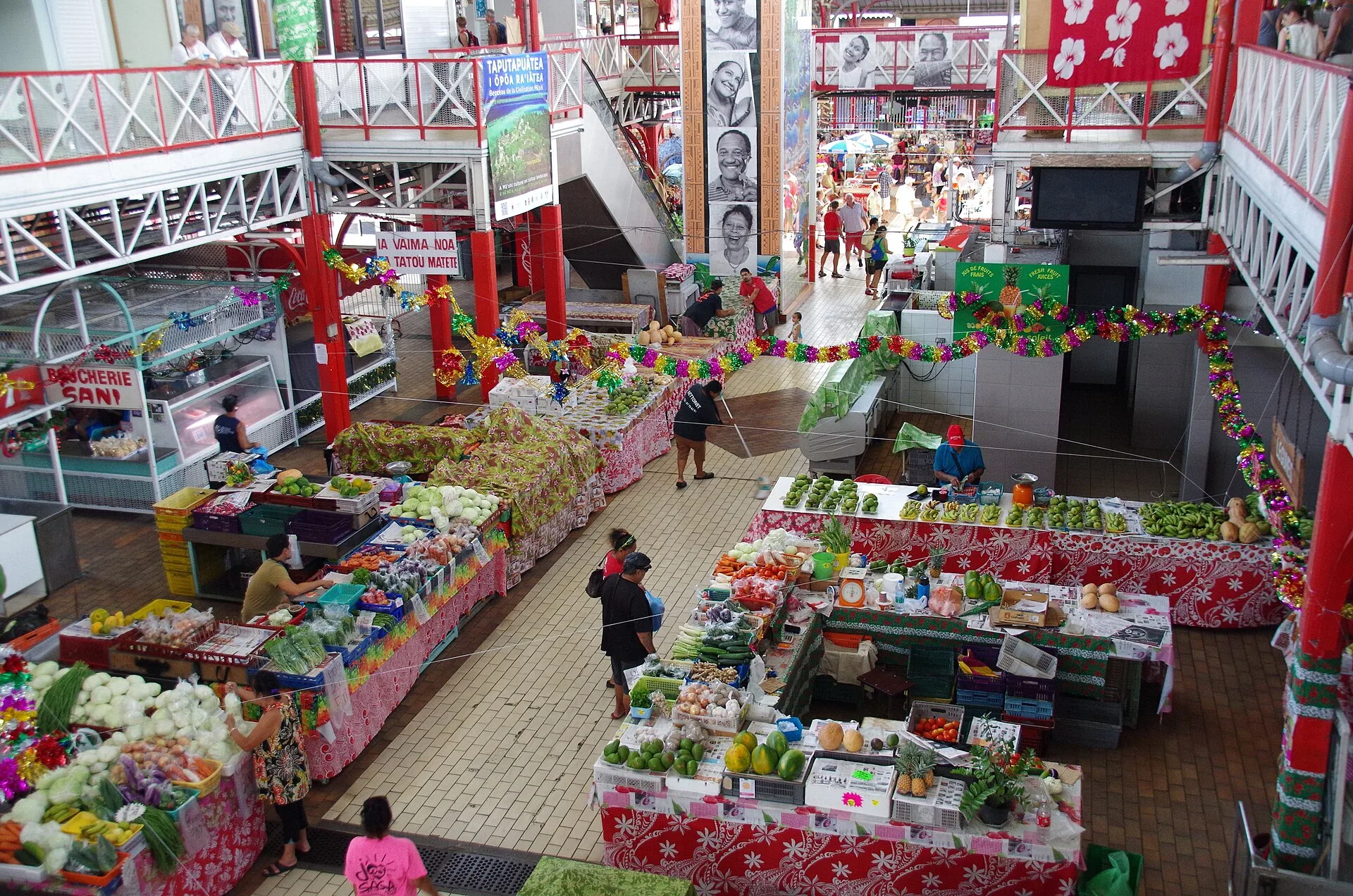
The covered market in Papeete is worth a morning and wins over children of almost every age. Go early on a Sunday: it opens around 4 am, and the tropical fruit, fresh fish and flower crowns are the best welcome we know. For a 13-year-old just off a 22-hour journey it beats any airport hotel buffet, and a 3-year-old who has never seen mangoes piled waist-high will remember the colours long after the flight has faded.
For the overnight, two properties make sense. The InterContinental Tahiti Resort & Spa sits in Faa’a, about 2 km from the airport, which is as close as it gets. Some of its rooms are closed for renovation, with renovated premium rooms bookable from 1 December 2026, so ask which category you are actually getting. The Tahiti Lagoon Resort in Punaauia is the newer option: it opened on 1 March 2026 in the building that used to be Le Méridien Tahiti, with 140 rooms and 12 overwater bungalows, roughly a 14-minute drive from the airport. Neither is a destination in itself. Both are good at moving a family in and out of the territory without friction.
Our routing suggestion: land, sleep, spend a morning at the market, and take the ferry to Moorea by midday. Flying from Europe via Los Angeles takes about 20 hours in the air and 22 or more door to door, and the jet lag lands hardest on the under-8s, so build in the extra night on the front end. On the return, one night back in Tahiti before the long flight home gives everyone a softer exit.
The ages who benefit most from Papeete: 0 to 3, because nothing is expected of you after a day in the air, and 13 to 17, for the market and the street food along the port. Between 4 and 12 there is not enough here to justify more than the transit night.
Moorea: The Reef That Actually Delivers
Moorea is where we stay longest. Three nights feels short, and four is the minimum to do the marine programme properly. The island is 30 minutes by ferry from Papeete. Two operators run the crossing, Aremiti and Terevau, and the boats dock at Vaiare. No second airport, no second bag drop: board at the Papeete quay and step off on the island.
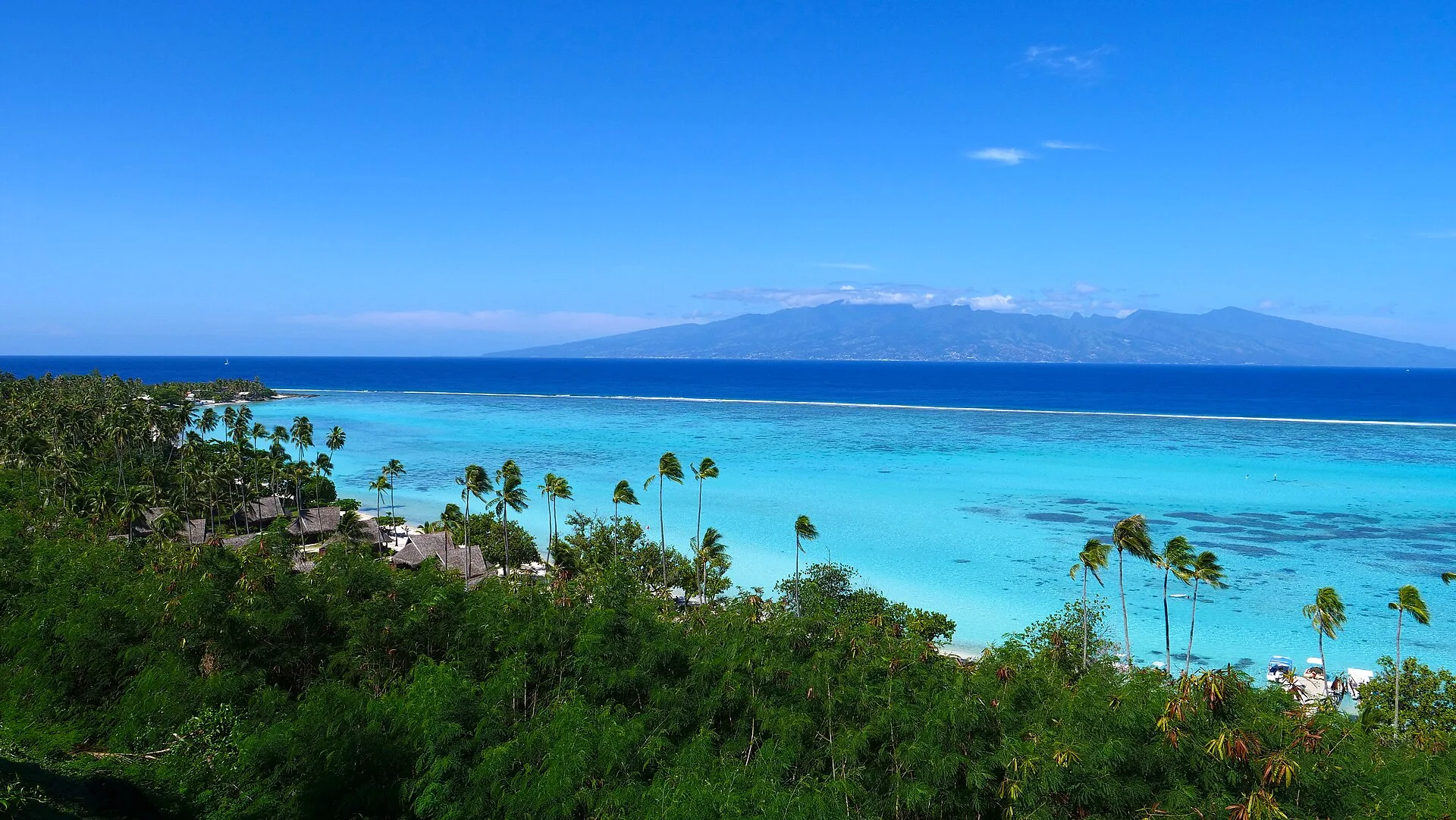
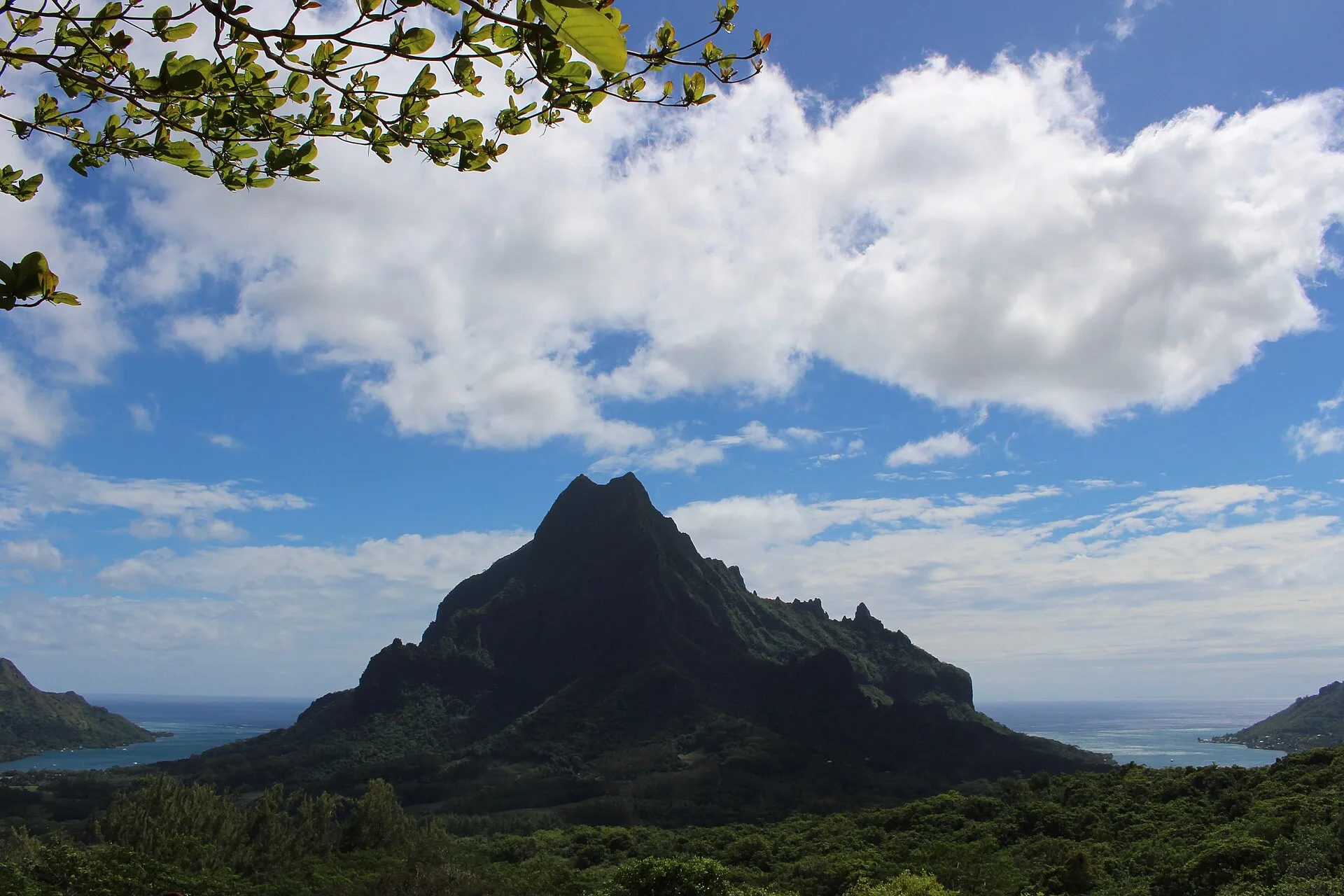
Be honest with the children about the reef. A 2026 study in PLOS One found that live coral cover on Moorea’s outer and back reef fell from about 75 percent to under 17 percent after the 2019 marine heatwave, with minimal recovery since. Fish, blacktip reef sharks, rays and turtles are still part of what snorkellers see off Moorea, and that is the better lesson for a 9-year-old anyway: reefs are under stress, and people are working on it. The usual starting point for families is the lagoon around Tiahura on the northwest coast, including the shallow sites near Motu Fareone. Conditions shift with tide and wind, so go with a local guide, ask about currents before anyone gets in, and keep non-swimmers in life jackets.
Coral Gardeners, the reef-restoration organisation, has its base on Moorea and reports planting more than 238,000 corals. The scale lands differently with older children who have just spent an afternoon with their faces in the water. Check the organisation’s own site for whether family visits or sessions are on offer for your dates, and do not promise your 10-year-old a visit before you know.
The Moorea Dolphin Center, on the grounds of a former resort at Papetoai, tiers its programmes by age. Tour-operator listings put the entry-level programme at age 2, with a parent taking part until the child is 7. The deeper-water programmes start at 10, with an adult and a life jacket for ages 10 to 13, and at 14. The operator’s own site was unreachable when we checked, so confirm the current rules and prices with the centre directly. Note too that the dolphins are captive, which is reason enough for some families to choose a wild-animal snorkel instead.
For the bed itself, our Moorea shortlist starts with the Sofitel Moorea, a beach resort on the Temae side of the island. It closed for works from 5 January to 31 March 2026 and reopened on 1 April. Some bungalow categories stay closed until 31 October, with the full inventory back on 1 November, so confirm which rooms are open for your dates. Ask directly about children’s programming and pool depths for your children’s ages; we would not book on assumptions.
By age, Moorea is the best island on this circuit for 9 to 12 and for 13 to 17-year-olds who snorkel or dive: the lagoon, kayaking and a restoration visit, if one is on offer, fill four or five days. For under-5s it is a beach and pool island, with calm lagoon edges and a dolphin programme that opens at 2. For 4 to 8, the entry-level dolphin programme and a guided shallow snorkel are the two pillars, with the resort pool as backup.
Bora Bora: The Overwater Villa Question
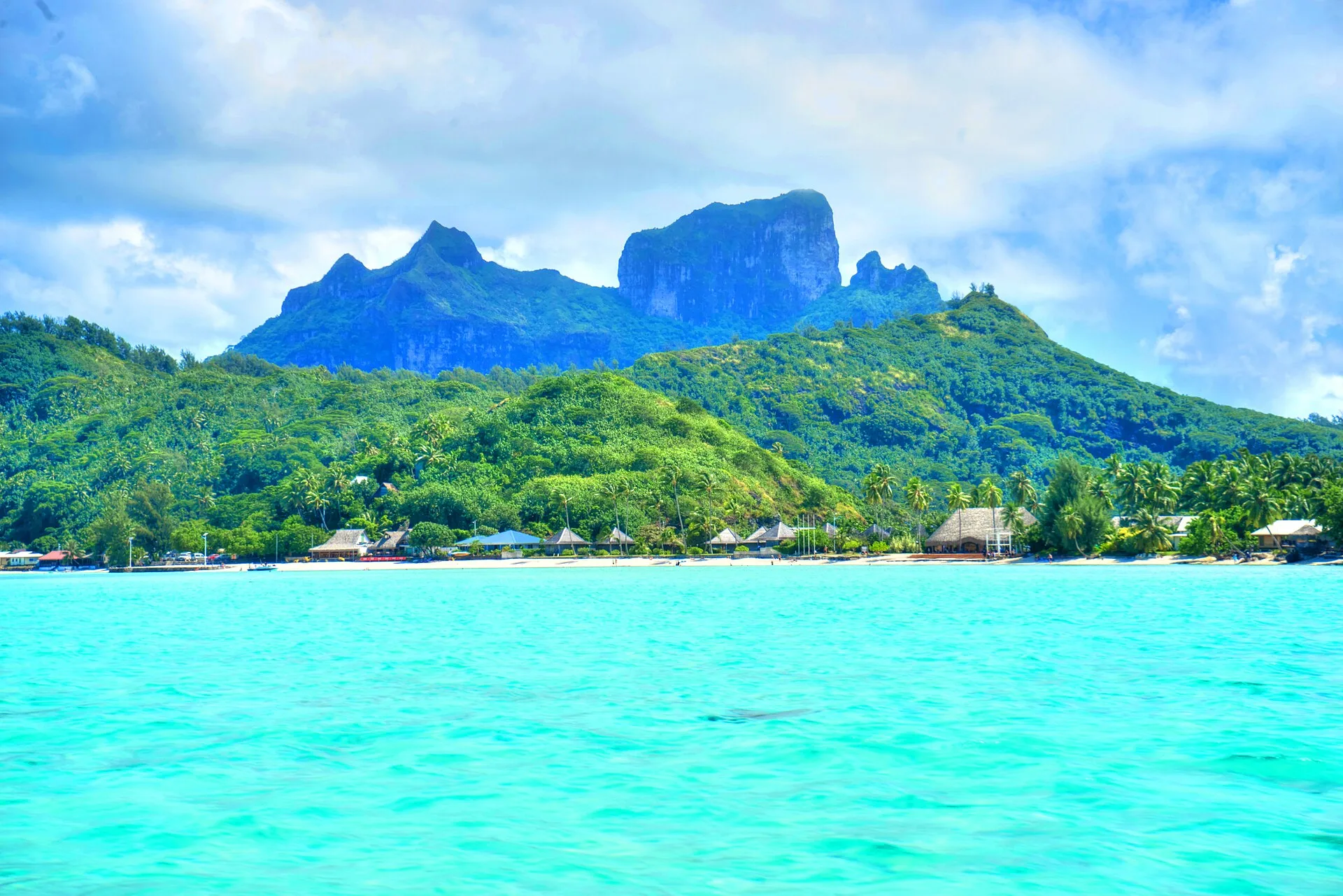
Every family headed to Bora Bora has seen the photograph: overwater bungalow, turquoise lagoon, Mount Otemanu behind. The photograph is accurate. What it leaves out is the deck, suspended over open water, and the fact that most of these villas are designed for couples, not for a three-year-old who wakes at 5 am and opens doors.
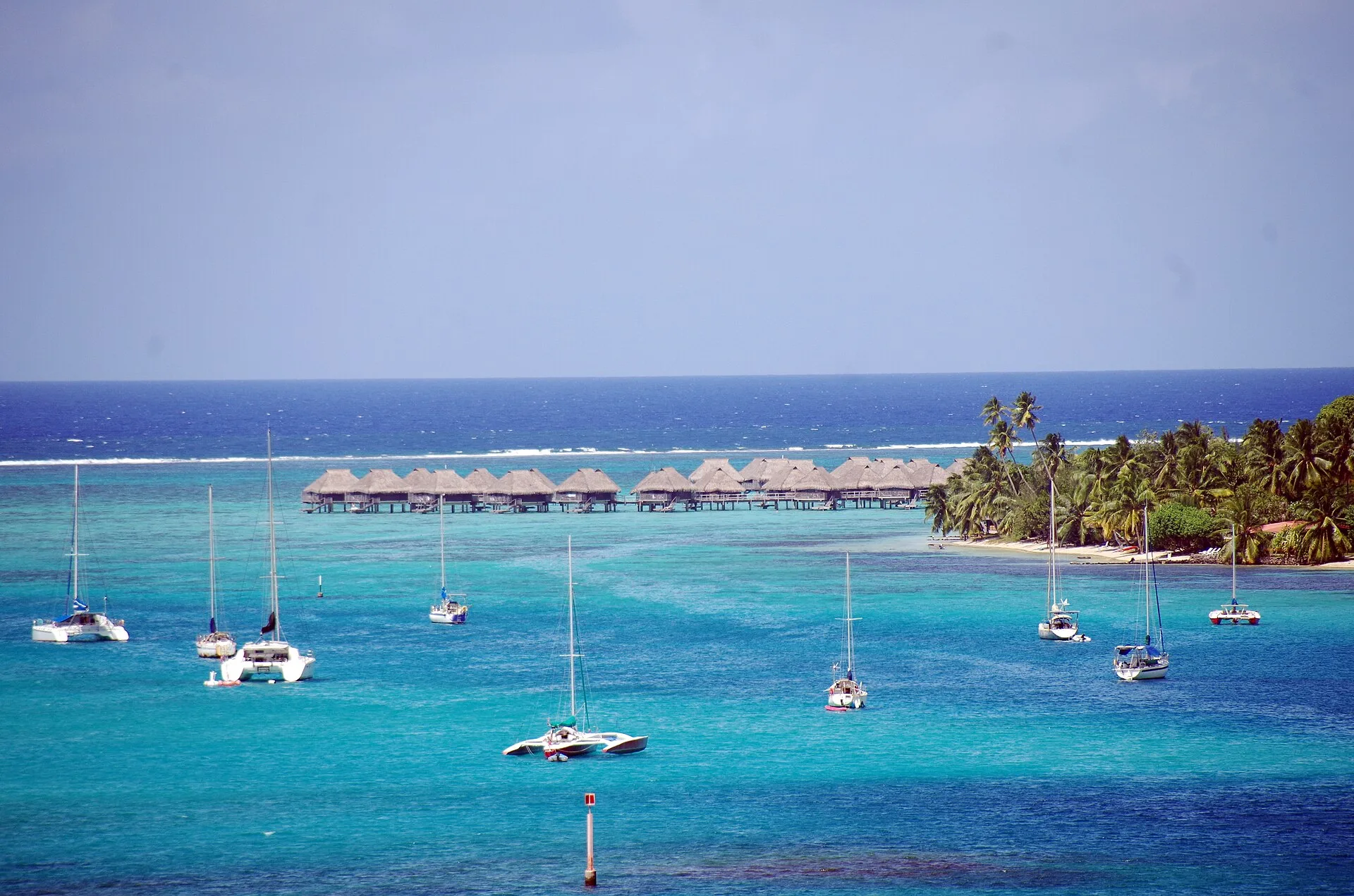
This is not a minor detail. Standard overwater villas across French Polynesia generally do not come with child barriers, and we cannot verify the position resort by resort, so assume nothing. A plunge pool does not change that. The American Academy of Pediatrics and the CDC recommend a four-sided fence at least four feet high with a self-closing, self-latching gate, plus touch supervision, and under-5s can drown in an inch or two of water. A pool built into a deck is another place to drown, not a perimeter.
The St. Regis Bora Bora is the property most families ask about. Its Overwater Premier villas (1,905 square feet, private whirlpool) include an Otemanu View category that Marriott lists among the villas for a family of four, two adults and two children under 12. The two-bedroom Royal Overwater Villa is 3,455 square feet, sleeps up to five according to booking listings, and has two gazebos on the terrace. Two bedrooms are the difference between children asleep at 8 pm and adults talking on the terrace until 9, and the terrace still opens onto the lagoon. The resort asks parents to sign a disclaimer for guests aged 17 and under in overwater accommodation, with constant supervision expected. Write to the property before booking and ask exactly what the deck and any pool look like.
The Four Seasons Resort Bora Bora also offers beach villas on land alongside its overwater ones, and for a family with children under 5 a villa that does not sit over open water is where we would start. We found no information on fencing around the villa pools, so the rule is the same: get the pool and gate details in writing. One guest account says the resort has fitted acrylic panels to villa railings on request. We could not confirm that with the resort, so treat it as a question to ask, not a feature to count on. The Tamarii Kids Club is listed on Four Seasons’ family page for ages 5 to 12, running on weekends and holidays, with activities described as complimentary. Confirm the schedule against your exact dates before you build a day around it, because a club that runs on weekends and holidays leaves the other days uncovered.
The reef picture needs a direct answer. Bora Bora’s lagoon bleached during the 2024 marine heatwave, and a 2026 study in Environmental Biology of Fishes reports a decline of shallow-reef coral while fish numbers held. The territory has since moved to protect part of the lagoon: the Popora Rahui, a 574-hectare reserve south of Matira, was approved by French Polynesia’s government in December 2025. It bans all motorised and nautical activity inside its boundary, and the stated reasons were falling fish and giant-clam stocks and tourism noise. Lagoon tours with rays and sharks remain a good family outing for ages 9 to 17. Families whose first priority is reef biology should not expect the coral garden of a decade ago.
On the practical side at the St. Regis, children are priced as children up to age 12 and as adults from 13, which matters for room and meal costs with teenagers. Breakfast at Te Pahu is included for children on the bed-and-breakfast rate, and ages 5 to 12 get 50 percent off regular menus, a real saving over nine nights. Marriott’s current pages list concierge-arranged babysitters and cribs but no kids club. A kids club appears only in an older Spacifica fact sheet dated to March 2025, so ask whether one is running before you plan around it.
For watersports and dive courses, Bora Bora has the broadest choice on the circuit. PADI’s Junior Open Water Diver certification starts at age 10, and several dive centres on the island offer courses. For 13 to 17-year-olds this is the most satisfying island, mostly because of how much of it is water and sky.
How We’d Sequence It, by Age
The recommended order is Tahiti (1 night), Moorea (3 to 4 nights), Bora Bora (4 to 5 nights). The logic is simple: the best in-water days happen when the family is freshest, not last. Arriving in Moorea on day two puts the lagoon and the dolphin programme within reach before jet lag has fully cleared. Bora Bora, which is more resort-centred, makes a natural finale when slower mornings are welcome.
The reverse routing, Bora Bora first, is common among families who want the marquee moment on arrival. It works. The trade-off is that the busiest in-water days then fall at the end, when everyone is tired.
Inter-island logistics: the Papeete to Moorea ferry takes 30 minutes. Aremiti’s published tourist fares in July 2026 were 2,350 XPF for adults and 1,500 XPF for children under 12, roughly 22 and 14 US dollars. Confirm current rates before you go. The alternative is a flight of about 15 minutes with Air Tahiti, which means an airport check-in at both ends for very little time saved. With small children in tow, we take the ferry.
For Moorea to Bora Bora, Air Tahiti lists direct flights, so you do not have to route through Papeete. Check the timetable, because direct options are limited. Papeete to Bora Bora takes about 50 minutes. Air Tahiti’s pass structure changed for travel from 1 April 2026: the Maeva Pass (Tahiti plus two of Huahine, Raiatea, Bora Bora and Moorea) starts at about €396 per person, and the Monoï Pass (starting from Moorea, plus one island) from about €365. Price your actual route against point-to-point fares before you commit to a pass, because a two-island trip may not need one.
On the Bora Bora arrival: resort boat transfers run about 15 minutes to the Four Seasons and about 20 to the St. Regis. For families with a pram, car seats or luggage beyond standard rolling bags, brief the resort before arrival day. Boats are not large, and a buggy nobody warned the captain about is the kind of detail that sours a good travel day.
Medical reality: Bora Bora has no hospital, only a dispensary at Vaitape with weekday opening hours. Moorea has a hospital at Afareaitu. The territory’s reference hospital, the Centre Hospitalier de Polynésie Française, is in Papeete, so a serious paediatric case on Bora Bora means a transfer to Tahiti, with the coordination and weather dependency that involves. Families with children who have chronic conditions should speak to a travel-medicine physician before booking and confirm that the insurance policy covers French Polynesia, including evacuation. For otherwise healthy families this is a risk to insure against, not a reason to stay home.
Where to put the nights depends almost entirely on how old the children are. The circuit works differently for a family with a toddler and a teenager than for a group where every child is between six and eleven. The breakdown below shows where each island earns its place on the circuit and which decisions matter most at each age.
- Ages 0 to 3: Tahiti for one night of jet-lag recovery, then Moorea for the calm lagoon edges and, from age 2, the entry-level dolphin programme if the captivity question does not bother you. Bora Bora only with a clear written answer on deck and pool safety, and constant touch supervision wherever there is water.
- Ages 4 to 8: Moorea earns its four nights: a guided shallow snorkel, the entry-level dolphin programme if you choose it, and beach days with the pool as backup. At Bora Bora, check the Four Seasons Tamarii schedule (ages 5 to 12) for your dates. At this age the room-type decision matters more than the island choice.
- Ages 9 to 12: Moorea is the highlight: lagoon snorkelling, kayaking and, if offered, a coral-restoration visit. Bora Bora adds lagoon wildlife tours and the PADI route from age 10. For families whose main motivation is marine education, our review of Jean-Michel Cousteau Resort in Fiji is worth reading alongside this guide.
- Ages 13 to 17: All three islands work. Papeete’s market is worth a morning, Moorea’s lagoon and dive options are strong, and Bora Bora is where teenagers tend to want to stay longest. If you are also travelling with a sibling under 3, a compact travel stroller such as the Stokke YOYO3 handles the ferry and airport transfers well; teenagers will not use it.
When to go: the dry season runs May through October, with water temperatures of 27 to 29 °C year-round. Tahiti Tourisme puts peak season at June to September, with July and August the busiest. May and October sit outside that window and tend to ease availability. The villa configurations that suit families, a two-bedroom overwater or a beach villa, run at a premium and close early, so book nine to twelve months ahead for July or August, or shift your dates by a couple of weeks.