







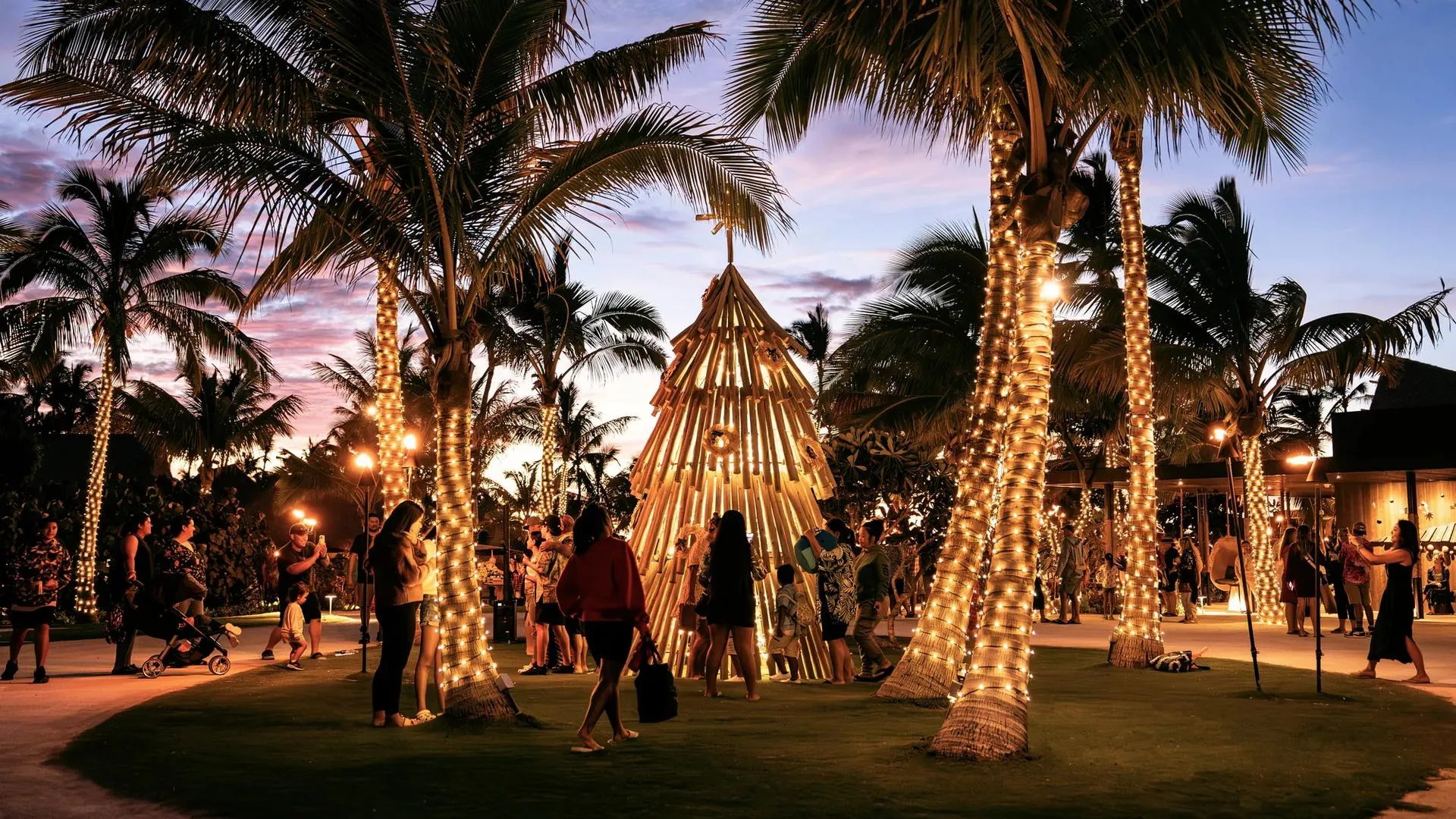


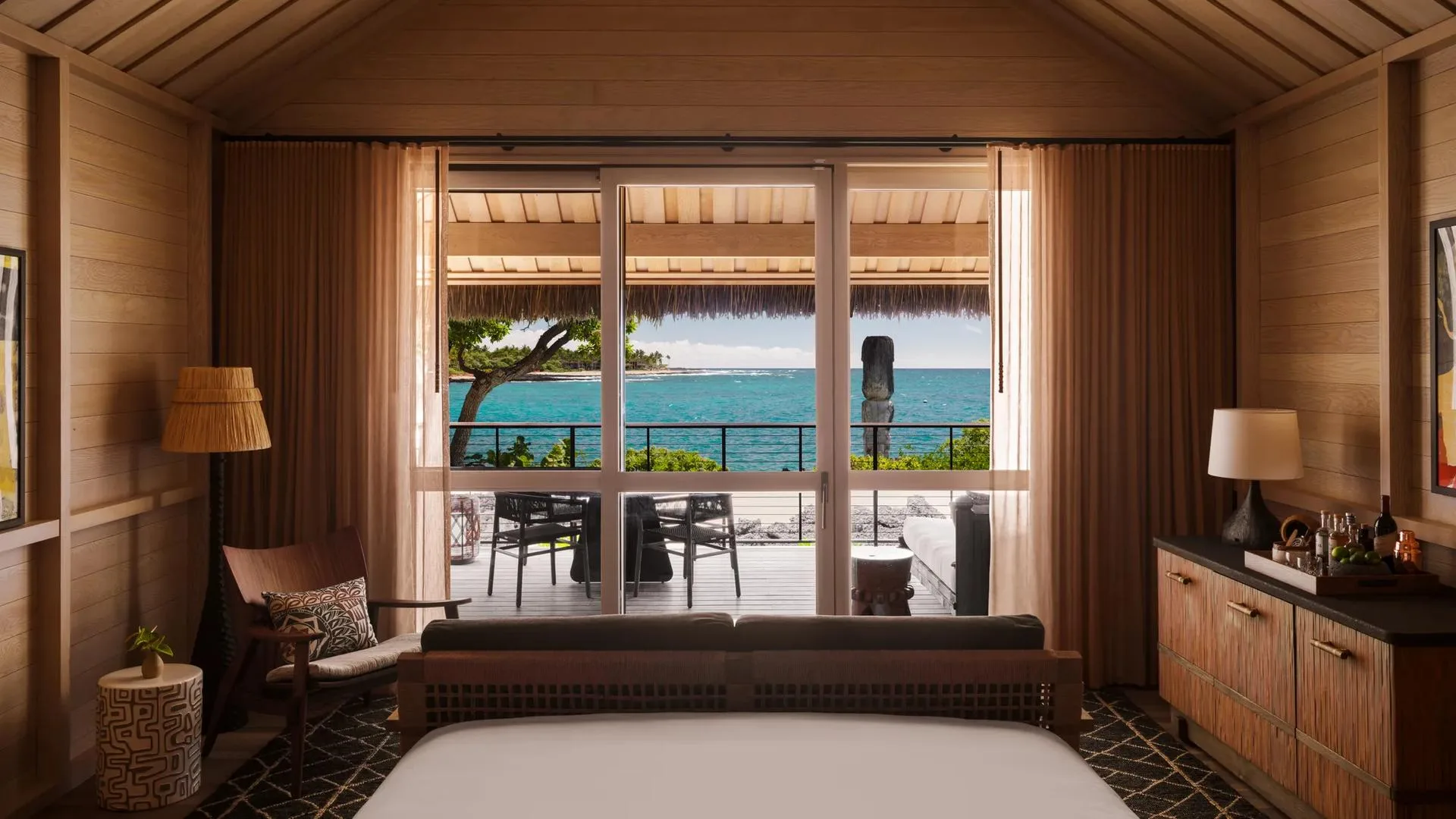

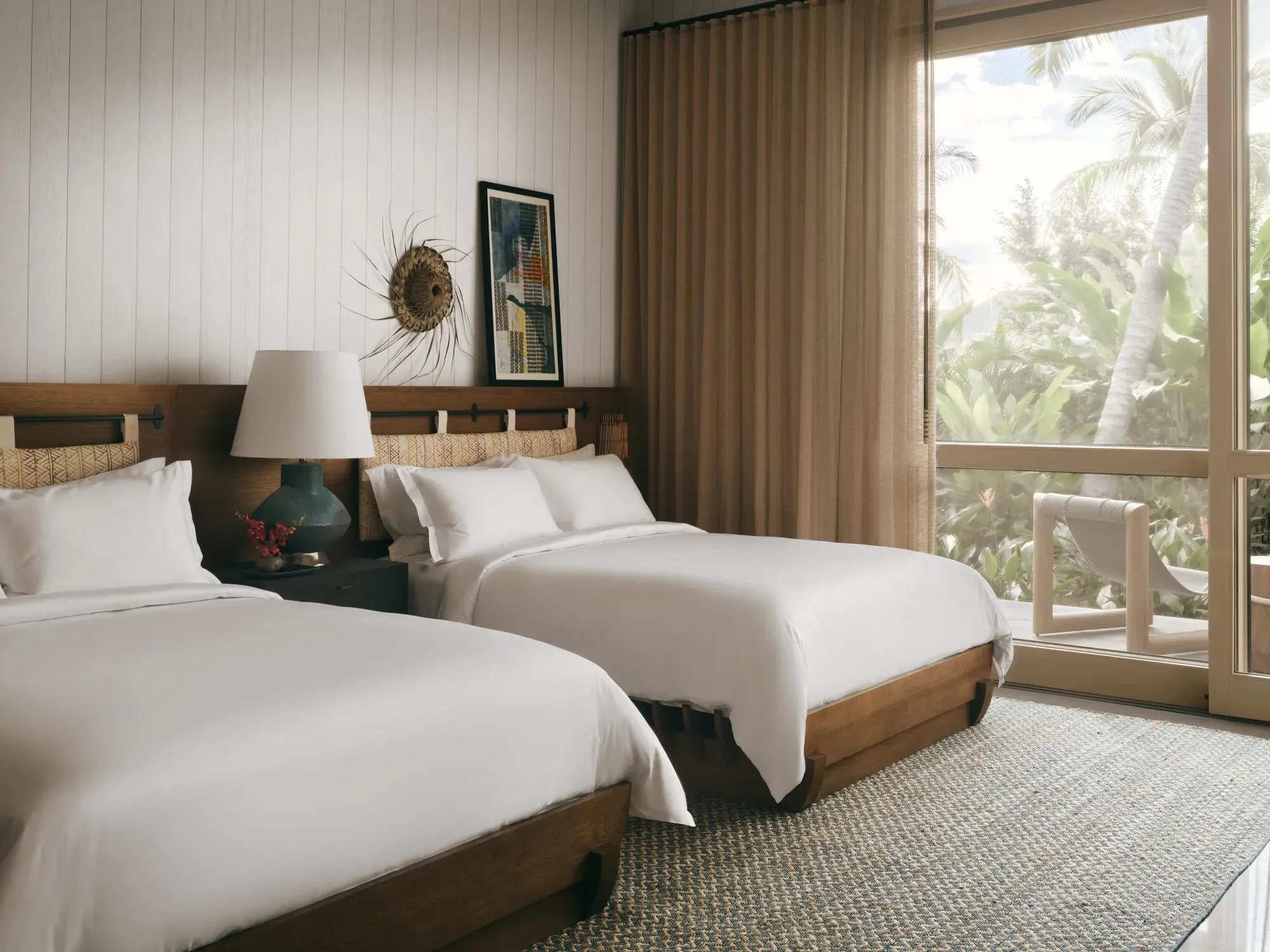












The coconut was still sitting on the step of our kauhale when we came back from the beach at four, which meant housekeeping had seen it and quietly gone away again. That is the do-not-disturb sign at Kona Village: no card, no little red light, just a husk on the doorstep. Our eight-year-old had placed it there after lunch so that her brother could sleep through the hottest part of the afternoon. For the rest of the week she guarded that coconut like a customs officer. Inside there was no television to negotiate over and nothing but the light to tell us how late it had become. There was the slap of the bay on lava, the thatch ticking as the sun came off it, and a three-year-old asleep diagonally across one of the two queen beds.
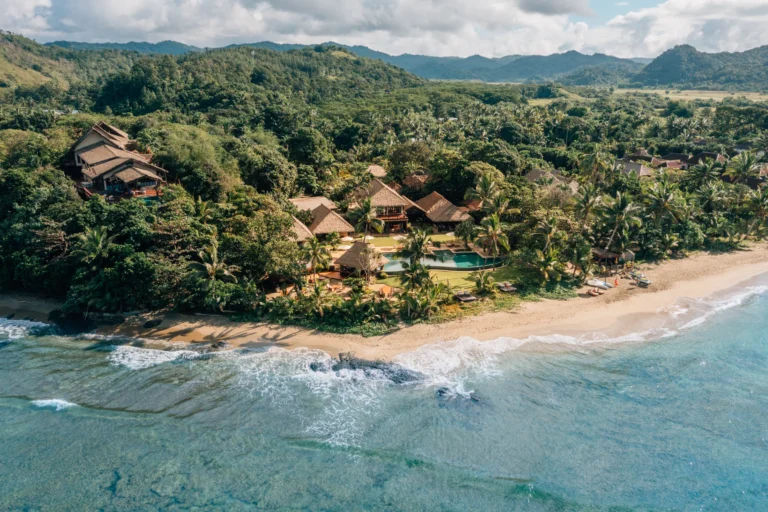
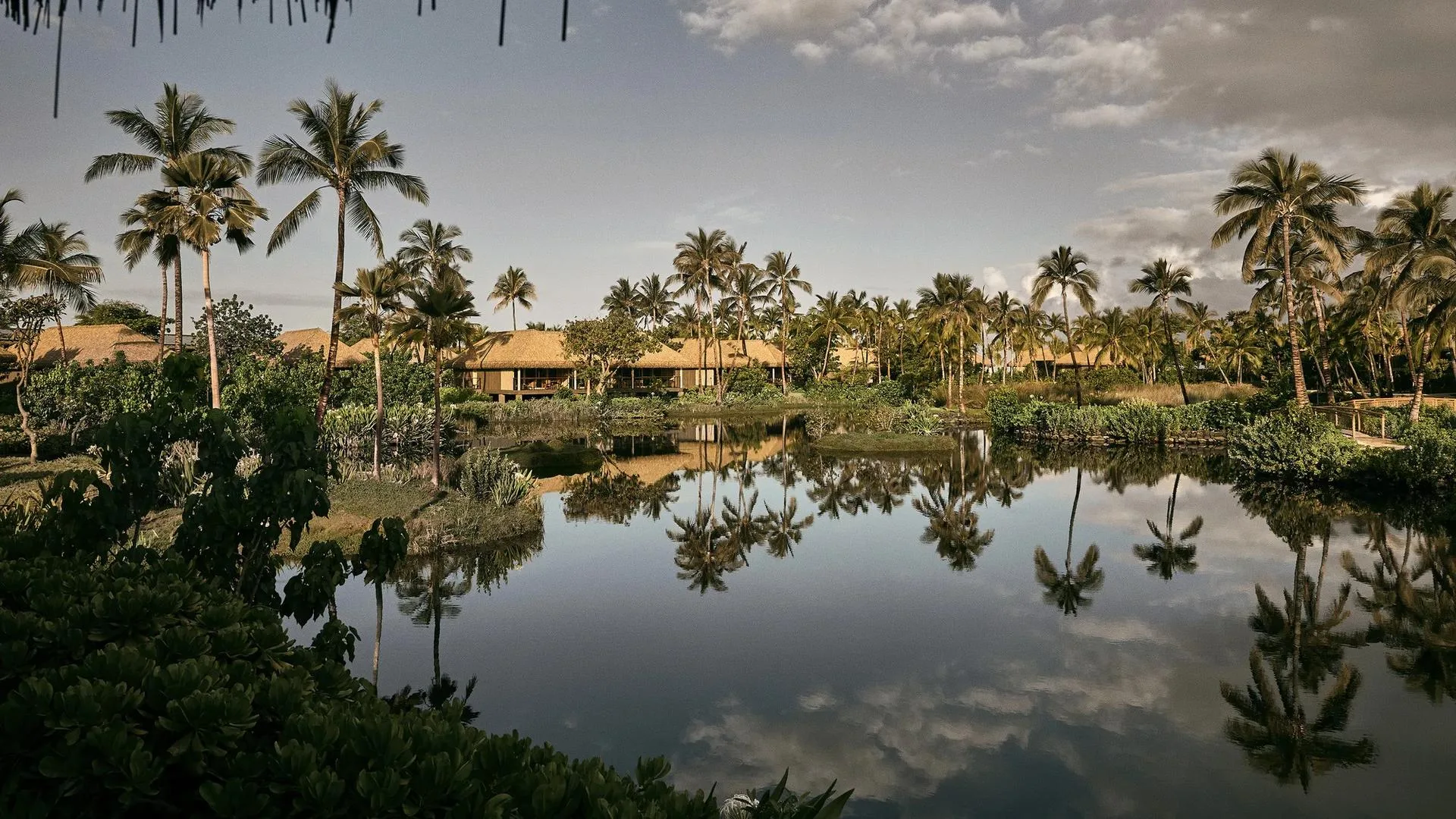
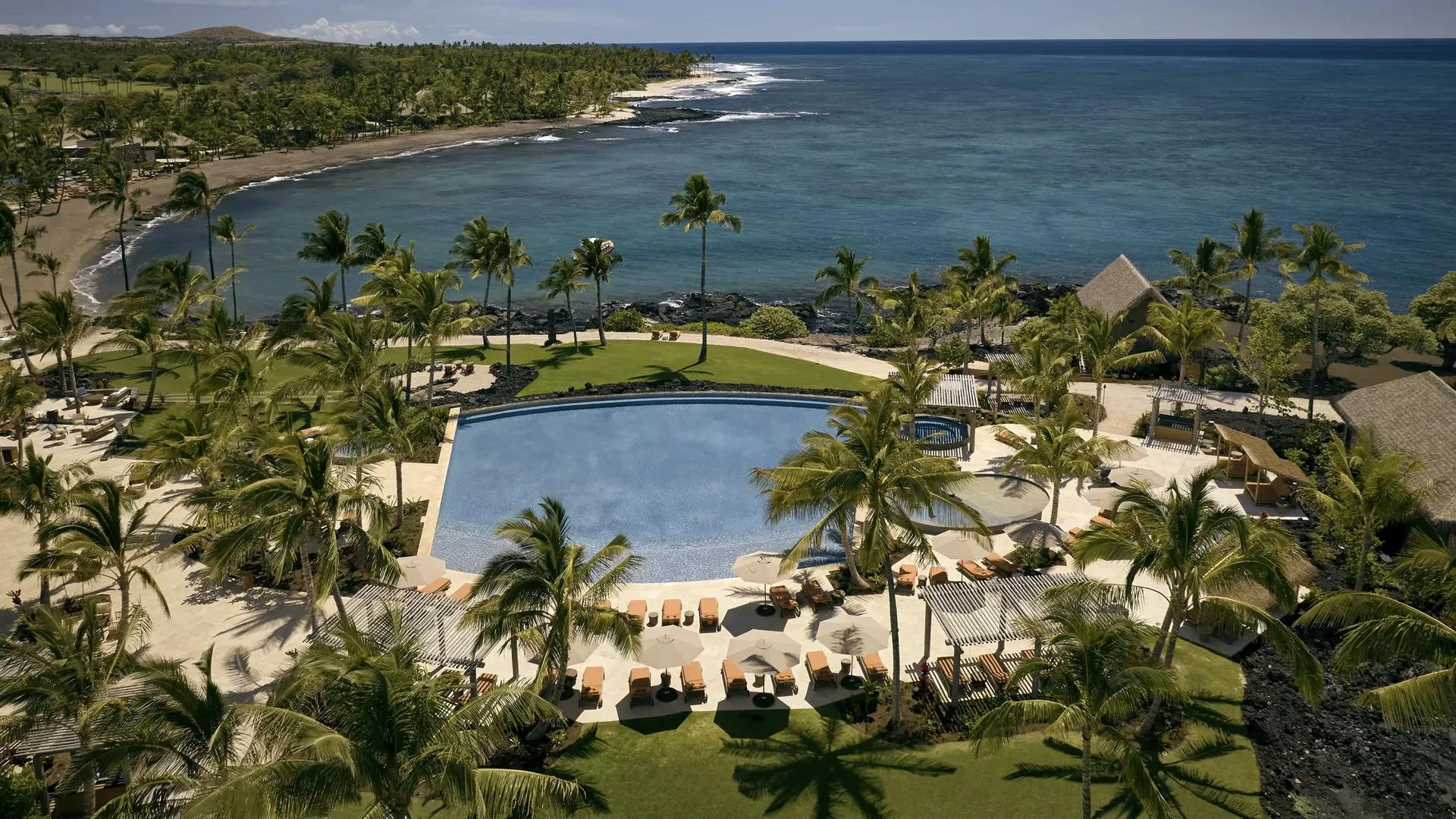
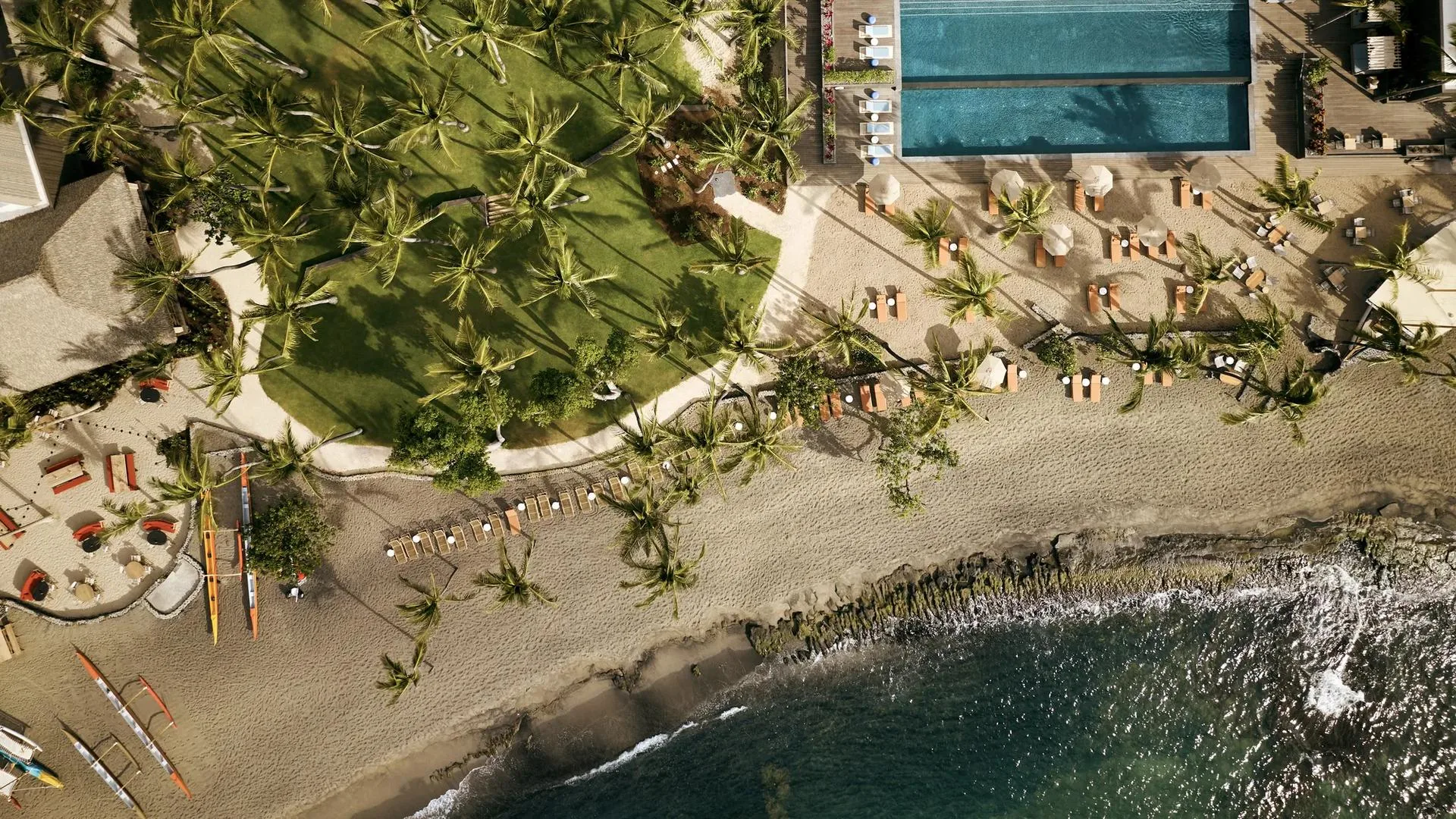
One number explains this place better than any adjective: 150 hale and kauhale spread over 81 acres at Ka’ūpūlehu, a little more than half an acre for every bungalow. Low thatched roofs, not towers, set the scale. The original Kona Village opened on Kahuwai Bay in 1965 and was wrecked by the tsunami of March 2011. It stood closed for twelve years and reopened under Rosewood on 1 July 2023, rebuilt with a committee of Hawaiian lineal descendants advising. Distance is the design. You walk, you cycle, or you wait for a golf cart, and in between you hear mynah birds and surf rather than somebody else’s children.
Quiet at this level is expensive. The entry hale (Garden View and Mountain View King) start at roughly $1,250 a night in the quieter weeks, about €1,090. In peak weeks such as the winter holidays, rates start from around $1,695, about €1,475. A mandatory resort fee of $95 a night plus tax comes on top, and meals are all extra: no breakfast, no dinner, no Thursday Paniolo Night. The other catch is structural. There is no drop-off club for children under five, the Keiki Club rests on Sundays, and the paths between bungalows are sand and crushed lava, which no city stroller enjoys. With children of eight and older the trade is easy. A family with toddlers needs to plan carefully before booking.
Arriving is fifteen minutes by car, then the walking
Ellison Onizuka Kona International Airport sits about 9 miles south, a drive of roughly 15 minutes depending on the highway. We booked a private car through the concierge and a driver was waiting at arrivals. Expect to pay roughly $158 to $325 each way depending on the vehicle, and ask for the current quote. A taxi or rideshare from the terminal starts around $30. Many families rent a car on the Big Island anyway, and here parking has been free, which is unusual at this price point in Hawaii. Valet is $40 a night, so confirm both when you book.
The lobby is the last paved thing you see for a while. A golf cart takes you and your luggage to your door, and from then on you move across the property on sandy paths and crushed lava gravel between tall grasses and lava outcrops. Some hale sit as much as ten minutes on foot from Moana, the family pool and the restaurants. On two evenings we waited long enough for a cart that we gave up and walked, the three-year-old on a shoulder and the eight-year-old narrating every lizard. We left our folding stroller in the closet after the first morning; a soft carrier did the job far better, and so did the complimentary bikes with a child seat on the back.
Check-in is at 3pm and checkout at noon, with earlier and later times on request, subject to availability, and guaranteed times at an extra charge. For a dawn flight the carts run early if you arrange it the night before; ours was at the door at half past five. With very young children, ask when you book for a hale or kauhale close to the Moana restaurant, the Moana Pool and the Keiki Club. That proximity matters more at bedtime than any view.
Which room lets a toddler nap and parents talk
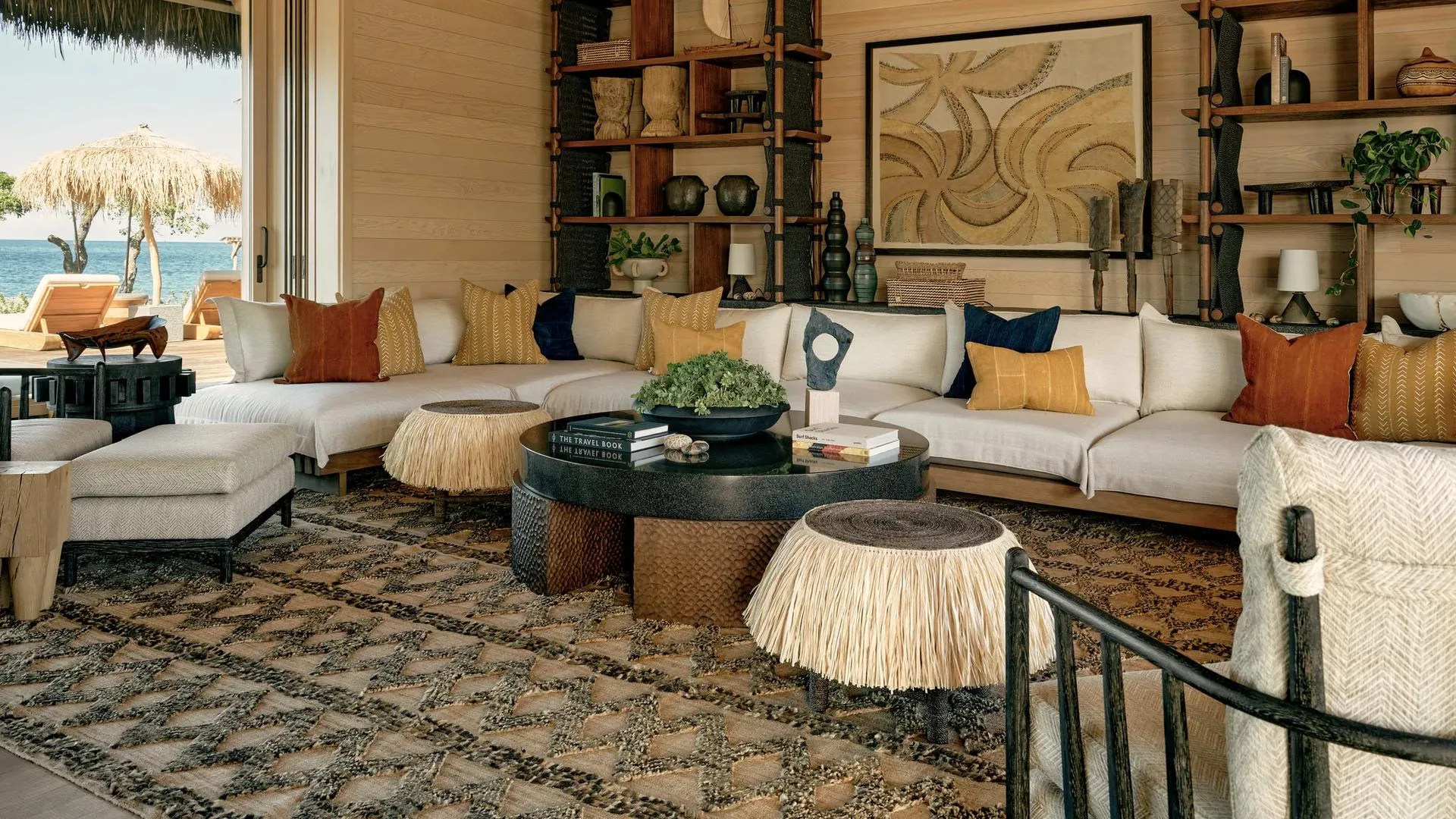
Every unit here is a freestanding, thatched bungalow with its own lanai, which means no shared walls, no corridor footsteps and no neighbour’s television, since there are no televisions at all. The one-room hale offer about 850 square feet of combined indoor and outdoor space. They come in garden, mountain, lagoon, ocean and beach front settings, plus the Tree Top King Hale and five Ocean Front Legacy Hale, rebuilt on their original 1965 foundations and perched on lava rock. A king bed (two queens in some hale) and a deep soaking tub define the layout, and many units add an outdoor rain shower. For two parents and a baby in a complimentary crib, a hale works beautifully. For two parents and two children it is one room, however handsome. A rollaway bed costs $200 a night plus tax, limited to one per accommodation and not offered in every category.
That is why we chose a two-bedroom kauhale, and we would do so again. The Lagoon View version, about 2,420 square feet with its lanai, gave us a king bedroom, a second bedroom with two queens, two full bathrooms and a half bath, and a living space between them. We could read on the lanai after eight without whispering. The bigger family options are worth knowing in detail:
- One-bedroom kauhale, about 1,570 square feet in the Garden View version, with one king bed and a half bath besides the full one, are listed for up to four guests, so ask how the extra beds are arranged: fine for a couple and one child.
- Beach Front Black Sand Two Bedroom Kauhale, about 1,325 square feet, one king and two queens, two full baths and an open-air lounge, with a lanai staircase down to a small black sand beach.
- ‘Ohana Pool Four Bedroom Kauhale, about 6,500 square feet across four bedrooms with two kings and four queens, plus a private pool, hot tub, fire pit and butler. It is set back among the gardens rather than on the shore.
- Ocean Front Four Bedroom Maheawalu Kauhale, about 8,500 square feet on Maheawalu Point, with four bedrooms, a private oceanfront pool and hot tub, a full chef’s kitchen and a butler. Its twin, the Kumukea, at the northern tip, adds accessible features.
The four-bedroom kauhale come with a dedicated butler; ask what the two-bedroom categories include before assuming the same. The baby kit arrived before we did: a crib with sheets, a wireless baby monitor, a baby tub, a bottle warmer, a diaper pail, Erbaviva baby toiletries and two tiny bathrobes with slippers. Our youngest refused to take them off. Housekeeping comes during the day and again for the evening turndown, which matters when sand travels inside on every foot. If two families want adjoining space, a multi-bedroom kauhale is the reliable answer; ask before assuming that two separately booked hale will sit side by side.
Two small irritations. The closets are too narrow to open a full-size roller case inside, so we lived out of suitcases on the floor. And the darkness at night is complete, lovely for sleep and slightly less lovely when a three-year-old wakes at two and you are hunting for a light switch you have used only twice. We kept a phone torch by the bed after night one. If you are booking a Legacy Hale on its lava-rock perch with a crawling baby, ask about the lanai edge first.
Children by age, and who thrives here

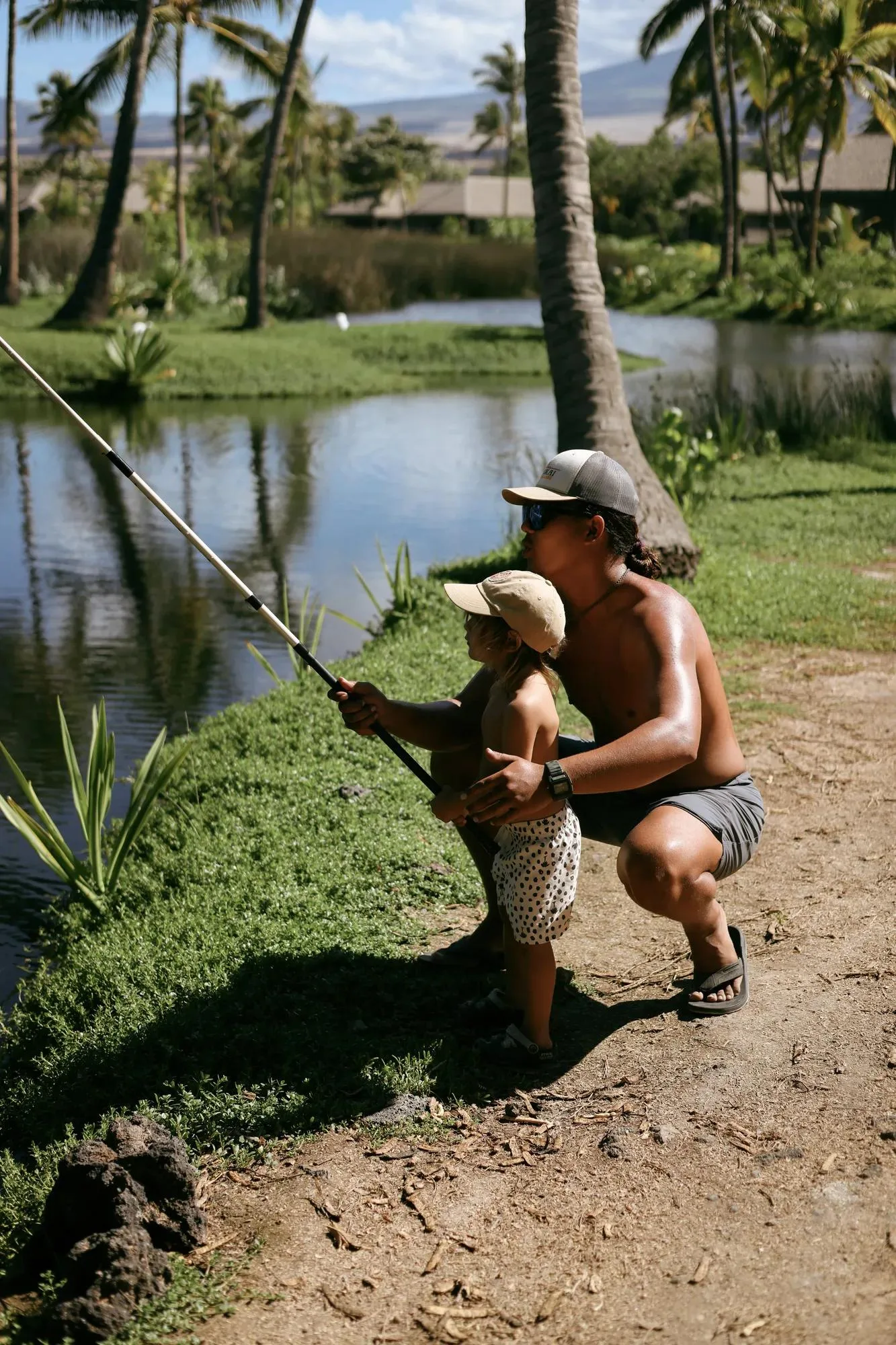
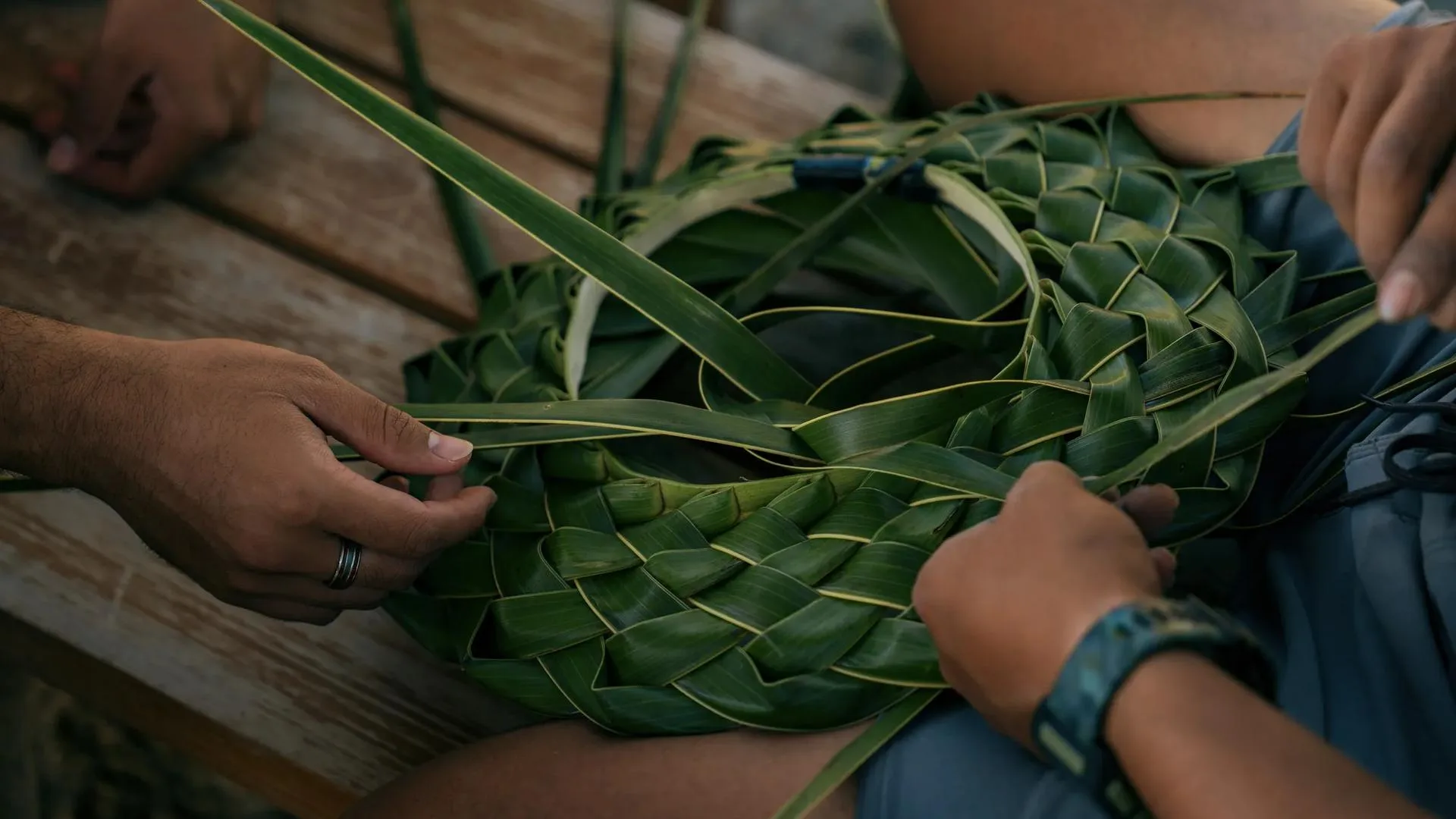
The Rosewood Explorers Keiki Club takes children aged 5 to 12 (ask the concierge to confirm the upper age), Monday to Saturday from 9:30am to about 4pm with hours that shift by season. It costs nothing beyond the resort fee. It sits near Asaya Spa and the fitness centre, and its programme reads like a list of things children would invent if allowed to run a Hawaiian village. Activities include snorkelling in Kahuwai Bay, a beach walk, shell hunting, coconut weaving, lei making, salt collecting, crafts at the Creation Station, field games, pool time at Moana, a garden tour, duck feeding and fishing for invasive tilapia in the Waipunalei lagoon. Shave ice is made with hand-squeezed juice. At Coconut O’Clock, the moment the group moves from the pool to the beach, every child gets a fresh coconut to drink from. Our eldest decorated a coconut as a postcard, the club posted it, and her grandparents received an actual coconut in their letterbox a week later, which is now family legend.
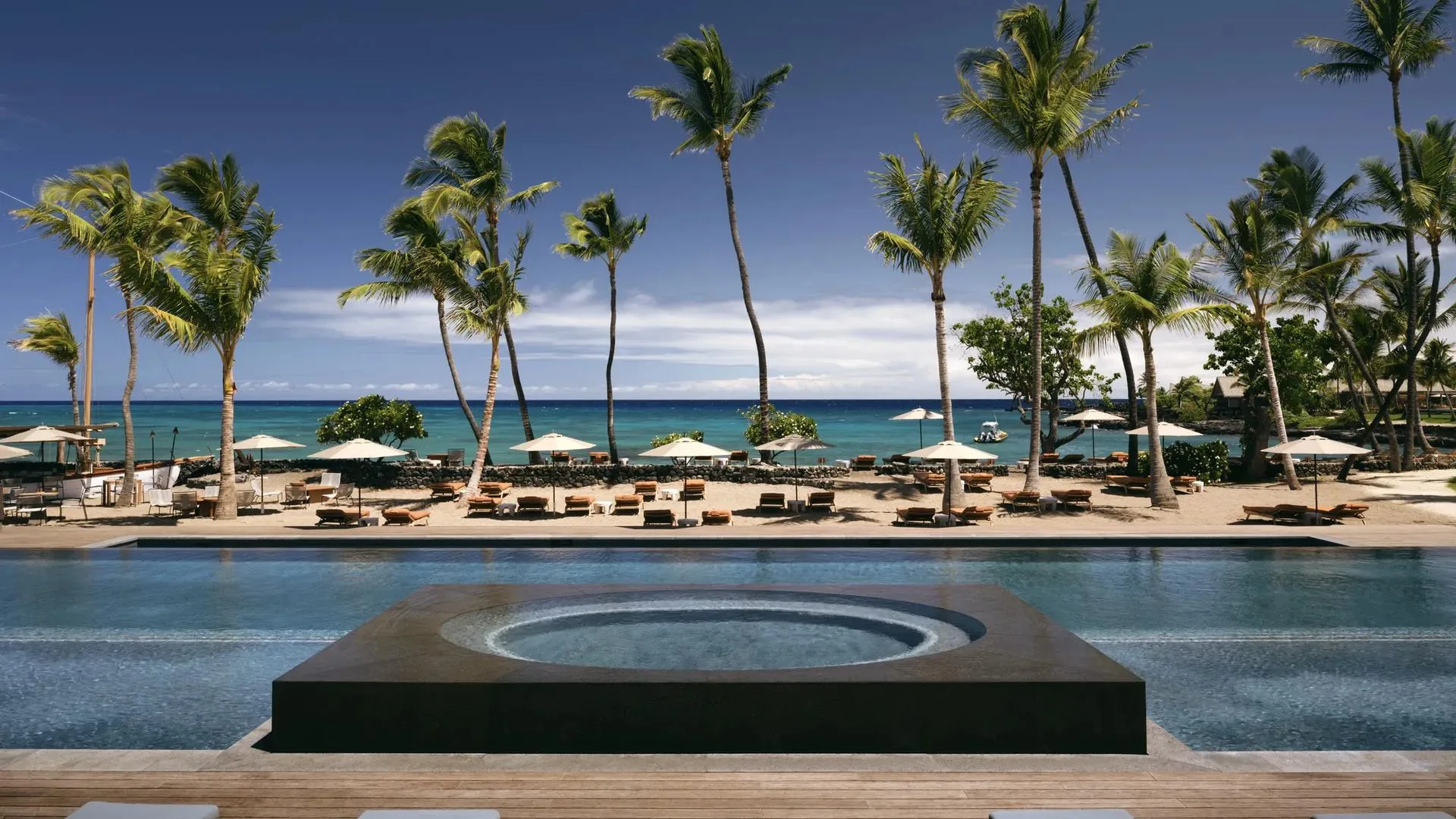
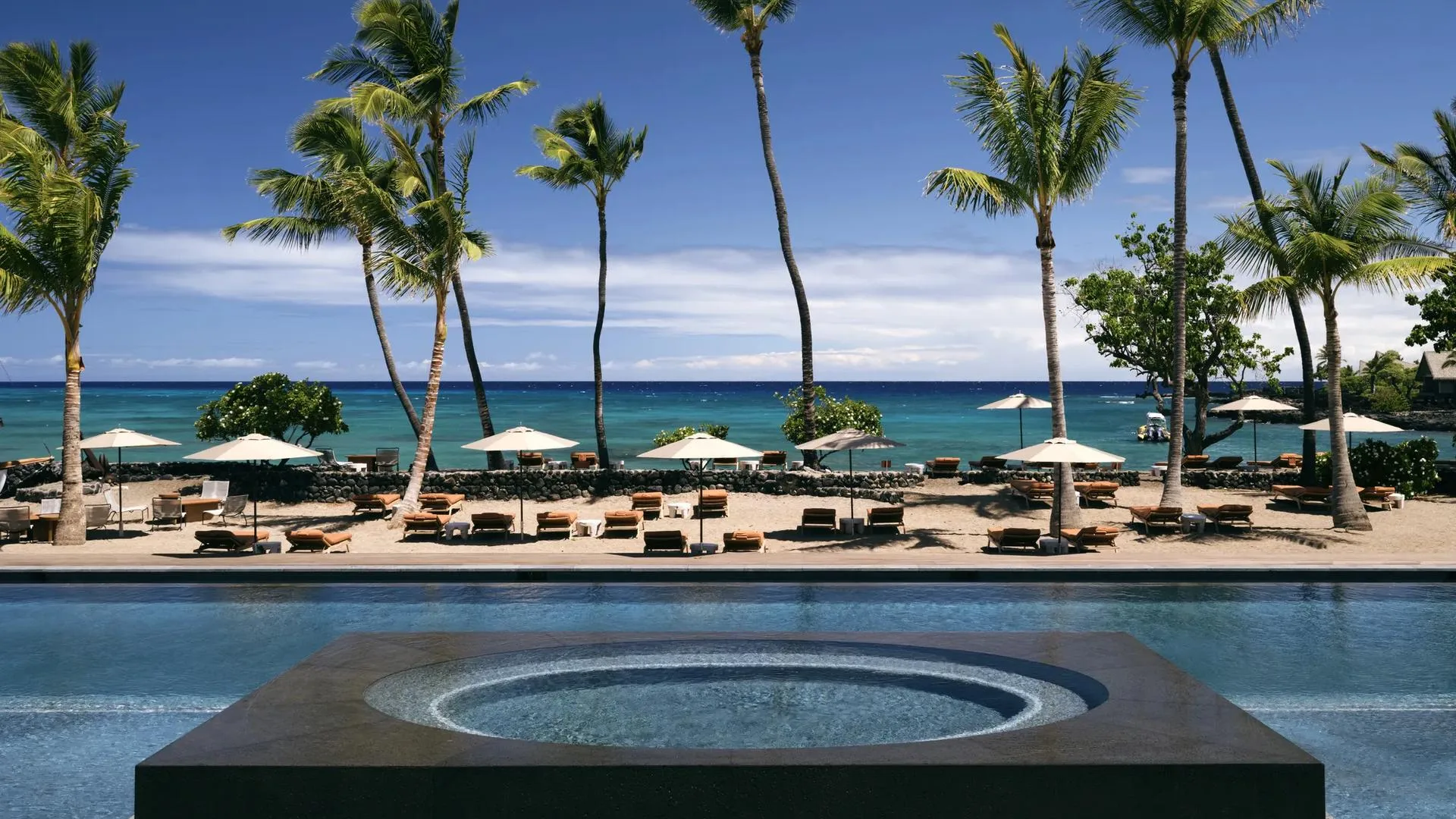
Under fives. Here the picture changes. There is no crèche and no supervised drop-off below age five, so a three-year-old is your three-year-old all day. Babysitting comes through an outside company, so arrange it with the concierge before you fly; we booked two evenings ahead and would not leave it to arrival. What makes the days work instead is the scale of small kindnesses. A plush monk seal was waiting for our youngest on arrival, a child seat was already on one of the bikes. The Moana Family Pool has a shallow, sand-bottomed keiki pool with complimentary cabanas for shade, and every restaurant handed over a bucket of sand toys while we waited for food. Our routine settled quickly: keiki pool before ten, lunch, the coconut on the step for a long nap, beach after four when the light softens. Children aged five and under eat free from the keiki menu or the Moana breakfast buffet when dining with an adult, which takes some sting out of the bill. The resort quotes both four and under and five and under, so ask which applies to your dates.
Ages five to eight. Within club hours this is a dream age. Outside them, the resort is quieter than an activity-packed family hotel. It is spread out and calm, and not built for a seven-year-old to roam alone between lunch and dinner. On the Sunday, with the club closed, we filled the day with a canoe paddle and a long, slow beach afternoon, and it was lovely, but it was parent-led from start to finish. Families whose children need a full day of programming every day should take that seriously. Evening movie nights under the stars, with a fire and treats, gave us something close to a date night while our eldest sat a safe twenty metres away watching Moana with a dozen new friends.
Ages nine to twelve. This is where Kona Village starts to feel made for children. A pair of twelve-year-old twins from the kauhale next to ours spent most of every afternoon swimming out to the offshore floating platform and lying on it for hours, then cycling off to the Ka’uluola Cultural Center to try the ukulele. Tweens can take a bike anywhere on the 81 acres, snorkel with the Kilo Kai team, and still dip into the Keiki Club when they want company.
Teenagers. There is no teen club and no peer social scene beyond other guests’ children. What exists is plenty for a self-directed thirteen-to-seventeen-year-old: sunrise outrigger paddles, kayaks, tennis and pickleball on courts included in the resort fee, the cultural centre, film nights with a beach fire, and a selection of children’s treatments at Asaya Spa. Wi-Fi is free and fast, so phones work everywhere; it is the room that has no screen. Teenagers who are content to disappear into the ocean will love it. One who lives on a games console will count the days.
Activities from sunrise canoes to petroglyphs

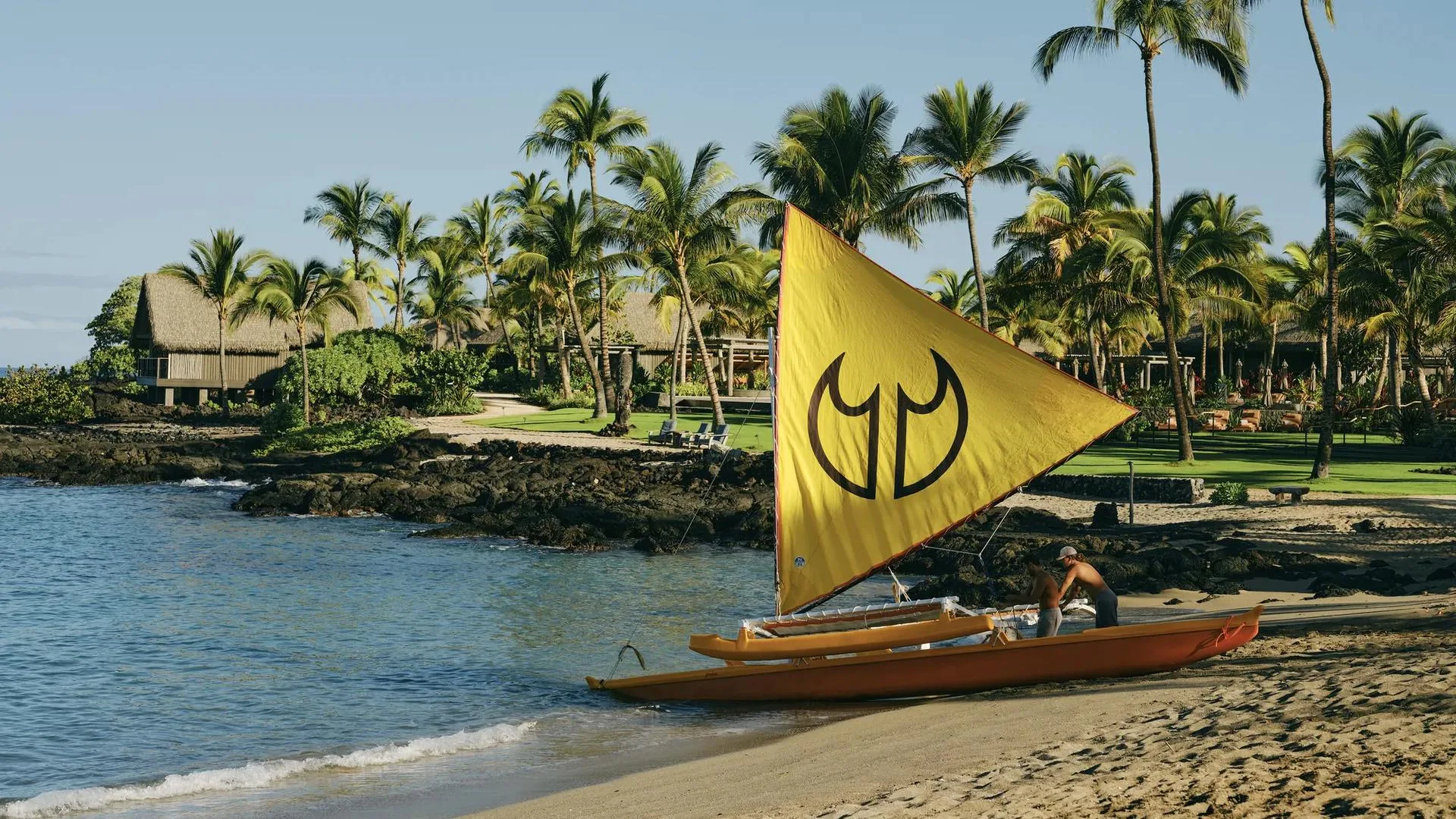
The resort fee covers the Kilo Kai ocean programme on Kahuwai Bay: sunrise canoe paddles, sailing canoe excursions, snorkel gear, kayaks and all the other non-motorised equipment, and there is a floating dock offshore. The resort calls the bay a marine sanctuary, and the fish life shows it. On the morning canoe our guide pointed out a green sea turtle grazing below the hull before we had cleared the beach, and snorkelling a few metres from the sand we counted yellow tangs and a pufferfish that our eldest still describes as a balloon with opinions. Between December and March humpback whales pass close enough to spot from the breakfast tables at Moana.
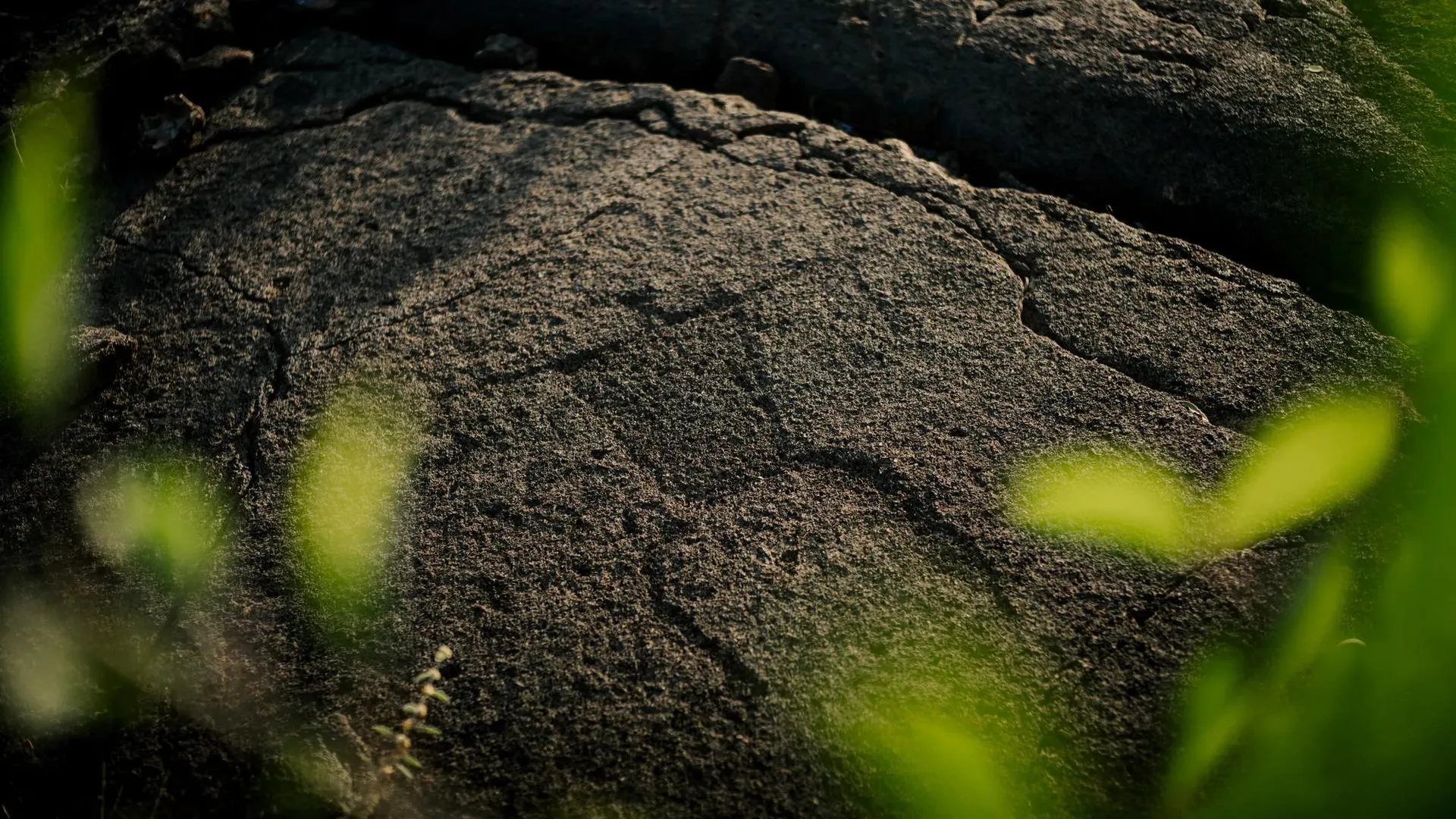
On land the property holds 21 archaeological sites and hundreds of petroglyphs, among them sail motifs from the 1800s that inspired the resort’s emblem. The guided petroglyph walk is short enough for a six-year-old’s legs and attention. The grounds also hold 22 anchialine ponds, brackish pools that connect to the sea through underground lava and shelter native shrimp such as the tiny red ‘ōpae ‘ula. At Waipunalei lagoon children fish out invasive tilapia, and the resort sends live tilapia from its fishpond to Ke Kai Ola, the monk seal hospital, where rehabilitating seals practise catching live fish. The most popular activity of the week doubled as conservation. The Ka’uluola Cultural Center runs ukulele and hula classes and petroglyph tours, with seasonal cultural activities through the week. Auntie Lei, who has worked at Kona Village since the original resort, tells the story of the tsunami better than any plaque could.
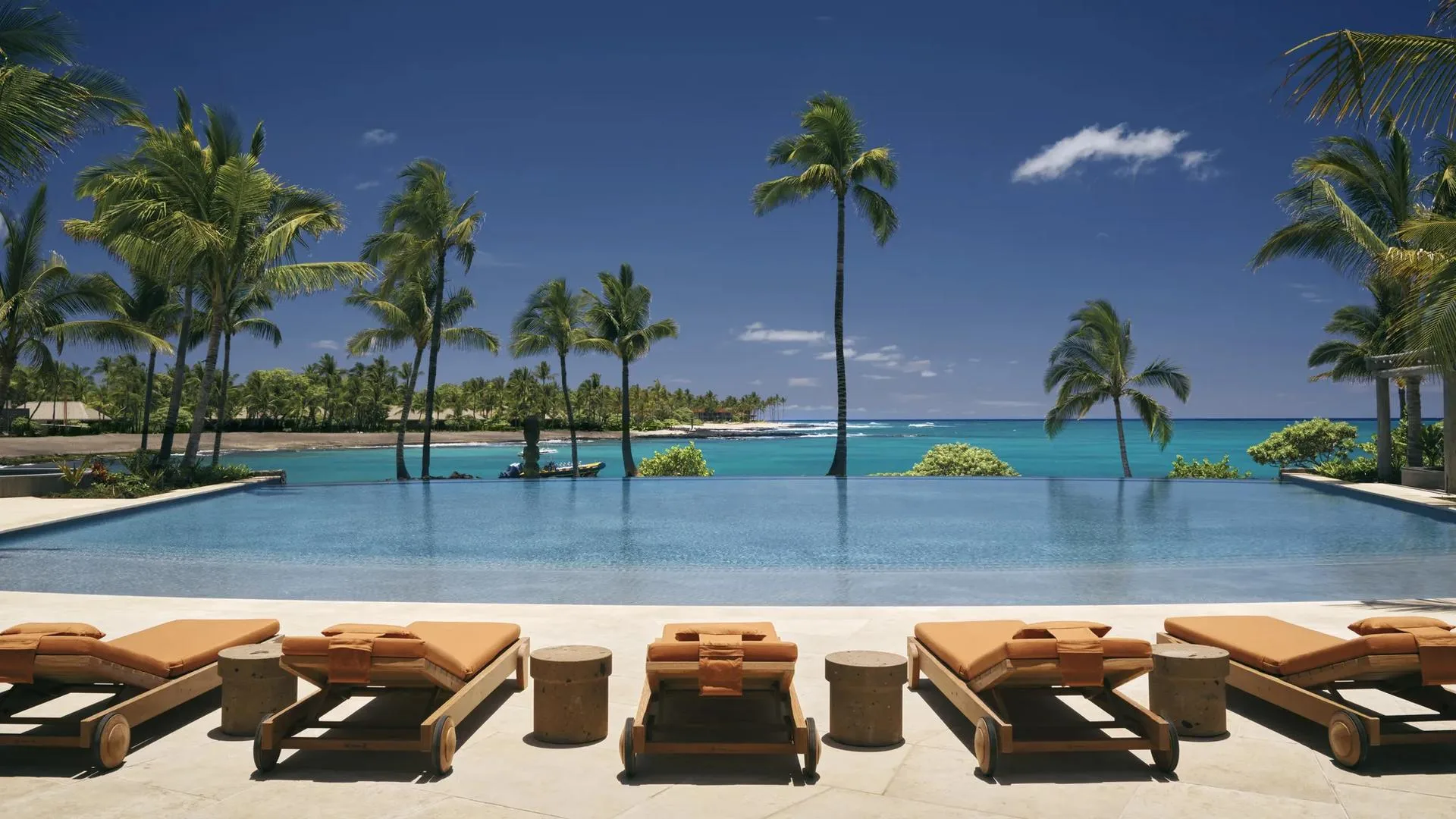
For the adults, the recovery area at Asaya Spa, with its hot tub, cold plunge, sauna and steam room, is included in that same fee. There are Peloton bikes outdoors facing the lava field, a fitness centre that never closes and classes on the weekly calendar. The three-tiered Shipwreck Adult Pool, with its 25-metre lap pool and infinity hot tub, is the grown-up pool, beside Shipwreck Bar. The resort also stages a luau on its Hale Ho’okipa grounds (ask which nights it runs and what it costs), and the on-site farm, Kahiko Māla’ai, supplies the restaurants. The whole property runs on a solar microgrid of more than 8,000 panels, one of the largest privately owned in the state.
Dinner is where the bill and the mood slip
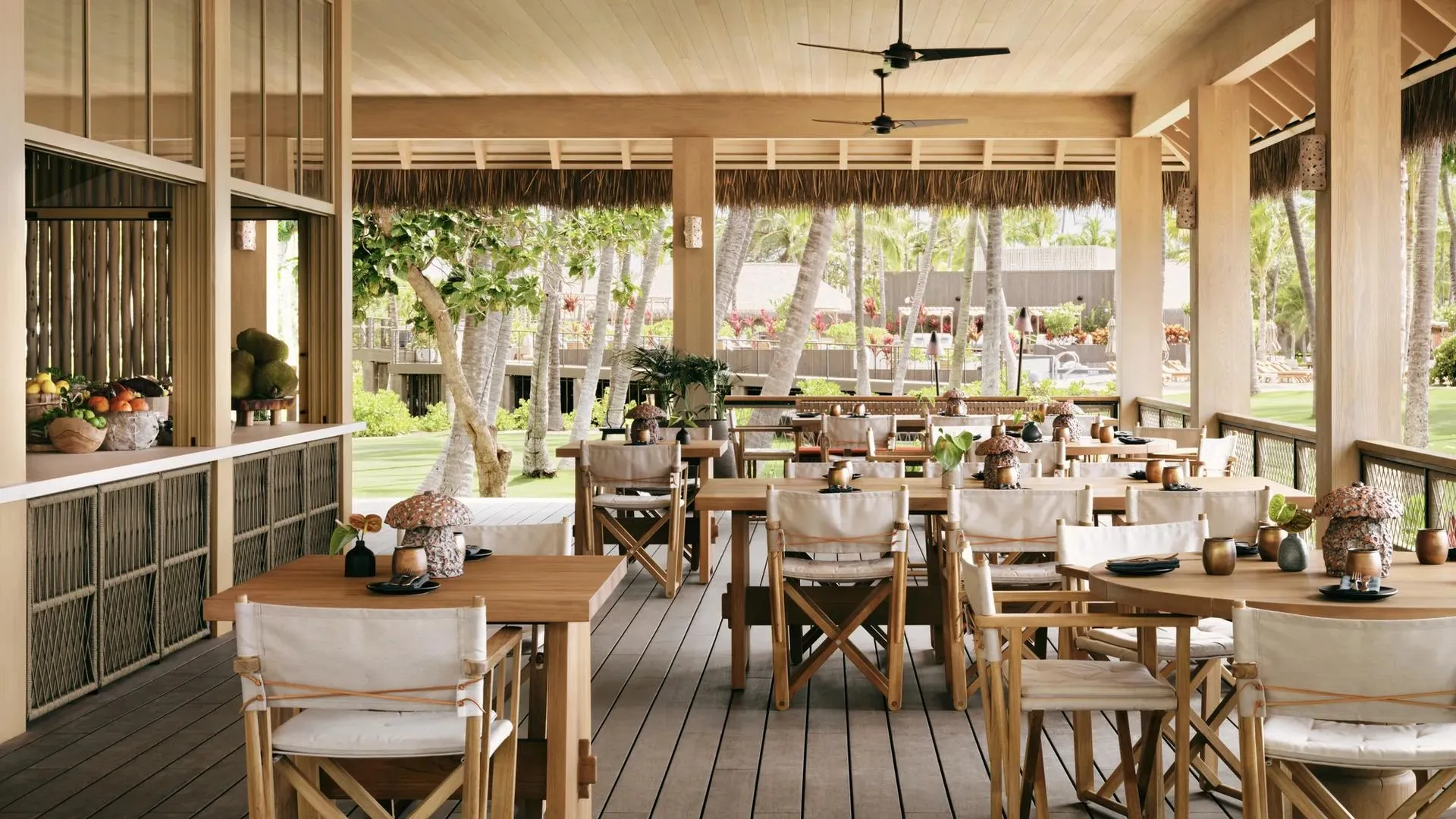
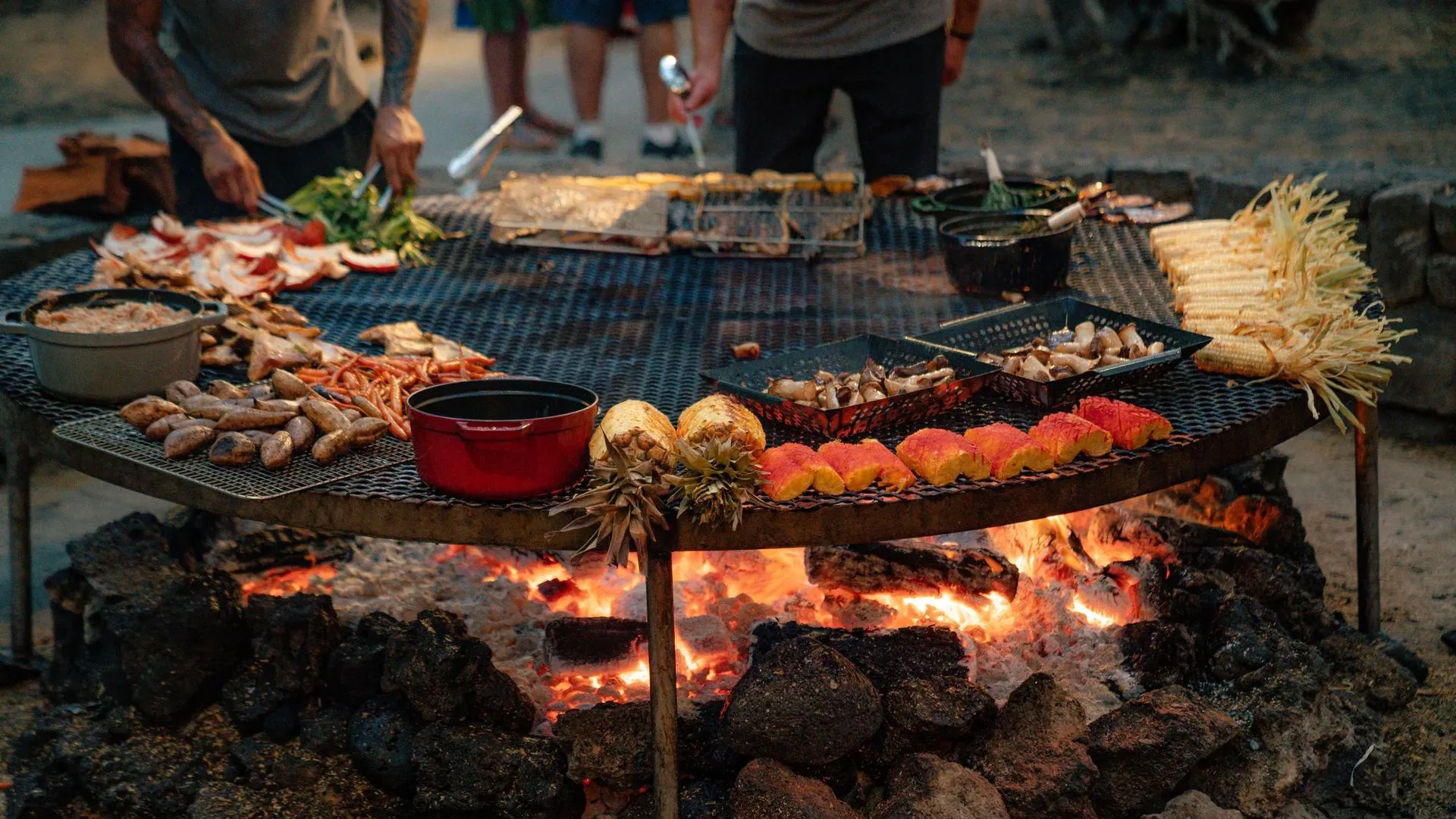
Three restaurants and a couple of bars feed 150 bungalows, on a coast with nothing within walking distance, and after five nights we felt the limits. Kahuwai Cookhouse was our anchor. It cooks in the paniolo tradition of Hawaiian cowboys over wood fire, serves lunch and dinner, and runs a market counter for pastries, coffee, juices and smoothies. It became our stop between the pool and lunch when the three-year-old flagged. The keiki menu is short and priced like everything else here: chicken tenders with fries or fruit at $22, macaroni and cheese at $20. On Thursday evenings the Cookhouse hosts Paniolo Night, a wood-fired feast with live music at $250 per adult and $90 per child aged 5 to 12. That means a family of four with two school-age children spends about $680 (the adult price drops to $200 without alcohol).
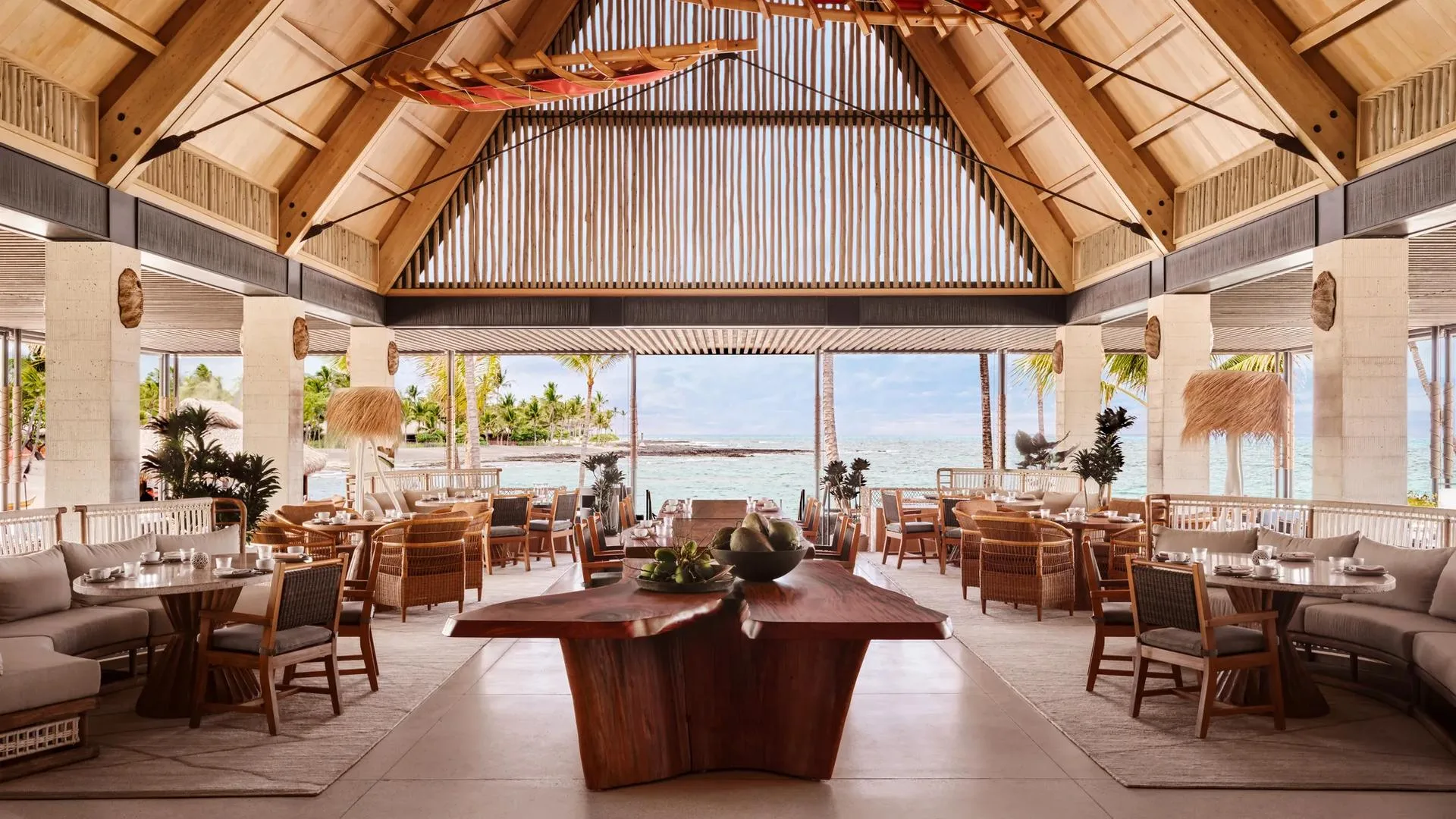
Moana is the more ambitious room, an open pavilion serving breakfast and dinner with produce from the resort farm. Breakfast, with its buffet and those whale-season views, was the easier meal, although the buffet itself is less impressive than the setting. Dinner was uneven. One evening the fish was excellent and the service unhurried in the good sense; another evening, with every table full, we waited 25 minutes between courses with two tired children and a bucket of sand toys that had stopped working. If you book Moana with young children, take the earliest seating, which you can reserve ahead, and order the children’s food with your drinks.
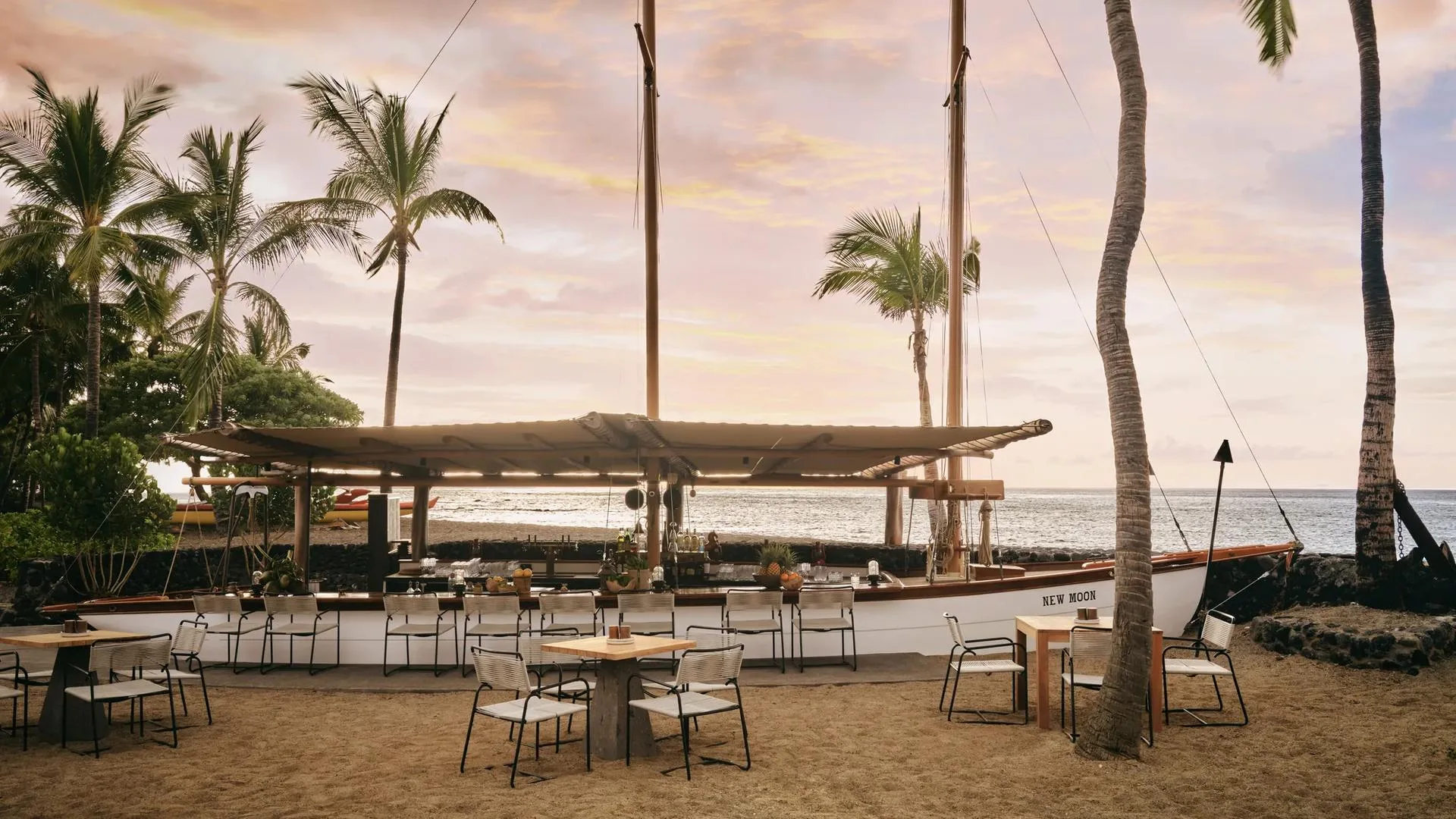
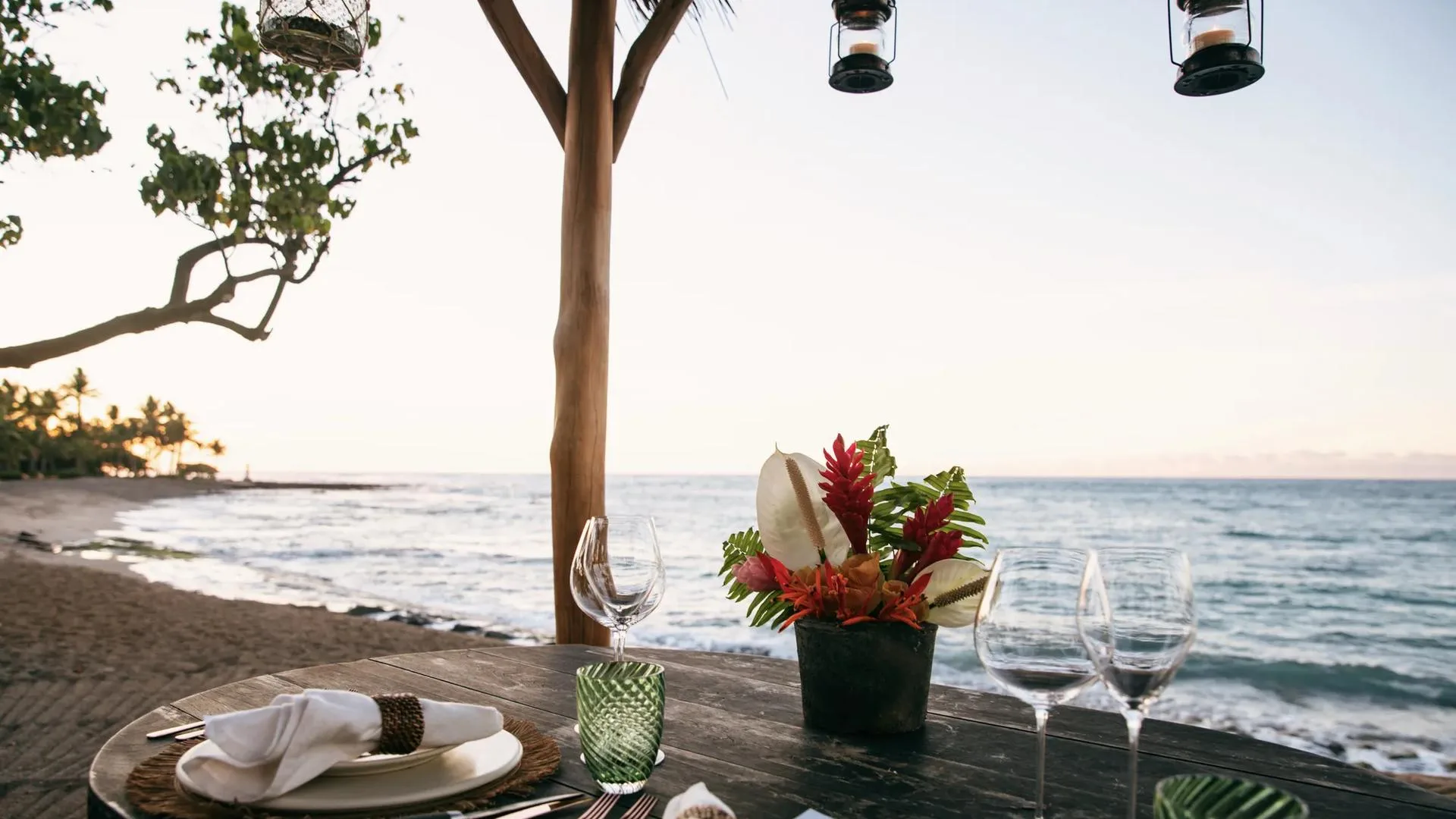
Shipwreck Bar & Sushi is the most charming place on the property. It is built around the hull of the New Moon, an old schooner beached here in the original resort’s early years and since restored. It serves maki, nigiri and playful cocktails, with the sushi counter opening at five from Tuesday to Saturday, in an atmosphere where children are plainly welcome. When we turned up after the pool menu had closed, the bartender quietly sent out food for our two before we had asked. Talk Story Bar handles sunset drinks. There is also Island Roots, a communal feast at the Imu Grounds, and private Celestial Dinners can be arranged at scenic spots around the property. Over a full week, the lack of variety is the real constraint: a family that likes to eat somewhere new every night will need a car and an appetite for the drive along the coast.
Warm staff at the edges, slow in the middle

Kona Village’s best people notice things before we ask. The plush seal, the bike seat already fitted, the toiletries for the baby set out before we had unpacked, the bartender who fed the children, the cart at half past five: none of it was requested, and all of it lowered the emotional temperature of travelling with small children. Auntie Lei’s storytelling at the cultural centre was the hour our eldest talked about on the plane home.
The middle of the operation is less consistent. Dinner service at Moana slowed noticeably on full nights, carts were hard to summon at seven in the evening, and a call to room service for milk took long enough that we walked to the market ourselves. Ask before you arrive what incidentals hold will be placed on your card, because nobody volunteered the figure to us. For a resort holding three Michelin Keys and a Forbes four-star rating, the gap between the inspired moments and the ordinary ones is wider than we would like. It is the main reason our service score stops short of the top.
Safety around lava rock, monk seals and reef shoes

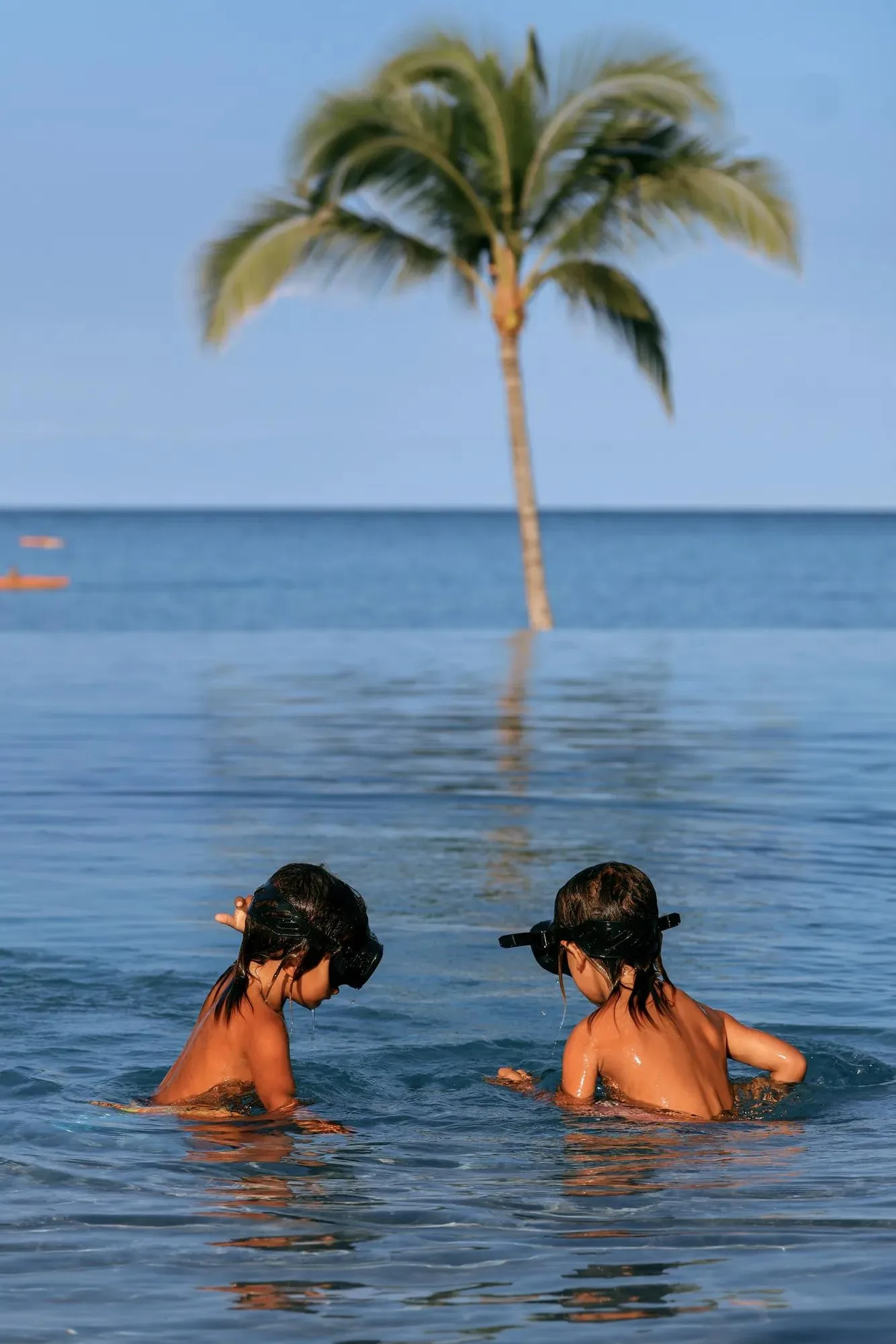
Kahuwai Bay is sheltered, with darker volcanic sand and calm water for most of our week, and it is not a sandy-bottomed lagoon. Lava rock sits under the surface in places, so pack reef shoes for every child. The floating dock is a proper swim from shore, suitable for confident swimmers only. Hawaiian monk seals haul out on the beach from time to time and staff keep everyone well back, as the rules require (stay at least 50 feet away, and further from a mother with a pup); the children treated the seal as the main event. Before the first swim, ask the Kilo Kai team which entry point suits small swimmers that day. The Moana keiki pool is shallow with a sandy bottom.
The price of a week, in real numbers
Here is the arithmetic for the cheapest version of a family week. Seven nights in an entry hale in a quieter season at about $1,250 is $8,750, plus $665 in resort fees, so roughly $9,415 before Hawaii’s taxes and before a single meal. In peak weeks the same hale starts around $1,695 and climbs higher on the busiest dates. That buys a single-room bungalow suitable for two adults and a baby, or two adults and one child at most.
Food adds up quickly. Two children’s mains at the Cookhouse are $42, one Paniolo Night for four is about $680, and a family breakfast at Moana, apart from the youngest who eat free, is a daily line on the bill. The resort fee, now $95 a night after rising from $75 earlier in 2025, does cover real things: the sunrise canoe, the sailing canoe, snorkel and kayak equipment and the spa recovery area. A family that uses the ocean programme every day gets real value from it. One that never leaves the pool is paying for a canoe it does not use.
For larger groups, the four-bedroom kauhale change the sums, and their rates are quoted on request. Shared between three families, a Maheawalu with a private pool, a chef’s kitchen and a butler starts to look less outlandish per head than three separate hale plus restaurant bills. The daily food and beverage credits on offer vary with the length of stay, so ask what applies to your dates. For two-bedroom kauhale, ask for your dates directly, since rates move a great deal with season. The cancellation window is 21 days before arrival (30 days for the four-bedroom kauhale), after which two nights plus tax are charged. The winter holiday period from 18 December to 2 January this season carries a deposit and stricter terms. Saving money? Rent a car and park it free, take a taxi from the airport from about $30, and travel outside the winter holidays.
We would change bikes, carts and the Sunday club
The bikes delivered to our kauhale on day one were two adult bikes, one with a child seat, and a child’s bike that was at least two sizes too big for an eight-year-old. It took until the next afternoon to swap it, and in a resort where the bike is how children gain their independence, that lost day hurt. Ask for your children’s heights to be passed to the bike team before arrival. Combine that with carts that thin out at dinnertime and a club that closes on Sundays, and the logistics fall back on parents exactly when they are most tired. A seven-day club, or even a short Sunday morning session, would change the experience for families with five-to-eight-year-olds more than any new restaurant. One evening we also found a short line of ants along the lanai door, dealt with within the hour, a reminder that this is an open-air resort in the tropics. Finally, ask whether a large group has booked the resort during your stay; a corporate event can close parts of the pool and beach to everybody else.
Our verdict is superb once your youngest is eight
Kona Village, A Rosewood Resort is the most distinctive family resort we know in Hawaii, and the reasons are things money cannot easily copy. They include a protected bay where turtles graze, a coastline layered with petroglyphs and fish ponds, thatched bungalows with nothing between you and the sound of the sea, and a Hawaiian identity that runs through the activities. For families whose children are eight and older, and especially for tweens and outdoor-minded teenagers, it is outstanding. For multigenerational groups in a four-bedroom kauhale it may be the best place on the islands to gather three generations under thatch.
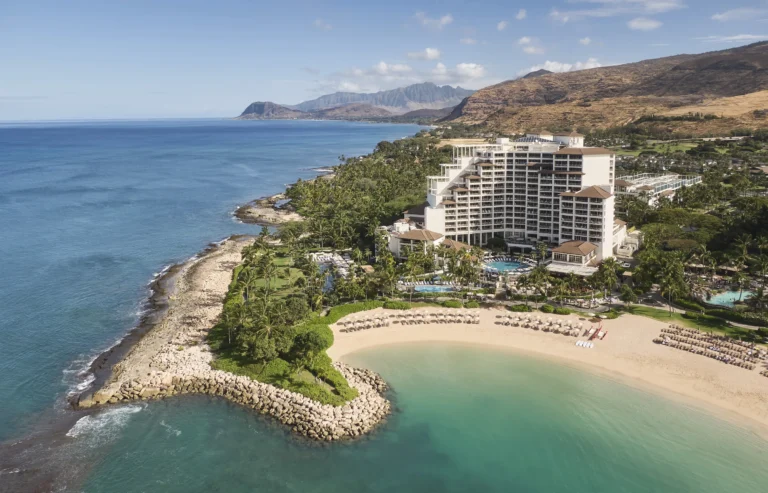
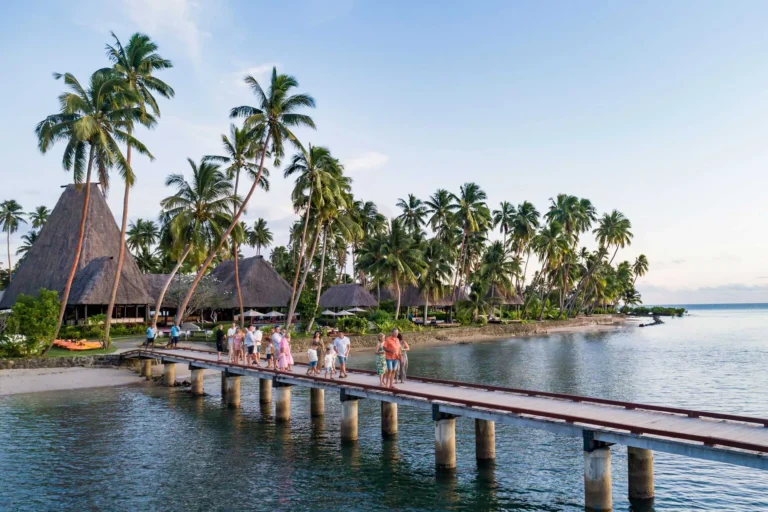
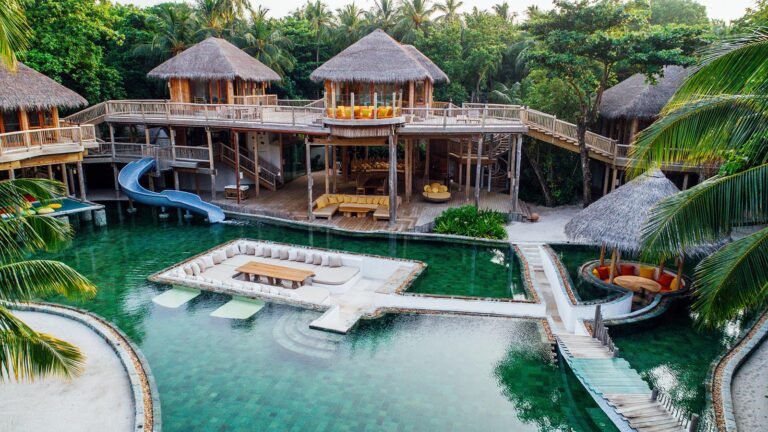
With babies and preschoolers it is still lovely, but it is work. There is no club before five, the paths are hard on strollers, and the evenings belong to you. If that sounds tiring, the Four Seasons Resort Oahu at Ko Olina offers a complimentary kids’ club and calm lagoons on a far more compact site, and Nanuku in Fiji pairs its youngest guests with dedicated nannies. If your children are old enough to swim to that floating dock and come back hungry, book a two-bedroom kauhale near Moana. Reserve the early dinner tables before you fly, and leave the screens at home without a second thought.
Updated November 2026.
Kona Village, A Rosewood Resort: Family Questions Answered
Is Kona Village a good resort for families?
Yes, and it is at its best once the youngest child is about eight. Children aged 5 to 12 get a Keiki Club that is included in the resort fee, tweens and teens get free bikes, snorkelling, canoes and a floating dock, and multigenerational groups have four-bedroom kauhale with private pools. Families with babies and preschoolers will enjoy it too, but with no drop-off care under five and sandy lava paths between bungalows, they should expect to be hands-on all day.
What ages does the Keiki Club accept, and what does it cost?
The Rosewood Explorers Keiki Club takes children aged 5 to 12 and is included in the resort fee. It runs Monday to Saturday from 9:30am to about 4pm and is closed on Sundays. The programme includes snorkelling in Kahuwai Bay, a beach walk, lei making, coconut weaving, salt collecting, coconut postcards, tilapia fishing in the Waipunalei lagoon, shave ice and movie nights. Confirm the age range and hours for your dates when booking, since both can change with the season.
Is there a crèche or babysitting for babies and toddlers?
There is no crèche or supervised drop-off for children under five. Babysitting is arranged through an outside company, so book evenings before you travel and ask the concierge for the hourly rate. In the room, cribs, baby monitors, baby tubs, bottle warmers, diaper pails and baby toiletries are provided, and the Moana Family Pool has a shallow, sand-bottomed keiki pool for little ones.
Is Kona Village suitable for teenagers?
Yes for self-directed teenagers who like the ocean; less so for those who need a social scene. There is no teen club. Teens get sunrise outrigger paddles, kayaks and snorkelling through the resort fee, tennis and pickleball on included courts, bikes, ukulele and hula classes at the Ka'uluola Cultural Center, film nights with a beach fire and children's treatments at Asaya Spa. Wi-Fi is free and fast, but there are no televisions in the rooms.
Which rooms work for a family of four or five?
Book a two-bedroom kauhale: the standard hale is a single room. The two-bedroom kauhale have one king and two queen beds and are listed for up to six guests; the Lagoon View version covers about 2,420 square feet with two full baths and a half bath, while the black sand versions cover about 1,325 square feet and the Beach Front one has a lanai staircase to a small black sand beach. One-bedroom kauhale (about 1,570 square feet in the Garden View version) are listed for up to four guests. For groups, the 'Ohana Pool Four Bedroom Kauhale has two king and four queen beds, a private pool, hot tub and butler.
Can two families get connecting rooms?
The dependable way to keep a family together is a multi-bedroom kauhale, not two hale. Each hale is a freestanding bungalow, so there are no internal connecting doors. If you want two separate hale next to each other, request it in writing at booking and ask the resort to confirm the specific units; for three generations, the four-bedroom 'Ohana Pool and Maheawalu kauhale solve the problem outright.
What baby equipment does the resort provide?
A baby kit is provided in the room. It includes a crib with sheets, a wireless baby monitor, a baby tub, a bottle warmer, a diaper pail, Erbaviva baby skincare and child-size bathrobes and slippers. Complimentary bikes are available across the 81 acres; ask the concierge whether child seats or training wheels can be fitted. Send your children's ages and heights to the concierge before arrival so cribs and correctly sized bikes are ready in the hale.
Do children eat free, and what does family dining cost?
Children aged 5 and under eat free from the keiki menu or the Moana breakfast buffet; ages 6 to 12 pay children's menu prices. The resort quotes four and under in one place and five and under in another, so ask which applies to your dates. The stay is room-only. At Kahuwai Cookhouse, chicken tenders with fries or fruit cost $22 and macaroni and cheese $20; Thursday Paniolo Night is $250 per adult ($200 without alcohol) and $90 per child aged 5 to 12. Moana, Kahuwai Cookhouse and Shipwreck Bar & Sushi are the three restaurants, so ask about allergies directly with each kitchen.
How far is the airport, and how do transfers work?
Kona International Airport (KOA) is about 9 miles away, roughly 15 minutes by car. Concierge-arranged private cars cost extra; expect roughly $158 to $325 each way depending on the vehicle, and ask for the current quote. A taxi or rideshare starts around $30. Self-parking has been free if you rent a car, and valet is $40 a night. Bring your own car seats or confirm them when you book the transfer.
What does a week at Kona Village really cost?
The cheapest family week starts at roughly $9,400 before tax and food. That is seven nights in an entry hale in a quieter season at about $1,250 plus the $95 nightly resort fee. In peak weeks the same hale starts around $1,695. Add every meal, since nothing is included, plus spa treatments and special dinners such as Paniolo Night. Two-bedroom kauhale rates move strongly with season, so request a quote for your exact dates; four-bedroom kauhale are quoted on request.
Is Kona Village worth the money for a family?
For families with children eight and over who live in the water, yes. The protected bay, the thatched bungalows, the cultural programme and the included canoes and snorkelling are hard to match anywhere in Hawaii. The value weakens for families with toddlers, who pay top rates while doing most of the childcare, and for anyone who wants varied dinners every night: with three restaurants and an uneven dinner service, food is the weakest part of the equation.
What are the main drawbacks for families?
Distances, Sundays and dinner. Some hale sit up to ten minutes on foot from the family pool and restaurants along sand and lava-gravel paths, and golf carts are hard to get at peak hours. The Keiki Club is closed on Sundays and takes no children under five. Dinner at Moana can be slow on full nights. Children's bikes are not always the right size, so send heights ahead, and ask whether a large group has booked during your dates.
Which families should choose another resort?
Families travelling mainly with under-fives, and those who want a full kids' programme seven days a week. Also look elsewhere if you need an all-inclusive plan, a sandy-bottomed swimming lagoon or a lively teen scene. For calm lagoons and a compact layout, the Four Seasons Resort Oahu at Ko Olina is the easier Hawaiian choice; for dedicated nannies, look to Fiji.
Is the bay safe for children to swim in?
Yes with supervision and reef shoes: Kahuwai Bay is sheltered and usually calm, but it is not a sandy lagoon. Lava rock sits beneath the surface in places, and the offshore floating dock suits confident swimmers. Hawaiian monk seals sometimes rest on the beach, and staff keep guests well back; the rule is to stay at least 50 feet away, and further from a mother with a pup. Ask the Kilo Kai beach team each morning which entry point suits small swimmers; the Moana keiki pool is the gentler option for toddlers.
How does Kona Village compare with other Pacific family resorts?
Kona Village wins on setting and culture for older children; the alternatives win on childcare for the very young. The Four Seasons Resort Oahu at Ko Olina on Oahu has a complimentary kids' club for ages 5 to 12, calm Ko Olina lagoons and a far more compact site, which suits toddlers better. Jean-Michel Cousteau Resort in Fiji is all-inclusive, assigns a nanny to each young child and has a resident marine biologist. Nanuku Resort in Fiji pairs its youngest guests with dedicated nannies. None of them matches Kona Village's thatched hale, petroglyph fields and sanctuary bay.