
A family holiday does not need a minute-by-minute itinerary to feel considered. For 2027, we would build the trip around one thing everyone is looking forward to each day, then choose a hotel that makes the hours around it feel easy.
- Choose one daily anchor, not a checklist of must-sees.
- Book the base for what happens before and after the headline activity.
- Keep one flexible block each day for weather, energy and spontaneous choices.
- Let children choose between a few thoughtful options, without handing them the planning burden.
- Use the hotel’s practical details to decide whether the trip can slow down without becoming inconvenient.
Why the perfect itinerary is losing its appeal
The pressure to make every family trip count has a peculiar effect: the holiday starts to resemble a project plan. A list of beaches, restaurants and day trips grows until the family is moving through the destination rather than spending time in it. Then a late breakfast, a tired child or a change in weather can feel like a failure of planning, even when it is simply the family being a family.
Hilton’s 2027 travel-trends research gives that tension a timely shape. In its Germany findings, 54% of travellers said they feel at least some pressure when making travel decisions, while 48% said they would rather skip a fixed itinerary and decide as they go. The survey also found that 57% say they almost always do what they truly feel like doing on holiday. These are findings about German travellers overall, not a family-only sample, and they describe reported attitudes rather than proving what causes a better trip. Still, the contrast is useful: people want to make the most of their time away, but they do not want every hour assigned in advance.
That is where a family needs a different kind of plan. Not no plan, and not a packed schedule disguised as spontaneity. We like a simple structure with enough give in it to absorb real life. One clear reason to get dressed and leave the room. A comfortable place to return to. Space for the day to become something else, without the family feeling that the plan has fallen apart.
The idea is especially useful for a family with different ages, sleep rhythms or appetites for activity. A toddler may be finished long before a teenager is ready to go back. Parents may want one memorable outing and a quiet lunch, not a succession of reservations. The answer is not to find a trip that pleases everybody every minute. It is to make the day succeed even when everyone wants something slightly different.
Start with one thing the family actually wants
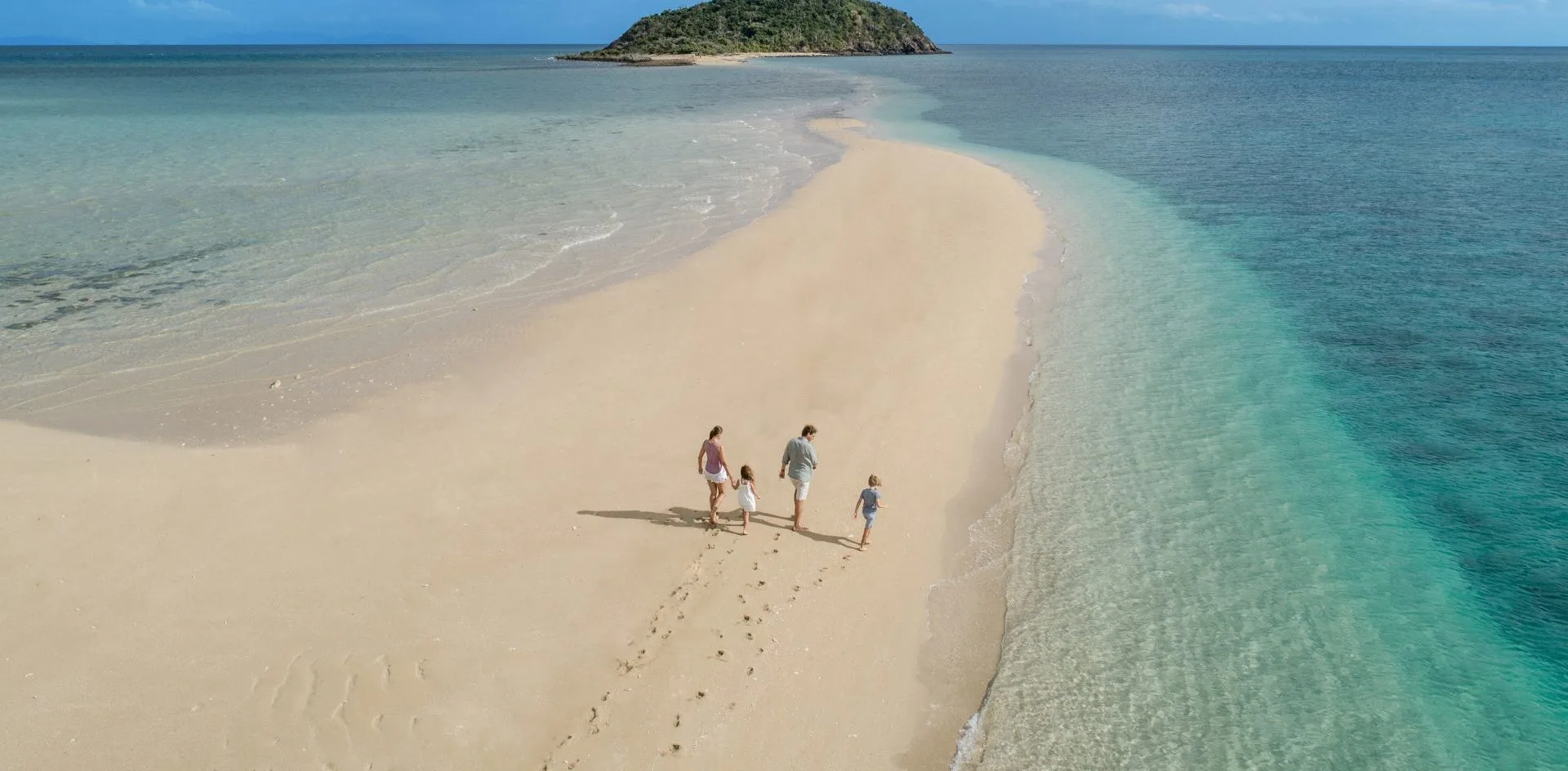
Our planning rule is one anchor a day: a single experience that gives the day a point of departure. It might be a boat trip, a museum, a long lunch with relatives, a ski lesson, a favourite beach or simply a morning in the pool. The anchor is not necessarily the most expensive or photogenic thing on the itinerary. It is the one activity the family can picture and agree is worth organising around.
Everything else stays in pencil. If the anchor is a morning outing, the afternoon can remain open. If it is dinner, the day does not need another major event before it. If the weather is uncertain, keep a nearby alternative in mind rather than reserving a second, unrelated activity as insurance. A good family day has a centre of gravity, not a chain of obligations.
There is a practical reason to choose the anchor before browsing hotels. It reveals what the trip must make easy. A family focused on a theme park needs a different base from one whose best day involves a boat and an early return. A trip built around a birthday meal may need a suite where small children can sleep while adults continue the evening. A beach-first week may reward a short, simple route to the sand more than an impressive list of facilities elsewhere on the property.
Ask each person for one thing they would be disappointed to miss. Then look for overlap. If there is none, alternate: the child chooses the morning on one day, the adults choose the next. This small act of planning gives a more personal holiday than asking everyone to vote on a long list of attractions.
One anchor is a limit as well as an invitation. It stops a promising day from becoming a race between breakfast, transfer, activity, lunch, another activity and dinner. The measure of success is not how many pins fit on the map. It is whether the family has enough time to enjoy the thing it travelled for.

Choose a base for the hours between plans
Families spend a surprising amount of a holiday in the spaces around the main event: getting ready, coming back for a nap, changing out of wet clothes, finding something to eat and waiting for one person to finish. Hotel choice matters most in those unphotographed hours. A beautiful lobby cannot compensate for a room that makes an early bedtime impossible, or a long transfer that turns every small outing into a half-day commitment.
Before booking, map the ordinary day rather than the headline one. How far is the anchor from the hotel? Is there a realistic way back if a child is exhausted? Can the family eat without a lengthy journey or a fixed seating that conflicts with younger children’s routines? Does the room configuration give people somewhere to be while someone else sleeps? Those details have more influence on daily ease than a list of amenities that the family may never use.
Think in circles of effort. The first circle is the room and its immediate surroundings. The second is the hotel’s usable spaces: a pool, garden, beach, lounge or shaded terrace, depending on the property. The third is the destination beyond the gates. A family that expects to explore every day can accept more friction in the first two circles. For a family planning several quiet days, those first two circles deserve the closest scrutiny.
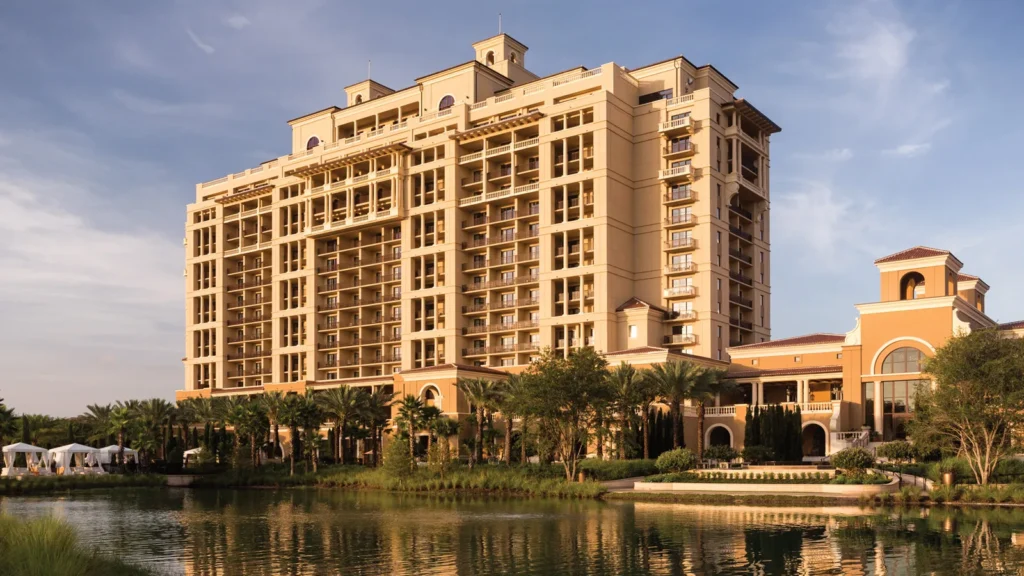
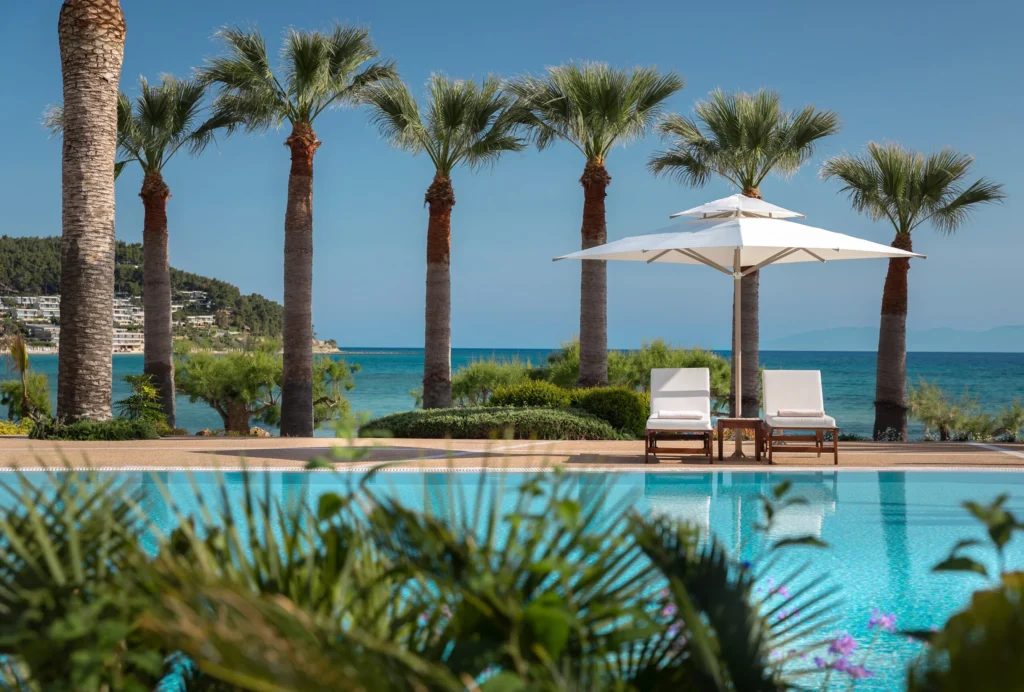
This is why we compare family hotels by the trip they make possible, not by star count alone. Our guides to Four Seasons Resort Orlando and Sani Beach are useful starting points for seeing how different resort settings can anchor very different family holidays. The point is not that one is universally better. It is that the right base reduces the number of decisions a family must make just to enjoy the day.
Before you pay a premium for location, write down the three journeys you expect to repeat. Room to breakfast. Room to the daily anchor. Room back after the anchor. If one of them is awkward, ask the hotel exactly how guests handle it. A precise answer is more valuable than a broad promise that everything is convenient.
Treat the hotel as part of the day’s rhythm
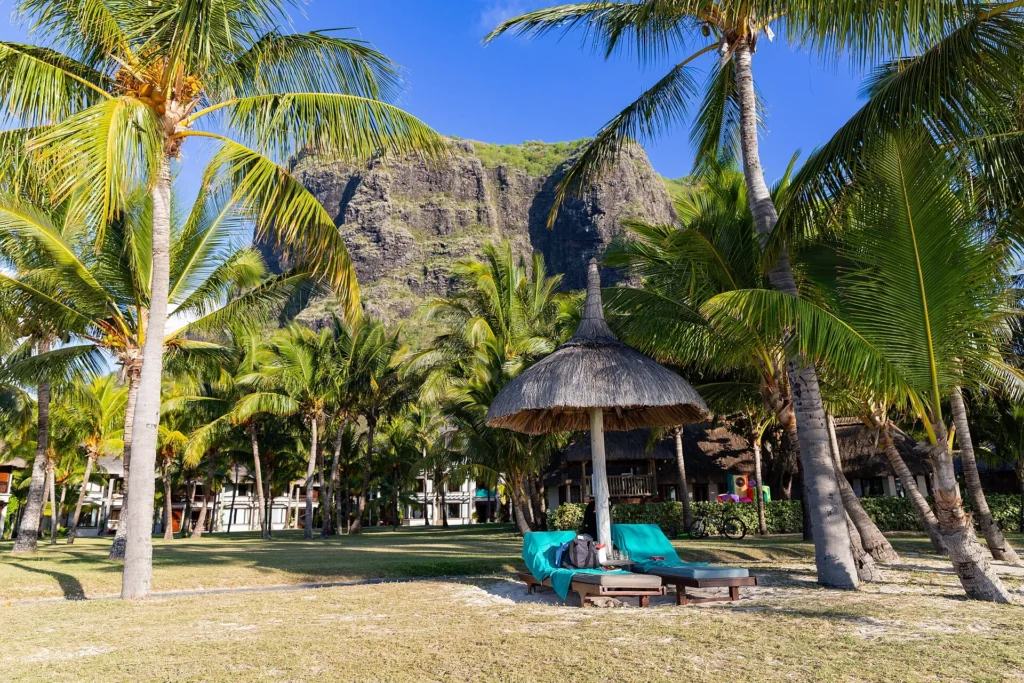
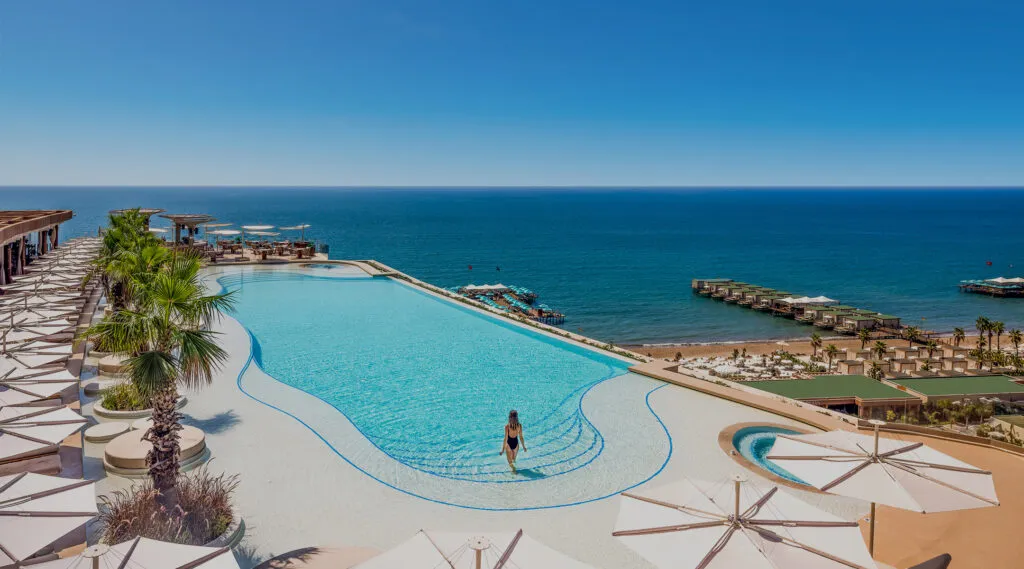
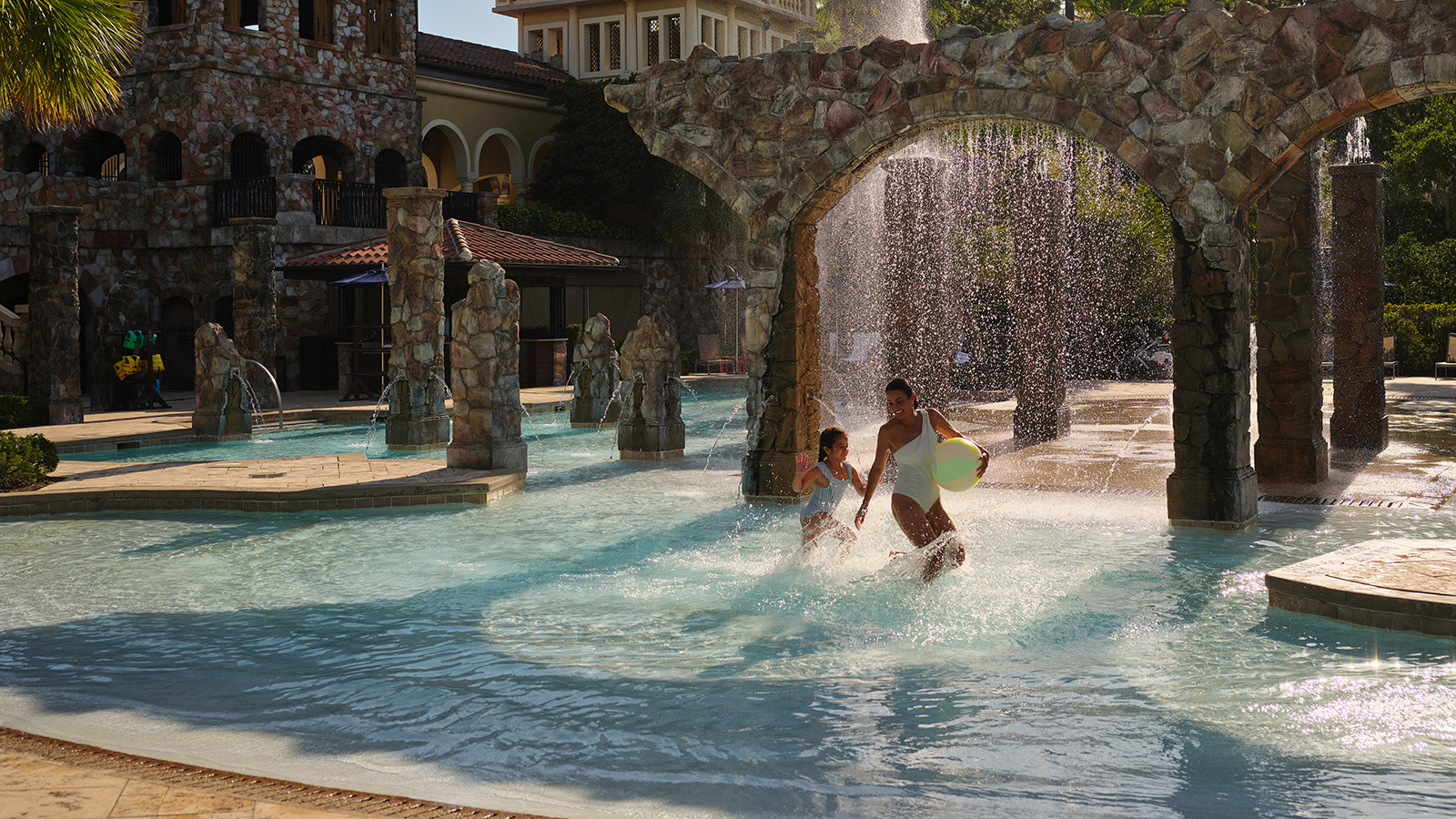
A hotel should not be a reward the family reaches after completing the itinerary. For a resort-based holiday, it can be one of the day’s most useful settings: somewhere to swim before lunch, sit out a hot afternoon or let an energetic child move while a younger one rests. The right property makes an unplanned hour feel like part of the trip rather than a gap in it.
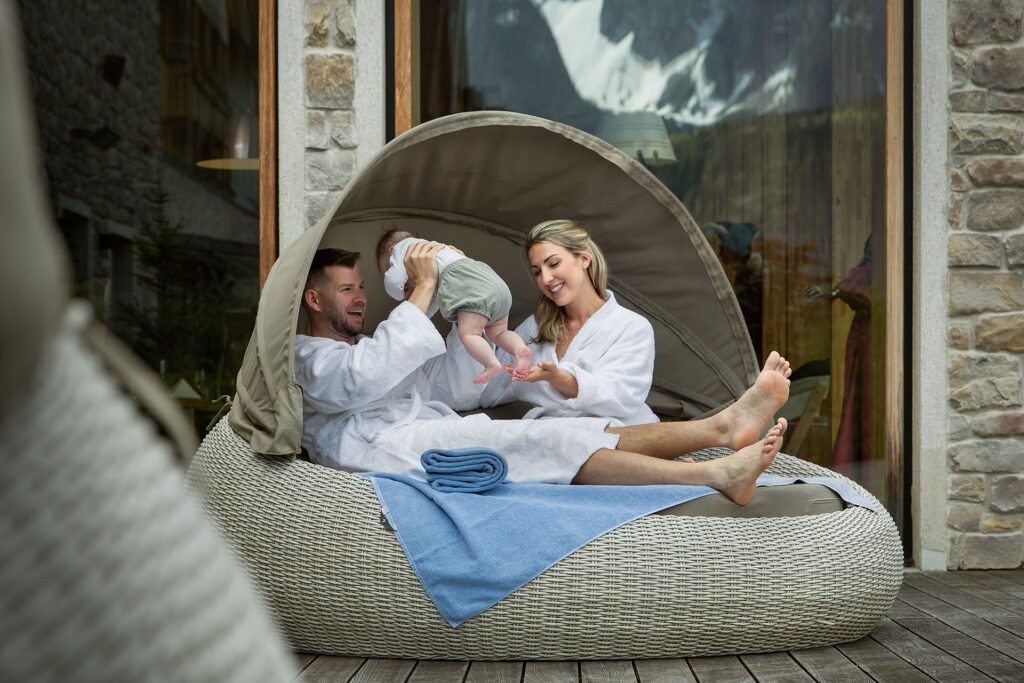
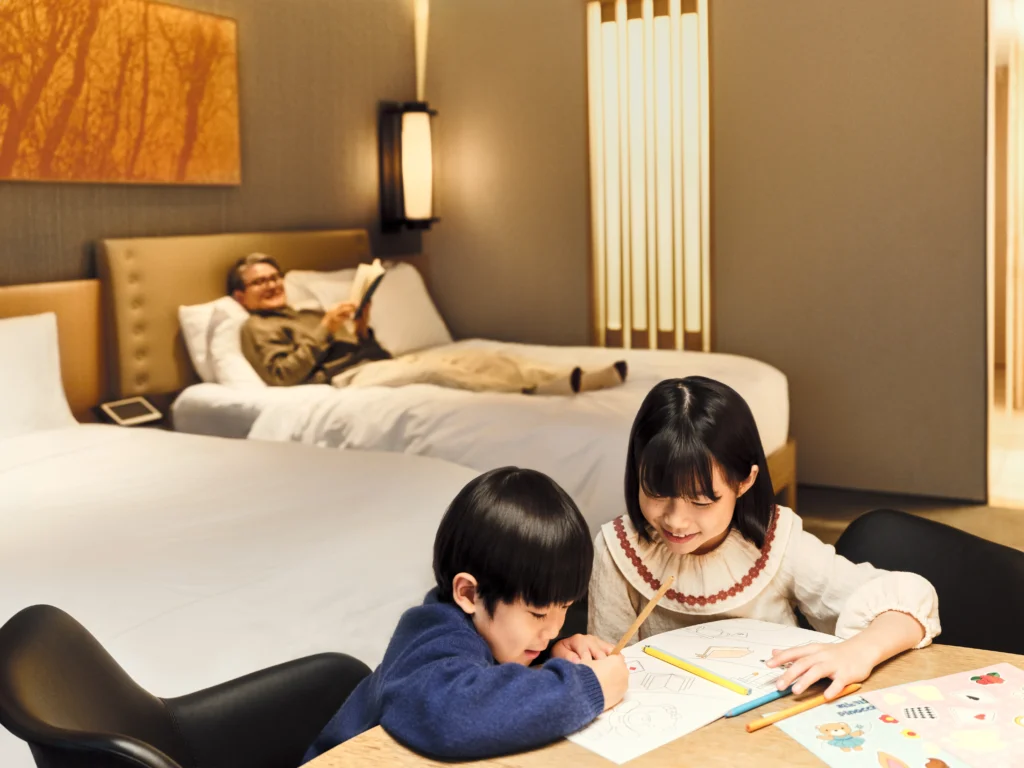
That does not mean adding “use every facility” to the plan. A pool is helpful only if the family will actually use it. A children’s programme matters only if its age range, hours, booking rules and supervision match the children travelling. A second bedroom can be worth more than a grand suite if it lets a baby sleep while the rest of the family stays awake. Amenities are not benefits in the abstract; they are answers to a family’s particular friction points.
Separate what must be confirmed before booking from what can be decided later. Confirm the room layout, age limits, operating dates, meal arrangements, transfer times and any advance reservations that affect the anchor. Leave the choice of a second swim, a slow lunch or a walk until you are there. Flexibility works best when the costly surprises have been removed before the family arrives.
We also look for what happens when the weather turns or the family’s energy does. Is there a comfortable indoor alternative? Can lunch move without losing the day? Is there enough to do nearby without arranging a car at short notice? These questions are not pessimistic. They are how a well-chosen base protects the feeling of a holiday when the original plan no longer fits.
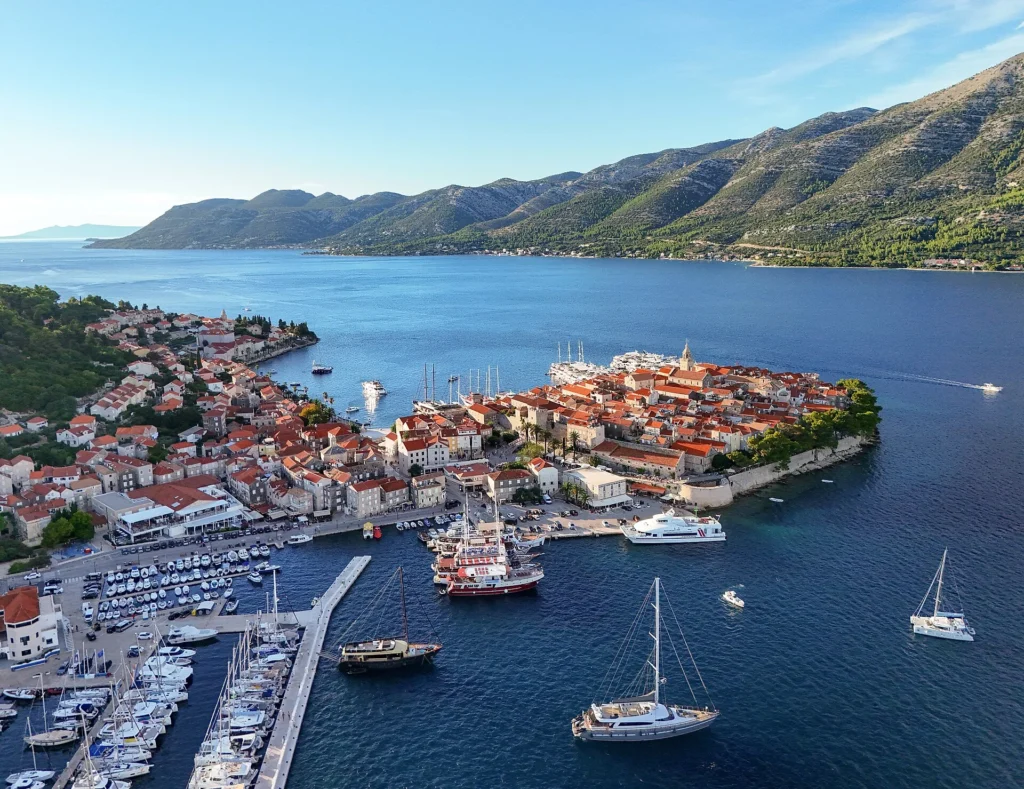
For some families, the answer will be a resort where the stay itself provides enough variety. For others, a smaller hotel close to a town or coast makes more sense because the destination supplies the options. The distinction is important. A hotel full of facilities is not automatically relaxing if the family feels obliged to use them all. A simpler base can be the better choice when the most appealing experiences are outside it.
Let children contribute without making them the tour director
Children know what makes a trip feel exciting to them: time in water, a particular animal, a train ride, a room with a balcony, or being allowed to choose the dessert. Adults know what the trip needs to function: sensible transfer times, a room that works for bedtime and a realistic number of activities. The best plan gives the child a meaningful say and lets the adults carry the practical decisions.
Give children a small number of real choices. Would they rather have a beach morning or a boat ride? Should the family visit the market before lunch or after a swim? Which of two outings feels most exciting? The options should already work for the adults and fit the day’s anchor. That gives children agency without making them responsible for the whole holiday or for choices they are too young to assess.
For younger children, show rather than explain. A few photographs of the pool, the beach or the boat can make an unfamiliar trip tangible. Older children may enjoy helping choose a restaurant or researching one activity. Teenagers may value an agreed block of independent time more than another family excursion. The contribution can change with age, while the invitation remains genuine and the adults keep responsibility for the final call.
There is also value in leaving one decision until you arrive. A child who has spent the morning in the sun may no longer want the afternoon activity they selected at home. If the reservation is flexible, let the day tell you what it needs. If it is not, make sure the family knows why the commitment matters and what the alternative is.
The aim is not perfect agreement. A child may not love the long lunch; a parent may not want a third visit to the pool. The anchor gives the family one shared intention, while the flexible parts allow individual preferences to breathe. That balance is more generous than asking everyone to enjoy the same thing at the same intensity.

Keep enough structure to make freedom work
“We will decide when we get there” sounds relaxed until it leaves a family standing in the sun with hungry children and no table. A flexible holiday still needs a few decisions made in advance. The trick is to reserve the decisions that protect the day and release the ones that do not.
Book the elements with limited availability or meaningful consequences: the room type, essential transfers, a special meal, a guide or the anchor activity itself. Check which details can be changed and by when. Then leave ordinary choices open: when to go for a second swim, which nearby café to try, whether to stay out after dinner, or whether a quiet morning is more appealing than a planned excursion.
Build a light daily frame. One anchor, one meal or break that gives the family time to reset, and one open stretch. That is enough structure to avoid decision fatigue without making the family obey a timetable. If an activity needs an early start, keep the evening before uncomplicated. If the anchor is late, do not force an ambitious morning into the same day.
Make the backup specific, not elaborate. For a rainy day, know the closest indoor alternative. For a tired afternoon, know whether returning to the room is simple. For a missed reservation, know whether there is a walk-in option nearby. One credible alternative can be calming; a second itinerary can become another plan to manage.
Our favourite test is simple: if the family chooses to do nothing after the anchor, will the day still feel worthwhile? If the answer is no, the plan is probably carrying too much weight. Add a restorative element, choose a better base or lower the number of expectations. The best family holidays have memorable moments, but they also have ordinary stretches that nobody needs to optimise.

What we would book: a base that makes leaving optional
For 2027, we would begin with the family’s one shared anchor, then choose the hotel that makes the rest of that day feel natural. That could mean proximity to a cultural outing, an easy return from the beach, a room arrangement that supports different bedtimes or a resort where a genuinely free afternoon feels like a good use of the stay. The answer changes with the family. The method stays the same: begin with the family’s shared anchor and choose the base around it.
Before confirming the booking, use five questions to test whether the plan suits this family. What is the one thing each person most wants from the trip? Which activity will bring the family together? What does the hotel make easy before and after it? Which facts need direct confirmation, such as age limits, seasonal opening or transfer times? And what will the family do if energy, weather or mood changes?
Then remove one planned activity. If the trip becomes better in your imagination, that is useful information. Perhaps the hotel needs to do more of the work. The family should stay in one place longer. Perhaps a destination is appealing because it allows for a range of days rather than demanding a new excursion every morning.
Hilton’s latest findings do not prescribe a family itinerary, and they do not prove that less planning always produces a better holiday. They do offer a timely reminder that flexibility is part of what many travellers want from time away. We agree, with one qualification: families enjoy freedom most when the important practical details have already been thought through.
One anchor gives the day direction. A thoughtful base gives it somewhere to land. Leave the rest open, and the family has room to make the trip its own.