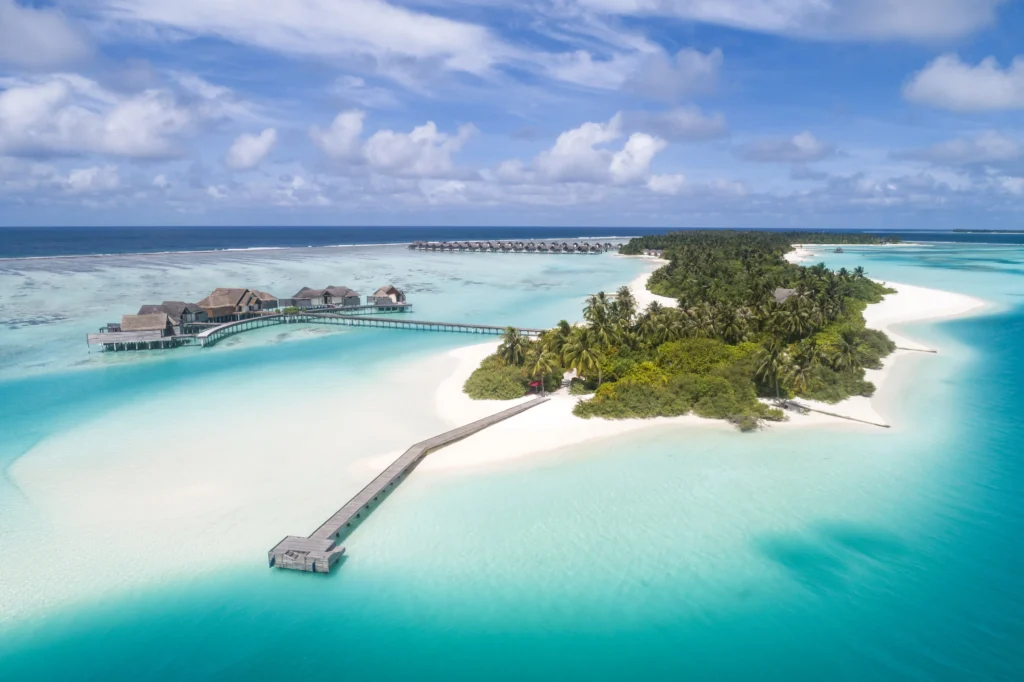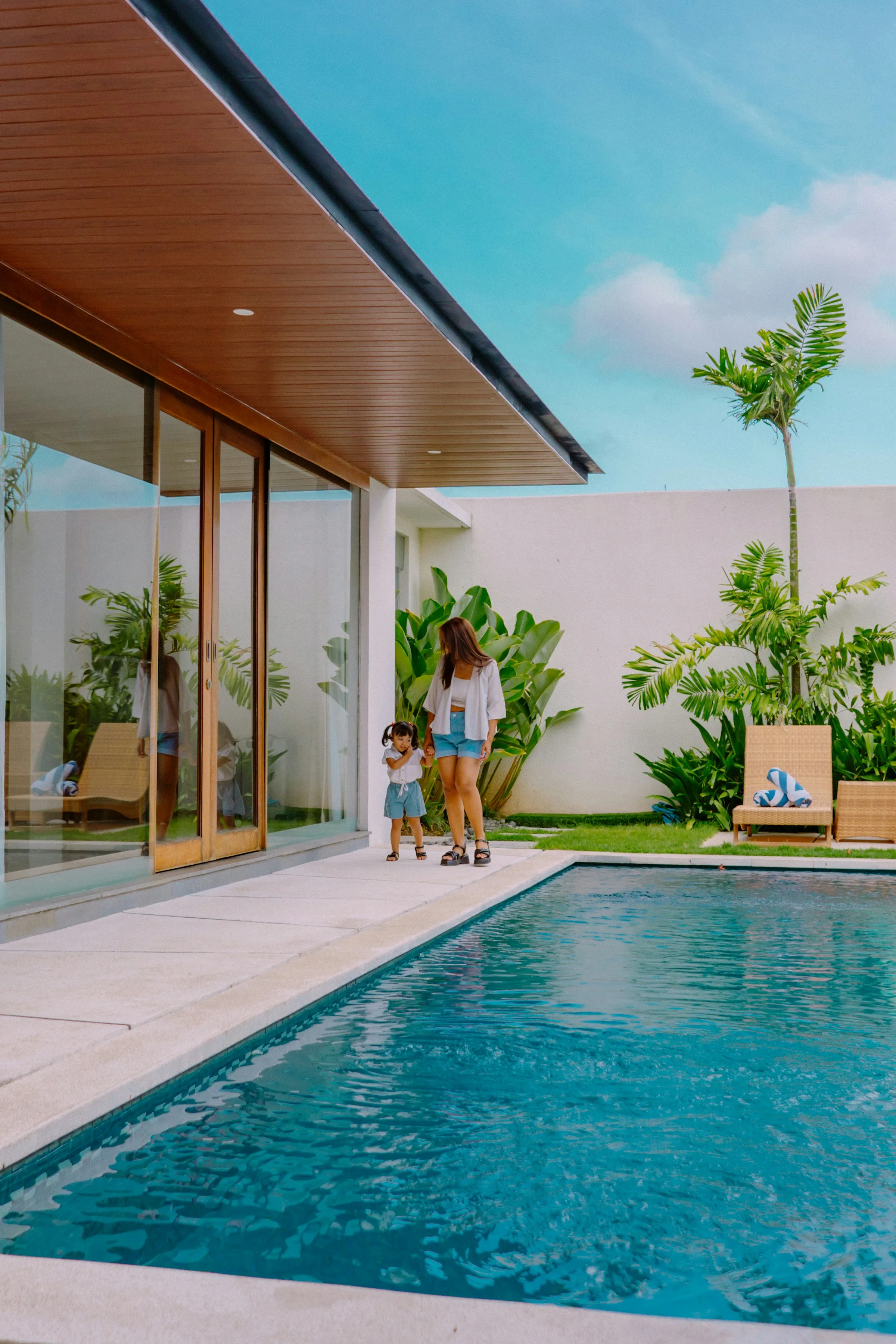
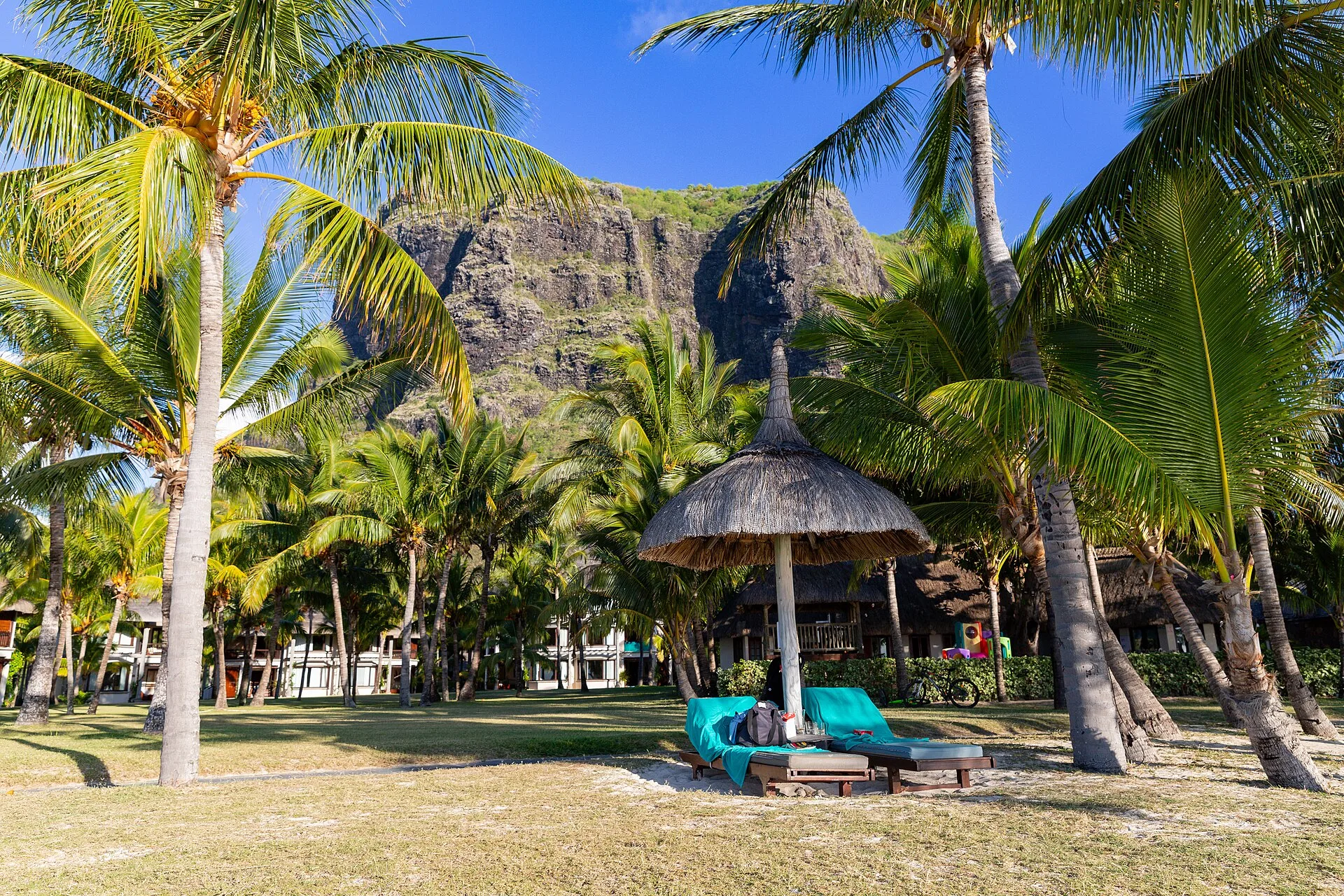
Before we talk about any island, we ask one question: how old is the youngest child? Below four, the Maldives turns awkward. Of the four Maldives resorts we have reviewed, only Niyama takes children under three into its club, from twelve months. Cheval Blanc Randheli starts at three, Soneva Fushi and One&Only Reethi Rah at about four. At Niyama, anyone landing after 15:15 waits for the next morning’s seaplane. With a two-year-old, that is a long evening in Malé.
Other Indian Ocean islands solve the problem differently, and the right one depends on the month as much as on the age. This guide sorts them by both.
The quick version
- Mauritius is the simplest first trip for under-fives. A reef keeps the lagoons calm, and free kids’ clubs are the norm rather than a perk.
- Seychelles suits children of five and up who will happily spend a morning watching a giant tortoise. Extras cost a lot there, so a meal plan usually pays for itself.
- Sri Lanka gives you a beach week plus elephants and a rock fortress, provided you pick the right coast for the month.
- The Maldives is a very good holiday from about four, in the dry season from December to April, at a resort that treats children as a design brief.
Choose the island by month first
Weather settles this before any kids’ club does, and it points in opposite directions depending on when you travel. From December to April the Maldives sits in its dry north-east monsoon: sunniest, calmest and most expensive. Mauritius is hot and humid over the same months, with cyclone risk peaking from mid-January to early March, so book a flexible rate if school holidays force you into it. The drier, cooler winter from May to October is Mauritius at its easiest.

Seychelles swings the other way. The north-west monsoon, roughly November to March, is warm, humid and wettest in December and January. The south-east trades, roughly May to September, are cooler, drier and windier. The calmest water tends to arrive in the short gaps between the two, around April and May and again in October. In Sri Lanka, the west and south coasts (Bentota among them) belong to November through April, while the east coast (Pasikuda) belongs to May through September.
Mauritius: the easiest first Indian Ocean trip
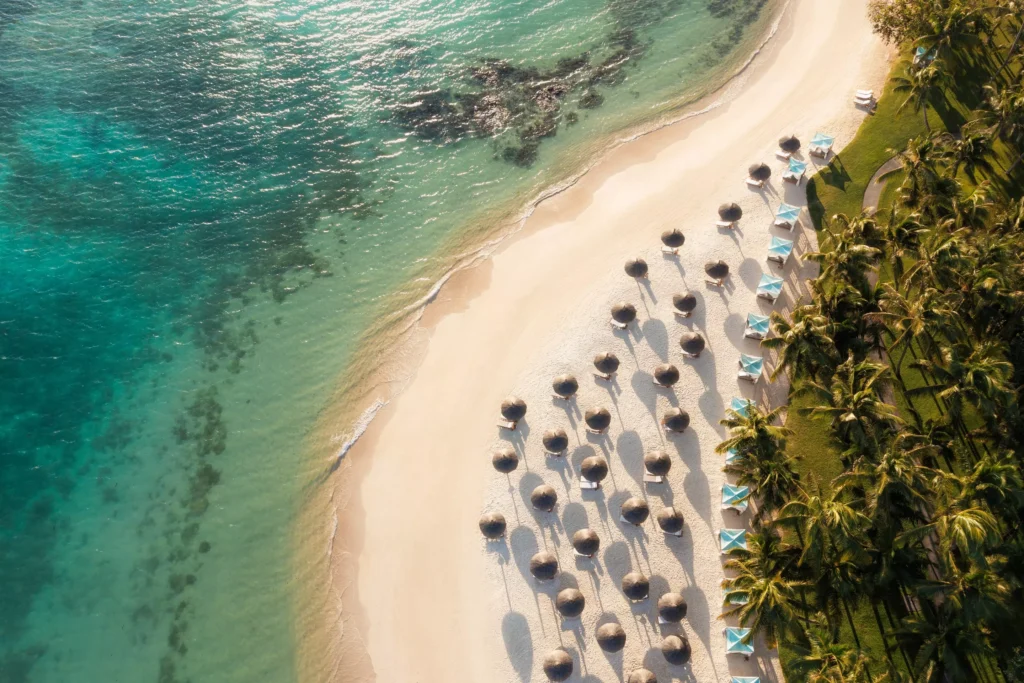
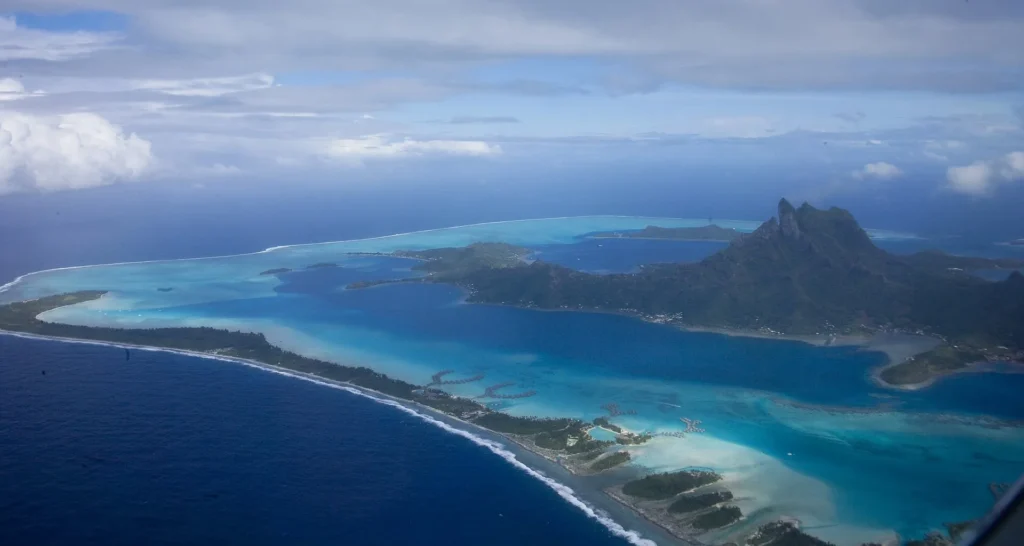
A coral reef holds most of the island’s lagoons almost flat. Parents who have been describe the beaches as giant paddling pools, and for a four-year-old who wants to wade in without a hand to hold, that is exactly the point. Free kids’ clubs run even at mid-range resorts here, so you are not paying extra for something the Maldives treats as a premium.
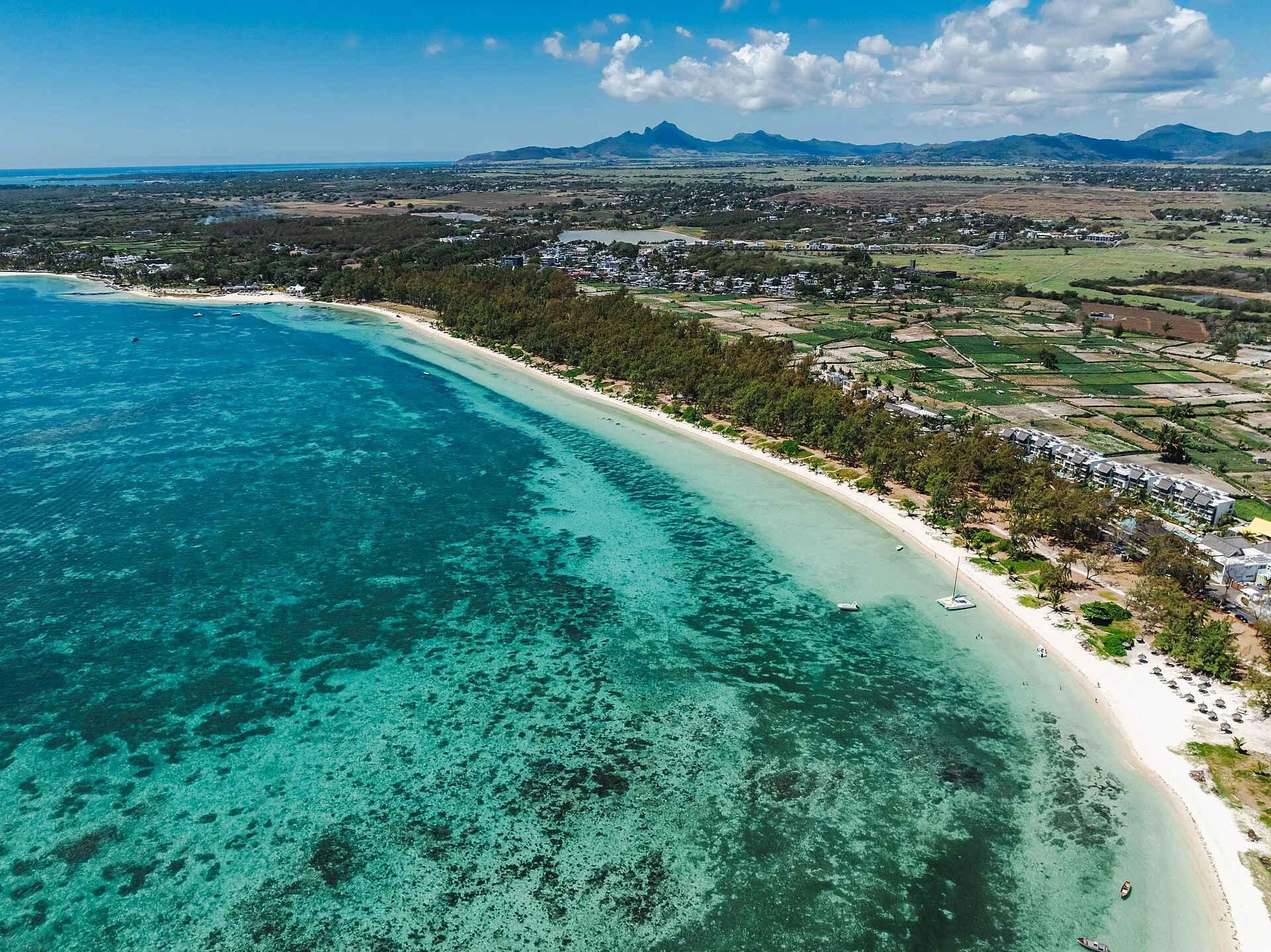
Our lead pick is One&Only Le Saint Géran, on the east coast at Poste de Flacq, where the resort sits on its own peninsula beside a shallow lagoon. The KidsOnly club takes children from the age of three, with separate clubs for tweens and for teenagers. It costs what a One&Only costs. Our full review covers rooms, dining and the age-by-age verdict, and it is the page to read before you compare anything else in this section.
Four Seasons Resort Mauritius at Anahita, also on the east coast, is the strongest alternative for long days. Its Kids For All Seasons club runs from 9:00 to 20:30 daily for ages four to nine, with a paddling pool, a sand pit and a quiet room for the child who has had enough. The Teens Club, for ten to eighteen, has a home cinema, table football and ping-pong. That is eleven and a half hours of cover, which is the number to weigh against the rate.
For the youngest travellers, look at Heritage Awali Golf & Spa Resort at Bel Ombre on the south coast. Its Timomo Baby Club takes children from birth to 35 months, free of charge, from 8:30 to 16:00, and the resort asks for 12 hours’ notice. The Timomo Kids Club then covers ages three to eleven, and a teens club takes over at twelve.
Constance Belle Mare Plage, on the same east-coast stretch, launched its Coconut Tribe kids’ club in 2025. It covers ages four to eleven across the group’s resorts in Mauritius, Seychelles and the Maldives, and children under four get selected supervised activities on request. The family suites have the space that a week with small children needs. Beachcomber is the value route: it offers a complimentary all-inclusive package for children up to eleven at many of its resorts, so check the exact terms for your resort and dates before you fall in love with a price.
Seychelles: space and nature, at a price
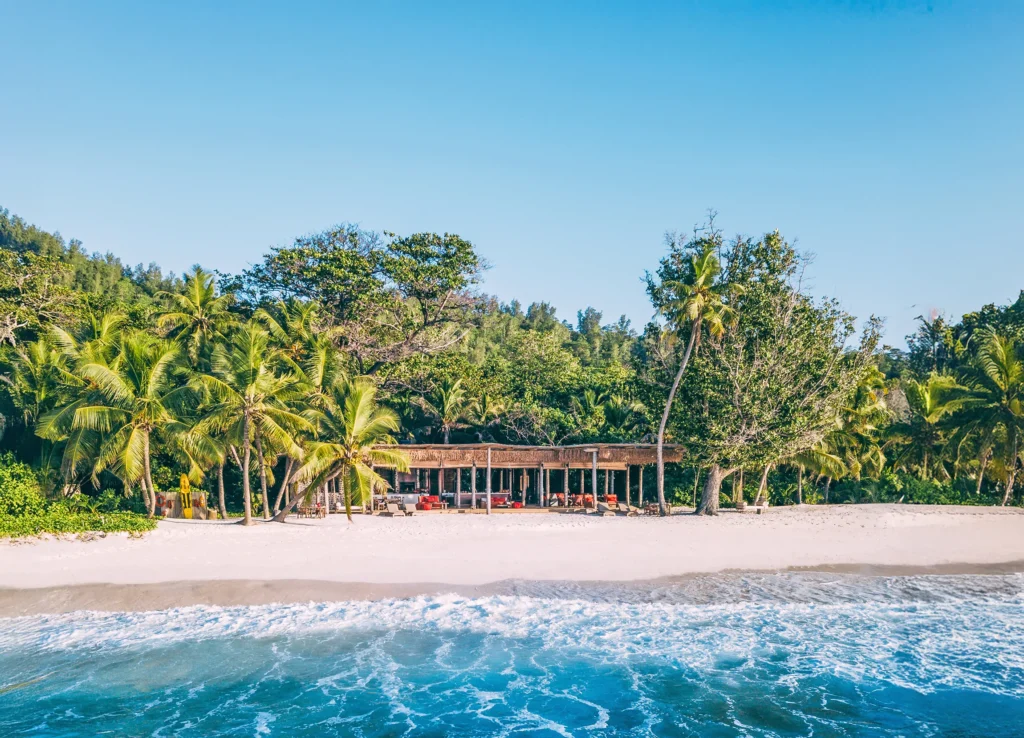
Mauritius is the smooth operator. Seychelles is where you go when you want your children to see something real: granite boulders the size of houses, the coco de mer palms of the Vallée de Mai on Praslin, a nine-year-old learning what a coral nursery is for. The cost is the honest downside. Food, drinks and water sports run high even by Indian Ocean standards, and inter-island transfers add both hours and money. That makes it sensible to price a meal plan or an all-inclusive rate from the start, rather than judging the trip by the headline room rate.
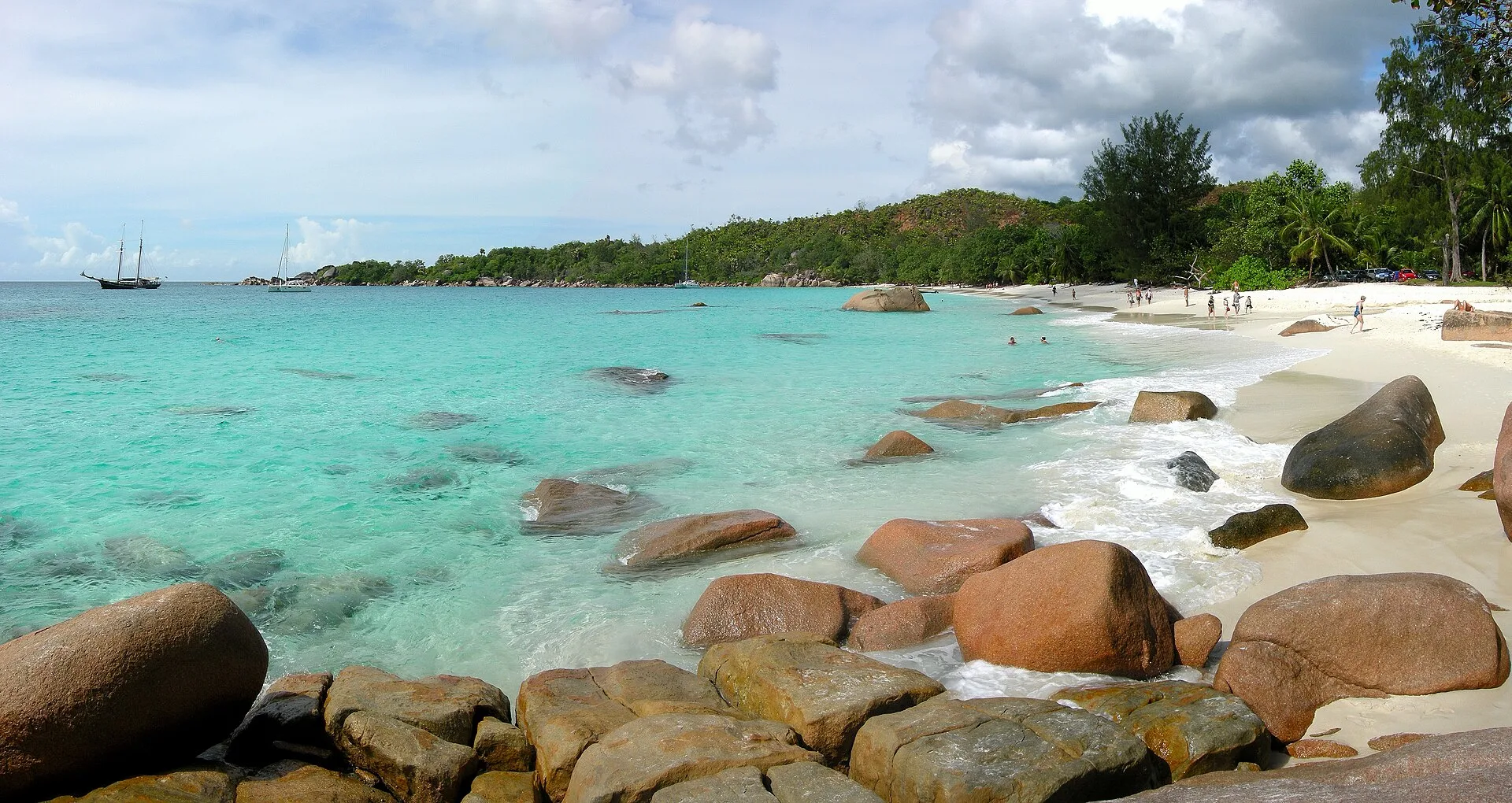
Constance Ephelia on Mahé covers 120 hectares with two beaches on either side of a headland, and it runs the same Coconut Tribe programme as Belle Mare. It is big enough that a family can spend a week without repeating a day. Raffles Seychelles on Praslin runs its Sugar Palm Kids’ Club from 9:00 to 17:00 with separate programmes for toddlers, children and teenagers, and the Vallée de Mai UNESCO site is on the same island. The villas are spacious, and in school-holiday weeks it pays to book the kids’ programme well ahead of your arrival date.
Six Senses Zil Pasyon sits on its own island, Félicité. Its Grow With Six Senses club takes children of four to twelve without a parent, with treasure hunts, guided snorkelling and food workshops, in sessions from 10:00 to 12:00 and 13:30 to 16:30. Under fours must be accompanied. The food policy is the clearest family saving in the archipelago: ages one to five eat free from the kids’ menu, and ages six to eleven get half off the restaurant menus. This suits the curious child who does not need a waterslide, and for that child nothing on Mauritius quite matches it.
At the private end, North Island has no kids’ club at all. Our review describes a Beach Buddy programme led by the island’s conservation team, ideal from about nine, and children under twelve stay complimentary. The helicopter from Mahé takes 15 to 20 minutes and costs roughly €800 per person each way, which changes the sums. For a family with children under eight, we would treat it as a second-week idea, not a first choice.
Sri Lanka: the beach is half the argument
Sri Lanka gets less attention in this conversation than it deserves, mostly because its beach quality varies so much by coast and season. On the east coast, from May to September, Pasikuda is a horseshoe bay where the water stays shallow and gently shelving, wadeable well beyond a hundred metres on most accounts, with hardly any surf. A toddler who has only just learned to walk can paddle without anyone holding their breath. Kids’ clubs and family rooms have become standard at the main resorts there.
Bentota, on the west coast, is best known for a sheltered river-and-lagoon side that suits younger children, with surf on the open-sea side for older ones. Heritance and Taj Bentota both have family facilities. Get the season right: the south-west monsoon makes Bentota rough from May to September, and a June arrival with a small child will feel long.
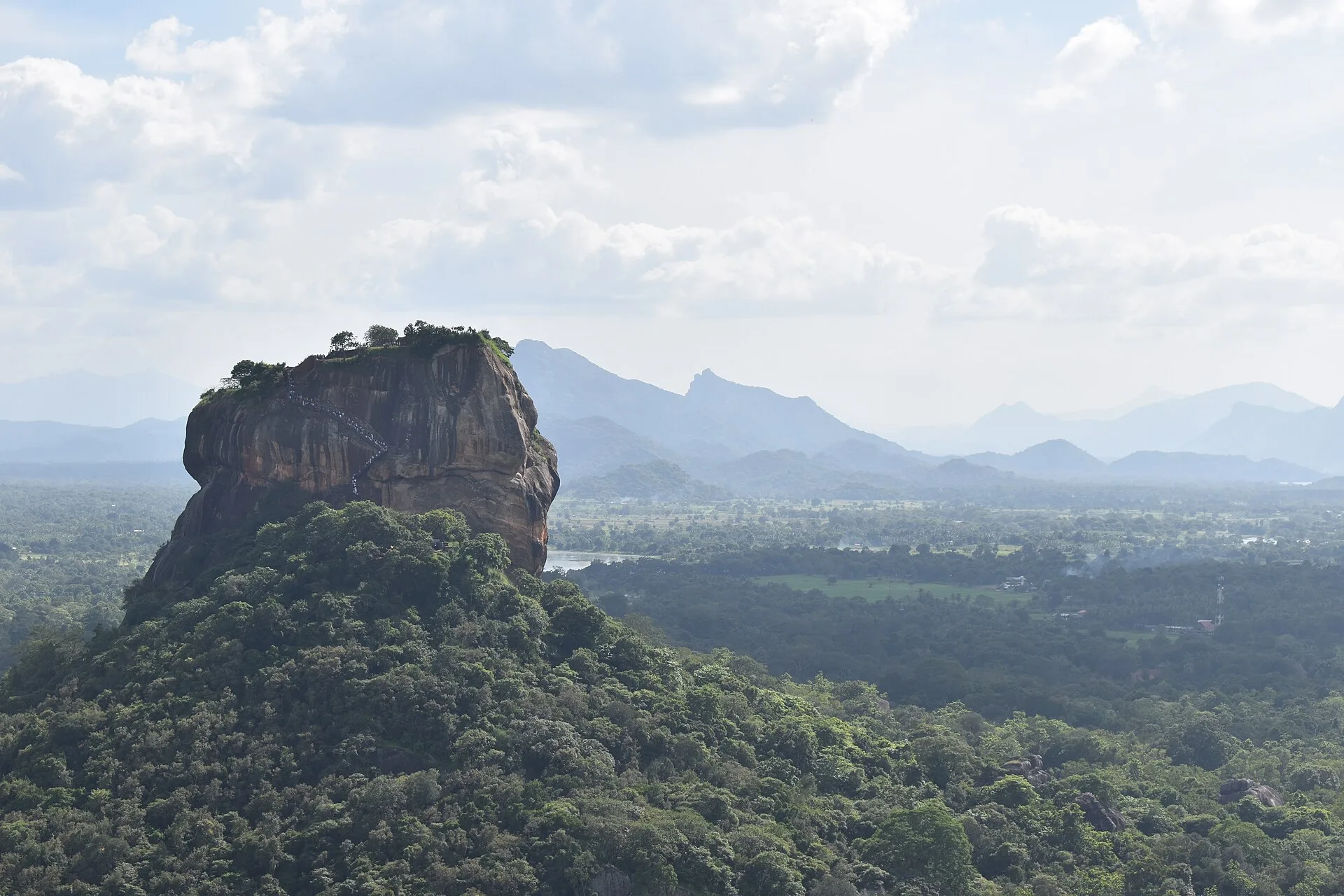
The rest of Sri Lanka’s case is everything that is not the beach. Within about three hours of the coast you can reach Sigiriya, the Dambulla cave temples, the elephant orphanage at Pinnawala and leopard country at Yala. A child who comes home with a story about a rock fortress has had more than a pool week.
The Maldives: when the case still holds
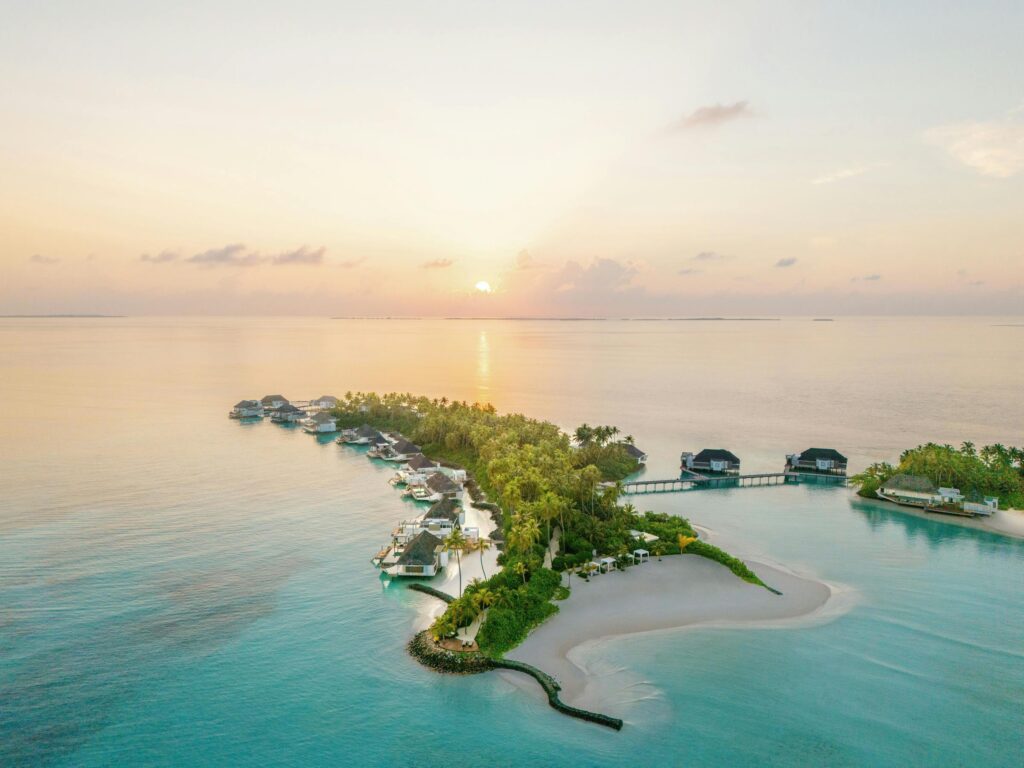
We rate the Maldives highly, and we still say wait until the youngest is four. The house reef is the argument for going: a seven-year-old with a mask and a reef a short swim from the beach sees more than most children see in a lifetime. The transfers are the argument against. Shared seaplane journeys of 30 to 45 minutes run in daylight only, and a sleep-deprived two-year-old on one is a memorable experience for the wrong reasons.
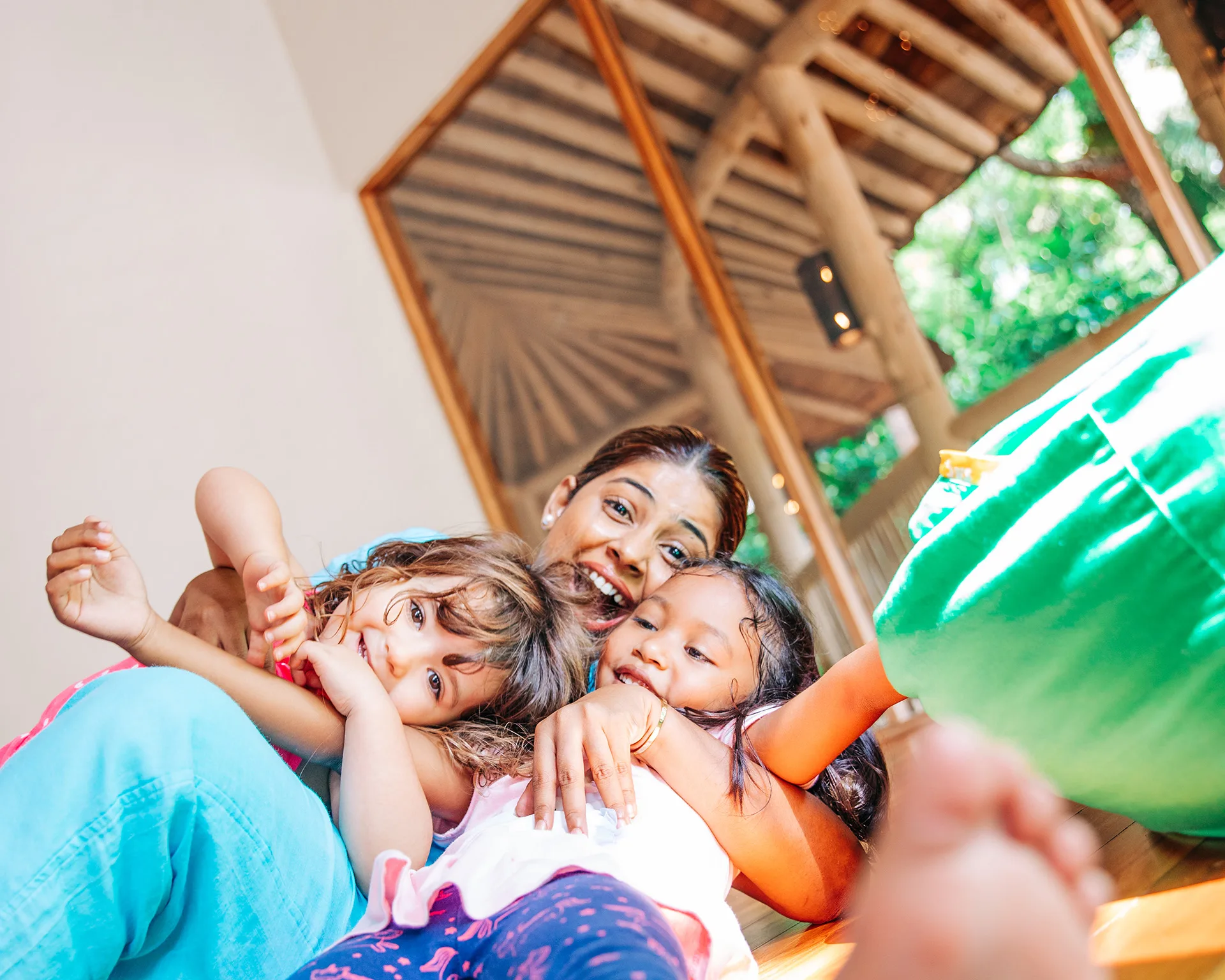
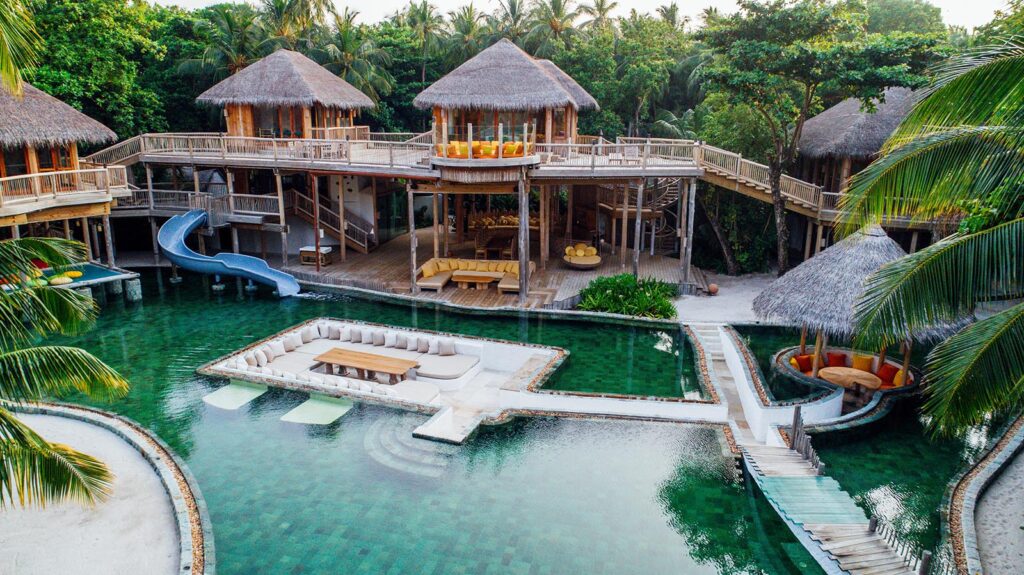
Soneva Fushi is our pick for children from four. The Den is complimentary, with drop-off for roughly ages four to twelve, and the free ice cream, chocolate and cheese rooms do more for children than a waterslide would. Everyone gets a bike, including baby seats for the smallest. Cheval Blanc Randheli works if you want full service and high design, but it is a couples-first resort with a good children’s club (Le Carrousel, ages three to twelve), and children under five dine free. One&Only Reethi Rah has no crèche and supervises from four, while private-only transfers add cost. Niyama is the one to consider with a toddler: the Explorers club starts at twelve months, though the Globetrotters group for ages one to three carries a fee that the resort does not publish.
What we would book
Youngest under two: Heritage Awali in Mauritius, where the Timomo Baby Club takes children from birth to 35 months, or Niyama in the Maldives, where the Explorers club starts at twelve months. Whichever you choose, get the age limits and the booking notice confirmed in writing before you pay.
Youngest between three and six: Le Saint Géran or Four Seasons Anahita, for the lagoon and the club hours. From May to October the weather is at its kindest, with cooler air and a lagoon that stays calm all year.
Five and nine, with a taste for nature: Seychelles, one week on Mahé or Praslin and, if the budget allows, a night or two at Zil Pasyon. Go in April, May or October, because that is when the water tends to be calmest.
An eight-year-old who wants more than a pool: Sri Lanka. Pasikuda for the beach days from May to September, then inland for Sigiriya and Dambulla. It is the best value on this page and the richest.
Maldives: wait until the youngest is four, choose Soneva Fushi, and go between December and April.
If East Africa is on the same shortlist, our safari lodges guide uses the same age-by-age lens. And if what you are really comparing is price, our piece on kids-stay-free offers explains what the small print does to the arithmetic.