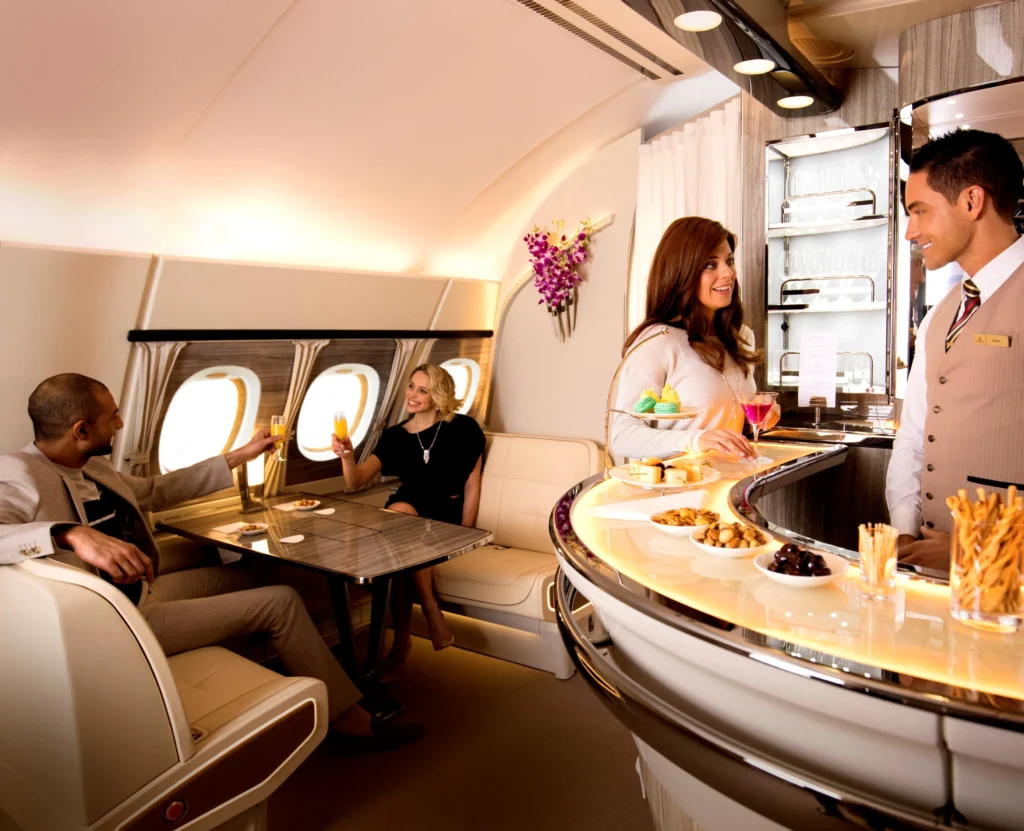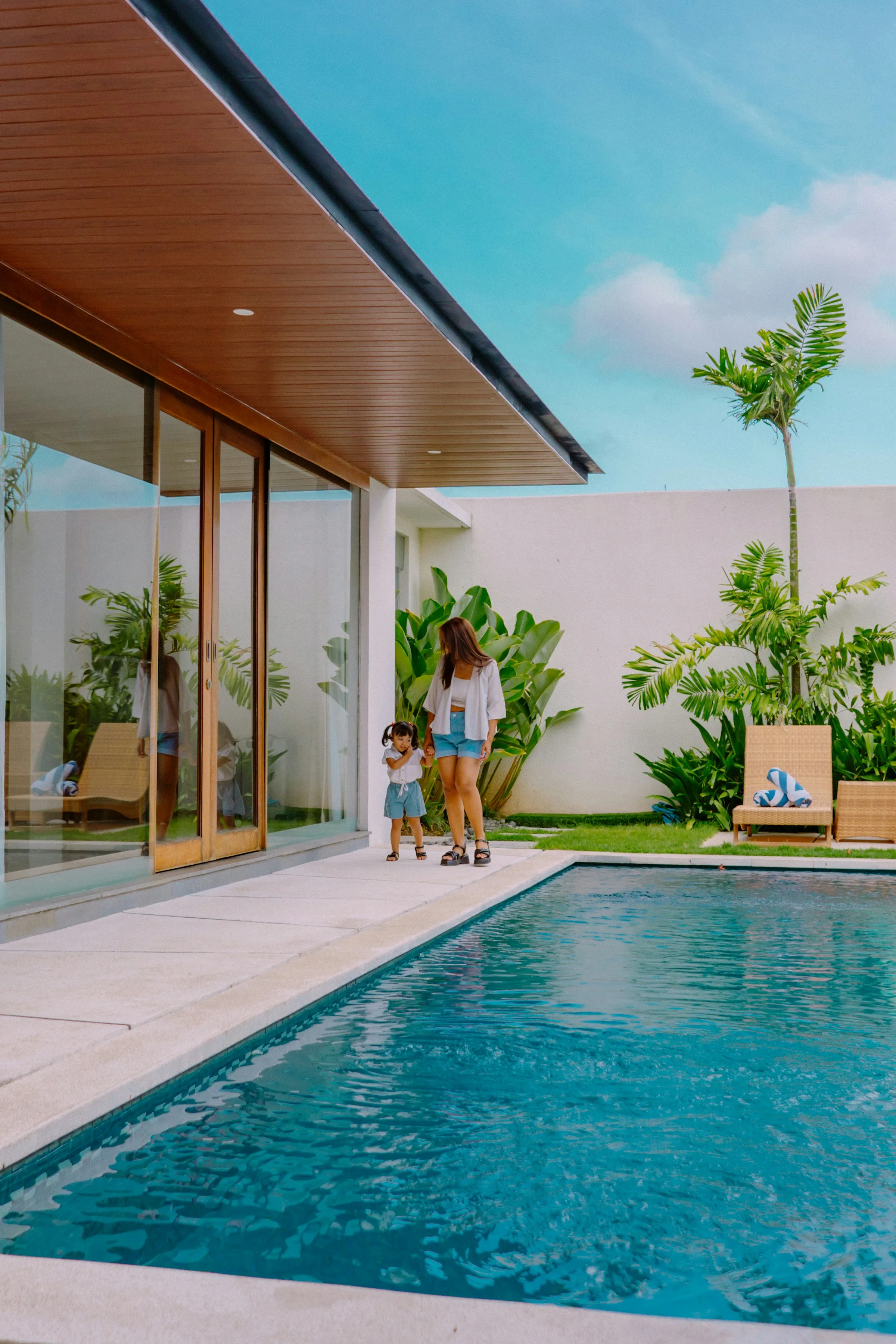
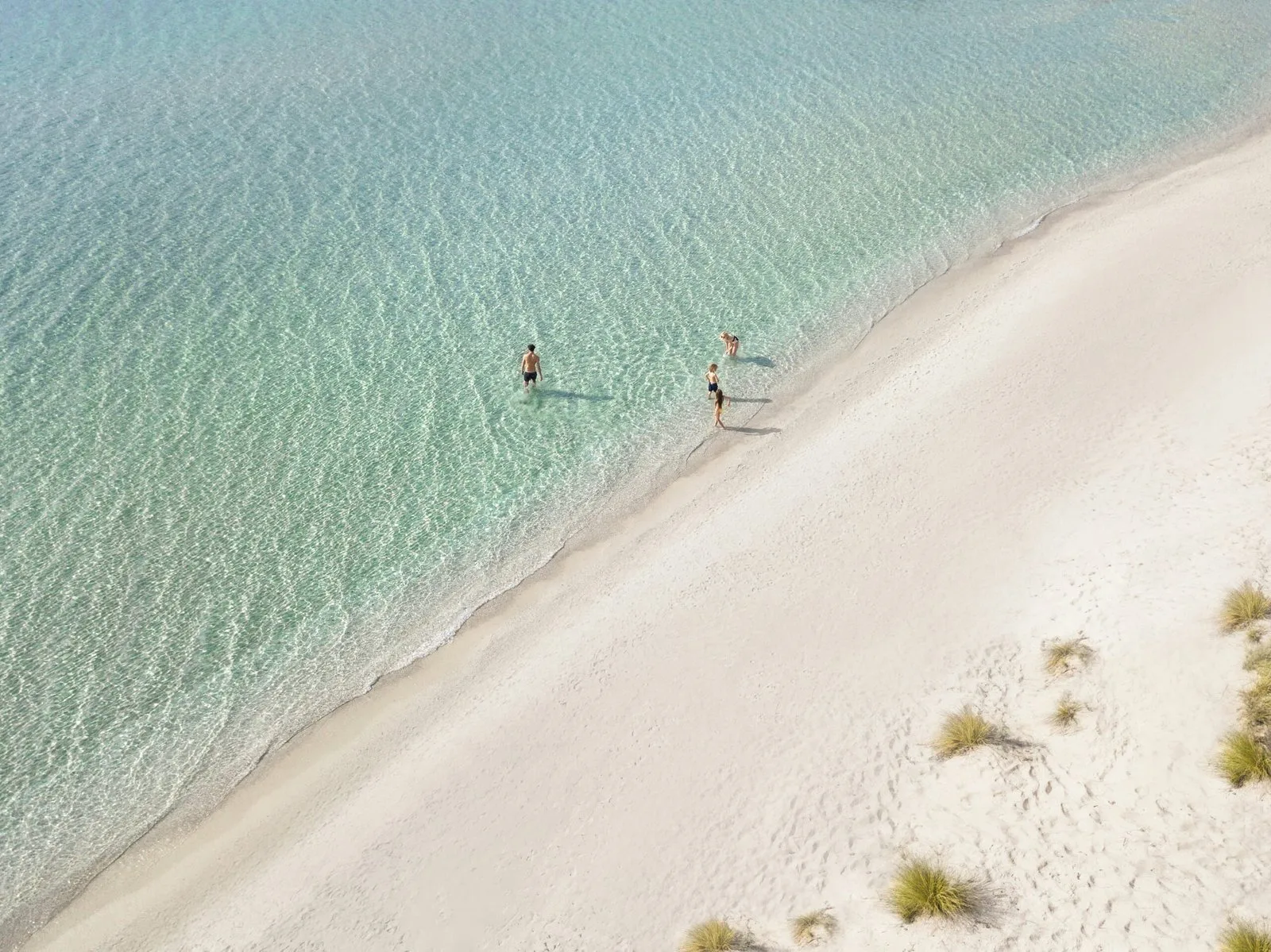
Skip the August theatre, keep the sea, the light and the good stuff… and suddenly a beach holiday feels expensive in the right way again.
There is a particular kind of parental delusion that peaks in August: the belief that everyone else will magically stay home, the airport will be civilised, the transfer will be swift, the pool will have spare loungers at 11am, and your child will somehow nap through heat, noise and a restaurant full of overtired strangers. Lovely fantasy. Real life, less so. September is where the Mediterranean starts behaving like the destination you booked it to be. Not empty, not sleepy, not bargain-bin… just saner.
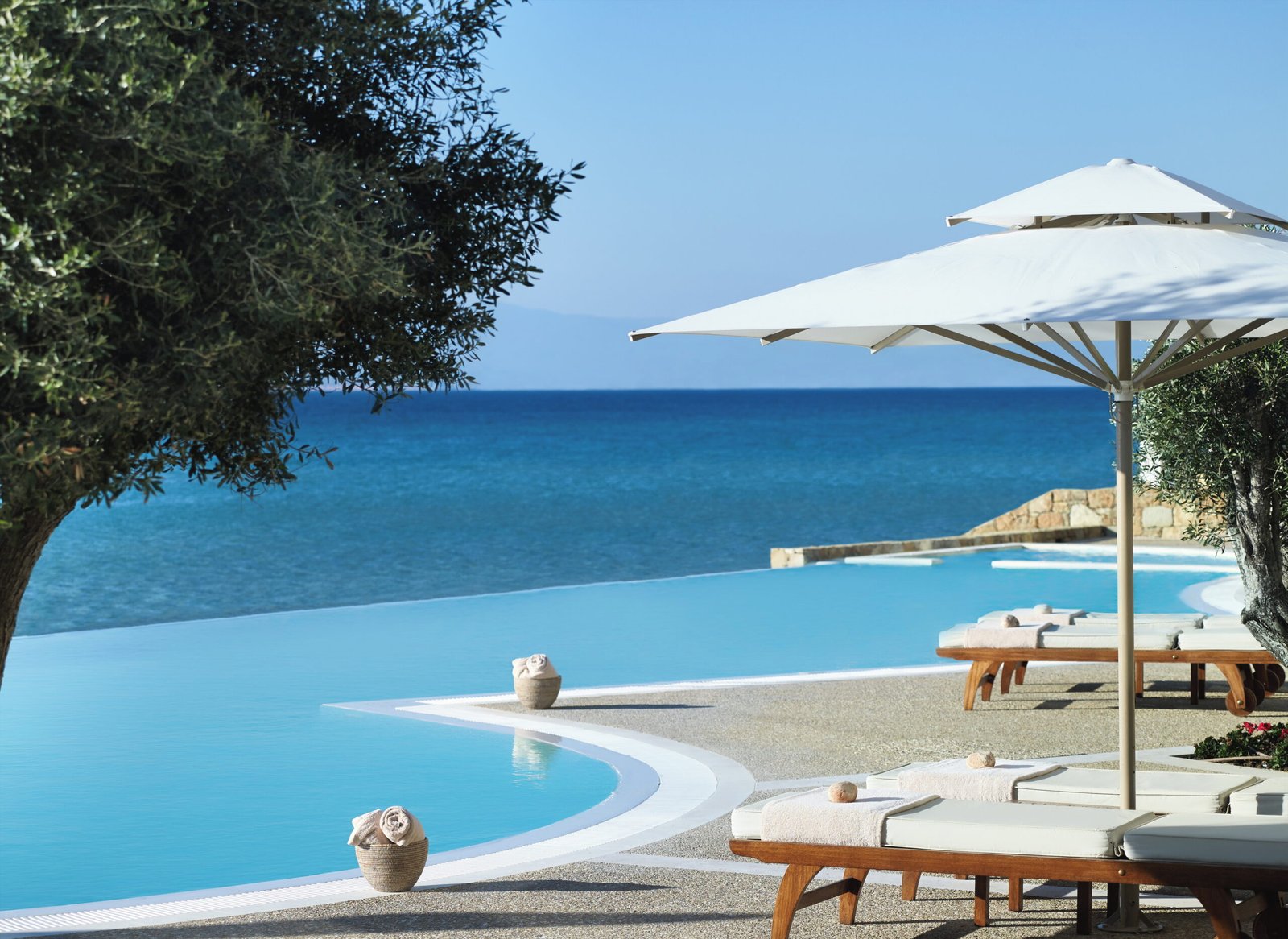
The case for it is no longer anecdotal. Across the continent, shoulder-season demand keeps strengthening and September bookings keep rising, as travellers deliberately move out of peak weeks to sidestep overcrowding and increasingly frequent extreme heat. That matters for FFH readers because the difference between a good family holiday and a draining one is rarely the thread count. It is rhythm. Temperature. Space. Whether the beach feels easy at 10am and dinner still feels plausible at 7pm.
What This Is (and Who It’s For)
This is a guide for families who do not need the chest-thump of travelling in the hottest, busiest week of the year. It is for parents with pre-schoolers, children not yet chained to a strict school calendar, multi-gen groups with a bit of flexibility, and anyone quietly wondering whether peak summer has become a very expensive form of self-harm. It is also for families with school-age children who can steal the first days of September, or who are already planning how they want to travel next year.
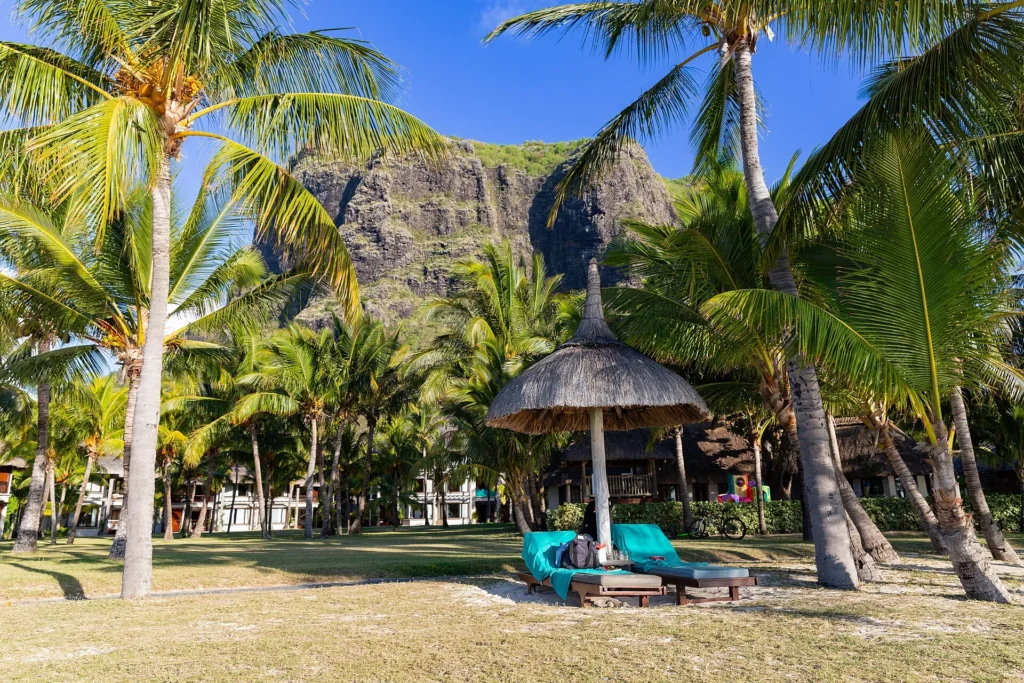
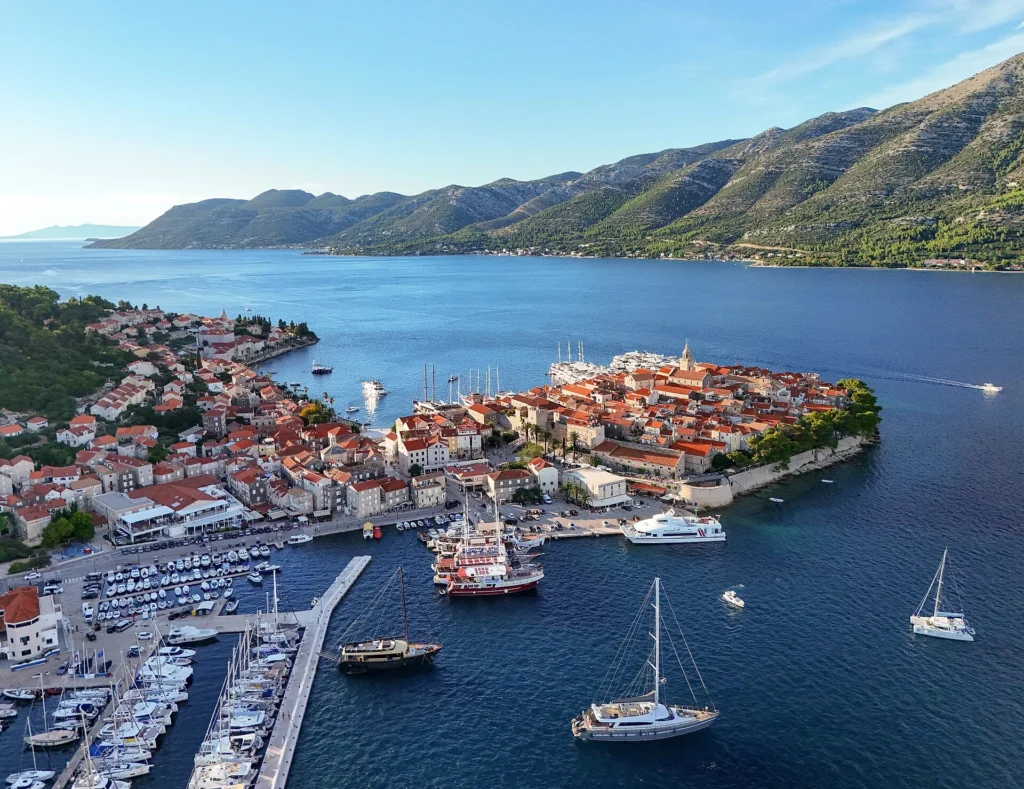
And no, this is not a sermon about going “off grid” or pretending the Med in September is some secret. It is still popular. Ferries still run. Good hotels still fill. But the tone shifts. The best beach resorts in southern Spain, Mallorca, mainland Greece and Portugal begin to feel less like production lines and more like places again. Staff have more air. Beaches have more breathing room. Your chances of getting the room type you actually wanted rise sharply. So does your patience.
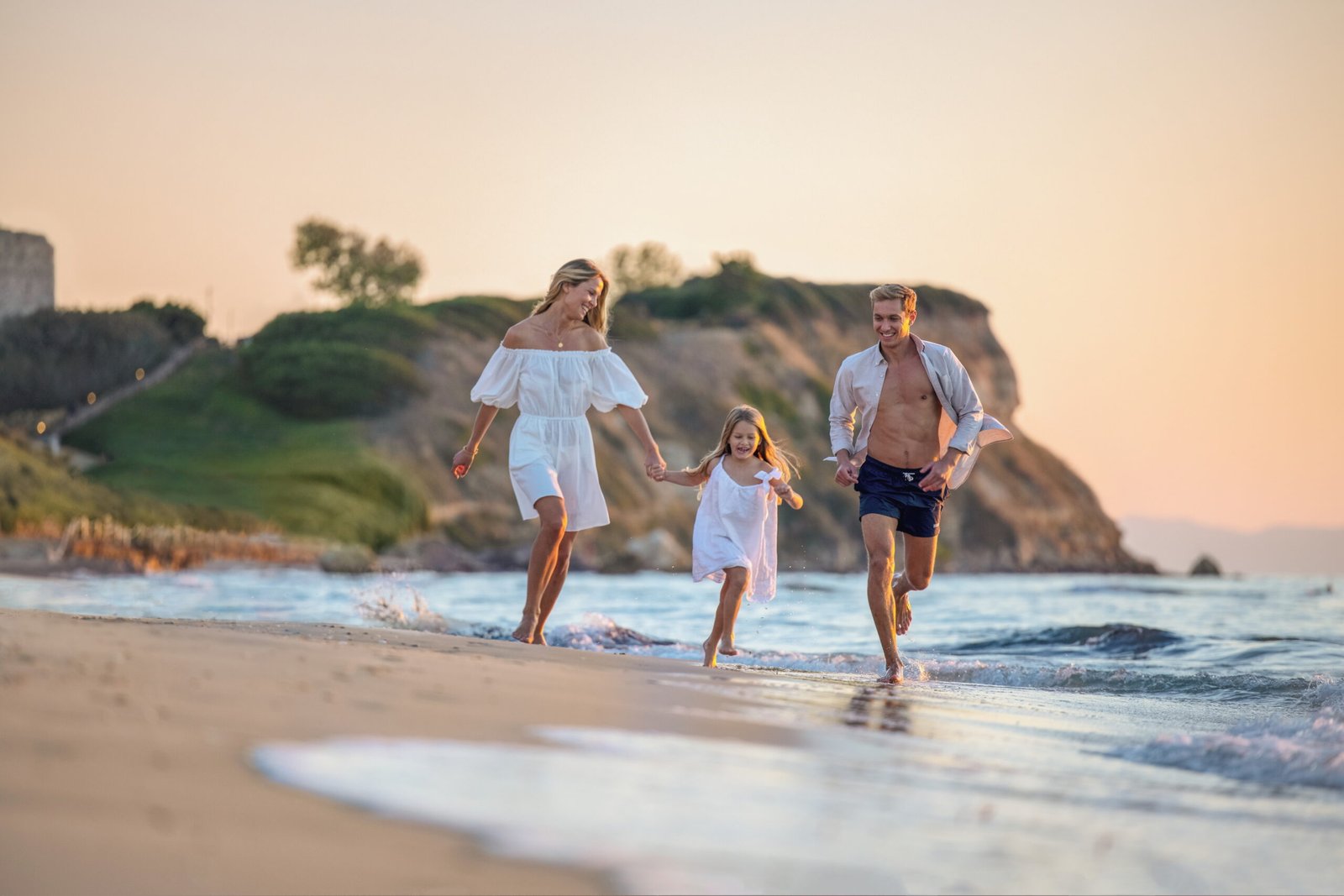
For FFH purposes, that is the whole point. We are not looking for cheap September sun. We are looking for polished southern Europe beach escapes that still justify a premium once the social performance of August has ended. The ones where the sea is still the star, but the trip stops feeling like crowd management with rosé.
The Practical Core
The smartest way to think about a September beach trip is not destination first, hotel first, or price first. It is friction first. What exactly becomes easier once you move out of August? Usually five things, and they are more practical than glamorous.
First: the climate stops bossing you around quite so aggressively. After another record-breaking hot period for Europe, more families are quietly changing how they buy summer. Not because they suddenly dislike heat, but because constant heat management is exhausting with children. September does not guarantee mildness everywhere, of course, but across Southern Europe it often buys softer edges: mornings you can actually use, beach time that does not need military-grade shade strategy, and evenings that feel like dinner weather rather than survival weather. It also does not excuse you from the basics; high-factor, water-resistant sun protection like our pick of a good children’s SPF 50+ still earns its place in the beach bag.
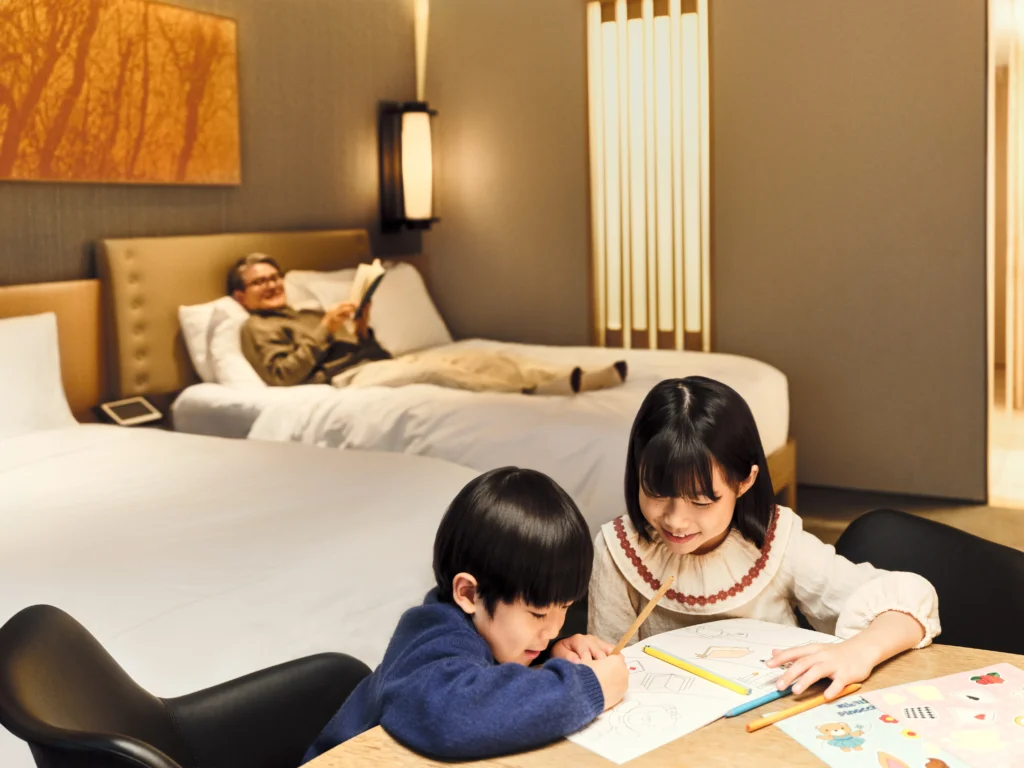
Second: room economics improve. This is where the extra spend starts making sense again. In August, many families overpay for a compromised setup because inventory gets squeezed and the right family categories vanish first. Move into September and better room logic starts to reappear: family suites, interconnecting rooms, private-garden categories, villas that no longer feel quite so extortionate. At Ikos Porto Petro in Mallorca, that matters because the resort’s low-rise layout and room mix work best when you can choose space deliberately rather than take whatever is left. The property sits between two sandy coves near Mondragó National Park and, for 2026, is expanding its top-end offer with new three- and four-bedroom villas (private gardens and infinity pools) plus a new one-bedroom suite quarter around a central pool. That is exactly the kind of September play families should exploit: more air, more privacy, less improvisation.
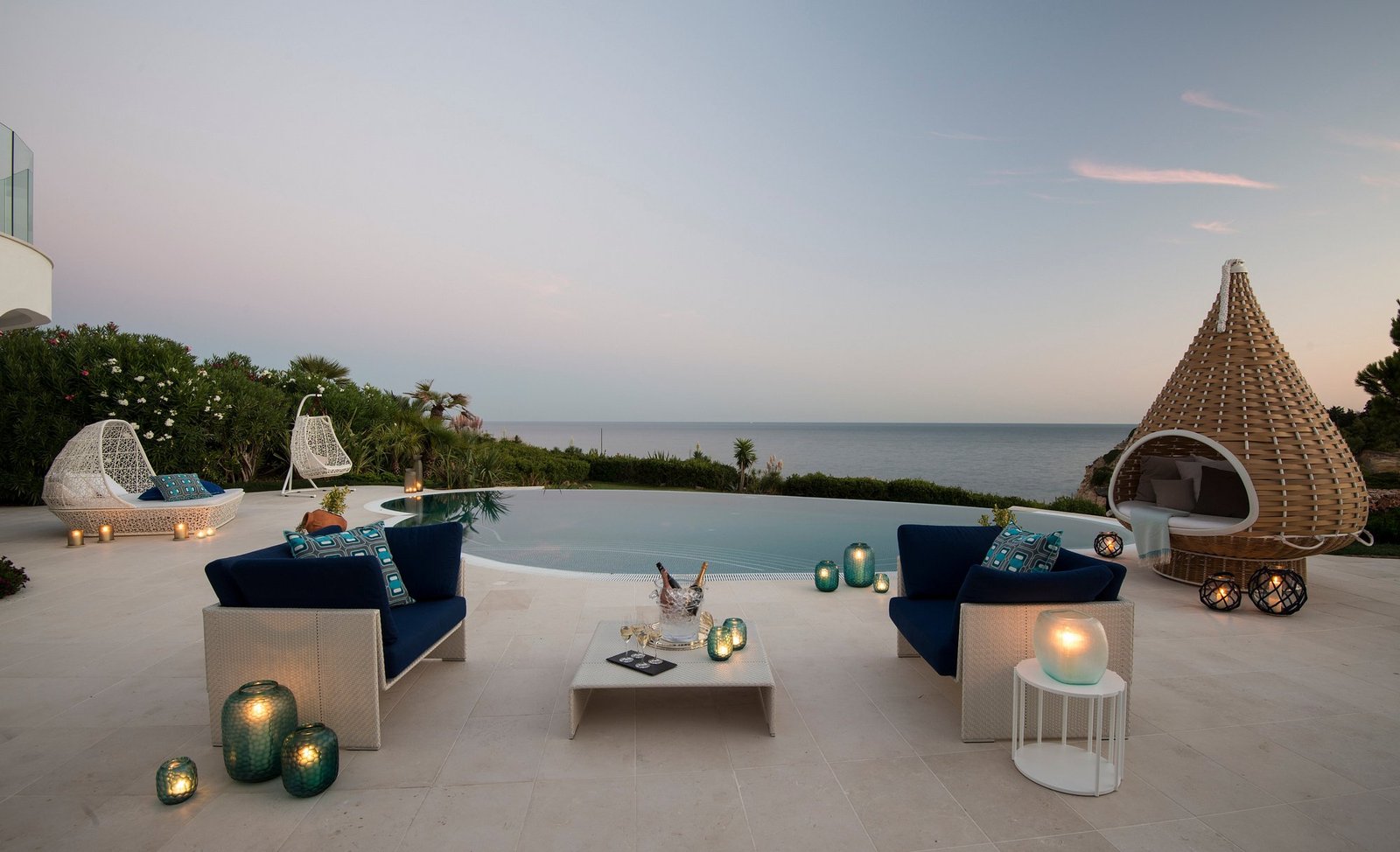
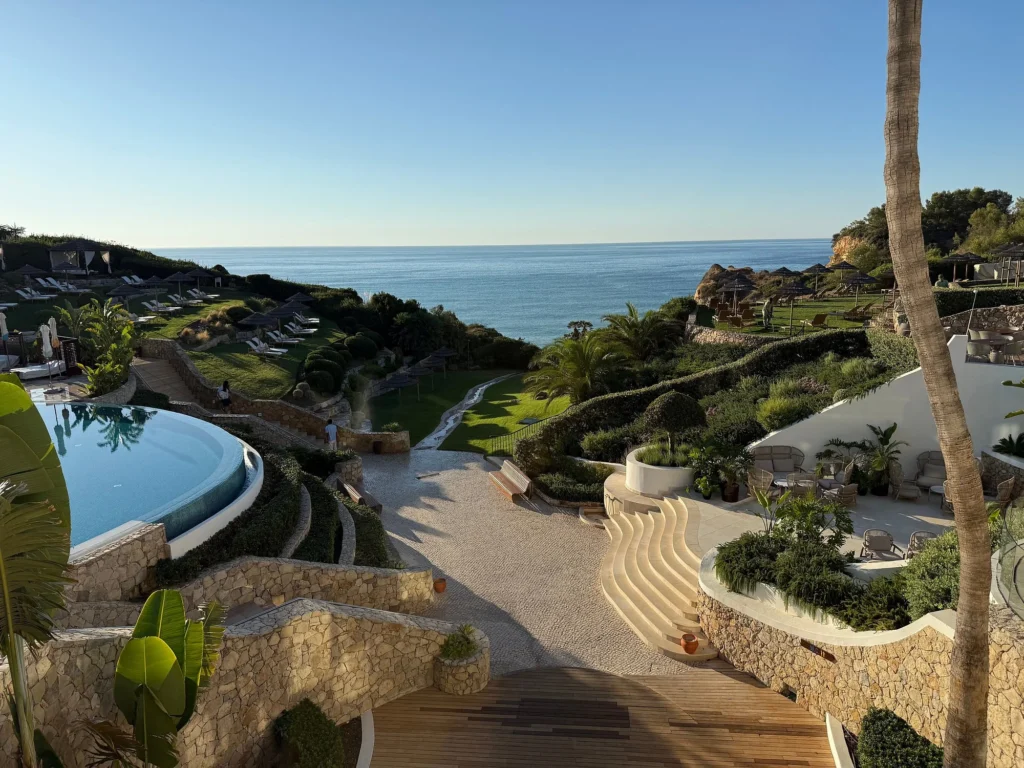
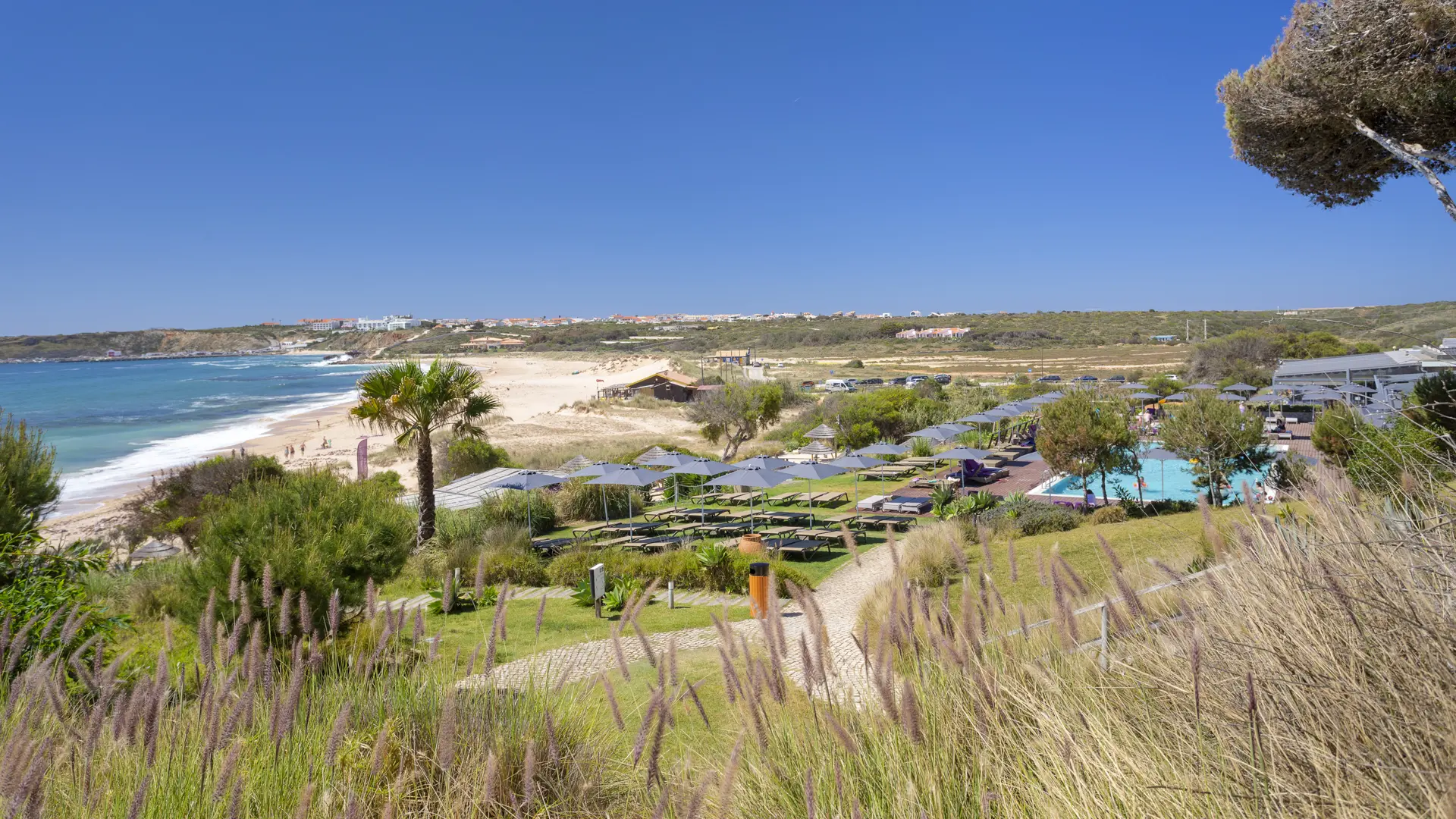
Third: destination choice can become more interesting. In August, many parents default to obvious names because they are scared of getting the family logistics wrong. In September, you can afford to be a little more discerning. On the Algarve, for example, Sagres works because Martinhal Sagres is not merely near a beach; it sits in a protected natural park overlooking Martinhal Beach and is built for families who want proper infrastructure rather than decorative “family friendliness.” The beach is broad, the setting feels open rather than hemmed in, and the hotel has the rare advantage of being genuinely operational for young families, from its baby concierge to age-banded clubs that run from a 6-12 month nursery all the way up to a teen Blast Club. For under-fives, that is not a small detail. It is the difference between holiday and admin. FFH’s own Algarve favourite, Vila Vita Parc, makes the same argument in a more grown-up register: cliff-top grounds above the sea, six pools, and a three-tier children’s setup (Natalie’s Crèche from six months, Annabella’s Kids Park for 4-11s, and a teen club) that quietly does the heavy lifting while the adults get their holiday back.
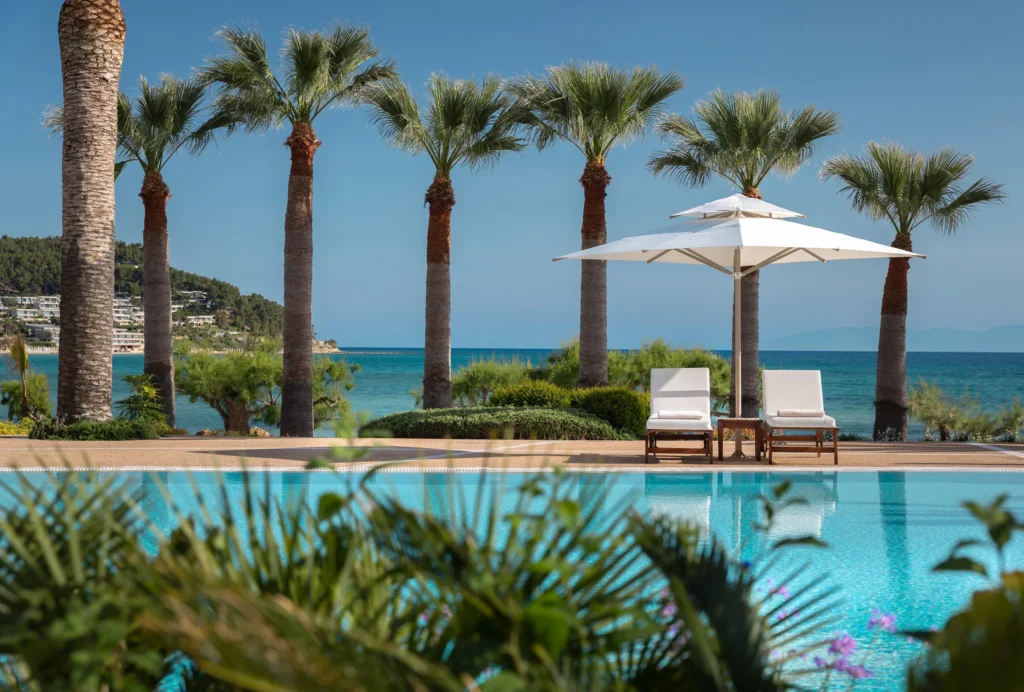
Fourth: the best big resorts become usable. Some resorts are wonderful in theory and maddening in peak season. September is when the math changes. Sani, in Halkidiki, is the classic example. In absolute peak weeks, any large multi-hotel complex can feel as if you are participating in a very elegant form of crowd flow. Come later, and the same ecosystem suddenly becomes a major advantage: long beaches, proper resort infrastructure, a complimentary kids’ club for 4-12s, serious family suites, a dedicated teen hub at the marina, and enough restaurants that nobody has to eat against their will every night.
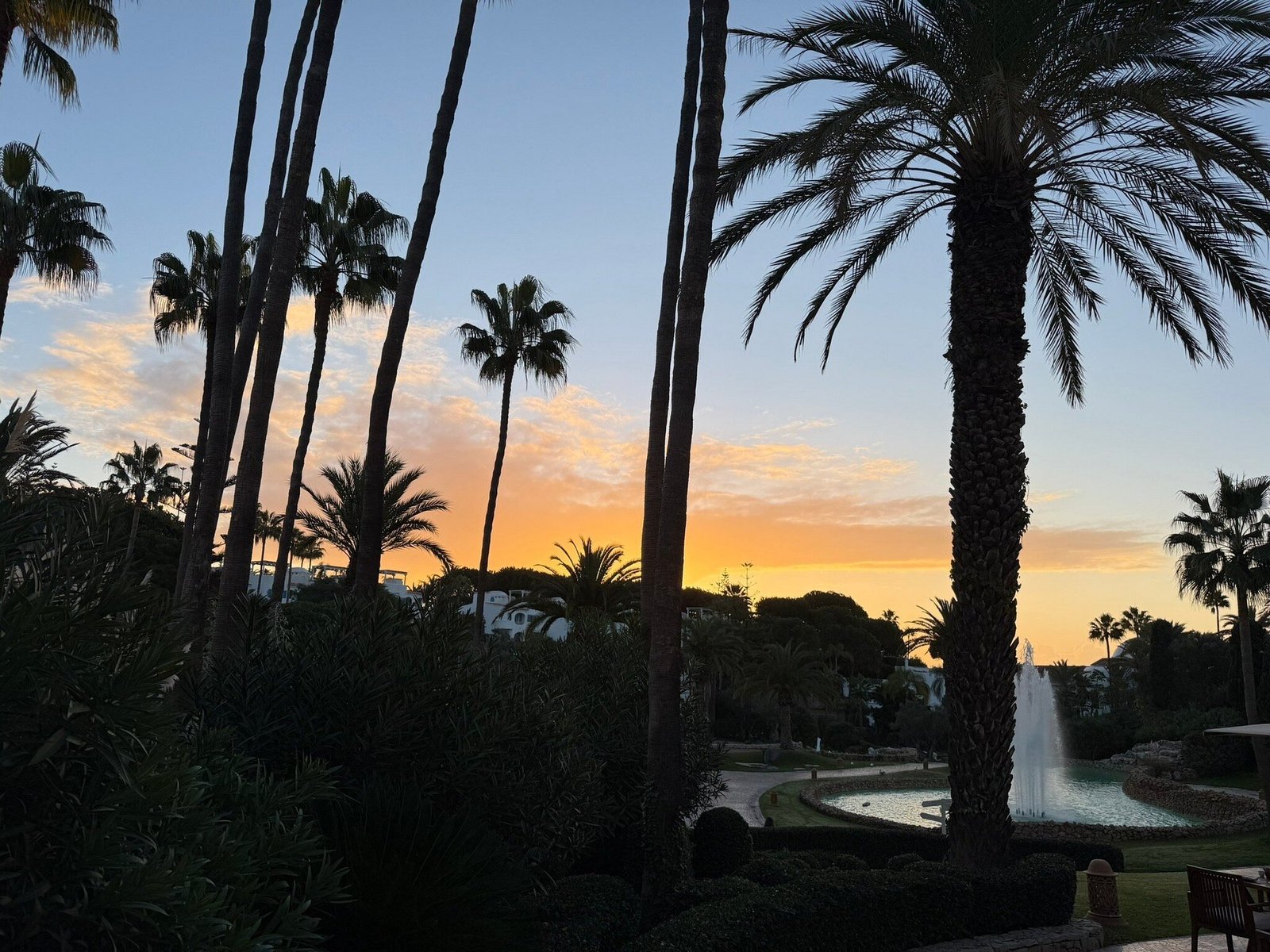
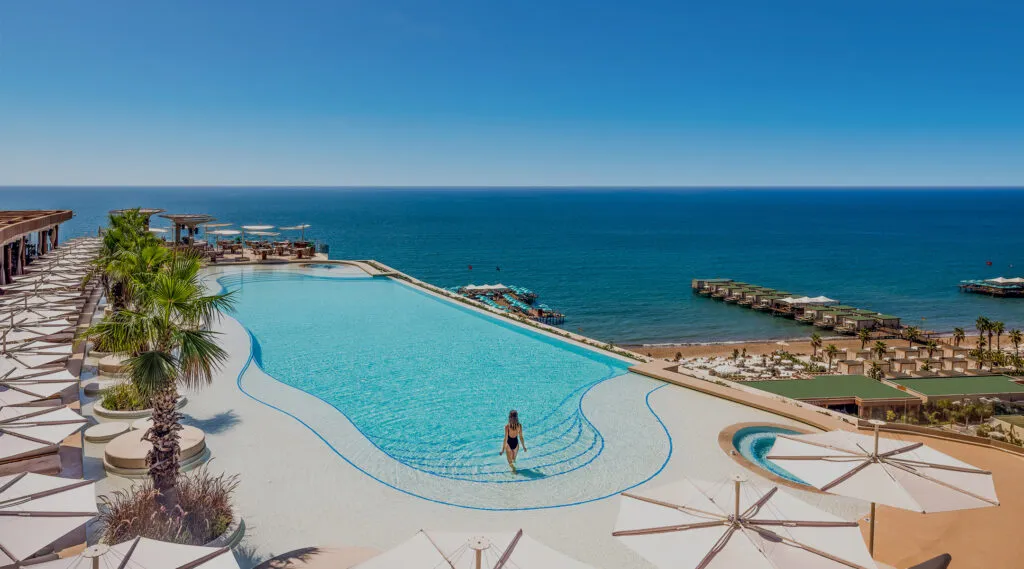
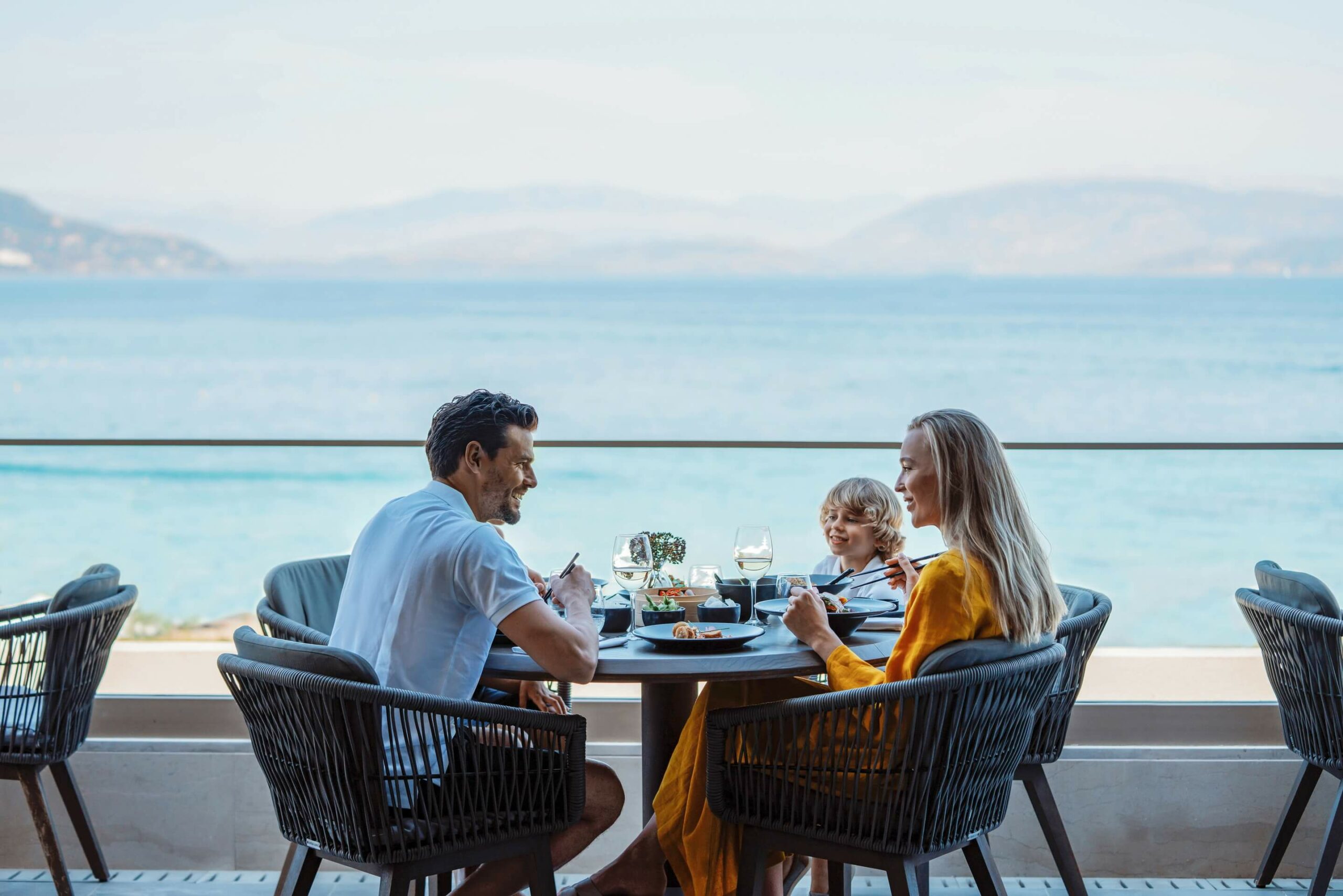
Fifth: you can buy the right kind of polish, not just the loud kind. This is why September in Mallorca and on the Costa del Sol is so compelling. Mallorca now has a major new style-forward arrival in Mandarin Oriental Punta Negra, which opened on 1 June 2026 near Puerto Portals with 131 rooms and suites, two secluded coves, dedicated wellness and both indoor and outdoor pools. It is exactly the sort of property that makes more sense when you can enjoy its design and coastline without peak-season static. On the Costa del Sol, Ikos Andalusia offers the same calm, elevated logic in all-inclusive form, its Playa de Guadalmansa beachfront and Heroes Kids Club far easier to enjoy once the August crush eases. Likewise Marbella Club, one of those Andalusian grandees that understands family travel without turning itself into a theme park, becomes especially persuasive once the coast calms down and the hotel’s year-round Kids Club (ages 4 to 14) can do its work without the whole area feeling like a school-break convention.
So where does that leave the shortlist? In blunt terms, with four very strong September archetypes.
- Mallorca for style-first families: strong air access, grown-up food, easy sea-and-suite rhythm, increasingly sharp family inventory.
- Algarve, especially Sagres and the Porches coast, for under-fives: space, beach, lower visual noise, and hotels that know what parents of small children actually need.
- Halkidiki for the all-rounder play: warm-water mood, excellent resort operations, and a lot of family infrastructure once the August crush eases.
- Messinia in the Peloponnese for mixed ages: Costa Navarino remains one of the clearest examples of a destination that can genuinely handle infants, children and teens without dumbing itself down.
That last point deserves emphasis. At The Westin Resort Costa Navarino, the family infrastructure is unusually granular: the Cocoon day nursery takes children from four months to three years, SandCastle programming is split by age for 4-12s, there is an Aqua Park, and the Division 16 youth hub gives older kids and teens something more credible than a token games room. If you are trying to travel with siblings who are nowhere near the same life stage, that matters more than almost any spa brochure language ever written.
The FFH Family Lens
The September reset is not one thing for every family. It works differently depending on the age of the children, and that is where most generic travel advice falls apart.
For babies and toddlers: your real luxuries are shade, distance-to-beach simplicity, stroller-friendly grounds, flexible food, and someone having thought about childcare before you asked. A genuinely travel-friendly buggy such as the Stokke YOYO3 earns its keep on cobbles, transfers and cabin lockers. This is why the Algarve keeps punching above its weight for young families. Martinhal Sagres has made an actual operating system out of this stage of life, and Vila Vita Parc pairs a proper crèche from six months with the kind of calm, spread-out grounds a nap schedule needs. Sani is also strong here because it has a crèche offer through Sani Little Explorers (from four months) and private nanny or babysitting support, but the big differentiator is still whether the destination itself lets you downshift. Open landscapes, short walks, calm water and low drama beat fashionable addresses every time when you are travelling with a nap schedule.

For ages four to eight: September is glorious because children are still fully beach-mad, but adults no longer need to run a heat-and-snacks command centre all day. This is prime Sani territory. The complimentary Kids Club runs morning and afternoon sessions for 4-12s, and the resort has also pushed harder into the evening gap, which is one of those quietly brilliant ideas that sounds obvious only after someone competent has done it. Marbella Club also deserves serious consideration for this bracket because its Kids Club, open year-round for ages four to 14, has the right kind of open-air imagination: gardening, wildlife experiences, science, outdoor play. Not just plastic-slide energy. Something with texture.
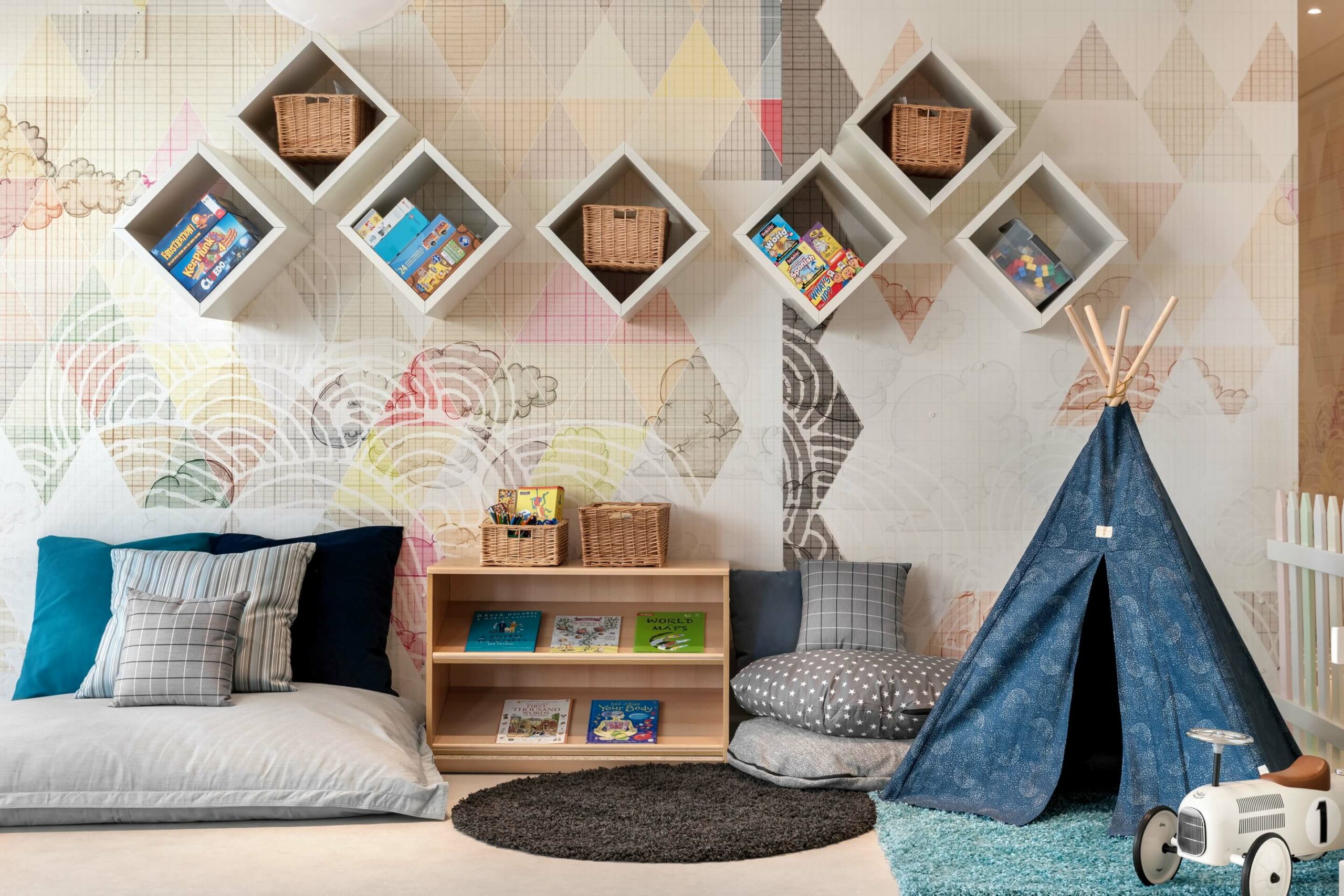
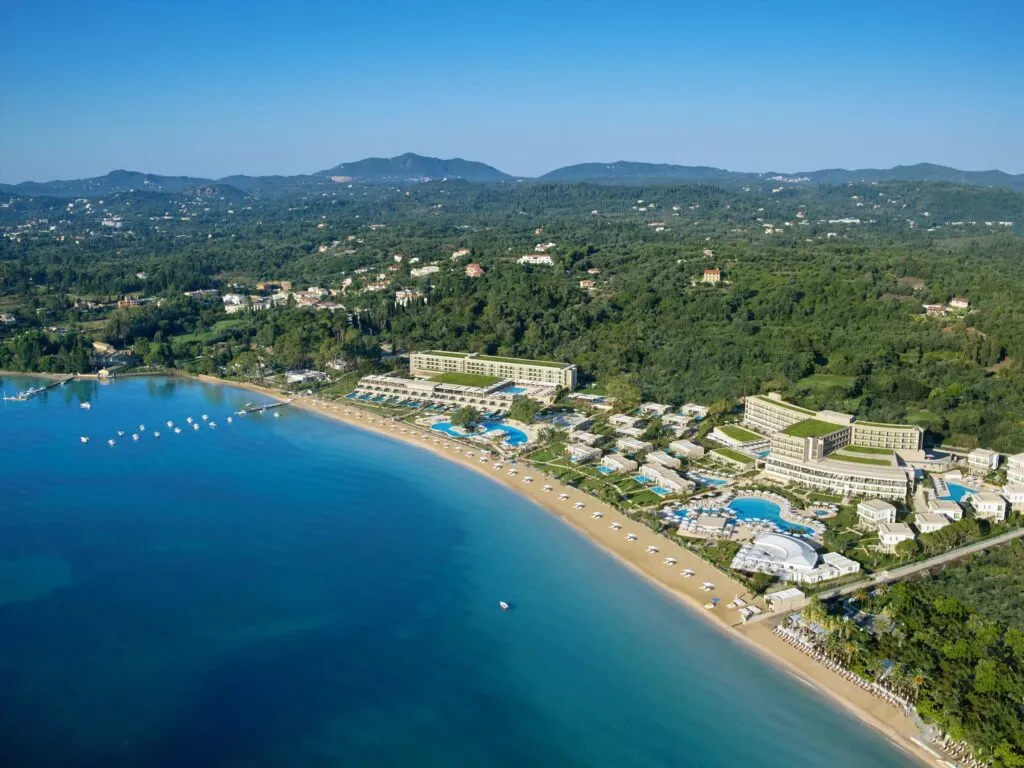
For tweens: this is where many high-end beach hotels become suspiciously thin. They can do toddlers, they can do romance, but the in-between years get offered a football pitch and a shrug. Costa Navarino is better than most because it gives children actual choices, from waterpark time to structured activities that do not feel babyish. Sani again works well because it has enough scale to support sport, academies and independence, and Ikos Dassia on Corfu is a strong Greek alternative for the same reason. The aim here is not nonstop programming, but avoiding the dreaded sentence: “There’s nothing to do.”
For teens: September is often better than August precisely because the resort performs less like a children’s festival. Older kids want a bit of autonomy, a bit of style, and enough room not to feel trapped in a family postcard. Sani’s Ozone teen space at the marina is designed for exactly that age group, and Costa Navarino’s Division 16 is similarly credible. If your children are old enough to care about design, food and not being infantilised, the September version of these resorts is simply more flattering.
And then there is the parental lens, which is the one people pretend not to have. You are not only buying a beach. You are buying headspace. The best September resorts deliver that in very practical ways: easier dinner reservations, less queueing, fewer pool politics, staff with more bandwidth, and a better chance that the property’s nice ideas are fully useable rather than theoretically available if you wake up before everyone else.
Mistakes People Make
- They confuse lower season with low season. September is not the moment to stop booking carefully. The best family categories still go first.
- They book the destination, not the setup. “Mallorca” is not the decision. Ground-floor suite, interconnecting room, children’s pool, shaded beach access… that is the decision.
- They assume every family hotel handles small children equally well. It does not. A four-year-old kids’ club is useless if your child is two and your sanity is hanging by a thread.
- They overvalue novelty and undervalue pace. Two good coves, one excellent pool, proper childcare and a short transfer can beat a more glamorous but more complicated island every single time.
- They ignore the evening problem. Days are easy. The real test is whether 6pm to bedtime works without everyone unraveling.
- They wait too long for the right room category. Shoulder season may be calmer, but premium family inventory is still premium family inventory.
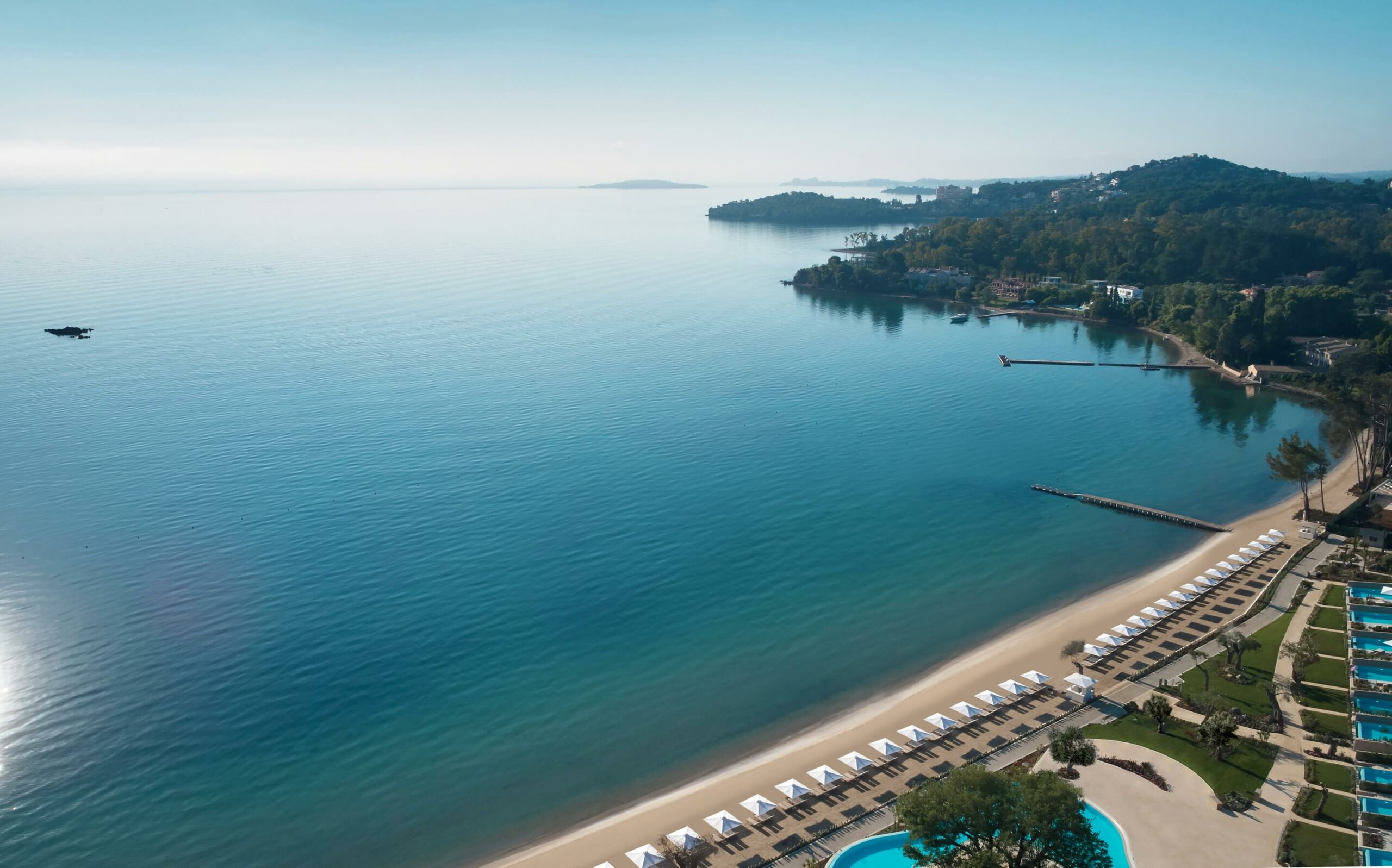
The other mistake? Chasing “September value” so hard that you forget what you were trying to buy in the first place. This is not the month to go downmarket and call it strategy. It is the month to buy better. More space. Better service. Fewer compromises. Less noise. That is the whole game.
Recommendations
- Book Mallorca if you want style, short transfers and a cleaner visual mood. Ikos Porto Petro works for families who like their all-inclusive softened by good design and sensible room options. Mandarin Oriental Punta Negra, now open for its first season, looks especially interesting for 2026 if you want a more design-led, quieter resort personality with serious sea views and a less family-factory feel.
- Book the Algarve if your children are little and you want operational ease. Martinhal Sagres is not subtle about being built for families, which is exactly why it works. For a more polished, grown-up base on the same coast, Vila Vita Parc pairs cliff-top calm with a crèche from six months and clubs by age… no faffing.
- Book Halkidiki if you want one resort to do almost everything well. Sani is the polished all-rounder: complimentary kids’ club sessions, a marina teen space, family suites, private nanny support, and enough restaurants and beaches to stop the trip feeling repetitive on day four.
- Book Messinia if your children span very different ages. Costa Navarino remains one of the best examples of a southern Europe resort ecosystem that can genuinely cope with babies, younger kids, tweens and teens at the same time.
- Book the Costa del Sol if you want old-school polish with family intelligence. Marbella Club is especially good for families who care about atmosphere and service, while Ikos Andalusia is the sharper all-inclusive pick for those who want the beach club and kids’ club handled without a second thought.
- Buy the right room before you buy anything else. In September, the room is where the value is. The better suite, the private-garden category, the room near the children’s pool but not above the bar, the setup that lets one child sleep while the other reads… that is where the trip is won.
One final tactical note: shoulder-season travel only works if you lean into it properly. Do less. Stay longer if you can. Resist the urge to turn the holiday into a destination-stacking contest. September is not the month for showing off how much of the Mediterranean you can cram into one week. It is the month for doing one place properly and coming home suspiciously relaxed.
Final Take
If August is the big performance, September is the edit. Same sea, better atmosphere, less shouting. For affluent families, that matters because beach travel at this level is not supposed to feel like a battle for resources. It is supposed to feel like relief… with decent lunch, proper rooms, and enough space for everybody to like each other again.
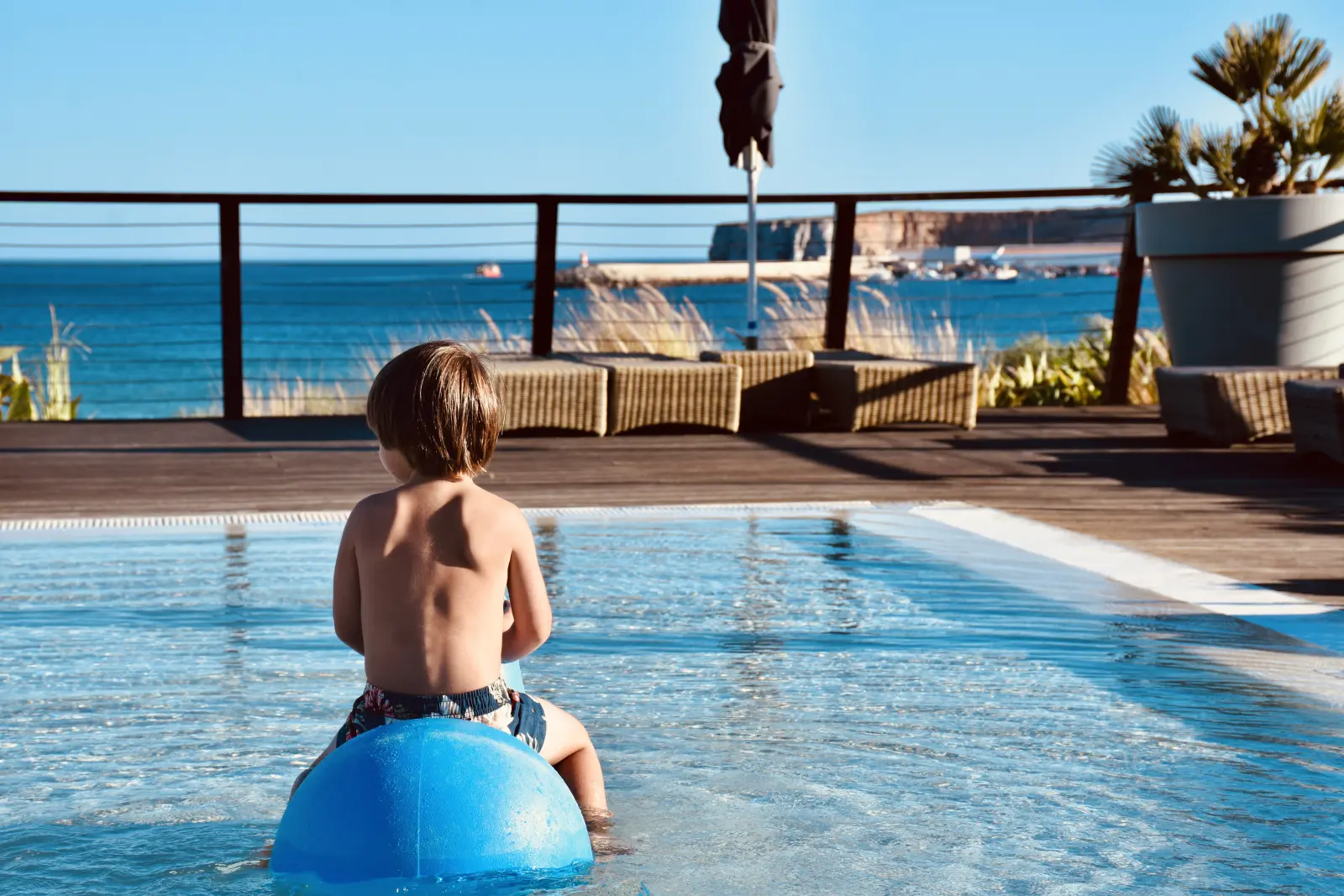
So yes, the September reset is real. Not because the Med becomes secret or cheap, but because it becomes proportionate. For families who want polish without peak-season chaos, Southern Europe after the crowds is not a compromise; it is the smarter buy in practice.